Artemis II: NASA will monitor the Sun to protect the astronauts from dangerous radiation
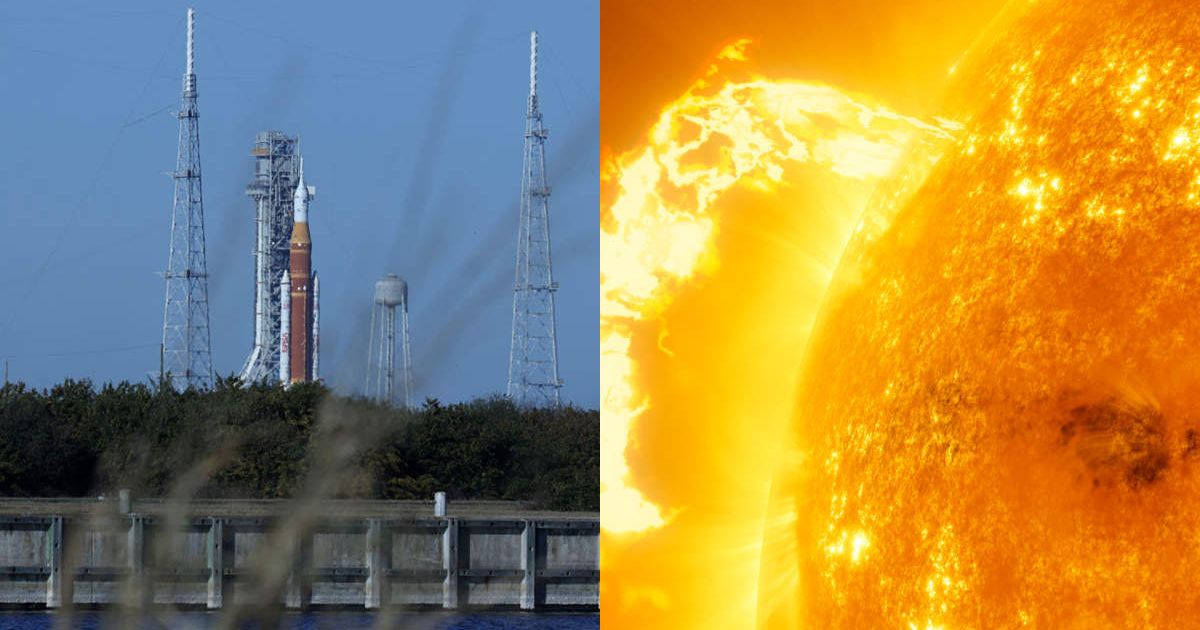
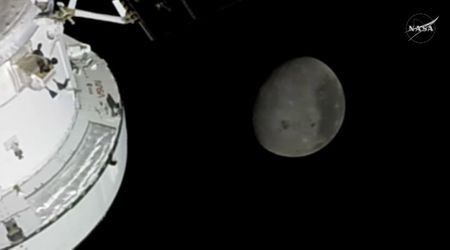
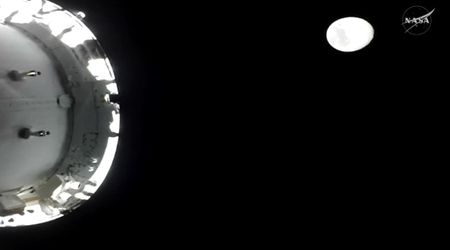
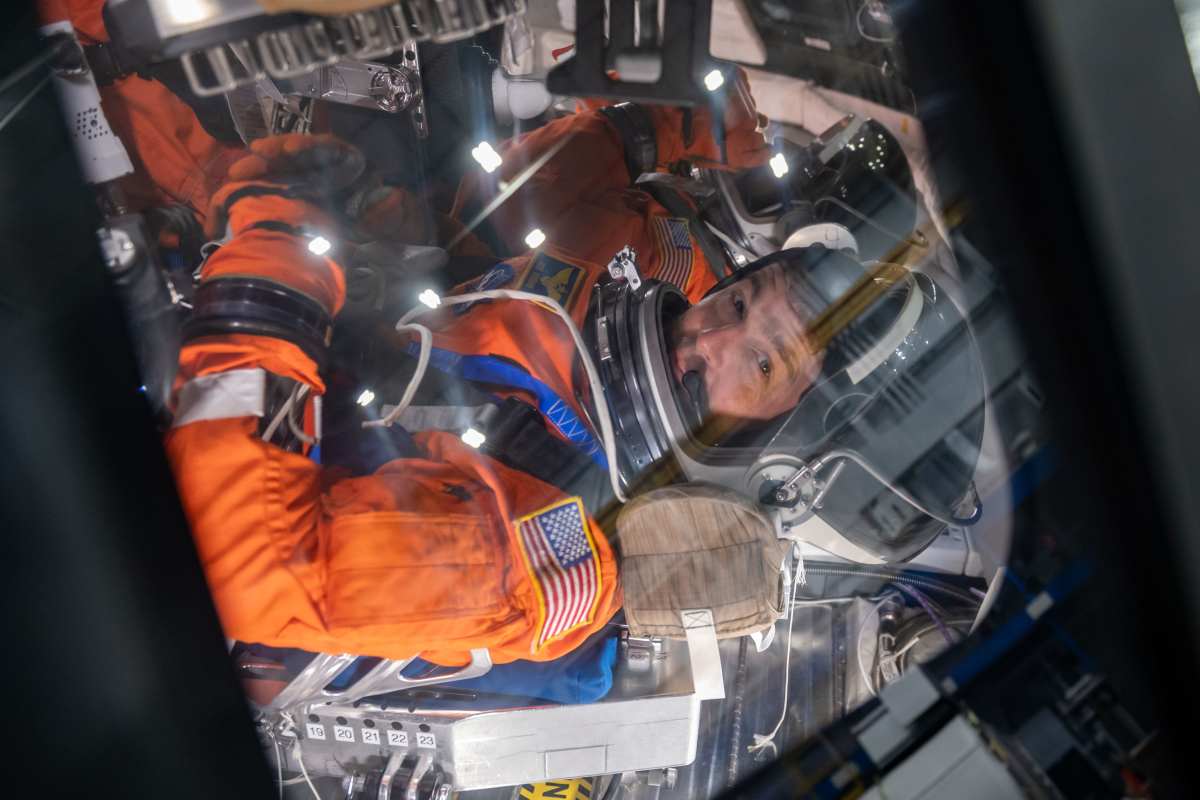
NASA’s imminent Artemis II mission will have four astronauts travel around the Moon beyond the Earth’s protective magnetic field. Together with the National Oceanic and Atmospheric Administration (NOAA), NASA will closely monitor solar activity in real time throughout this mission to protect the crew from exposure to radiation in space. The Orion spacecraft itself will serve as the primary protection for the astronauts on this 10-day flight, while ground teams will analyze space weather conditions to help make safety decisions.
Solar flares and coronal mass ejections (CMEs) are commonly known to affect both crew and equipment in space. For perspective, solar flares can release more energy than a billion hydrogen bombs, while CMEs are essentially solar particle clouds, hundreds of times larger than Earth. These trigger solar particle events, which speed up charged particles to near light speed. If a solar event takes place near Orion, it could significantly increase radiation levels inside the spacecraft. If left unchecked, this could have grave consequences, like causing cancer and other severe health disorders.
Tracking solar storms to protect Artemis II astronauts
So, how can astronauts protect themselves from solar radiation? According to NASA, this is where the agency’s Space Weather Analysis Office at Goddard Space Flight Center can help. Mary Aronne, the operations lead for this office, explains, “Our focus will be real-time space weather analysis, prioritizing solar energetic particles and events that could produce them. We’re looking for the trigger, which would typically be a flare or a coronal mass ejection.” The team will track all solar eruptions that occur in real-time and evaluate their size, speed, and, most importantly, if the incoming solar particles could cross Orion’s path.
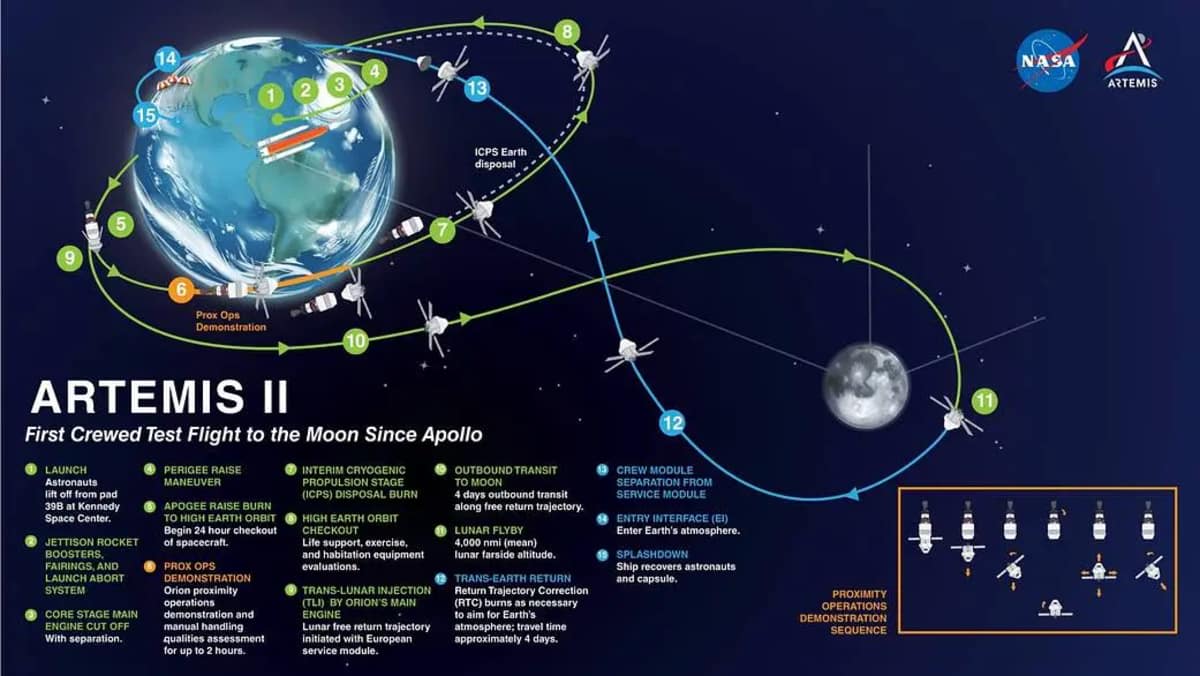
NASA is unlikely to have any shortage of solar observation data. Their Sun-monitoring missions are all placed strategically at different points in space. This includes the Interstellar Mapping and Acceleration Probe (IMAP), the Solar Dynamics Observatory (SDO), the ESA/NASA Solar and Heliospheric Observatory (SOHO), and NOAA’s GOES-19 satellite, among several others. Further data on the far side of the Sun (not visible from Earth) could come from NASA’s Perseverance rover due to Mars’ current position. The rover’s Mastcam-Z cameras can locate large sunspots and send out early warnings for potential flares.
Radiation sensors and shielding inside Orion
The next stage of protection is measuring radiation exposure inside the Orion spacecraft itself, which is tricky since solar particles spiral and scatter through space, coming from every possible direction. NASA space radiation analyst Stuart George likened it to sitting in a bathtub gradually filling with water. The solution comes in the form of six radiation sensors in Orion’s Hybrid Electronic Radiation Assessor system. The astronauts will also wear personal radiation trackers called crew active dosimeters.
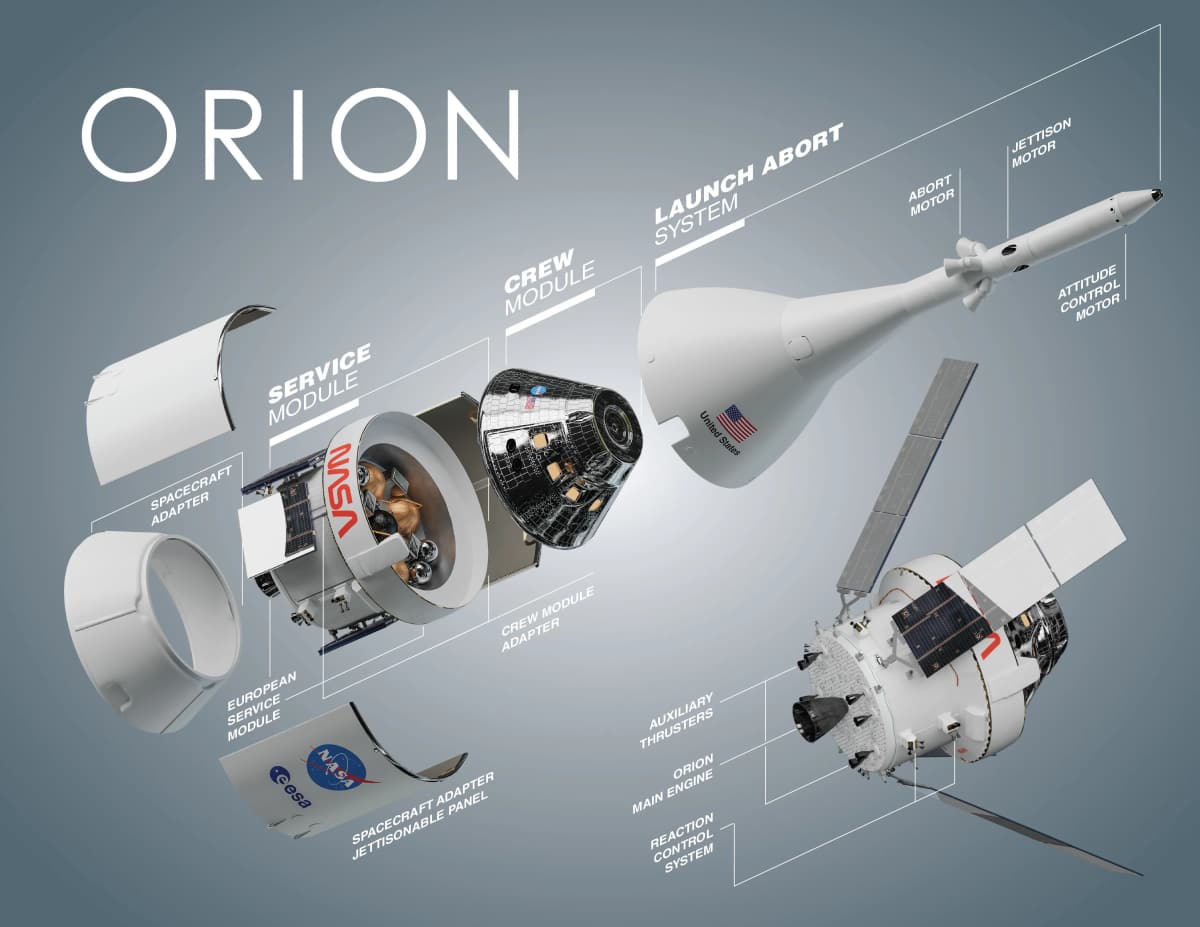
In case of radiation exceeding the norm, the Artemis II crew will be alerted by Orion’s onboard systems to either start medical monitoring or take shelter based on specific dosage levels. To shield themselves, astronauts can simply add more mass to the spacecraft, which can absorb and slow the energetic particles. This can be done by shifting stowed equipment from storage bays to areas prone to exposure. Successfully implementing these protocols is especially important for Artemis II since it’s the first crewed mission in the lunar program.
Should Artemis II be delayed further to protect astronauts?
Dr. Victor M. Velasco Herrera from the National Autonomous University of Mexico, who led a research team to a major breakthrough in predicting dangerous solar storms, known as solar superflares, thinks that NASA should optimize the launch window for Artemis II so as to ensure the safety of the astronauts from potential superflares during a high-risk period. For their study, Dr. Herrera and his team looked into five decades of GOES observations that had documented 37 extreme solar superflares and found that instead of occurring at random, extreme solar activity follows cycles of approximately 1.7 and 7 years, creating windows of higher risk. "Current forecasts provide only 24-48 hours' warning, leaving minimal reaction time for astronauts," Dr. Herrera told Starlust. Thanks to the study, however, such high-risk windows can now be predicted up to two years in advance.
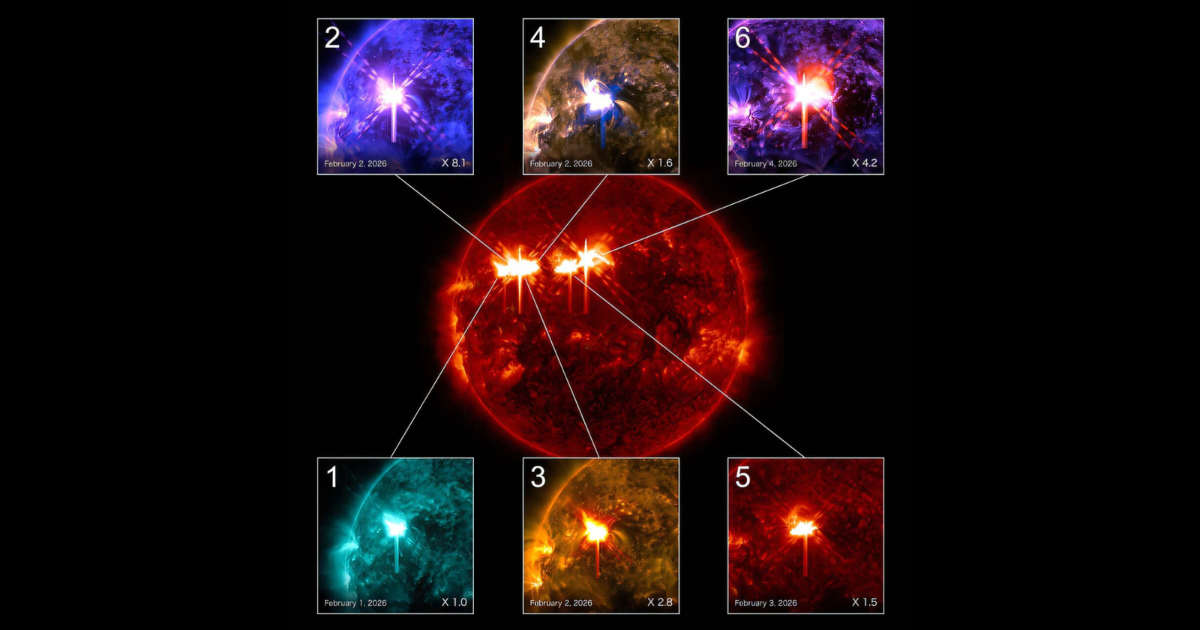
The new probabilistic model is not a replacement for the models that NASA currently employs. Instead, it complements them to supply information that can be used to plan crewed missions better. Speaking of the high-risk window this year and its implications for the Artemis II mission, Dr. Herrera said, "Our probabilistic model identifies a high-risk window in the first half of 2026, consistent with recently observed intense solar activity. This does not mean halting the Artemis program; it means optimizing launch schedules, strengthening radiation shielding, and further improving crew protection."

During the press conference on March 12, 2026, Dr. Lori Glaze, Acting Administrator for NASA's Exploration Systems Development Mission Directorate, noted that the crew had participated virtually in the Flight Readiness Review, which discussed the various risks associated with the mission with complete transparency. While the Artemis II rocket still remains in the Vehicle Assembly Building, NASA is currently targeting April 1 for the launch of the mission, with further opportunities presenting themselves from April 2 through 6 and one on April 30.
More on Starlust
Scientists create 3D map of the sun's magnetic interior to help improve predictions of solar flares
Artemis II mission availability: NASA just updated April launch windows