
About Author
Raj is a science writer at Starlust, where he explores the cosmos, one story at a time. With a background in entertainment journalism and a lifelong love of storytelling, Raj brings a unique narrative lens to the universe — weaving together celestial facts, skywatching guides, and the deeper questions inspired by space.
Raj believes that space writing should not just inform, but spark curiosity. Whether he’s diving into the latest astronomical discovery or decoding the Moon’s daily rhythm, his goal is always the same: to remind us how thrilling it is to be part of a universe this vast.
Latest From Raj Naik
Only 3 interstellar visitors have ever been found—but this 'really interesting object' could change that forever
Researchers believe this comet is a sign of many more interstellar discoveries to come.
Will Comet C/2025 A6 (Lemmon) be bright enough to see with the naked eye on October 21?
Discovered on January 3, Comet Lemmon has been dramatically brightening since mid-August, with its luminosity already surging to six times the initial prediction for its peak.
Astronomers say 'invisible' asteroids near Venus pose a 'real risk' of collision with Earth
Hidden asteroids sharing Venus's orbit are currently undetectable by our best telescopes because of their unique, sun-obscured positions and paths.
Here's when Comet C/2025 A6 (Lemmon) will make closest approach to Earth next month
The comet's current brightness is measured at magnitude 7.4, which means you'll need binoculars or a small telescope to spot it.
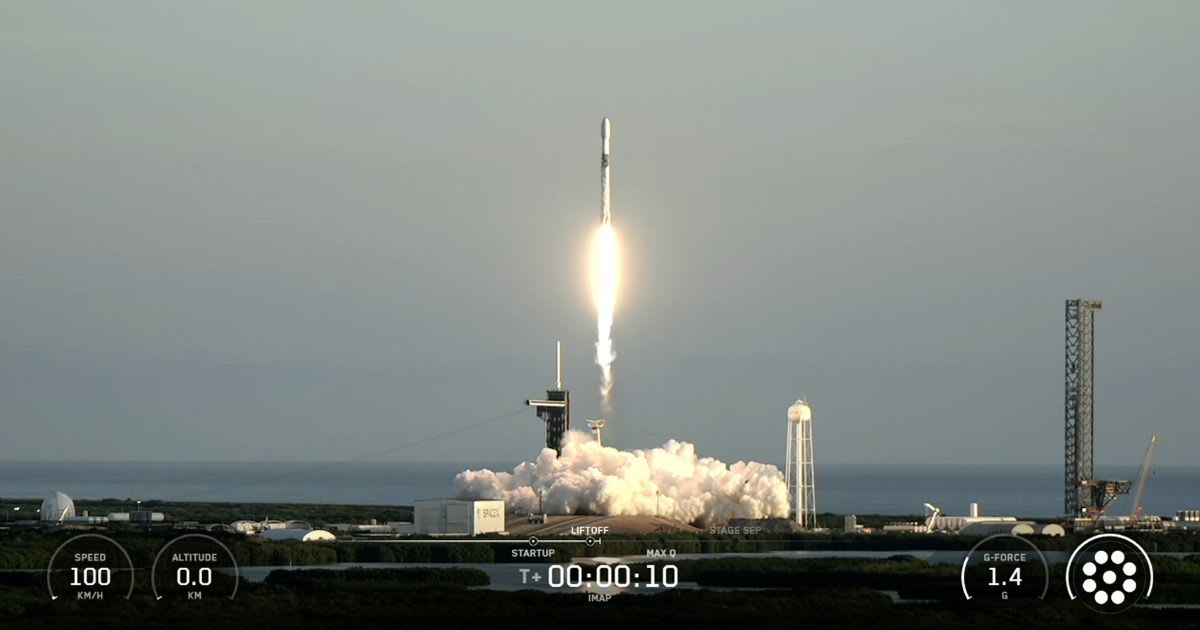
NOAA's SWFO-L1 satellite launches aboard SpaceX Falcon 9 rocket from Kennedy Space Center
On Wednesday, Sept. 24, a NOAA satellite launched aboard a SpaceX Falcon 9 rocket from Kennedy Space Center to begin its mission of monitoring space weather.
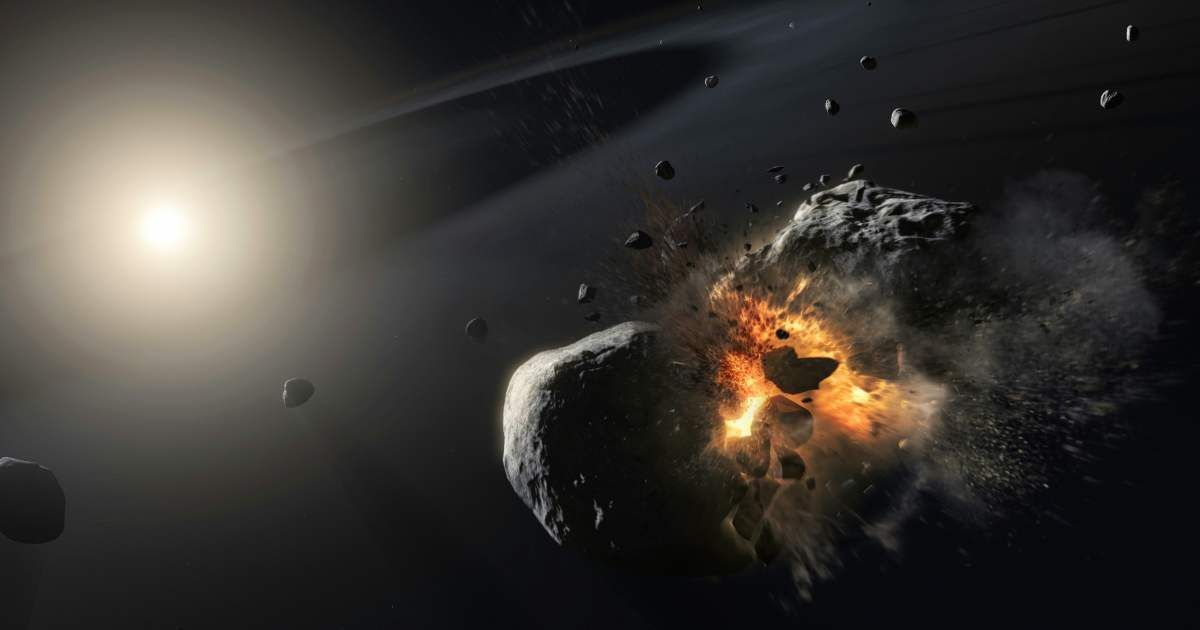
Asteroid to hit our Moon? Scientists consider destroying 220-foot asteroid 2024 YR4 before it is too late
After being ruled out as a threat to Earth, the asteroid 2024 YR4 is now on a trajectory that shows a rising probability of colliding with the Moon.
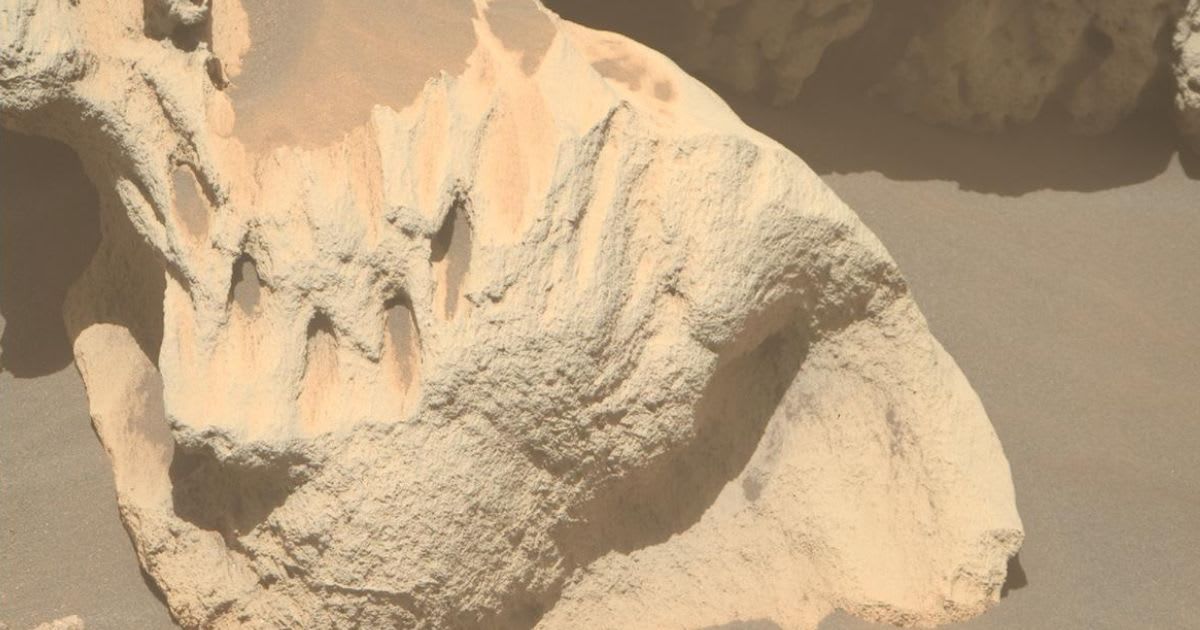
Mars like you've never seen: Surreal images from NASA's Perseverance rover
Perseverance, NASA's Mars rover, is on a mission to find signs of ancient microbial life as part of the ongoing Mars Exploration Program.
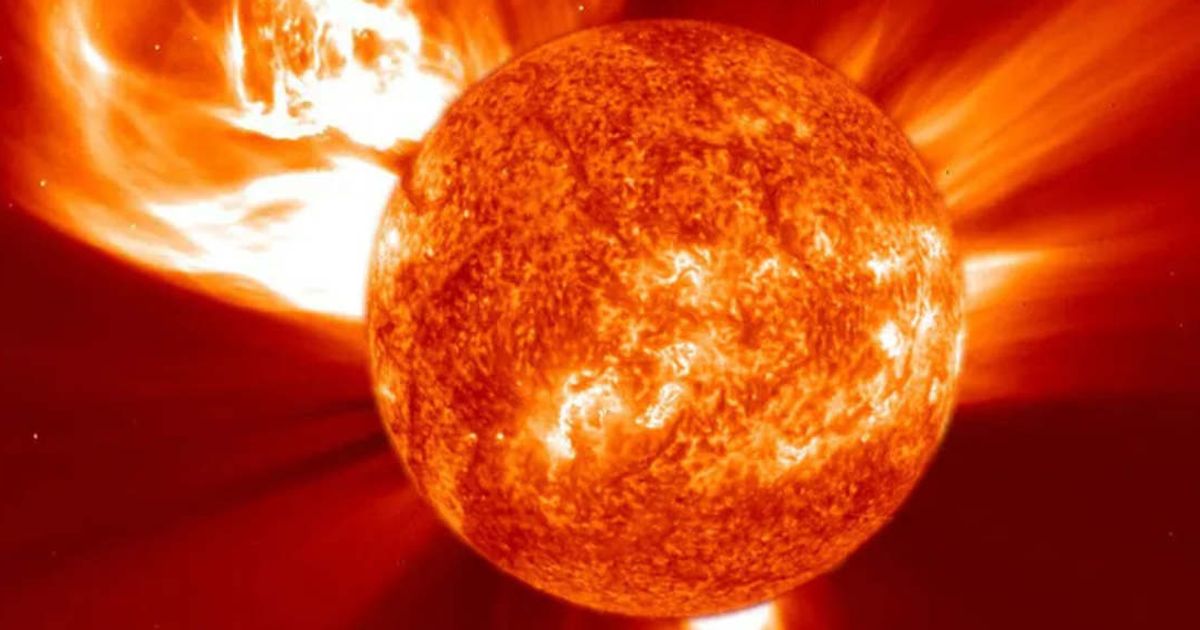
Huge solar storm launched last week is predicted to reach the location of Comet 3I/ATLAS on September 24-25
Comet C/2025 N1 (ATLAS) is on a hyperbolic trajectory; it will pass through our solar system only once before exiting forever.
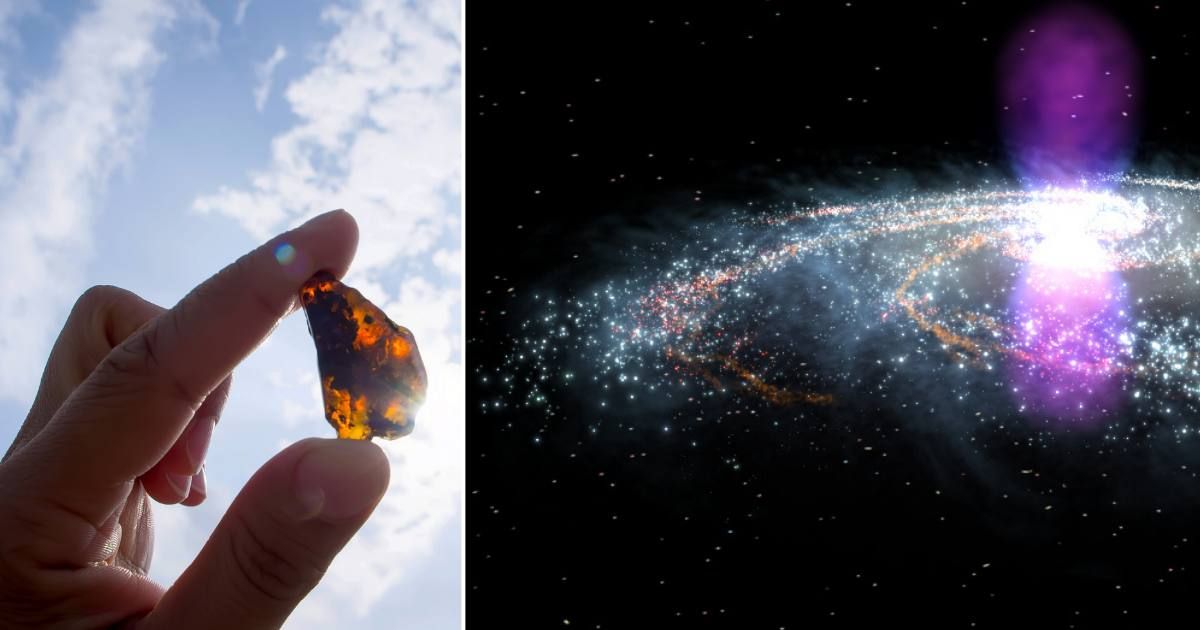
Earth's tiny ancient crystals may hold secrets of our journey through Milky Way's spiral arms
A new study suggests our planet's crust holds chemical clues to its cosmic journeys.
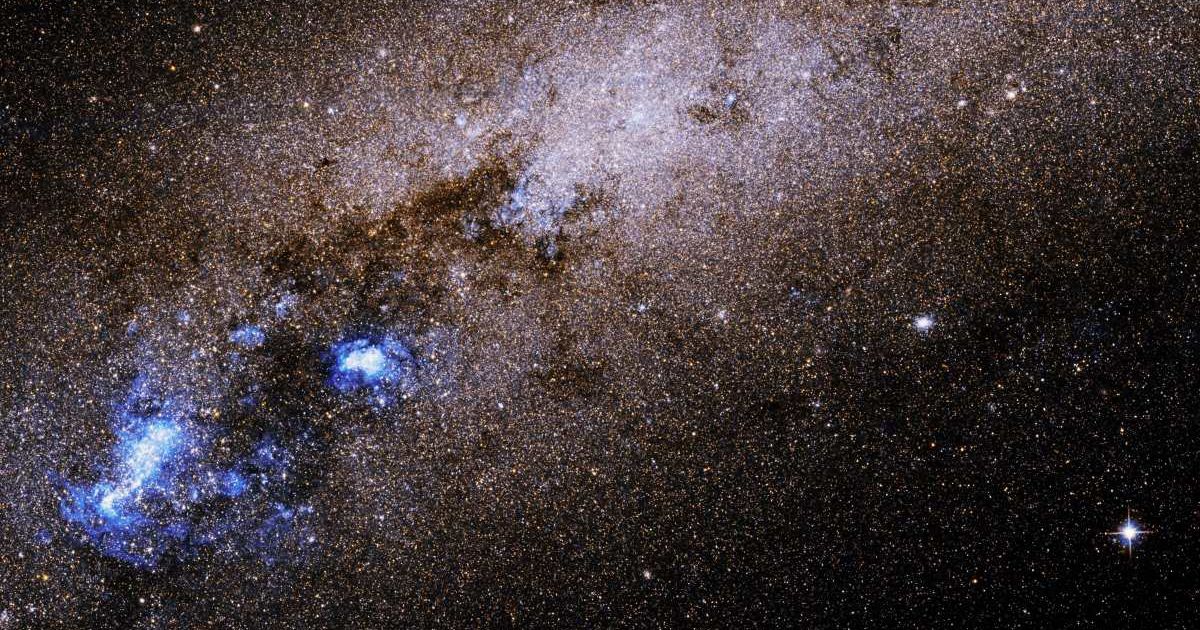
Don't miss the 'String of Pearls' galaxy at peak visibility on September 24—where and how to see it best
Astronomers classify NGC 55 as a Magellanic-type galaxy, placing it in an intermediate category between an irregular and a dwarf spiral galaxy.
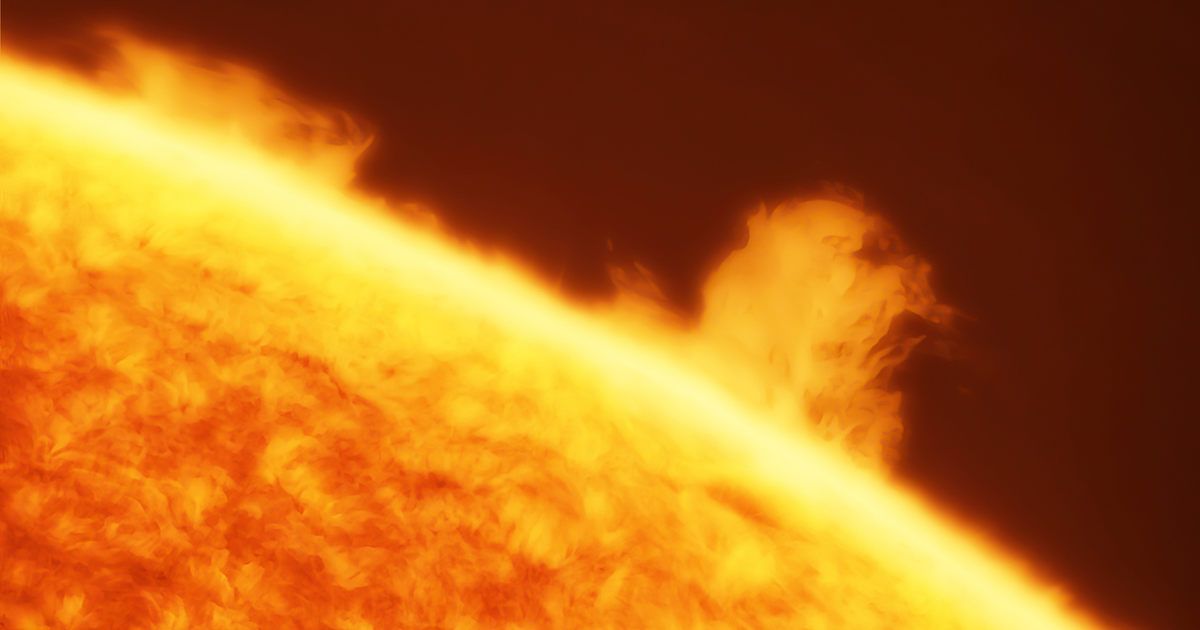
Solar storm may hit Earth at the autumn equinox, setting the stage for fall auroras
A solar event is forecast to strike during the autumnal equinox, a time of year when Earth's magnetic field is naturally more sensitive to solar disturbances.
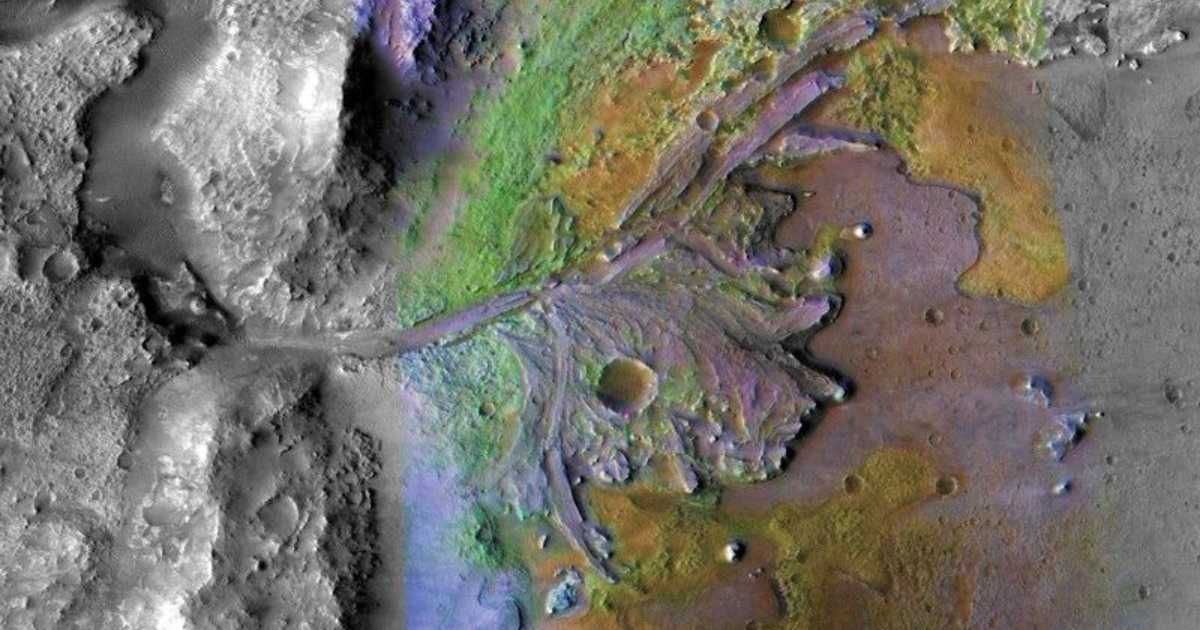
NASA's Perseverance rover discovers clues to multiple habitable areas on Mars
Scientists have analyzed rocks from the crater floor, uncovering a diverse set of minerals that tell the story of a complex history of water-rock interactions.
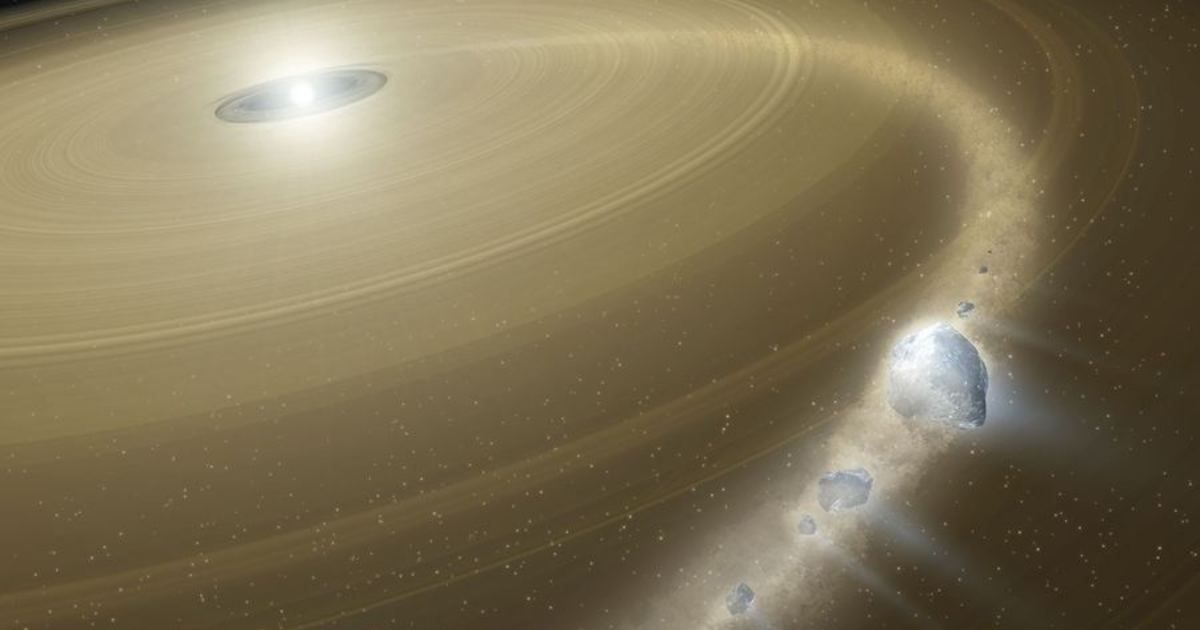
New discovery shows a dead star eating shredded pieces of a Pluto-like world
Scientists identified the chemical composition of the doomed object by analyzing the material as it fell onto the white dwarf.
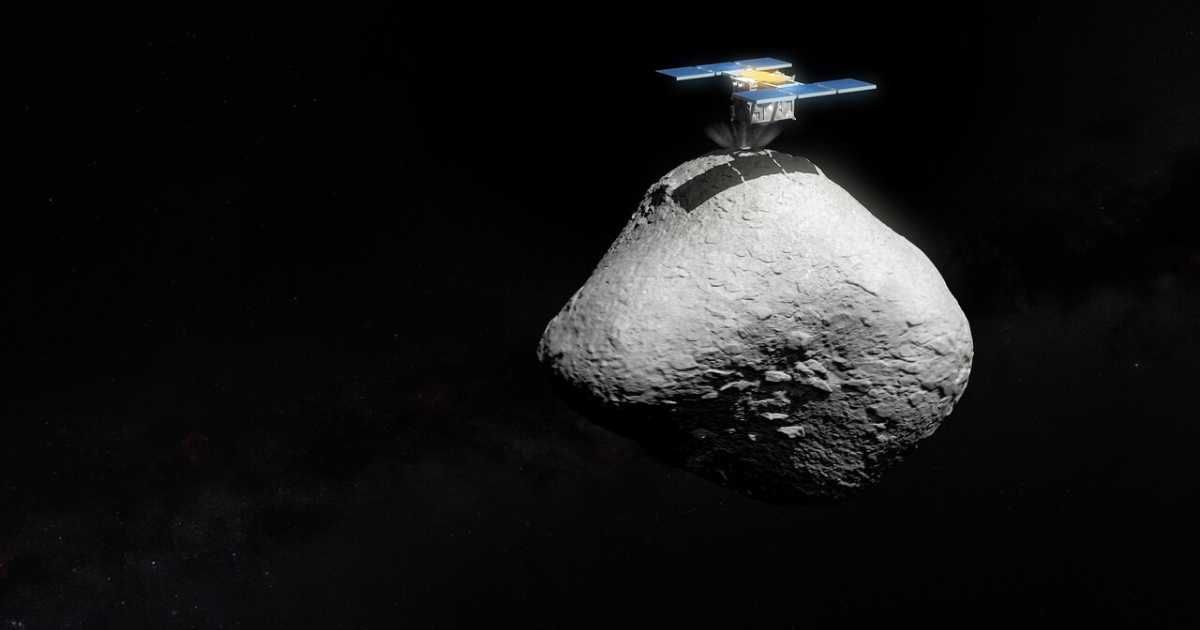
Hayabusa2’s final target is faster and 3 times smaller than expected—is touchdown still possible?
Critical data from global observatories like the European Southern Observatory's (ESO) Very Large Telescope has unveiled new challenges for the 2031 rendezvous.
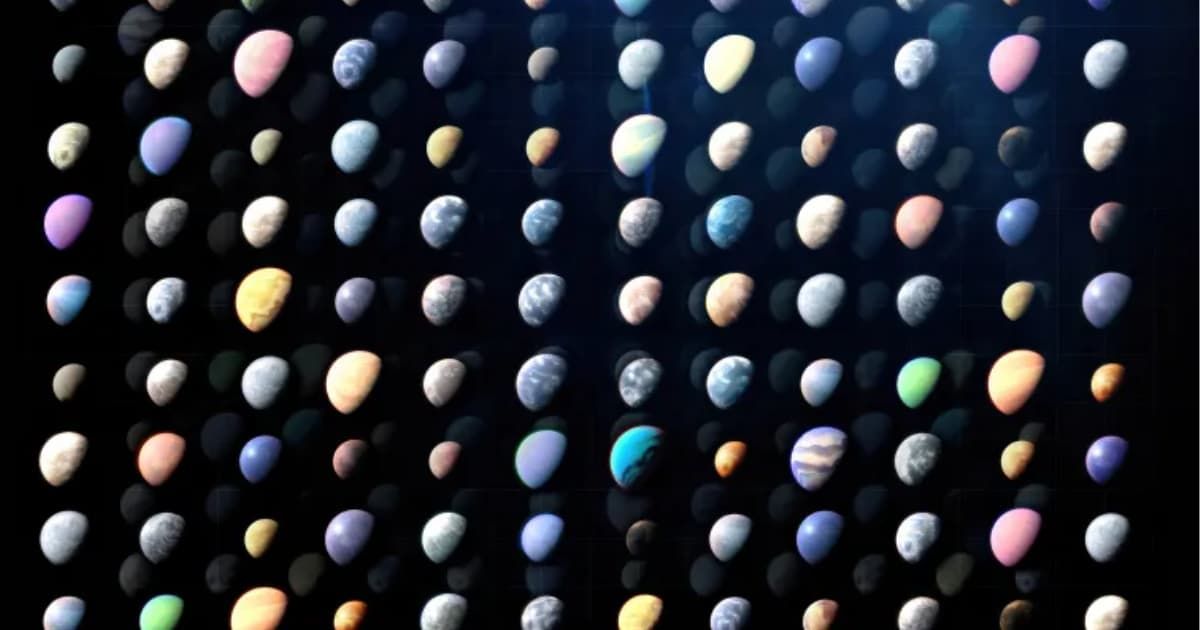
NASA just confirmed 6,000 alien worlds—and 8,000 more waiting to be verified
This achievement is a significant step in humanity's quest to answer one of the most fundamental questions: "Are we alone?"
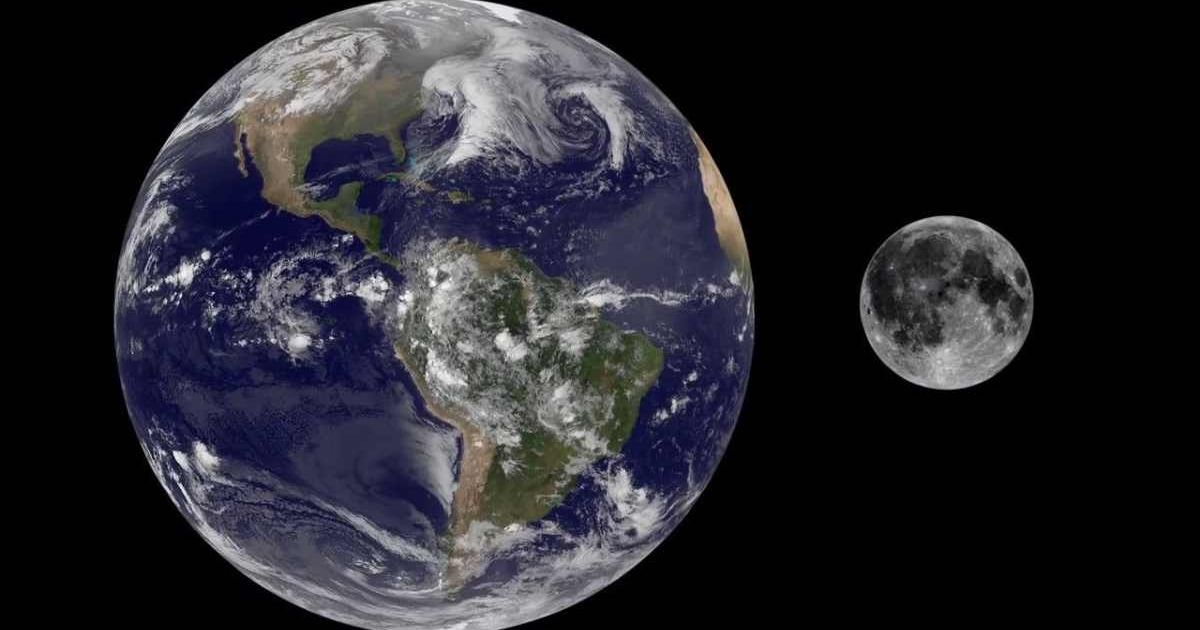
How fast is the Moon moving away from Earth each year?
The Moon is slowly drifting away from Earth, a continuous process driven primarily by the gravitational tug-of-war between our planet's oceans and its lone natural satellite.
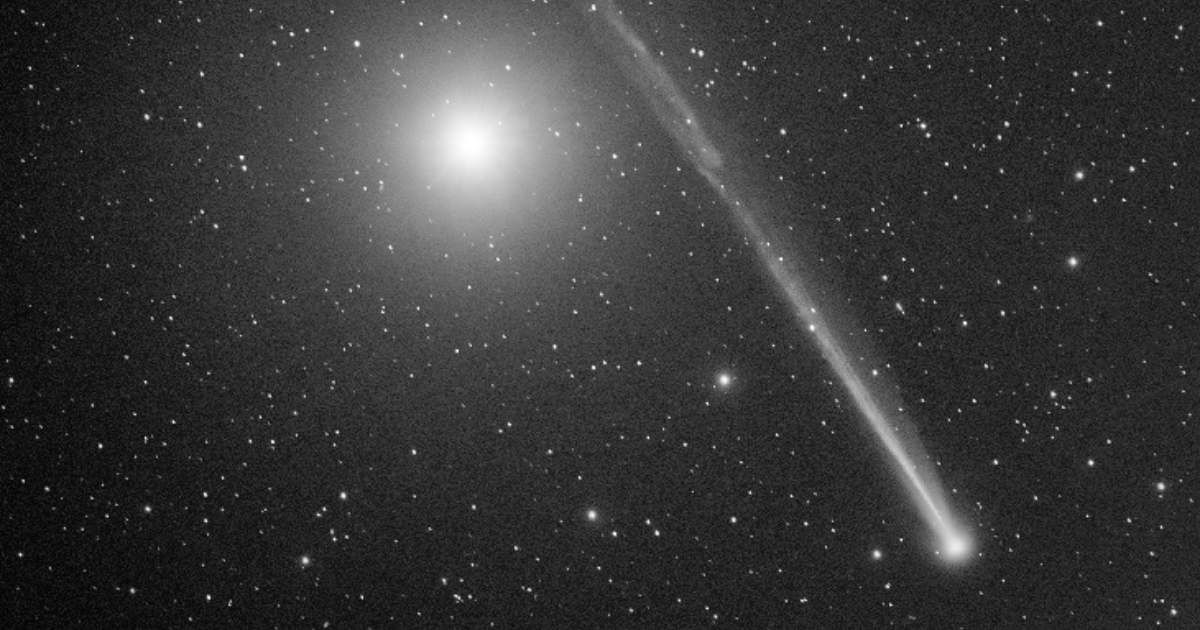
Solar wind is causing 'major disturbance' to comet SWAN (C/2025 R2) gliding through space
New observations from an astronomer reveal a highly reactive comet tail, which showed remarkable changes in just ten minutes.
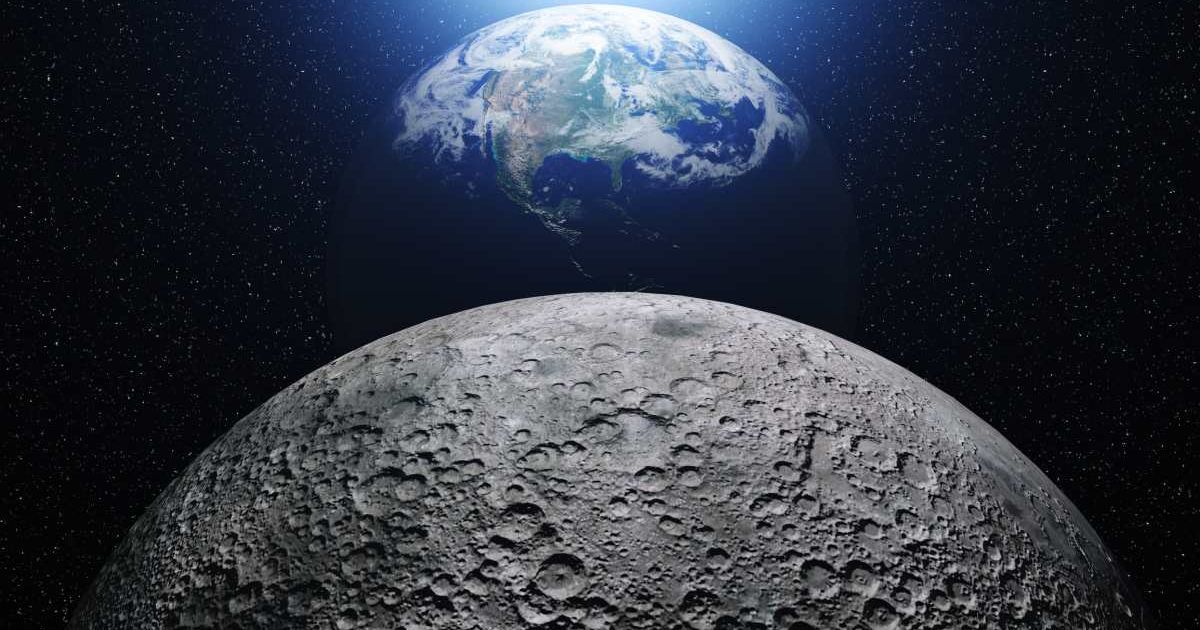
What would happen if Earth became tidally locked to the Moon?
Gravity is the force behind tidal locking, but the Moon's unique case is rooted in a cataclysmic event.
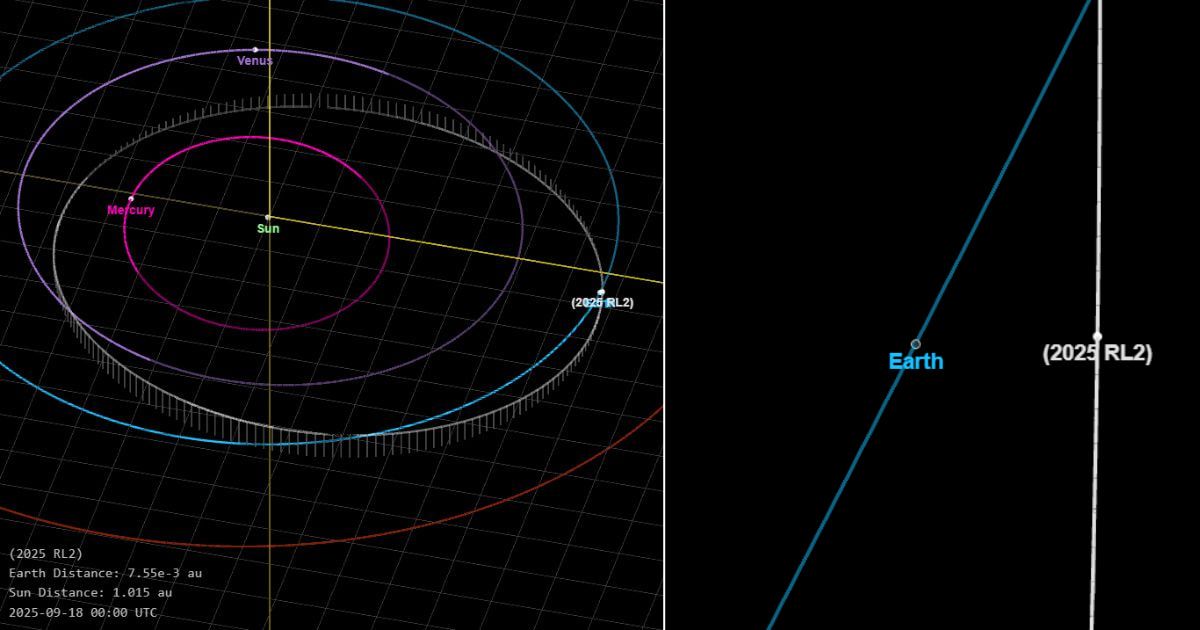
Giant asteroid 2025 RL2 to make closest approach to Earth this week—when and how to watch
The asteroid will zoom past our planet at a distance of just 134,566 miles (about 216,563 kilometers).
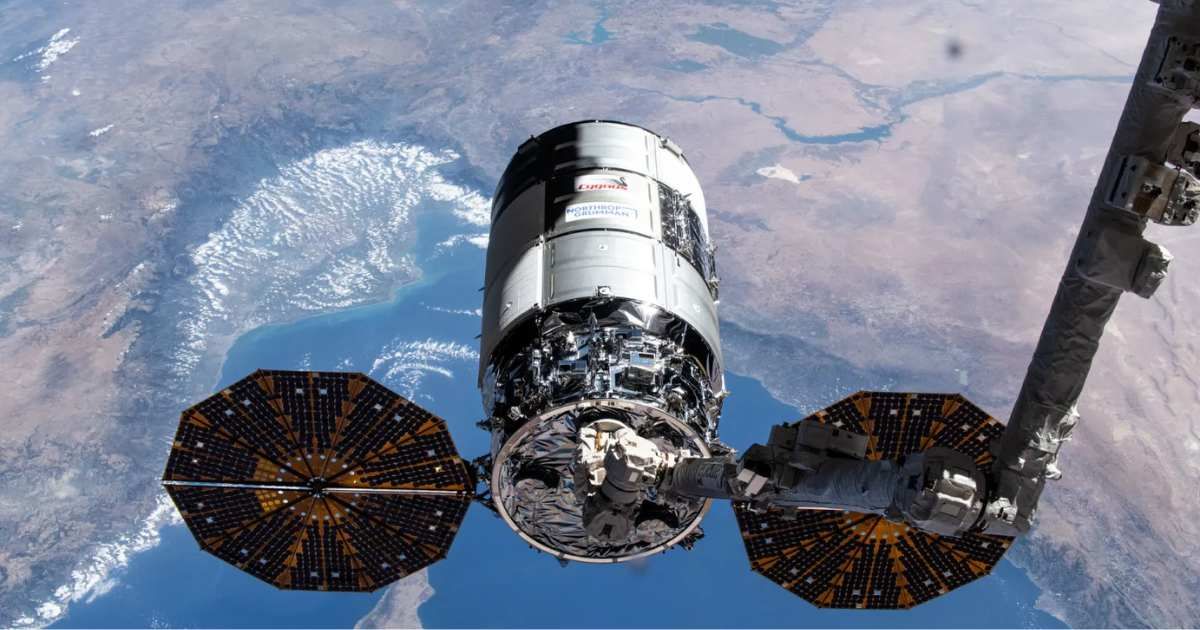
Why NASA was forced to postpone planned docking of private spacecraft Cygnus XL with ISS
The Northrop Grumman CRS-23 mission, a cargo flight launched on September 14 on a SpaceX Falcon 9 rocket, was scheduled for September 17 arrival at ISS.