What will happen when the solar activity declines in the descending phase of Solar Cycle 25?
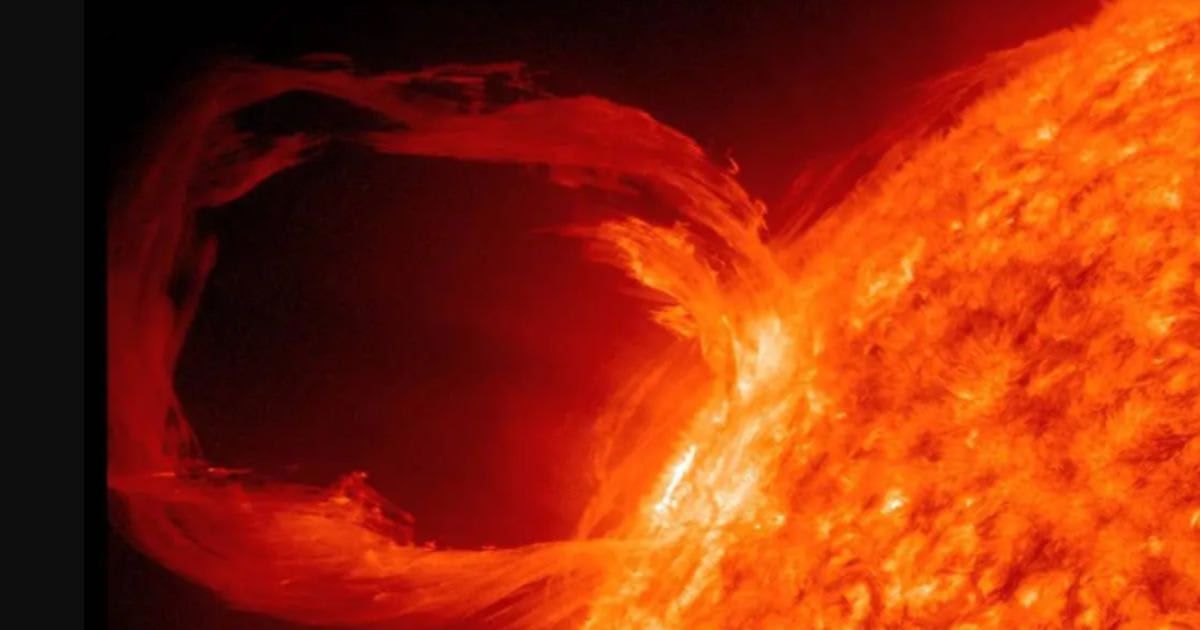
The ongoing Solar Cycle 25 began in 2019 with a quieter Sun and is predicted to end around 2030. A solar cycle is roughly an 11-year period of the Sun's magnetic activity, from quiet (minimum) to stormy (maximum) and back. Every 11 years, the Sun's magnetic field completely flips. This means that the Sun's north and south poles switch places. Then it takes about another 11 years for the Sun’s north and south poles to flip back again.
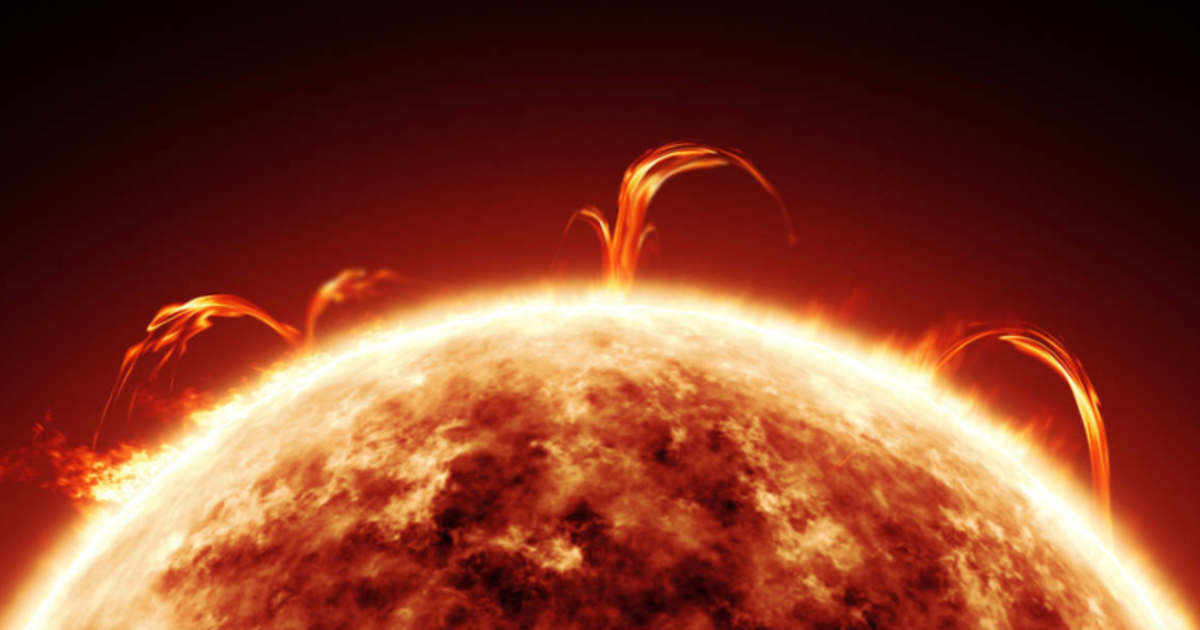
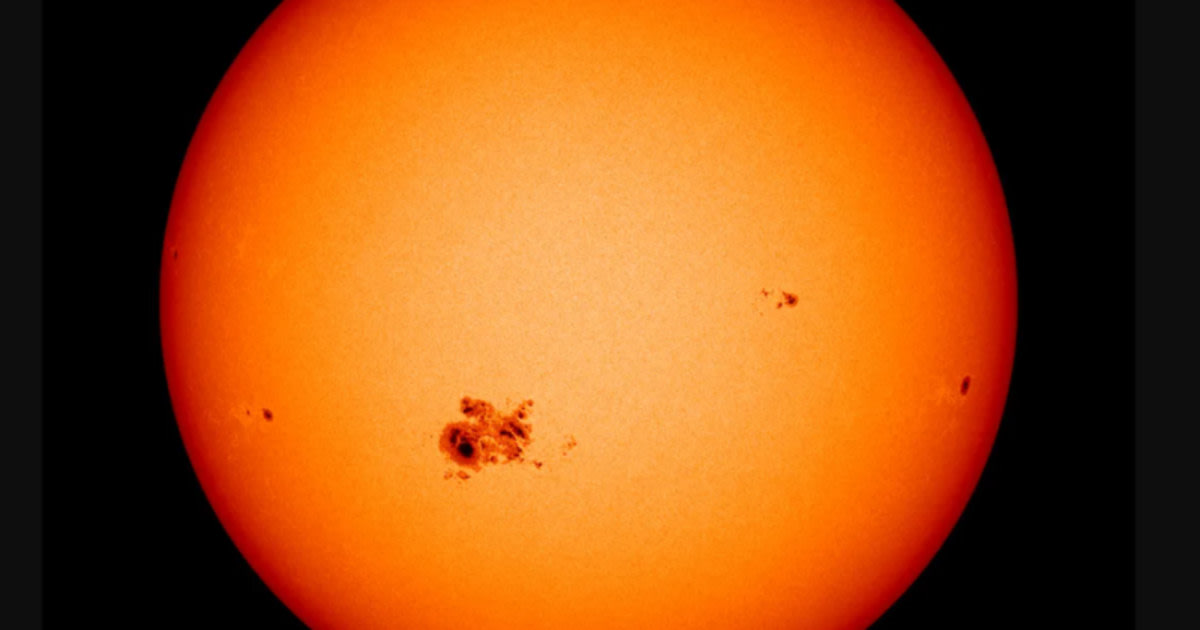
One way to track the solar cycle is by counting the number of sunspots, which are dark, cooler patches on the Sun’s surface. Such cycles have been tracked by astronomers since Galileo first observed sunspots in the 1600s. The beginning of a solar cycle is a solar minimum when the Sun has the fewest sunspots. Over time, solar activity—and the number of sunspots—increases and gradually peaks during solar maximum. “During solar maximum, the number of sunspots, and therefore, the amount of solar activity, increases,” said Jamie Favors, director, Space Weather Program at NASA Headquarters in Washington. “This increase in activity provides an exciting opportunity to learn about our closest star — but also causes real effects at Earth and throughout our solar system.”
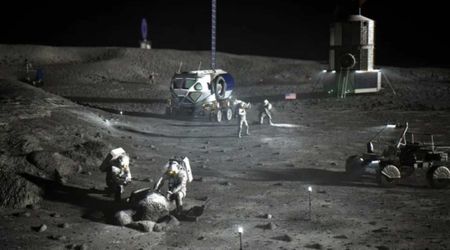
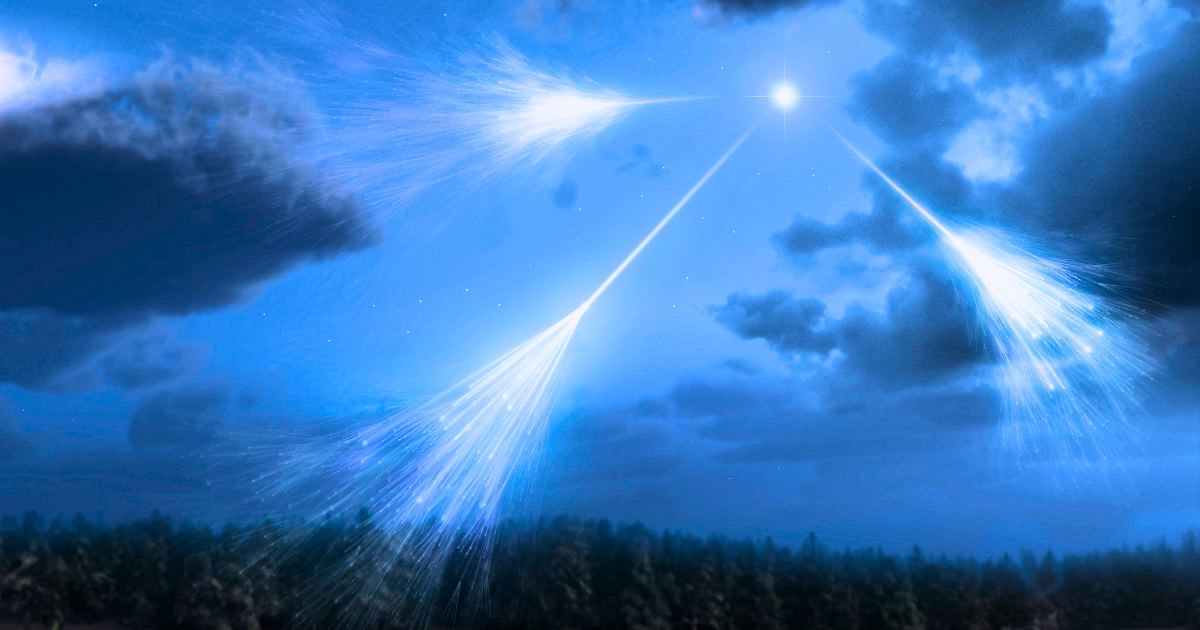
Solar cycle directly controls the flow of galactic cosmic rays (GCRs) into the solar system, with fewer GCRs reaching Earth during solar maximum (high sunspots). The Sun's expanded magnetic field acts as a barrier and deflects the cosmic rays away. The condition reverses during solar minimum, allowing more cosmic rays to penetrate the inner solar system and even bombard Earth. This solar modulation significantly impacts space missions, as higher GCRs during solar minimum pose severe radiation risks to astronauts and can even damage spacecraft electronics, necessitating advanced shielding and mission planning.
However, as Favors noted, during the solar maximum, the Sun releases massive bursts of energy, light, and solar radiation that create conditions known as space weather that also affect astronauts and satellites in space and disrupt radio, GPS, and power grids here on Earth, in addition to producing auroras. The ongoing Solar Cycle 25 appeared to have reached its maximum in October 2024, with a smoothed sunspot number peak of 160.9, according to the Solar Terrestrial Activity Report. This suggests that the cycle is already in its declining phase.

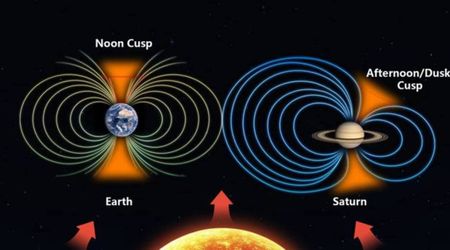
In the descending phase of Solar Cycle 25, solar activity will gradually decrease, but the risk of severe space weather events and intense geomagnetic storms remains significant. The most visible sign will be the gradual drop in the number of sunspots and active regions on the Sun's surface, eventually leading to the next solar minimum around 2030. A defining feature of the descending phase is the re-emergence of large, stable coronal holes. These holes spew fast solar wind streams that can also disrupt communication and navigation systems and produce auroras.
More on Starlust
NASA's PUNCH mission captures groundbreaking new views of the Sun