What makes NASA's Artemis II so special after 1972's Apollo 17
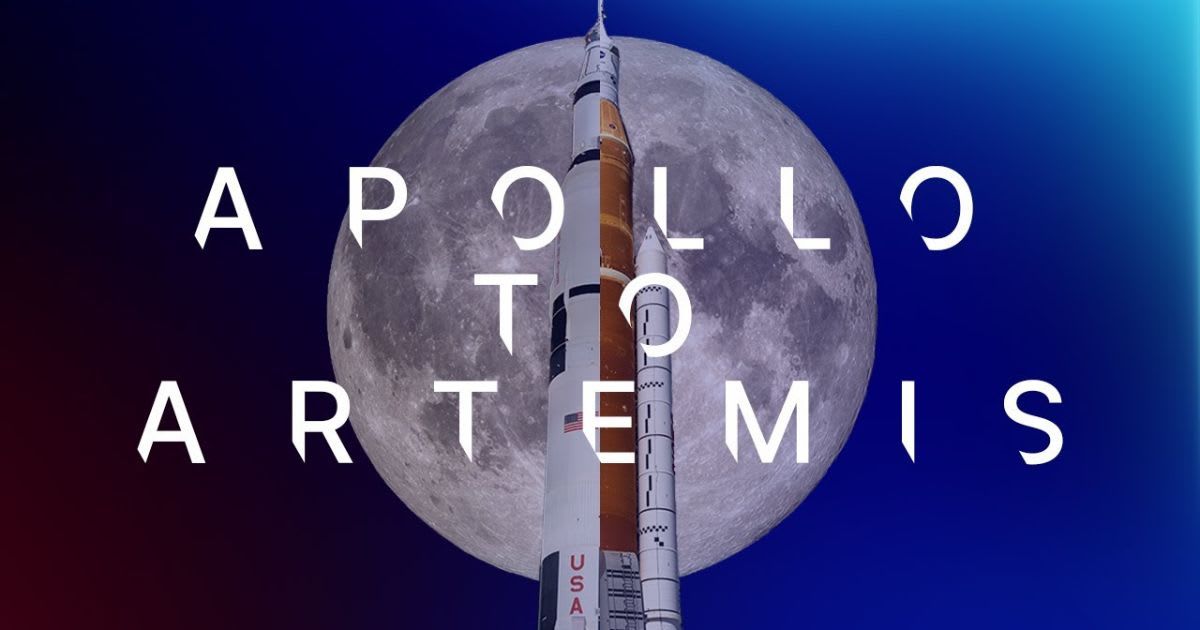
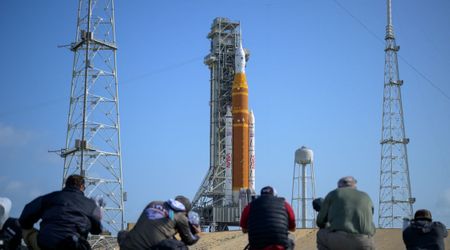
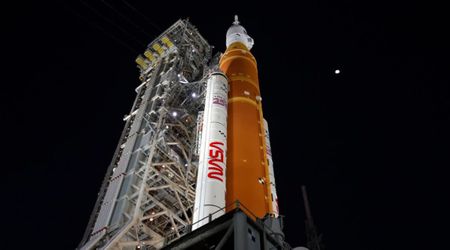
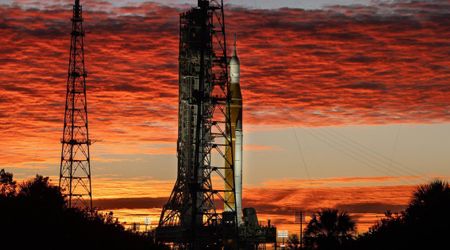
On April 1, NASA will launch the SLS rocket and the Orion capsule with a crew of four, sending humanity to the vicinity of the Moon in over 50 years. While Artemis II is all set to be the first crewed mission beyond low-Earth orbit (LEO) since 1972’s Apollo 17, it is definitely not a repeat of the yesteryear lunar program. On the surface, both programs feel similar; after all, Artemis is Apollo’s twin sister in Greek mythology. But Artemis II and the crewed lunar missions that will follow aim to build on their predecessors' achievements and push NASA into a new territory in lunar exploration and spaceflight.
A "hybrid" Moon mission profile
Artemis II has a rather unique mission profile, and the closest comparison would arguably be calling it a mix of Apollo 7 and Apollo 8. Like Apollo 7, it’s the first crewed flight of its program. However, it will travel well past LEO, like Apollo 8 did when it orbited the Moon. But another key distinction here is that Artemis II will follow a free-return trajectory without entering lunar orbit. The spacecraft will slingshot itself back to Earth using the Moon’s gravity.
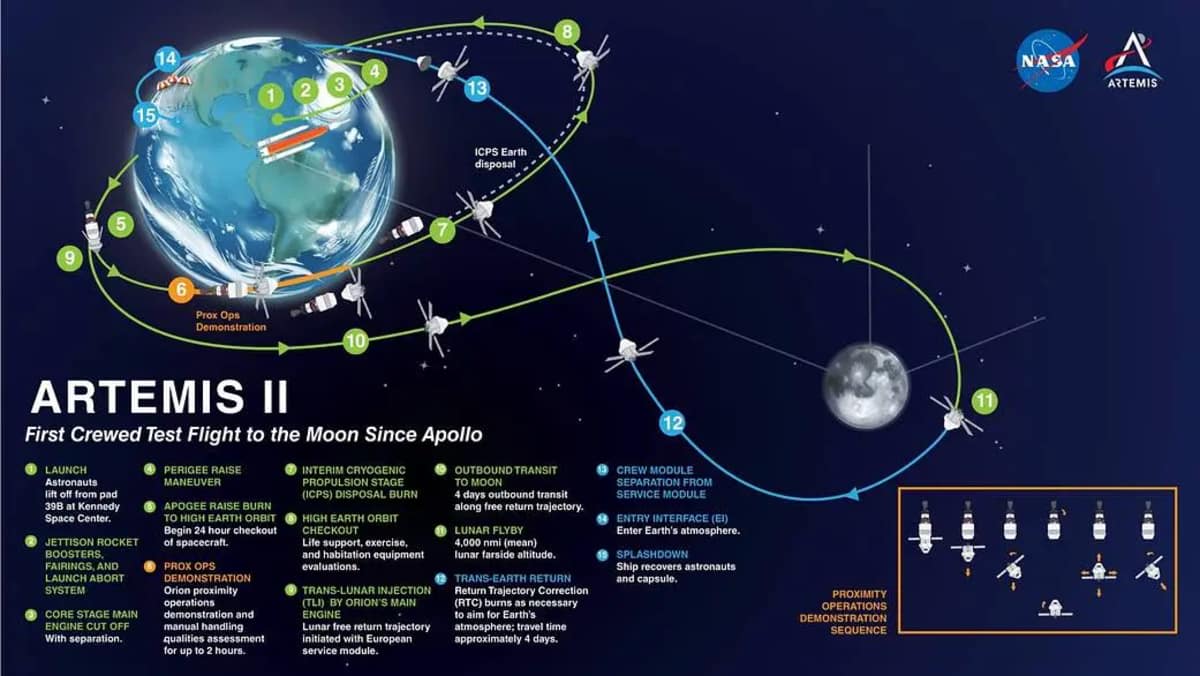
Artemis II also includes proximity operations using the SLS upper stage, something Apollo missions 9 and 10 did using lunar modules. Even the first Artemis mission had a distinct profile as an uncrewed test of a command module in orbit around the Moon—something that was missing in the Apollo program. Instead, uncrewed missions like Apollo 4 and 6 were able to test the spacecraft but only in Earth orbit.
Artemis II pushes Apollo's boundaries
The current record for the farthest distance traveled by humans—248,655 miles—was unintentionally set by Apollo 13 during its emergency return. Artemis II will aim to break this record if it archives the right launch timing and trajectory. This means that, unlike the Apollo missions (which flew in low lunar orbit), Artemis II will pass the Moon at a higher altitude for better vantage points. As a result, the crew members will have wider views of the far side of the Moon, giving them a chance to see lunar regions never seen directly by human eyes.
Our Artemis II crew will be going around the Moon, but they'll always find their way back home 🌎
— NASA Artemis (@NASAArtemis) March 25, 2026
During this complex journey, the four astronauts will travel ~685,000 miles on a trajectory around the Moon and back to Earth.
See their daily agenda: https://t.co/172PVtri2Z pic.twitter.com/zsK5i6pirj
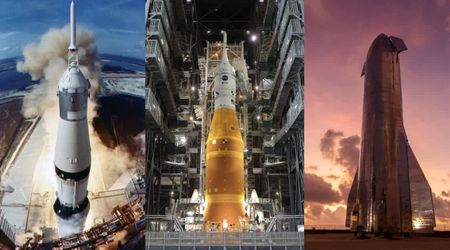
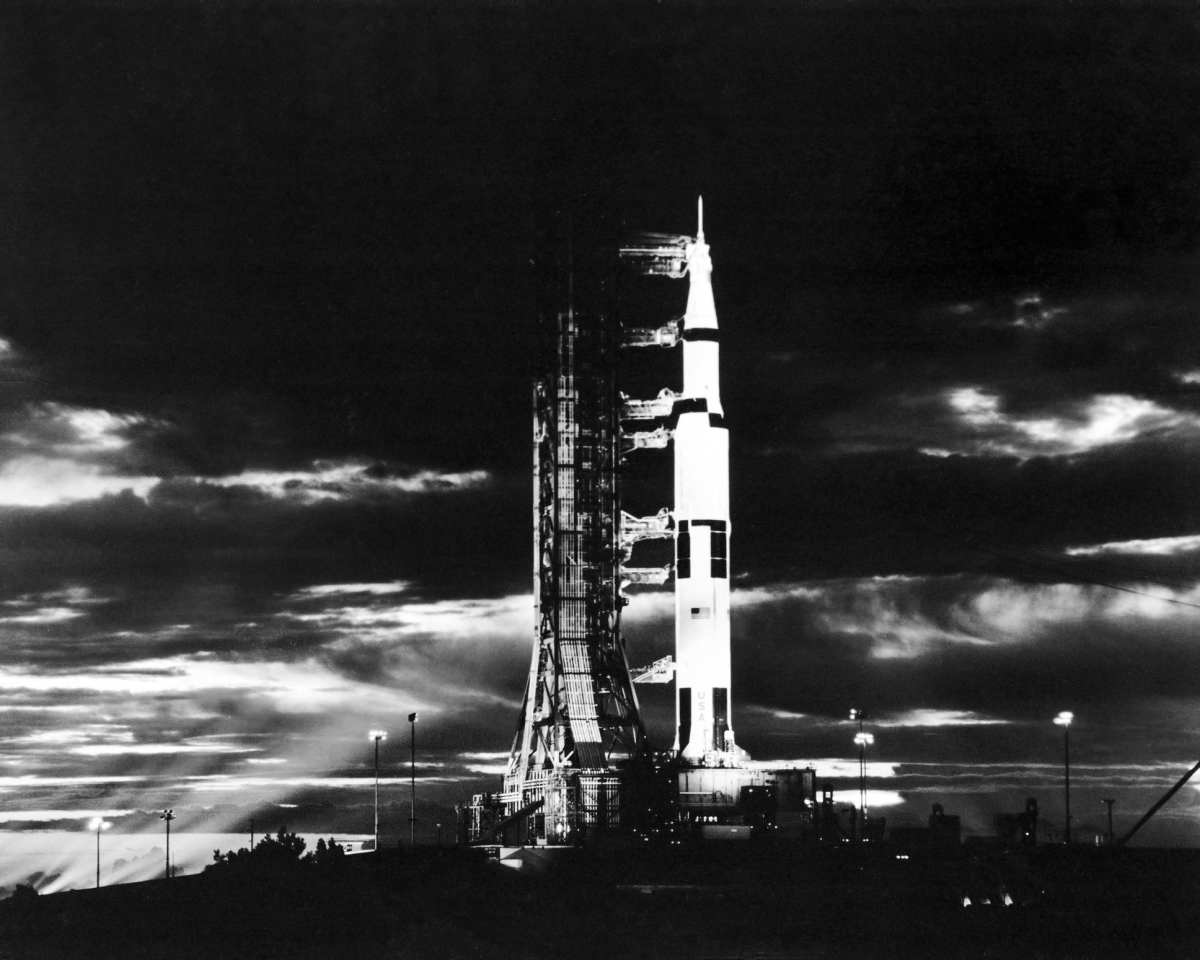
Despite a half-century gap, Artemis hardware still resembles Apollo, i.e., a huge rocket launching a cone-shaped crew capsule that visits the Moon and re-enters the Earth’s atmosphere, splashing down into an ocean. But the technological differences start to appear soon on a closer look, and they are substantial too. The Artemis SLS rocket produces 15% more thrust than the Apollo-era Saturn V during launch. Moreover, the much larger Orion capsule can carry four astronauts, as opposed to Apollo's three, and comes with a proper toilet and even an exercise machine among other things.
Cultural and geopolitical shifts
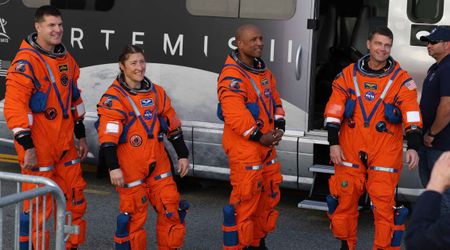
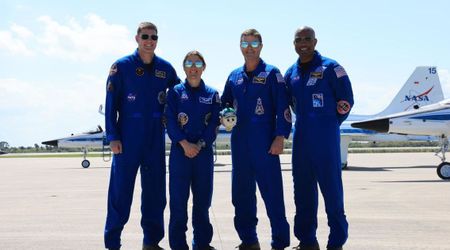
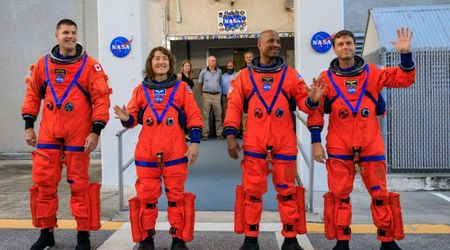
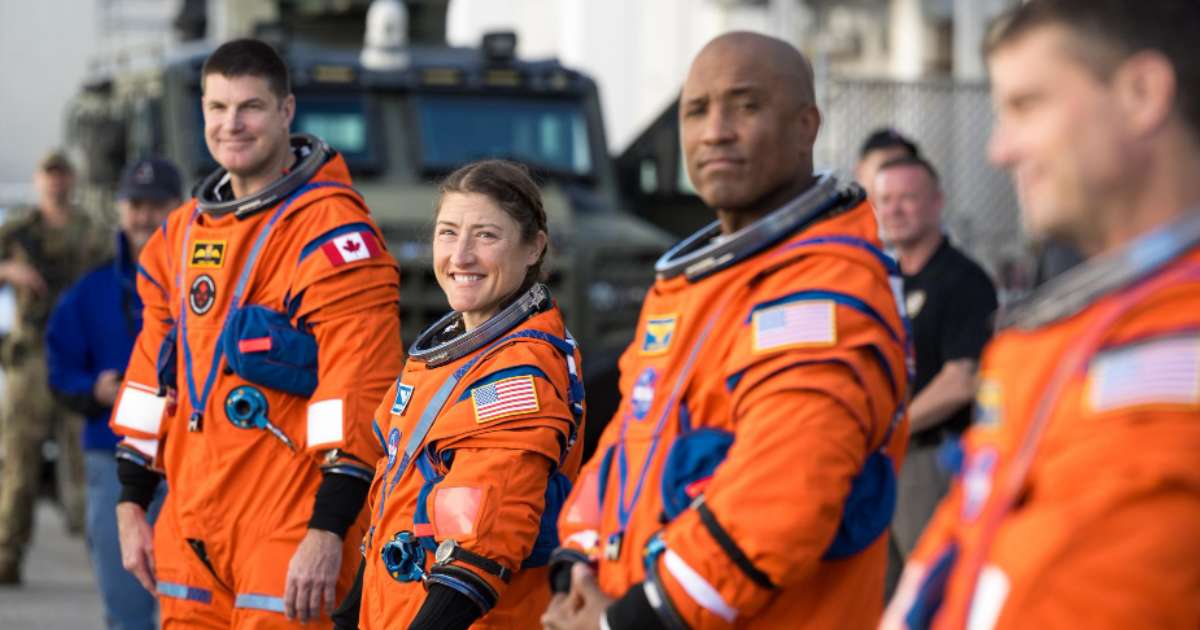
The Artemis vs. Apollo difference could have more to do with the Earth than the Moon. Artemis II’s crew will create history on multiple fronts when it launches, as it’s the first Moon mission to feature a woman (Christina Koch), a person of color (Victor Glover), and a non-American astronaut (Jeremy Hansen, Canadian Space Agency). During Apollo 11, JoAnn Morgan was the only woman in the launch control room. Now, launch control is female-led, thanks to Launch Director Charlie Blackwell-Thompson. "It will be even greater when they actually have a woman who plants her boots on the Moon," said retired engineer Morgan, speaking to PBS News.
But there is still some Apollo-era geopolitical déjà vu. The Cold War U.S.–Soviet space race has metamorphosed into an ongoing contest between the U.S. and China, which aims to put humans on the Moon by 2030. This time, NASA's goals are different too, as it’s not just about sending people to the Moon but also about building a Moon Base and staying there.
More on Starlust
Meet ‘Rise,’ Artemis II’s zero-gravity indicator inspired by an iconic Apollo moment
How is Artemis II SLS rocket different from Apollo era's Saturn V and SpaceX's Starship?