What is the Moon phase on February 26? Timings, illumination, and viewing tips
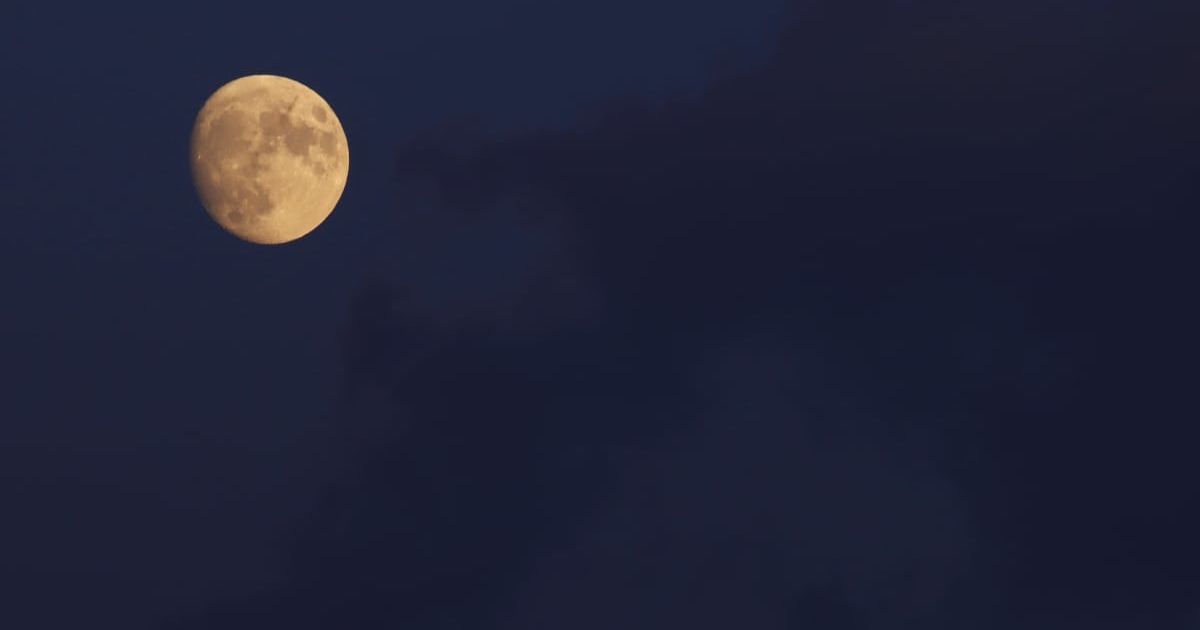
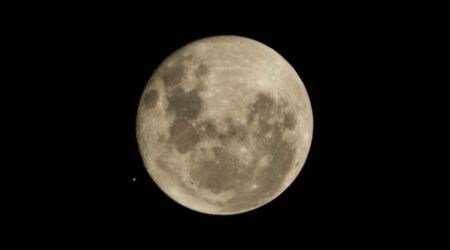
Today, on February 26, viewers worldwide will observe the Moon still in its waxing gibbous phase. Following yesterday’s inaugural waxing gibbous, trailing the first quarter phase that adorned the sky on February 24, we will see a bigger and brighter Moon in the sky that will be bringing its own set of treats for skywatchers. Here is everything that you need to know about tonight's Moon phase.
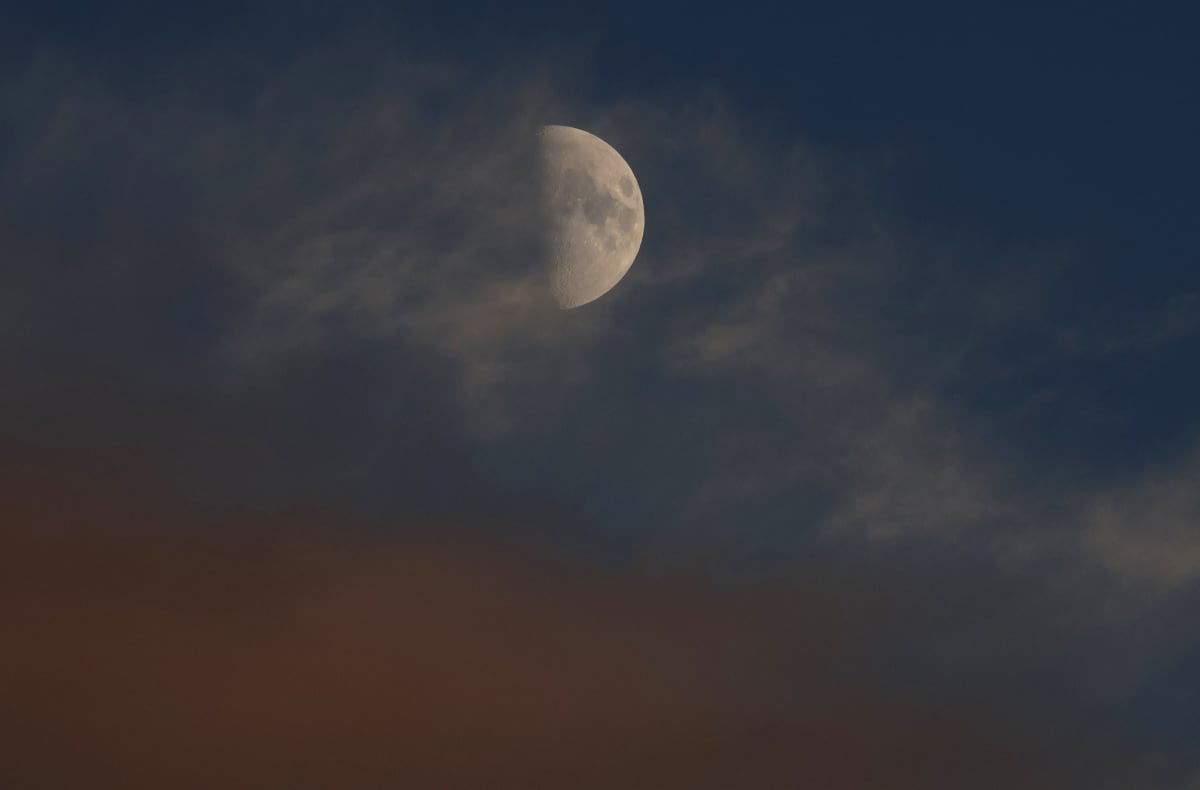
The waxing gibbous phase continues
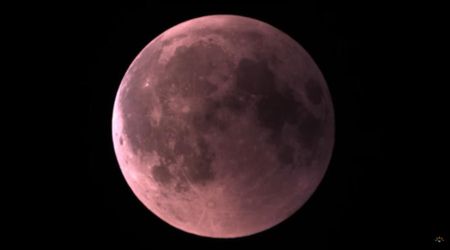
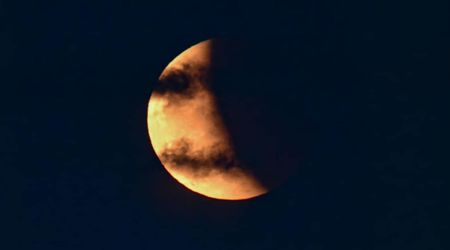
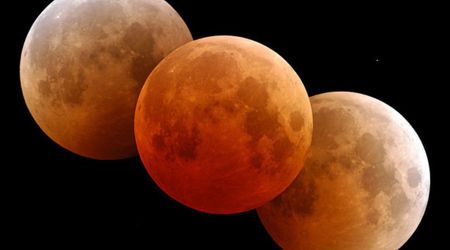
The waxing gibbous phase builds anticipation for the full Moon, with the lit part of its face slowly growing from 50.1% to 99.9%. As a result, most of the Moon's dayside is within view. During this phase, the Moon usually rises in the afternoon and sets before sunrise, staying up throughout the night. The full Moon following this phase is scheduled to grace our skies on March 3, 2026. In fact, parts of America, Asia, and Australia will experience a total lunar eclipse on the day, with the Moon taking on a reddish hue.
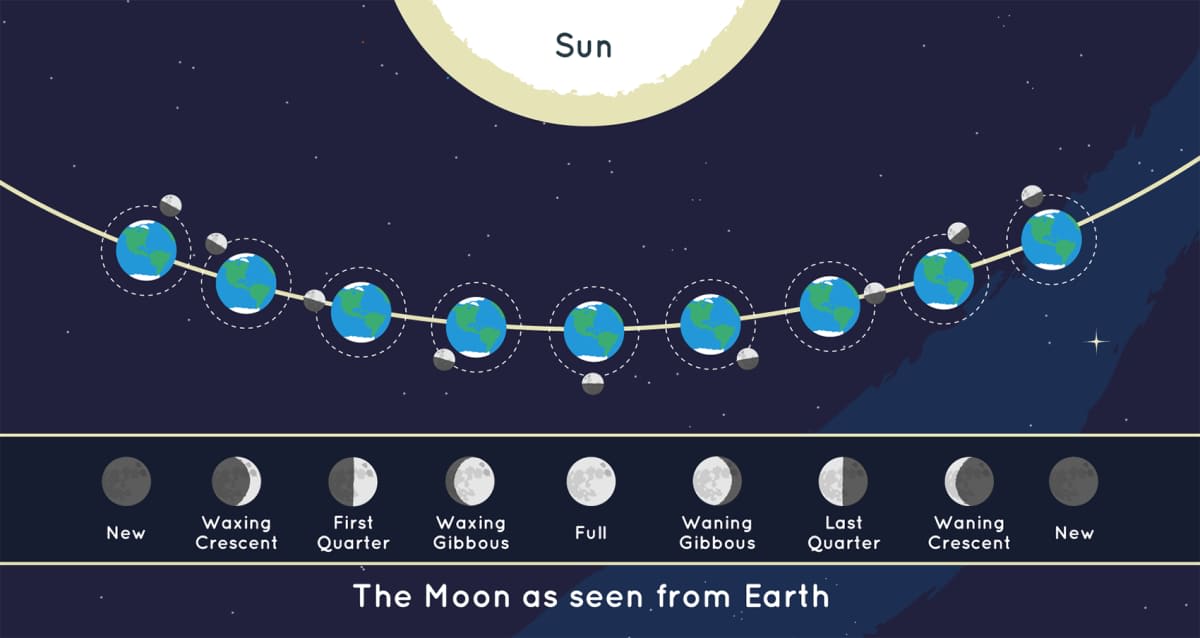
Illumination and distance
Today, the Moon is in the ninth day of its 29.5-day lunar cycle, with its visible side illumination increasing to 70% from 59% yesterday, according to NASA's Daily Moon Guide. It is currently located about 230,281 miles (370,601 kilometers) from Earth and has an angular diameter of 1933.9 arcseconds. For the uninitiated, the Moon's distance from Earth varies due to its oval-shaped orbit, with its average distance from Earth being approximately 238,855 miles (384,400 kilometers).
Jupiter and the gibbous Moon for skywatchers tonight
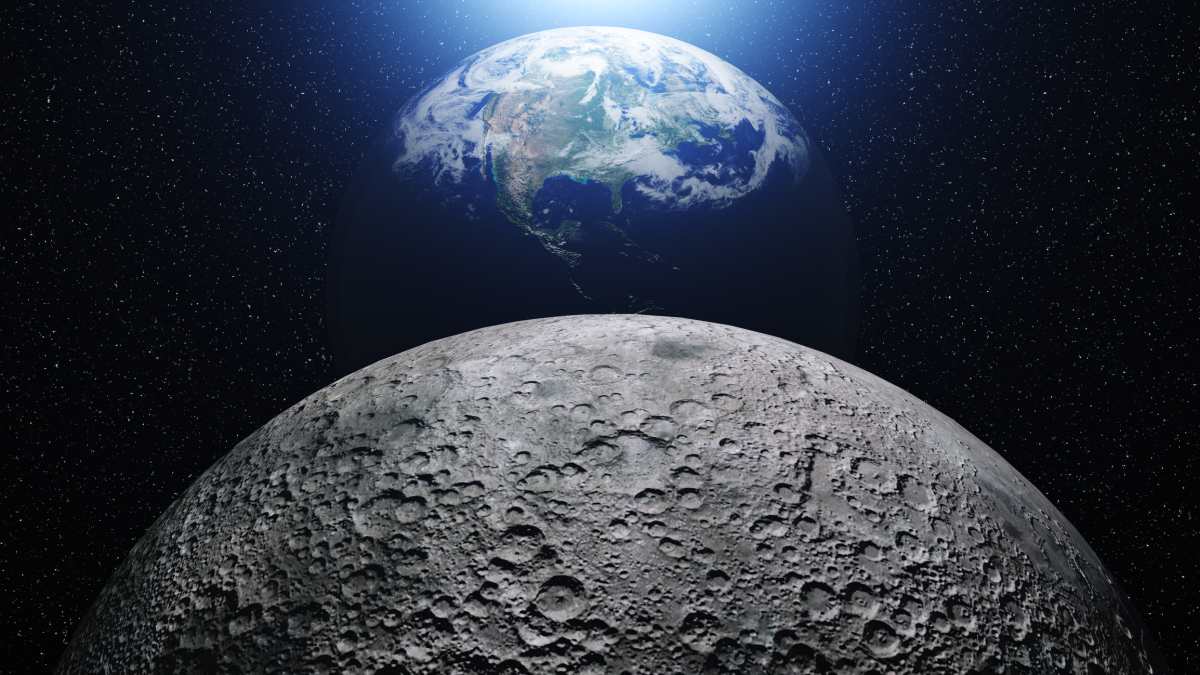
Tonight, with the naked eye, skywatchers will be able to observe a stunning view of the largest planet in our solar system, Jupiter, glowing brightly like a silvery star in the sky just below the luminous gibbous Moon, according to Space.com. The two celestial bodies will be separated by only about 6 degrees. Binoculars and a telescope will enhance your viewing experience. As for the Moon's surface features, you will be able to see more details due to the increased illumination. You can look out for the craters Copernicus and Tycho, with Mare Fecunditatis also being visible without any optical aid. Through binoculars, you can easily view the Apennine Mountains along with the Alphonsus crater. The landing sites of Apollo 14, 16, and 11, meanwhile, will be clearly observable through a telescope.

Moonrise and moonset timings
Moonrise and moonse timings vary depending on the location of viewing. The timings for some cities, according to TimeandDate, are as follows:
1. New York - Moonrise at 12:14 pm local time and moonset at 04:22 am (Feb 27)
2. Los Angeles - Moonrise at 12:45 pm local time and moonset at 04:01 am (Feb 27)
3. Shanghai - Moonrise at 12:11 pm local time and moonset at 03:18 am (Feb 27)
4. Beijing - Moonrise at 12:00 pm local time and moonset at 04:10 am (Feb 27)
5. London - Moonrise at 11:02 am local time and moonset at 05:13 am (Feb 27)
6. Birmingham - Moonrise at 11:02 am local time and moonset at 05:28 am (Feb 27)
7. Sydney - Moonrise at 3:56 pm local time and moonset at 01:29 am (Feb 27)
More on Starlust
Rare planetary parade on February 28 as six planets gather in the evening sky
March 3 'Blood Moon' is your last chance to see a total lunar eclipse until 2028