‘We are ready': NASA mission managers confident ahead of April 1 launch
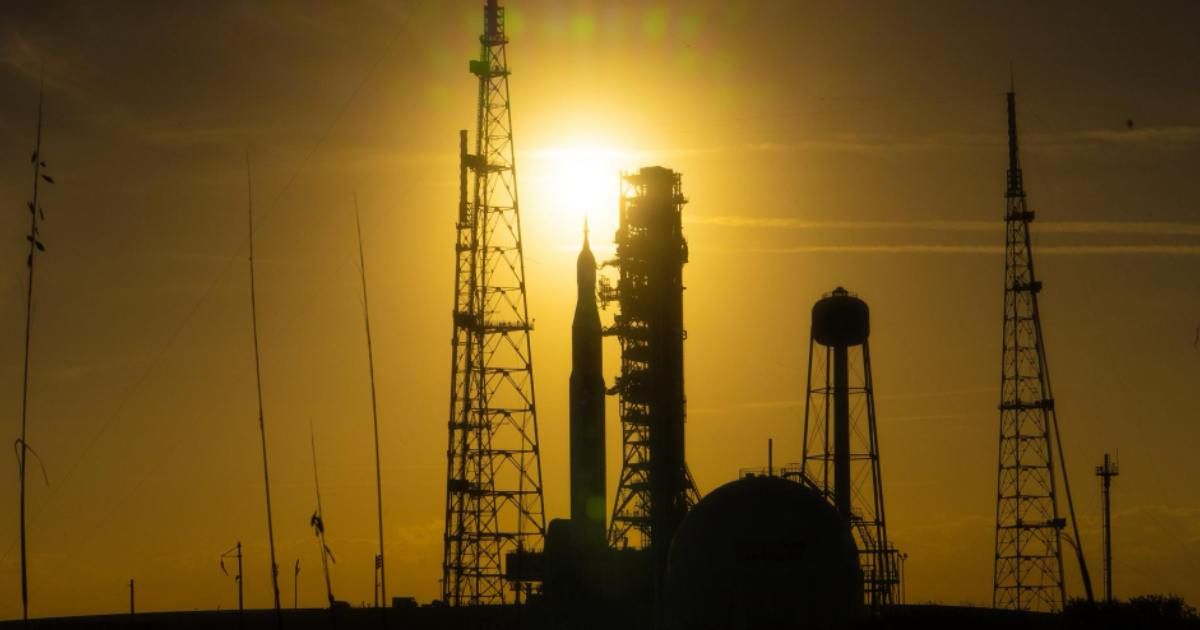
With just 3 days left before the launch of Artemis II, mission managers held a news conference to share updates on the various aspects of the SLS launch vehicle and preparations on the ground. This comes just a day ahead of the commencement of the countdown to liftoff, which will also include tanking on the morning of launch. Dr. Lori Glaze, Acting Associate Administrator for NASA’s Exploration Systems Development Mission Directorate, declared, “We are getting very, very close and we are ready."
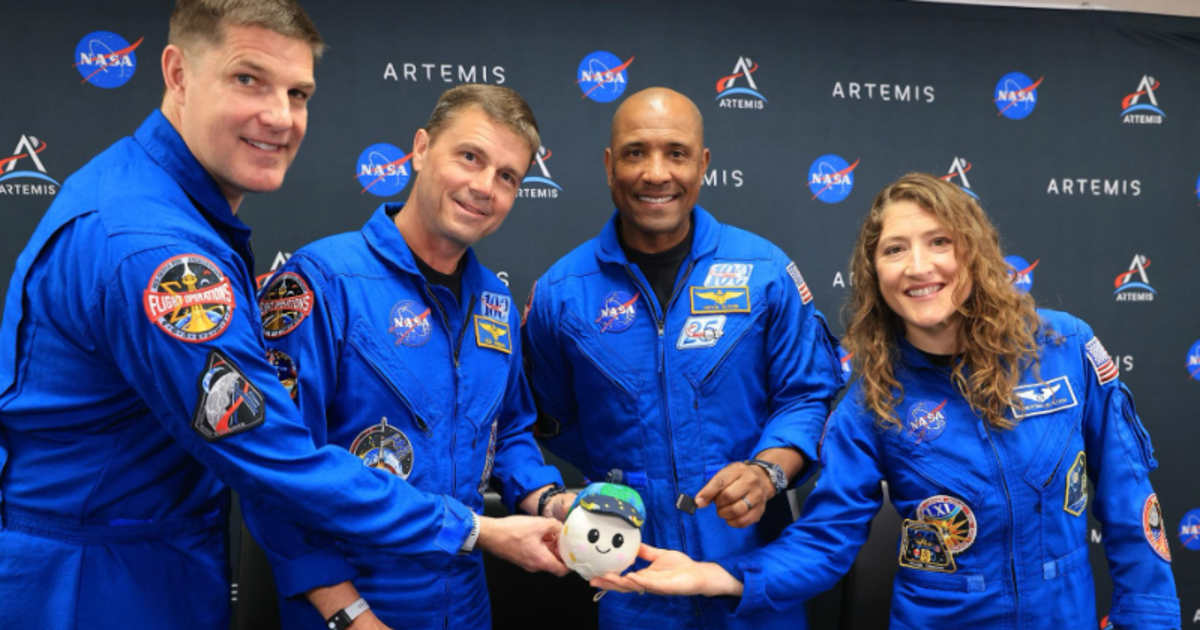
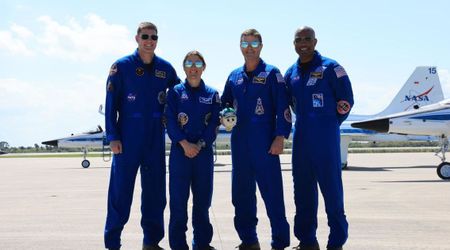
Dr. Glaze also spoke for the flight crew when she addressed the media during the briefing on March 29, 2026, highlighting the readiness of all parties involved. “The crew arrived yesterday, and I know they are ready. They are more than ready." The crew, while in quarantine, had been welcomed by NASA leadership upon their arrival at Kennedy Launch Center in Florida. They will spend what’s left of their time before the mission in reviewing their procedures and spending some time with their families, who have also been following distancing protocols.
Our Artemis II crew will be going around the Moon, but they'll always find their way back home 🌎
— NASA Artemis (@NASAArtemis) March 25, 2026
During this complex journey, the four astronauts will travel ~685,000 miles on a trajectory around the Moon and back to Earth.
See their daily agenda: https://t.co/172PVtri2Z pic.twitter.com/zsK5i6pirj
With eyes set firmly on the weather, Shawn Quinn, program manager of Exploration Ground Systems, set the odds of a successful launch at 80%, which he considered encouraging given the presence of some cumulus clouds at Cape Canaveral forecast for Wednesday afternoon. A pretest briefing was also conducted, which Quinn and Charlie Blackwell-Thompson, Artemis II launch director, agreed had been one of the most flawless in their collective experience. “We had no significant open work, all of our non-conformances were closed, and the team and the ground systems are absolutely ready to get in the launch countdown."
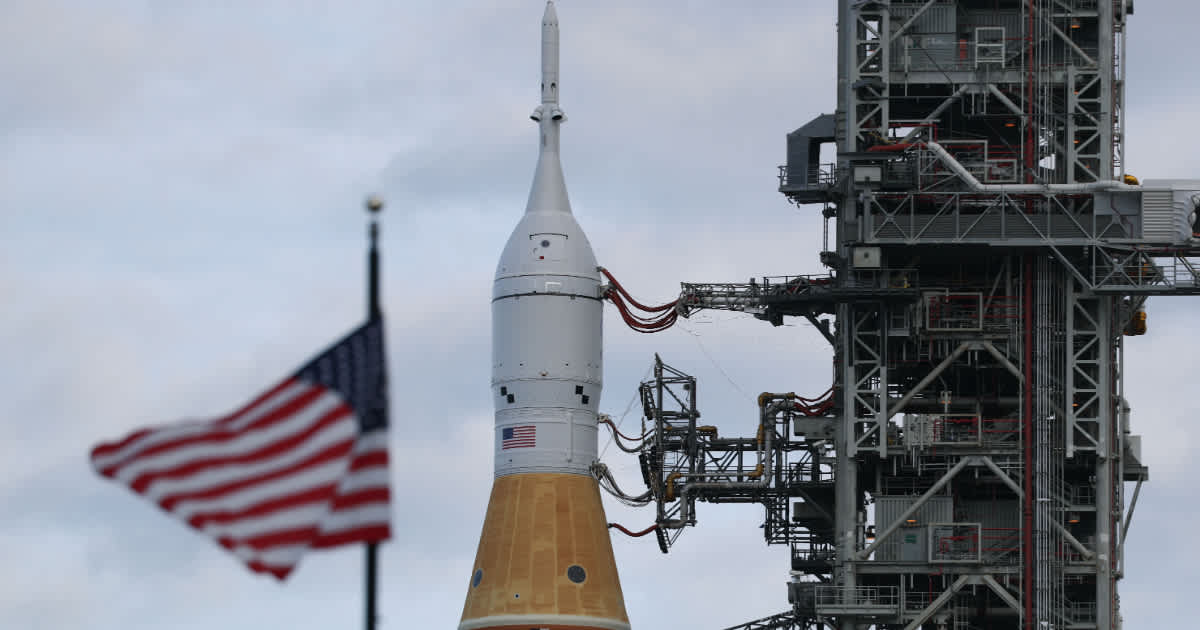
Chris Cianciola, SLS program deputy manager, was also present to share updates on the preparedness of the rocket that will launch four astronauts on a free return trajectory around the Moon and back. While he acknowledged the global significance of the mission, he stressed the task at hand of keeping the 322-foot-tall stack in a state optimal for the launch. He confirmed that all systems aboard the rocket had so far been in synergy with EGS, and that the safety of the humans on board has been of paramount importance during preparations. The readiness of the Orion spacecraft, named Integrity by the flight crew, was discussed by Howard Hu at the event. Hu also discussed the scenarios where the mission could be aborted after Integrity departs for the Moon, having already performed the Translunar Injection burn. He assured that provisions for immediate return were available with the aid of already-simulated burns.
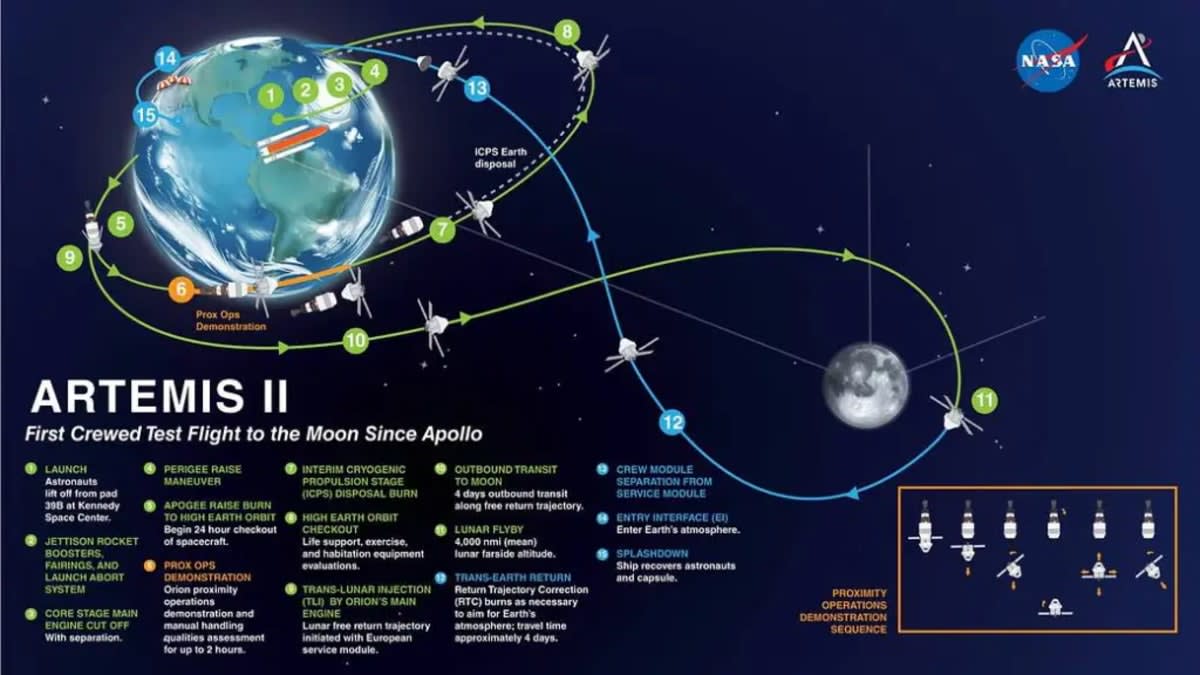
Orion and its capability of keeping the crew alive throughout the 10-day mission, along with a fiery re-entry into the Earth’s atmosphere to return them safely, is the central part of Artemis II’s objectives in NASA’s long-term phased plan of establishing a Moon Base.
More on Starlust
With days to go before Artemis II’s launch, ground teams step up key preparations at launch site
NASA 'pauses' Gateway lunar space station for Artemis, shifts focus to $20 billion moon base