US Space Force makes switch to SpaceX's Falcon 9 for GPS launch due to issue in ULA's Vulcan
With SpaceX having been assigned the final GPS III mission, ULA's Vulcan will launch the USSF-70 mission in the summer of 2028.
PUBLISHED 1 HOUR AGO
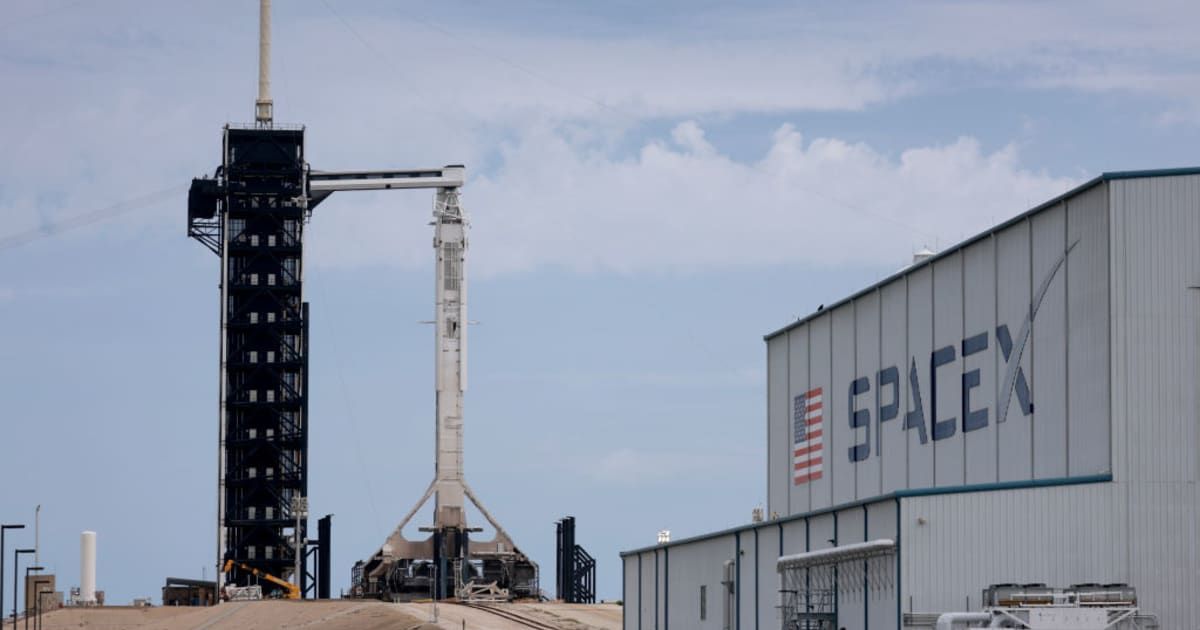
SpaceX's Polaris Dawn Falcon 9 rocket sits on Launch Complex 39A of NASA's Kennedy Space Center as it is prepared for liftoff on September 9, 2024, in Cape Canaveral, Florida. (Representative Cover Image Source: Joe Raedle/Getty Images)

The United States Space Force has determined that a change in launch service providers is necessary for its upcoming National Security Space Launch (NSSL) GPS III-8 mission. This decision comes in the aftermath of ULA (United Launch Alliance) seeing its US national security missions grounded due to anomalies in the solid rocket boosters of the Vulcan Centaur. "The change ensures continued delivery of this critical system through responsive and reliable launch capabilities while the investigation into Vulcan anomaly continues," said the US Space Force in a statement released on Friday.
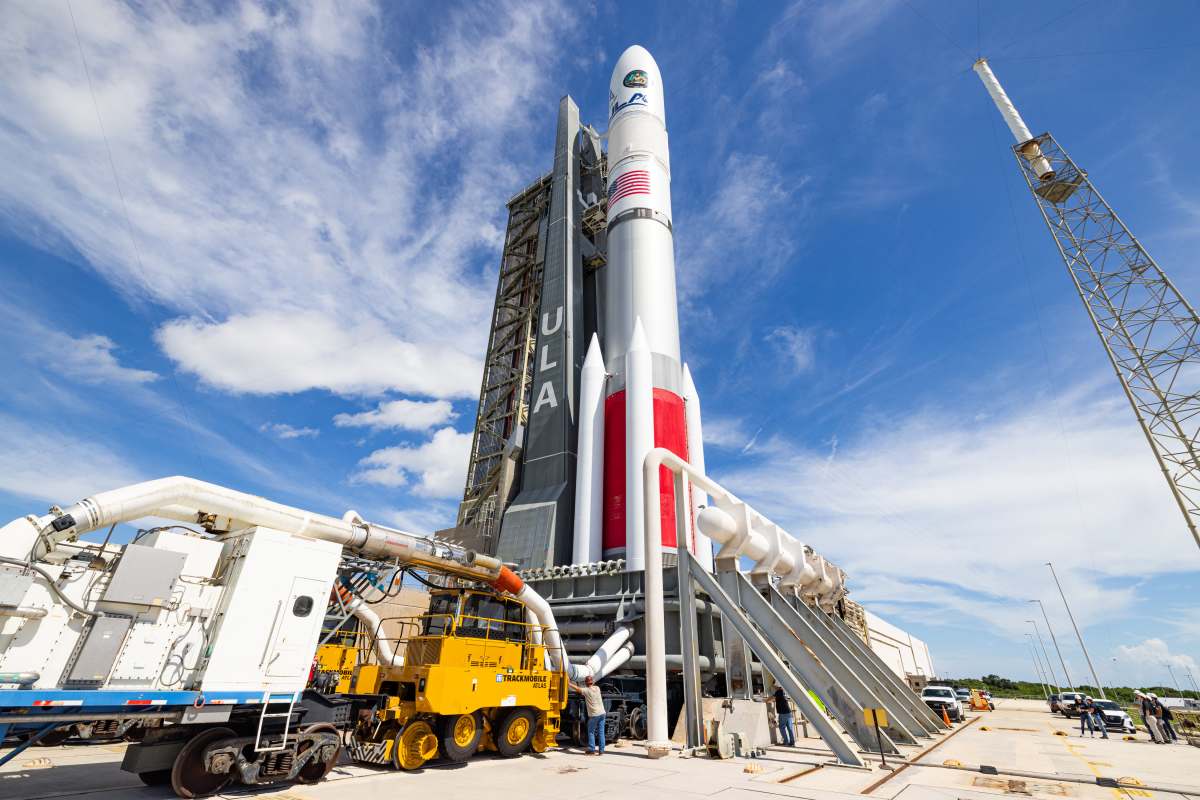
A United Launch Alliance (ULA) Vulcan rocket rolls from the Government Vertical Integration Facility (VIF-G) to the launch pad at Space Launch Complex-41 at Cape Canaveral Space Force Station, Florida (Image Source: Flickr | ULA)
A United Launch Alliance (ULA) Vulcan rocket rolls from the Government Vertical Integration Facility (VIF-G) to the launch pad at Space Launch Complex-41 at Cape Canaveral Space Force Station, Florida. (Representative Image Source: Flickr | ULA)

The GPS III Space Vehicle, SV-10, will now launch on a SpaceX Falcon 9 rocket no earlier than late April 2026 from Space Launch Complex 40 (SLC-40) at Cape Canaveral Space Force Station in Florida. “The Space Access and NSSL teams’ primary mission is to deliver critical capabilities for the warfighter—when and where it’s needed,” said USSF Col. Ryan Hiserote, SYD 80 commander and NSSL system program director. “With this change, we are answering the call for rapid delivery of advanced GPS capability while the Vulcan anomaly investigation continues. We are once again demonstrating our team’s flexibility and are fully committed to leveraging all options available for responsive and reliable launch for the Nation.”
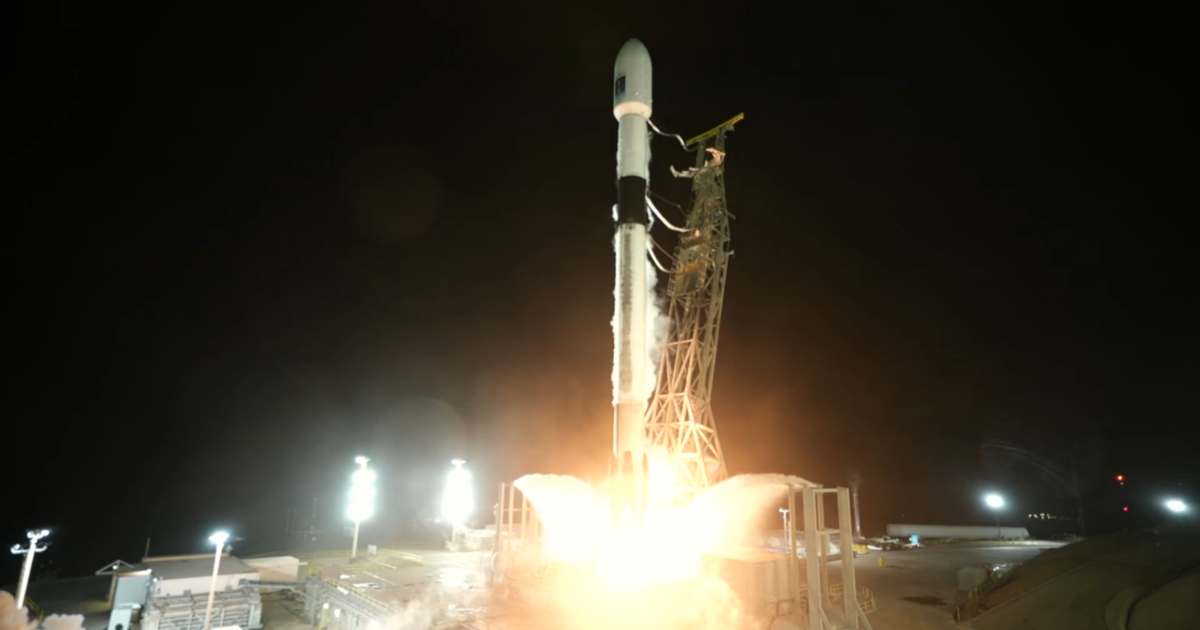
An image of SpaceX Falcon 9 rocket carrying the international Sentinel-6B spacecraft lifts off from Space Launch Complex 4 East at Vandenberg Space Force Base in California on Nov. 16, 2025. (Image Source: NASA | ESA | EUMETSAT | NOAA)
An image of SpaceX Falcon 9 rocket carrying the international Sentinel-6B spacecraft lifts off from Space Launch Complex 4 East at Vandenberg Space Force Base in California on Nov. 16, 2025. (Representative Image Source: NASA | ESA | EUMETSAT | NOAA)

With this being the last of the GPS III missions, ULA's Vulcan will launch the USSF-70 mission, which is scheduled for no earlier than the summer of 2028. The successor to ULA's Atlas V rocket, the Vulcan Centaur, has flown a total of 4 times, with solid rocket booster issues cropping up on two of those occasions. The first time was in October 2024, while the second time was during the USSF-87 mission last month, with the US Space Force deciding to pause all national security flights aboard the Vulcan even though the rocket managed to complete its mission on both of the occasions.
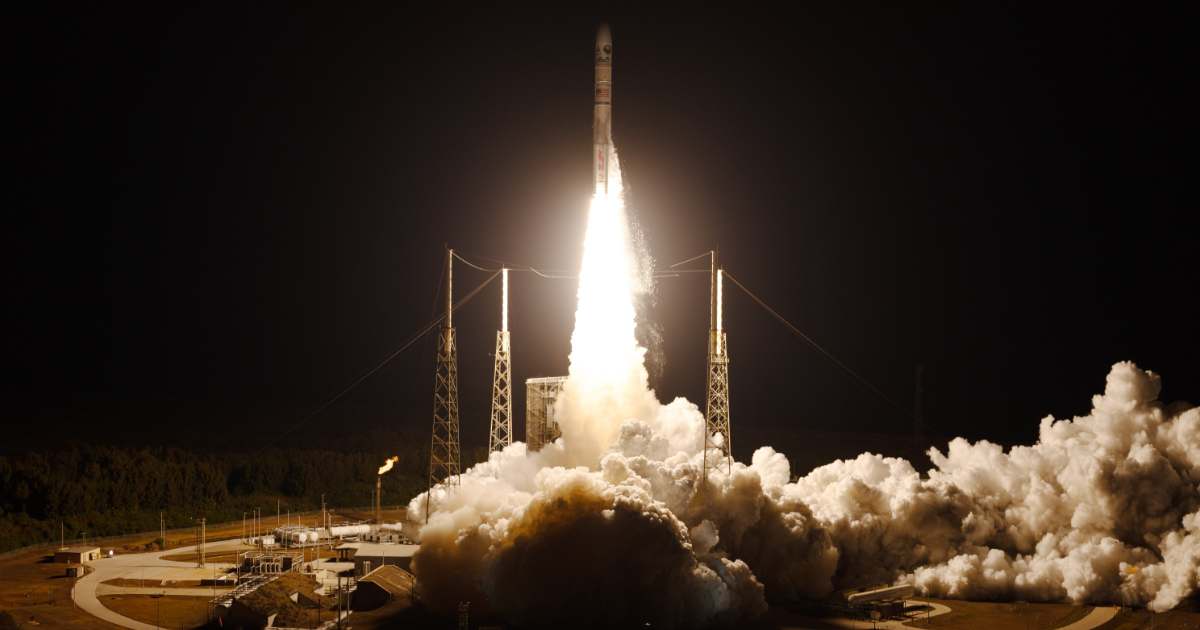
ULA’s Vulcan rocket carrying the USSF-87 mission for the United States Space Force’s Space Systems Command (SSC) lifts off from Space Launch Complex-41 at 4:22 a.m. EST. (Image Source: ULA)

Despite the recent setbacks, the Colorado-headquartered company continues to be trusted for high-profile missions, having been assigned to build three Exploration Upper Stage replacements for NASA’s Space Launch System rocket that will fly on the Artemis IV and V missions. Boeing, which went through a tumultuous period of its own because of the Starliner debacle, would have been the partner responsible for building the Exploration Upper Stage had it not been scrapped in the aftermath of NASA's decision to increase the launch cadence of its Moon missions.

More on Starlust

Build, buy or outsource? NASA recalibrates its acquisition strategy in the 2025 safety report

Artemis II: NASA will monitor the Sun to protect the astronauts from dangerous radiation
MORE STORIES

The crew’s inputs were also taken onboard by the training teams at NASA to improve efficiency.
1 hour ago
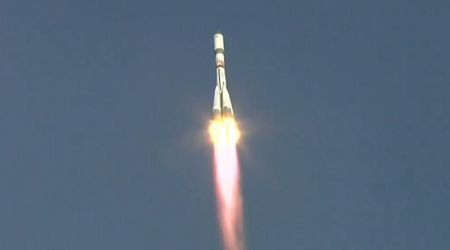
The Progress 94 spacecraft launched from the Baikonur Cosmodrome in Kazakhstan on Sunday at 7:59 am EDT.
5 hours ago
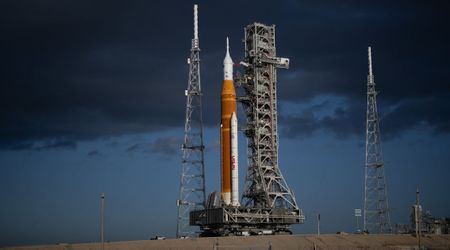
The giant Moon rocket completed its 4-mile rollout to Launch Complex-39B after an overnight journey.
2 days ago
It will be interesting to see how the astronomical community reacts to this.
3 days ago
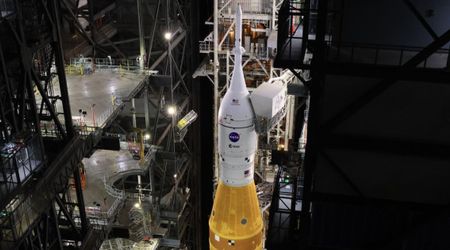
The SLS and Orion stack begin a 4-mile rollout to Launch Pad 39B, streaming live.
3 days ago
The rollout will be streamed live on various platforms, including NASA's YouTube channel.
3 days ago
The test saw 10 Raptor engines fire up as the vehicle remained anchored to the ground.
3 days ago
The crew will arrive at the Kennedy Space Center in Florida five days prior to launch.
4 days ago
Jessica Meir and Chris Williams of Expedition 74 did some preparatory work to install solar arrays.
6 hours ago
'Until now, there has been no reliable way to simulate GCRs [galactic cosmic rays] in Europe.'
4 days ago