After putting weapons in orbit, U.S. Space Force labels Russia and China 'threats' to space program
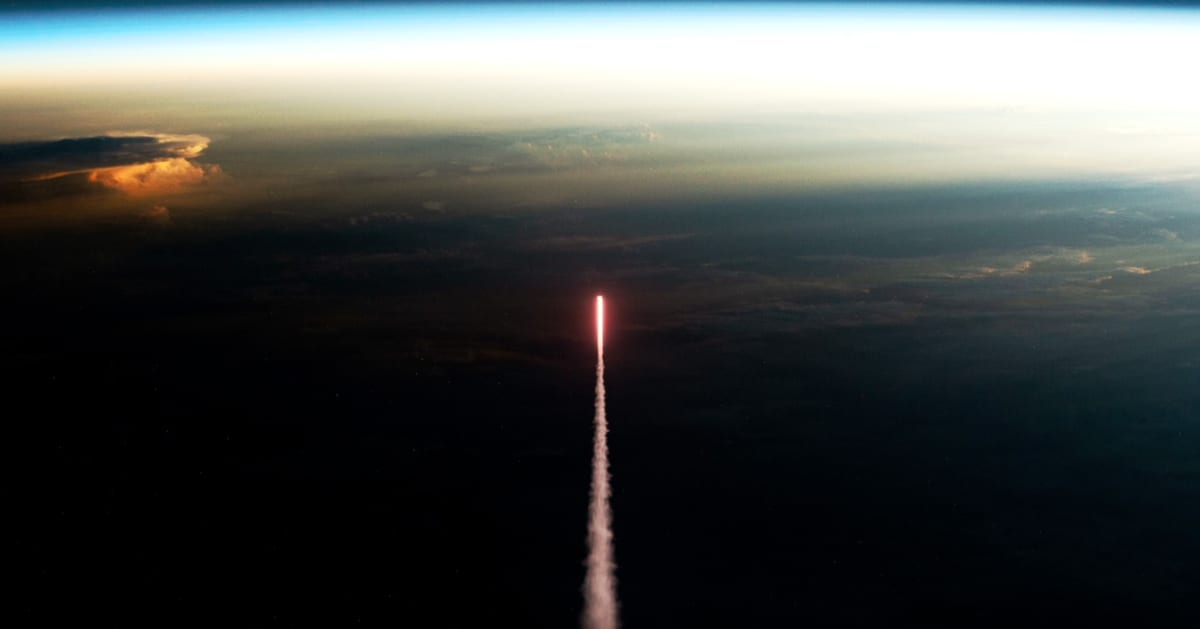
The U.S. Space Force has explicitly named Russia and China as the two main threats to American ambitions in space. In a statement from October 13, 2026, Captain Amy Padilla, branch chief for Intelligence Plans and Programs within Space Systems Command’s (SSC) Intelligence Directorate, called China its "pacing threat," while Russia was identified as the U.S.'s "acute threat." "Based on what we know about these two countries, there’s a high likelihood that should they achieve space superiority or space supremacy, it will severely limit the capabilities we have in space," explained Captain Padilla.
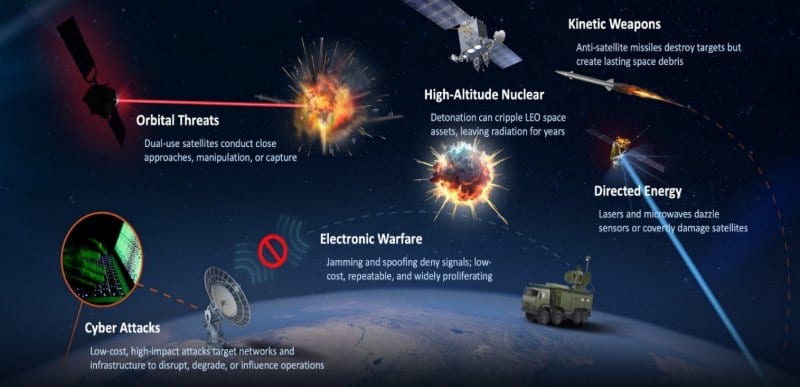
Top brass at the USSF recently revealed that the sixth and latest branch of the U.S. Armed Forces has already deployed weapons in space, which was in response to risks arising out of its adversaries' potential to inhibit U.S. capabilities in orbit. "Right now, the United States has space superiority, but Russia and China want to surpass the U.S., and they have been fielding terrestrial and orbital counterspace capabilities for years," said Captain Padilla. Besides interfering with military activities, many of the satellites used by civilians in their daily lives, such as GPS, are also faced with threats in space from geopolitical rivals. For instance, a study by the Office of Space Commerce has indicated that an outage of GPS systems during key planting seasons for farmers could cost as much as $45 billion if it lasted 30 days. In this light, Padilla insisted that gone are the days when threats from space weapons only existed in theory. “We’ve long since passed the realm of science fiction. They are a here-and-now threat," added Padilla.
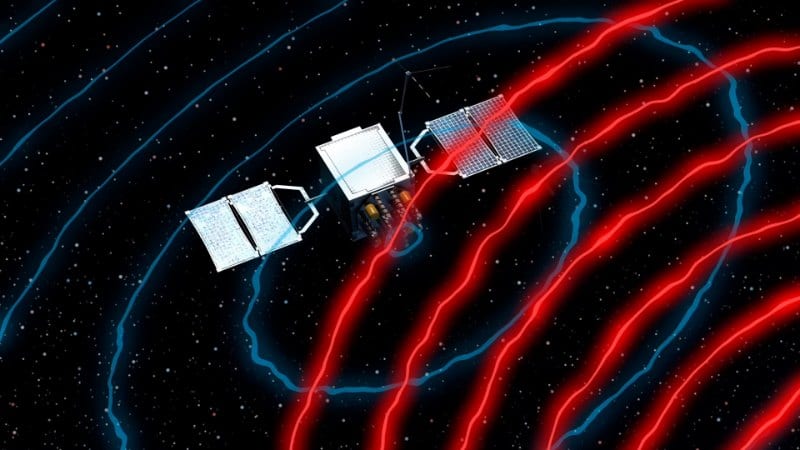
Describing the threat perceived to come from Russia, Padilla stated, "Moscow has repeatedly said that quasi-civilian commercial satellites used for military purposes may become legitimate targets for retaliation." The USSF statement cited an event back in November 2021 when Russia tested what was known as the PL-19 Nudol direct-ascent anti-satellite missile. It was meant to target the defunct Russian satellite, Cosmos 1408. As a consequence of the latter's destruction, over 1,500 pieces of orbital debris could be tracked, which put the inhabitants aboard the International Space Station (ISS) at risk. Captain Jonathan Cordova, branch chief for SSC Intelligence Integration, says that while Russia is not the force that it used to be in space due to budget restrictions created by the Russia-Ukraine war, it is still testing and developing countermeasures to take advantage of any vulnerabilities that the U.S. may have.
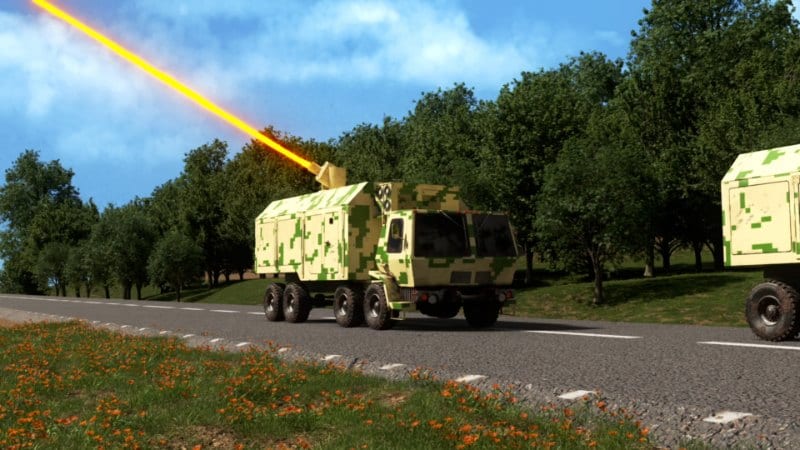
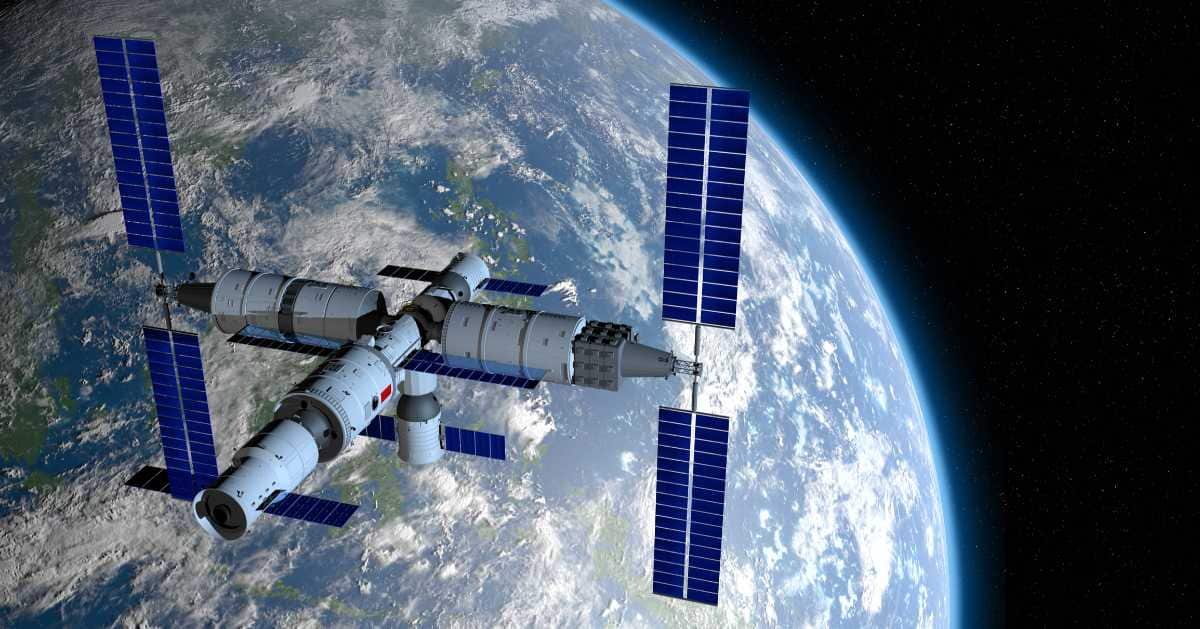
China, on the other hand, is deemed to be a much more active threat. "They have significant funding and more experimentation and are much closer to reaching their goal of space superiority than Russia," said Alex Schiller, the SSC’s Intelligence Integration lead. The USSF has also said that in the last decade, the on-orbit presence of China has risen by a mammoth 667 percent, with over 1,300 satellites in orbit. In 2025 alone, China put close to 300 pLEO (proliferated low Earth orbit) constellation satellites in space. The statement suggests this was in direct competition with similar satellite constellations deployed by the USSF. Such satellite constellations allow for uninterrupted operations even if one satellite or a part of the constellation is destroyed or rendered unusable. China is also known to have systems in place to destroy such satellites from the ground, which they did as far back as 2007. Moreover, China is also catching up to the reusable rocket technologies pioneered by companies like SpaceX in the U.S.
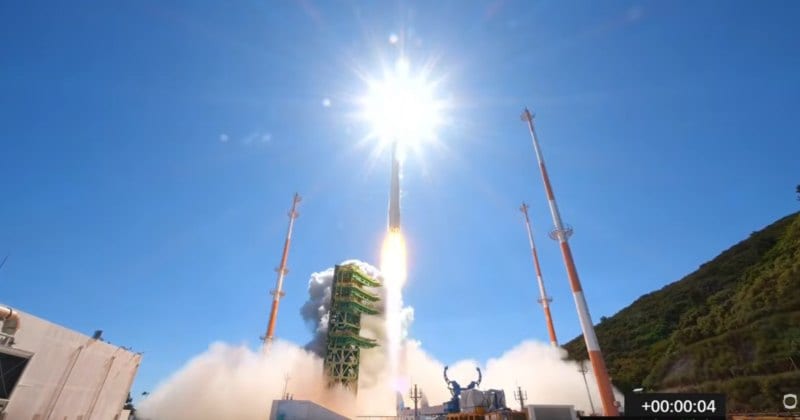
The USSF is continuously monitoring space to look for potential sources of threats, and tracking these threats to anticipate their future behavior is described as Space Situational Awareness. This has been one of the primary goals of the USSF ever since it was established in December 2019. China achieves such surveillance as well, thanks to ten satellites that work alongside an Earth-based network of sensors. A smaller, highly advanced constellation of satellites was also launched by South Korea recently, with surveillance capabilities advanced enough to distinguish objects just a few feet wide on the ground. This being the landscape of space as a front for battle, Schiller added, "In the past, it was taken for granted and now there’s a perception that we need to play catch-up because of the pacing threat and how contested the domain is becoming."
More on Starlust
Can NASA restrict China's access around its Moon Base? Here's what space law says
Robot dogs on the Moon? China could use them to build and guard permanent lunar bases, says report