The anomalies NASA faced during Artemis II second wet dress rehearsal
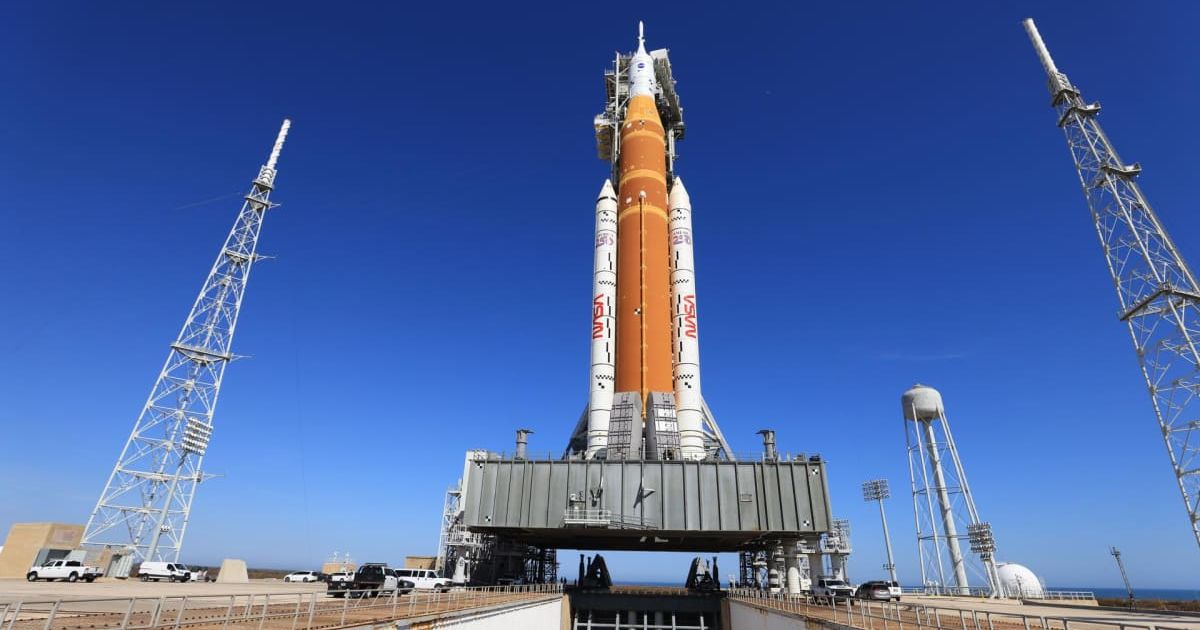
While NASA successfully concluded the second wet dress rehearsal for the Artemis II mission, the agency did encounter a couple of problems during the test. And no, this time, the issues did not involve a fuel leak going above safety limits.
NASA teams successfully fueled the Artemis II rocket during tonight’s prelaunch test for the lunar mission.
— NASA (@NASA) February 20, 2026
Our Artemis experts will answer questions about the important milestone and next steps during a briefing tomorrow at 11am ET (1600 UTC). https://t.co/fVjFOmK5dy pic.twitter.com/WoWwYGm99T
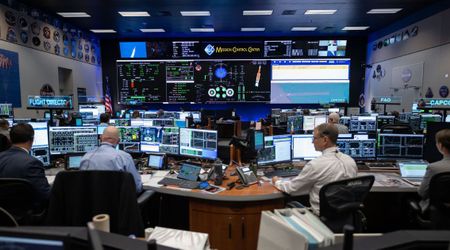
Shortly after the transition from slow fill to fast fill for liquid oxygen (LOX) on the SLS core stage, teams in the firing room at the Kennedy Space Center experienced a glitch in ground communications at around 11:11 am EST. This was reminiscent of the first wet dress rehearsal, which also saw several audio communication dropouts. The problem on February 19 forced the teams to resort to backup communication methods as engineers continued to troubleshoot the issue. Meanwhile, Charlie Blackwell-Thompson, the Artemis II launch director, advised the team to continue LOX fast fill; however, she chose to delay the fast fill for liquid hydrogen (LH2). Thankfully, the delay didn't last too long, as communications were restored around 11:45 am, with NASA teams making the decision to begin the fast fill of the SLS core stage with liquid hydrogen, while LOX fast fill also continued.
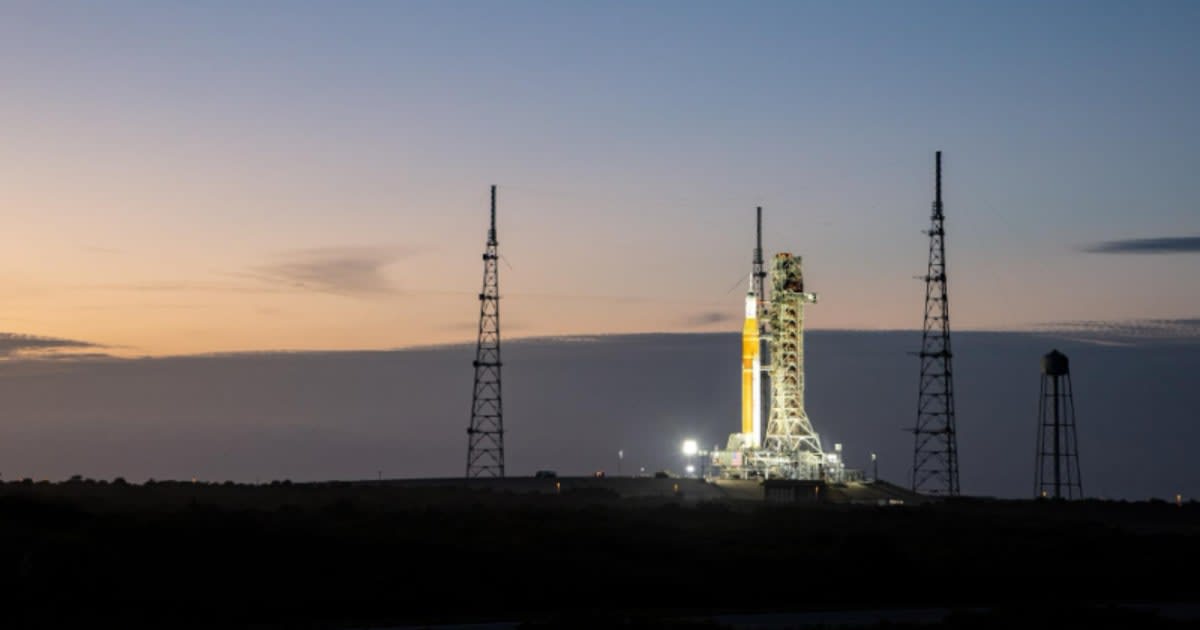
At 9:23 pm, the team had to pause the second terminal countdown due to a booster avionics system voltage anomaly. But the engineers fixed it and reset the countdown as planned. Barring such anomalies, the second wet dress rehearsal went by reasonably smoothly. Before tanking began, teams configured the SLS rocket with gaseous nitrogen as a safety measure aimed at reducing the chances of fire hazard during fueling. This stage also saw teams purge the various systems of the SLS rocket of oxygen and contaminants to ensure the cleanliness and stability of the propulsion and life support hardware.
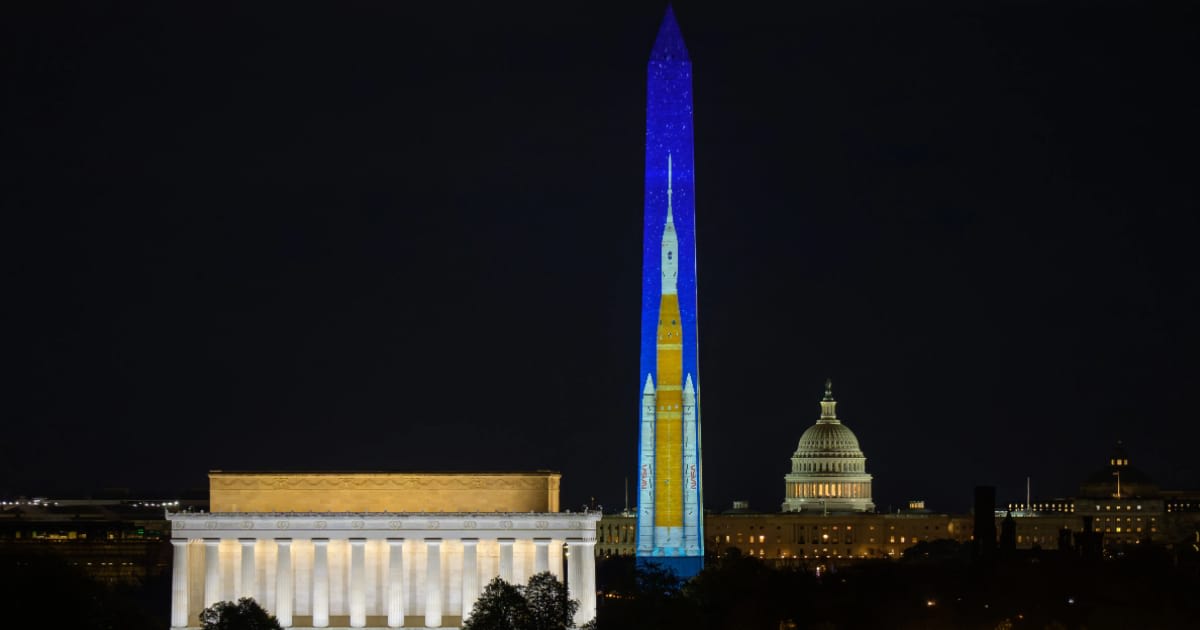
The core stage SLS rocket alone holds more than 700,000 gallons of liquid hydrogen chilled to −423°F and liquid oxygen chilled to −297°F. Before these super-cold liquids could flow, teams also performed a “chilldown,” cooling transfer lines to prevent dangerous thermal shock. Next came slow fill, allowing tanks to gradually adjust to the extreme temperatures. Only after the systems stabilized did engineers transition to fast fill, rapidly loading the rocket withthe fuel. Finally, the vehicle entered replenish mode, continuously topping off propellant as natural boil-off occurred. As already mentioned, this time, NASA successfully reached replenish mode without exceeding safety limits.
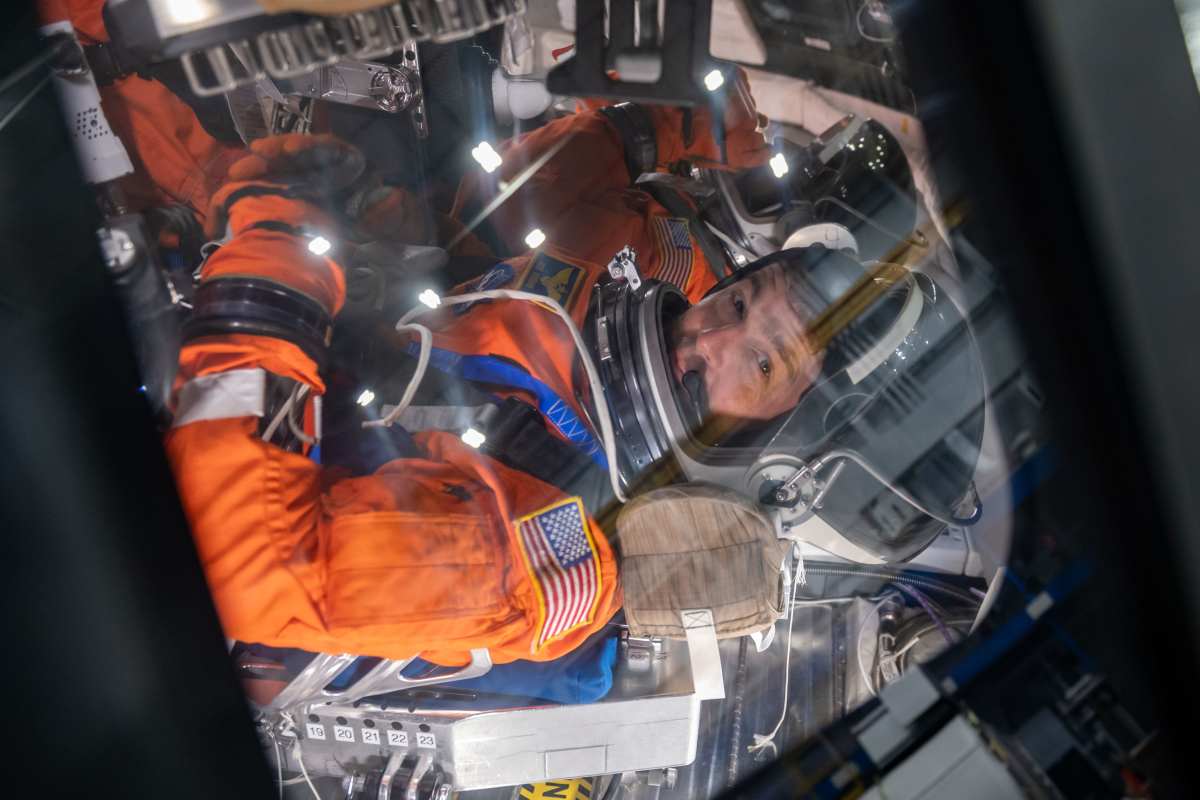
No crew members participated in the second Artemis II wet dress rehearsal, but NASA’s closeout team simulated every step astronauts would experience. Inside the “White Room” at the end of the crew access arm, technicians sealed the hatch of the Orion capsule. They inspected seals, verified cabin environmental controls, and confirmed mechanical connections. They then secured the launch abort system hatch. With the spacecraft configured for flight, pad teams cleared the area. The rehearsal shifted to the terminal countdown phase.
The Artemis II wet dress rehearsal ended today at 10:16 p.m., concluding as planned at T-29 seconds in the countdown.
— NASA's Kennedy Space Center (@NASAKennedy) February 20, 2026
NASA will hold a media briefing about the test at 11 a.m. Friday, Feb. 20, which will stream on the agency's website.
Terminal countdown is where human oversight gives way to automation. It happens in the final ten minutes before launch: flight computers take control, ground systems hand off power to the rocket, and engines undergo final conditioning and safety checks rapidly. During the first run, the countdown paused at T-1 minute 30 seconds, holding briefly to simulate a real-world delay. It then resumed and halted again at T-33 seconds before launch to recycle back to T-10 minutes for the second run. At 10:16 p.m., the rehearsal concluded at T-29 seconds, exactly as planned.
More on Starlust
How the Artemis II crew will eat and use the bathroom inside Orion
Artemis II crew will use this roller-coaster-inspired system to escape to safety during emergency