One NASA astronaut and two Russian cosmonauts to launch to ISS aboard Soyuz MS-28 on Thanksgiving Day
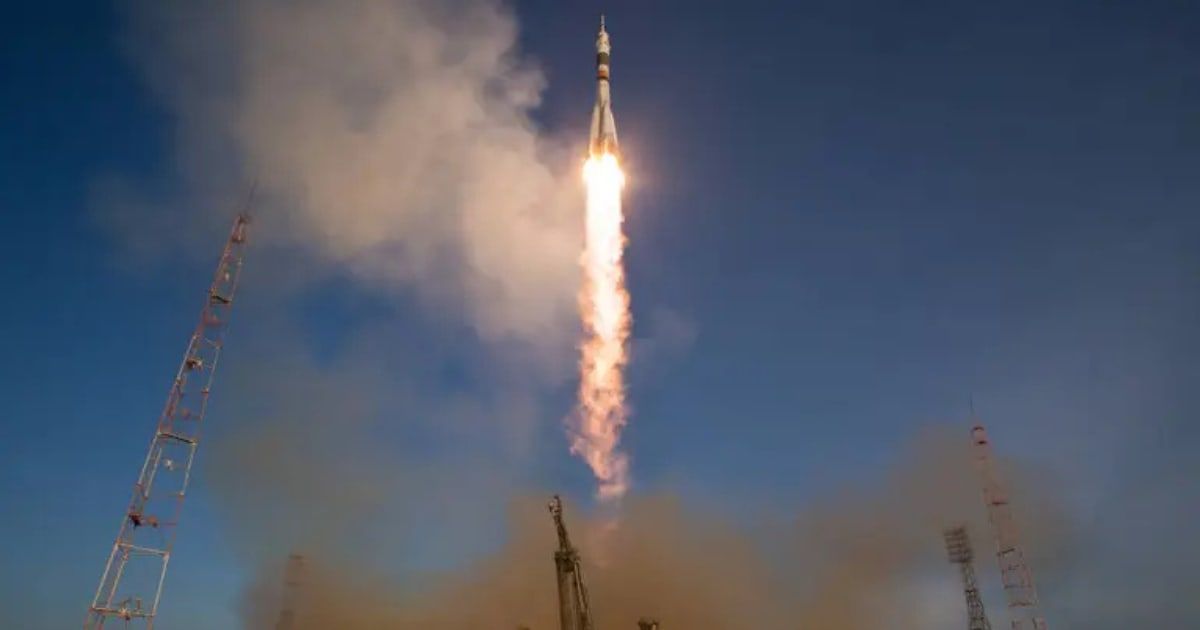
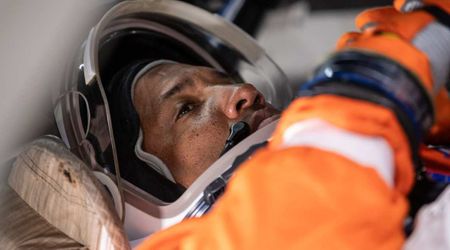
A three-person crew is now on a final countdown for a Thanksgiving Day launch to the International Space Station. According to NASA, this early morning liftoff will send one NASA astronaut and two Russian cosmonauts off to begin an in-orbit research tour that will last for eight months.
On Nov. 27, @astro_ChrisW is launching on his first-ever flight to the @Space_Station aboard a Soyuz MS-28 spacecraft.
— NASA (@NASA) November 26, 2025
On our latest episode of Houston We Have A Podcast, Chris Williams shared his journey to becoming an astronaut: https://t.co/QZkzriqqRf pic.twitter.com/USiTH4iBOW
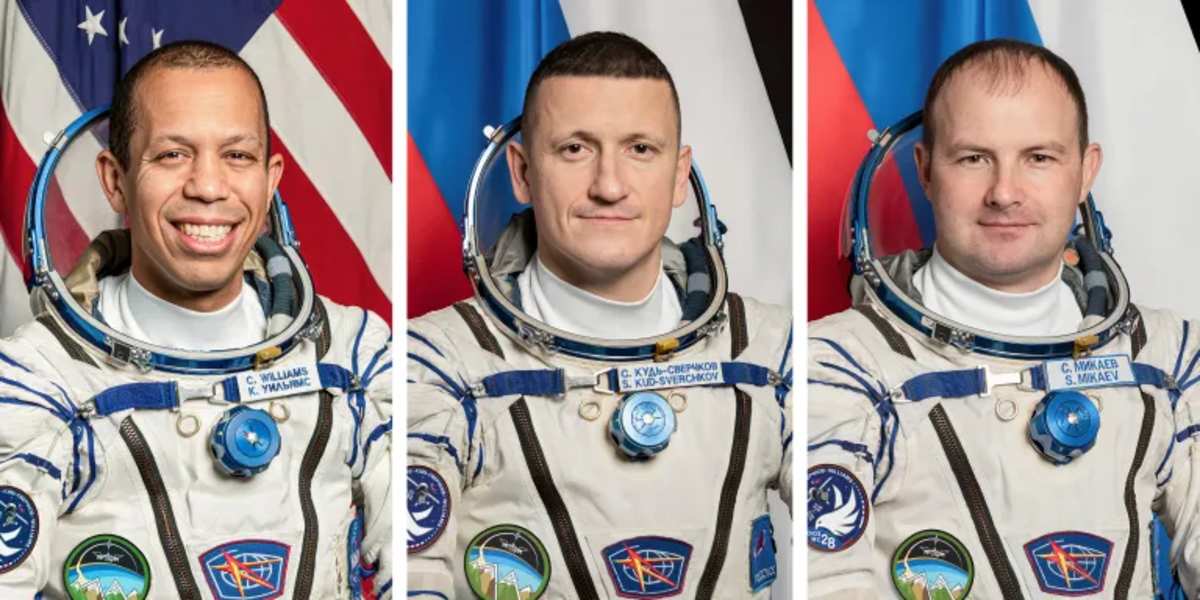
The Soyuz MS-28 crew spacecraft is planned to lift off at 4:27 a.m. EDT from the Baikonur Cosmodrome in Kazakhstan. On board are NASA's Chris Williams, who is flying for the first time, along with Roscosmos cosmonauts Sergei Mikaev, also on his first flight, and the veteran Sergey Kud-Sverchkov. Their trip will include only two circuits of Earth before the automated docking with the ISS Rassvet module, estimated at 7:38 a.m. on Thanksgiving Day. When pressure and leak checks have been completed, station hatches will be opened, and the newcomers admitted, bringing the population of the laboratory from seven to ten.
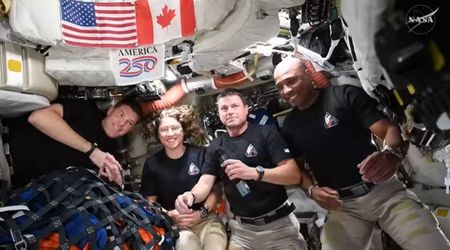
Meanwhile, on the space station itself, the current Expedition 73 crew, comprising U.S., Japanese, and Russian members, has been busy getting ready for the arrivals. While NASA Flight Engineers Zena Cardman, Jonny Kim, and Mike Fincke, along with JAXA's Kimiya Yui, had a scheduled day off yesterday, their Russian colleagues Sergey Ryzhikov, Alexey Zubritsky, and Oleg Platonov focused on critical tasks.
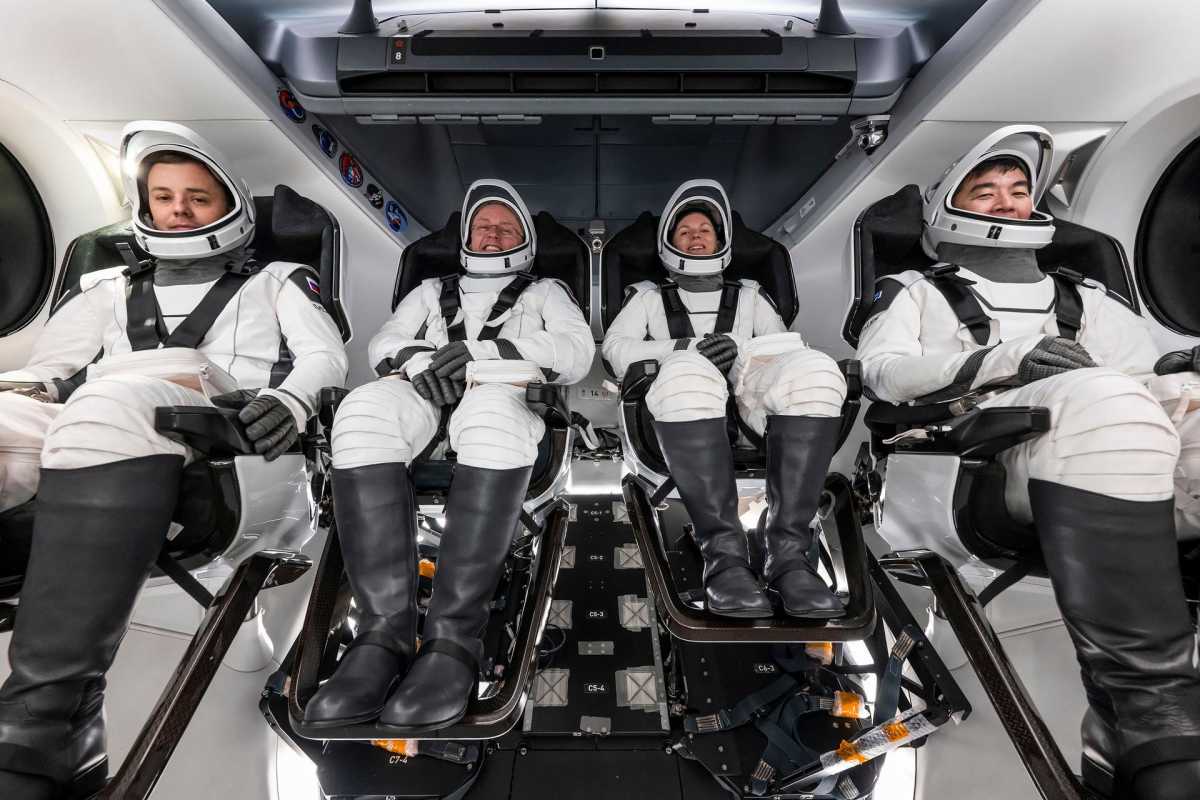
The preparations included setting up the new crew quarters. Cosmonauts Ryzhikov and Zubritsky also worked on packing gear into the Soyuz MS-27 vehicle, which is set to return them and Kim to Earth next month. According to NASA, during his time in space, NASA's Williams will focus on a range of experiments designed to support both future deep-space travel and practical applications on Earth. His work will include installing and testing an advanced, modular exercise system specifically created for lengthy missions. Williams will also assist with critical research into increasing the efficiency of cryogenic rocket fuels and growing semiconductor crystals in the microgravity environment. He will also help NASA create new safety procedures for vehicle re-entry to better safeguard returning astronauts during future missions.

The Thanksgiving launch will be the second liftoff this week aimed at an orbital outpost, per Space.com. Just three days earlier, on Monday night, China launched an uncrewed Shenzhou capsule carrying a vital replacement vehicle. It will serve as the return transport for the three astronauts currently residing on China's Tiangong space station. Their original return capsule carried the previous Shenzhou crew back home. The latter group's return vehicle was damaged by space debris, leaving the crew without an immediate emergency ride home for ten days.
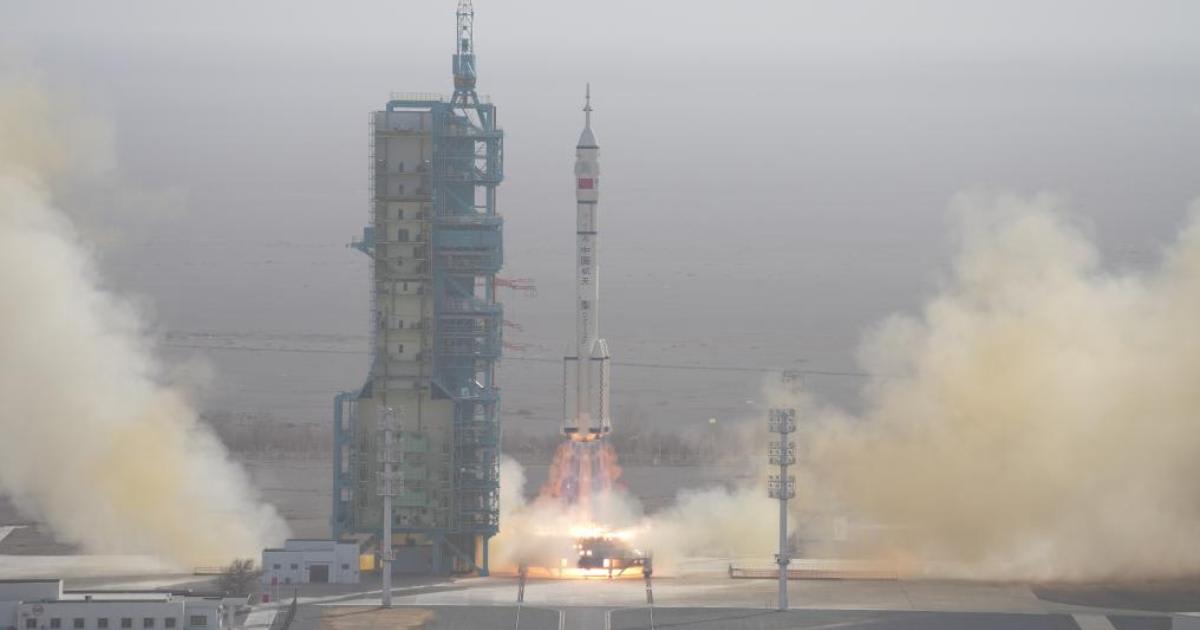
The International Space Station has been continuously staffed for more than a quarter of a century, providing a platform for scientific discoveries simply not possible on Earth. NASA says the orbiting outpost is crucial in overcoming complexities associated with long-duration missions. The agency is also dedicating its resources to the Artemis campaign—a project designed to return humans to the Moon as a stepping stone to manned missions to Mars.
One @NASA astronaut and two Roscosmos cosmonauts count down to a lift off on Thanksgiving Day to the orbital outpost. The Expedition 73 crew will expand to ten when the new trio arrives just over three hours later. https://t.co/J0OJot44WM
— International Space Station (@Space_Station) November 26, 2025
More on Starlust
NASA's twin ESCAPADE mission snaps first 'selfies' just days after leaving Earth