NASA successfully concludes second wet dress rehearsal for Artemis II despite hiccups
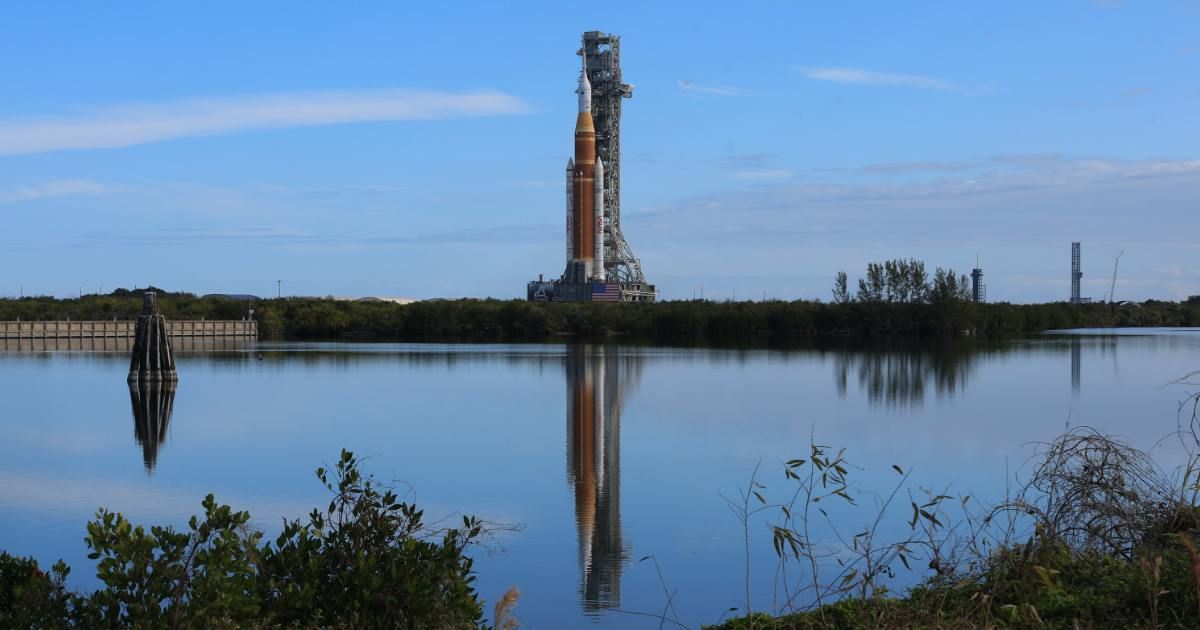
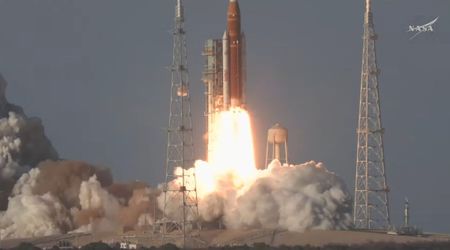
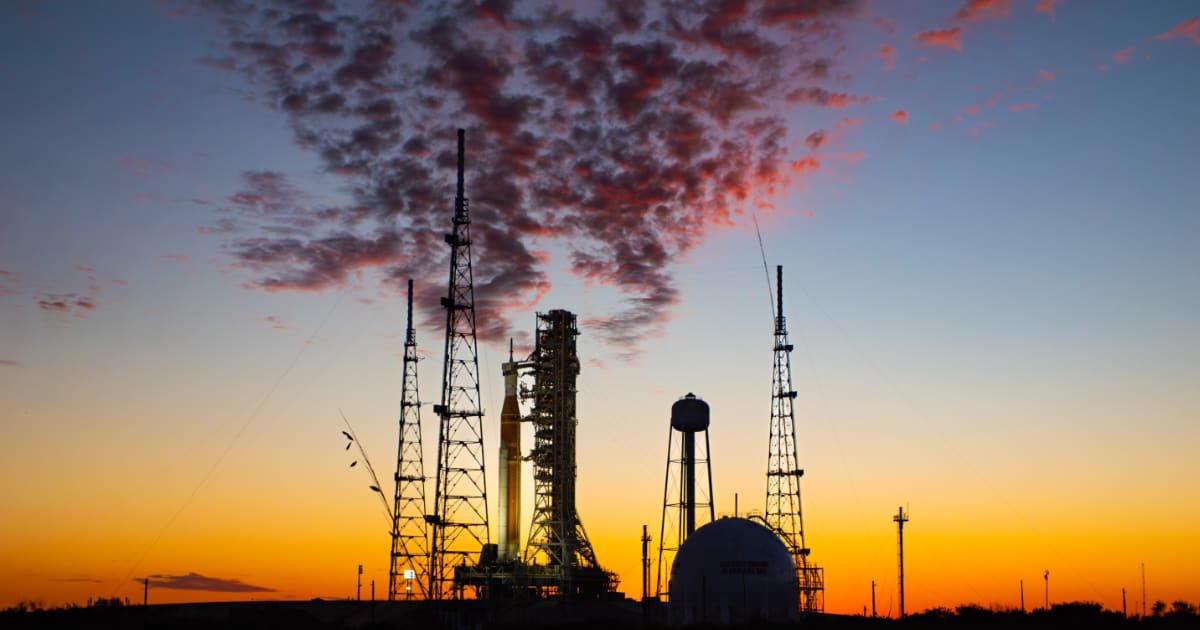
NASA’s Artemis II team successfully concluded the second wet dress rehearsal at 10:16 pm EST on Thursday, February 19, 2026, at Kennedy Space Center’s Launch Complex 39B in Florida, per NASA. They had to navigate their way around two minor hiccups, a ground communications issue and a booster avionics system voltage anomaly, which did not halt progress in the end.
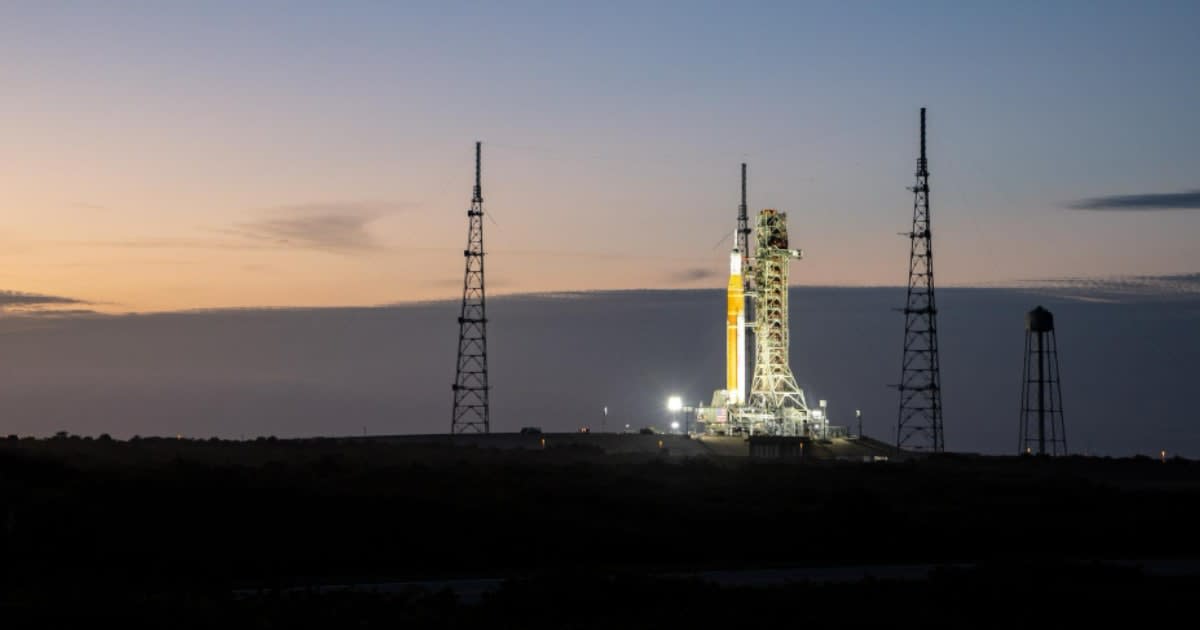
In spite of these hiccups, the test advanced through propellant loading, two terminal counts, and draining of propellants. This is in contrast to the first rehearsal’s early end to proceedings following a hydrogen leak. Here are some highlights of the events throughout the final day of the countdown, which began on Tuesday:
7:00 a.m. EST, February 19, 2026
NASA teams started the wet dress rehearsal countdown by configuring the SLS rocket with gaseous nitrogen at Launch Complex 39B to reduce fire hazards. This inert gas is meant to displace oxygen-rich air, thus creating a non-combustible environment. A purging of contaminants from sensitive hardware followed ahead of cryogenic fueling. Overnight preparations on Wednesday included powering up the upper stage and boosters, setting the stage for propellant loading.
Our second tanking test for Artemis II is underway, and we are now filling the rocket with propellant.
— NASA (@NASA) February 19, 2026
Follow @NASAKennedy and the Artemis II blog for real-time updates: https://t.co/7gicm7DWBt
Watch the test on our YouTube channel: https://t.co/FBaEtuQrQg pic.twitter.com/4jmS3XXBiG
9:27-9:40 am EST
Launch director Charlie Blackwell-Thompson gave the "go" for tanking at around 9:27 am, completing umbilical closeouts by 9:35 am. Chilldown of core stage liquid hydrogen (LH2) and liquid oxygen (LOX) lines began at 9:40 am, conditioning hardware for extreme cryogenic temperatures to avoid thermal shock.
10:30-11:45 am EST
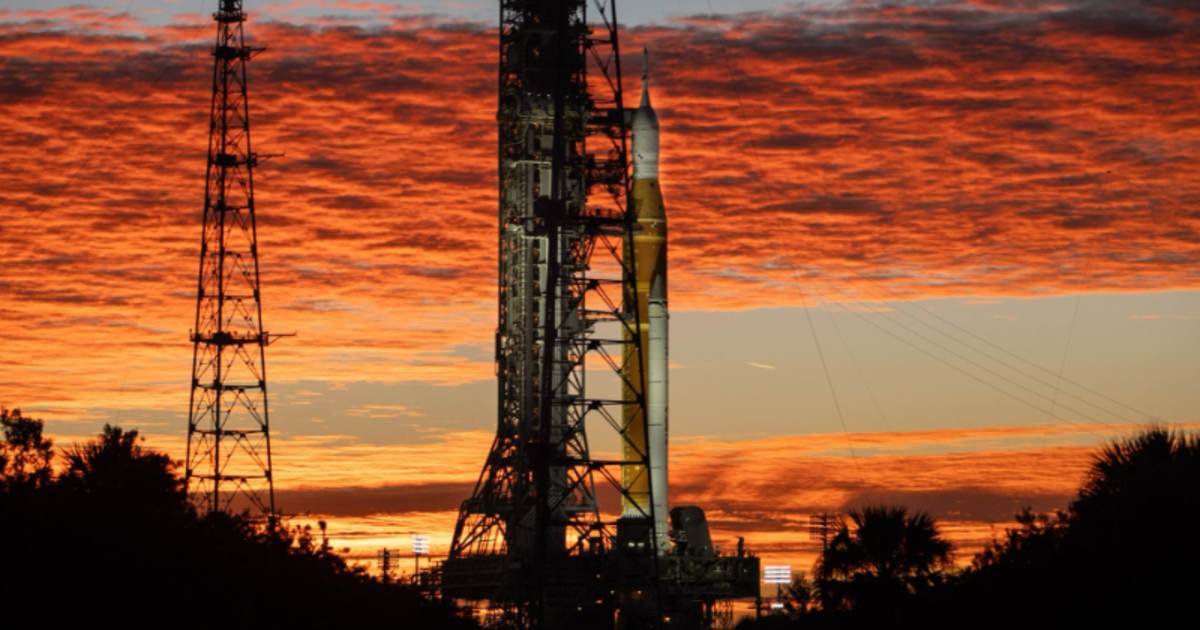
Slow fill of core stage LH2 (chilled to -423°F) and LOX (-297°F) started at 10:30 am, transitioning to fast fill for LOX by 10:43 am while LH2 remained in slow fill. A ground communications issue at 11:11 am meant backup methods of communication had to be employed. LOX fast fill continued while LH2 fast fill was delayed as technicians looked into the problem. Communications were restored to normalcy by 11:45 am when fast fills resumed for both propellants.
12:12-2:41 pm EST
Interim cryogenic propulsion stage (ICPS) LH2 line chilldown began at 12:12 pm, followed by LH2 loading at 12:43 pm. The chilldown for the ICPS' LOX lines, meanwhile, began at 12:43 pm. The core stage LH2 reached replenish mode at 1:07 pm EST, which is when stable pressure and temperature are maintained. Unlike the first wet dress rehearsal, teams reached this point without the hydrogen leak concentration going over the safety limit. This was followed by ICPS LOX fast fill at 1:23 pm and LH2 fast fill completion by 1:50 pm. All tanks transitioned to replenish mode by 2:41 pm.
3:32-7:02 pm EST
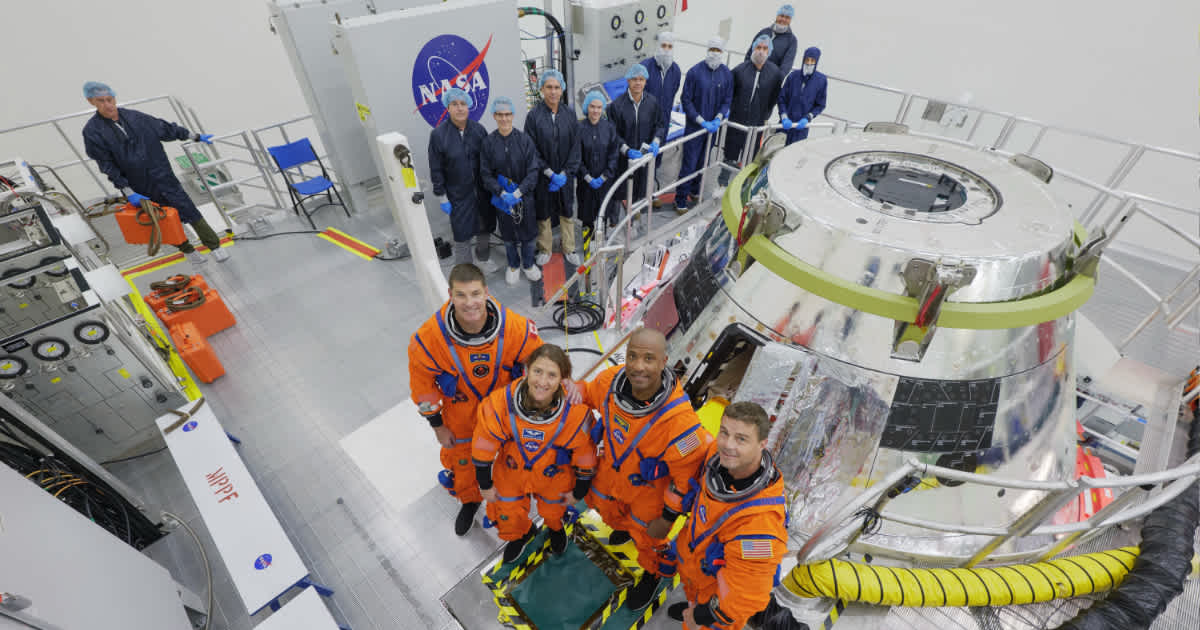
A 1-hour-10-minute hold at 3:32 pm allowed pad rescue and closeout crews to move into positions. Despite the absence of the astronauts, the closeout crew sealed the Orion crew module hatch inside the White Room at the launch pad at 4:40 pm. The launch abort system hatch was closed at 6:17 pm, and the closeout crew departed at 7:02 pm, transitioning the rehearsal to terminal count.
8:29-10:18 pm EST
To give the crew some wiggle room to prepare for the terminal count, the launch director extended the T-10 minute hold. These preparations included bringing the temperature of the core stage engine into launch range. The crew access arm was retracted at 8:39 pm. Teams paused the first terminal count at T-1:30 for three minutes, then resumed until T-33 seconds. This was followed by a pause, during which the LH2 and LOX systems were reconfigured and replenished, before the clock was recycled to T-10 minutes for a second run beginning at 10:07 pm. The rehearsal concluded at 10:16 pm EST as planned at T-29 seconds.
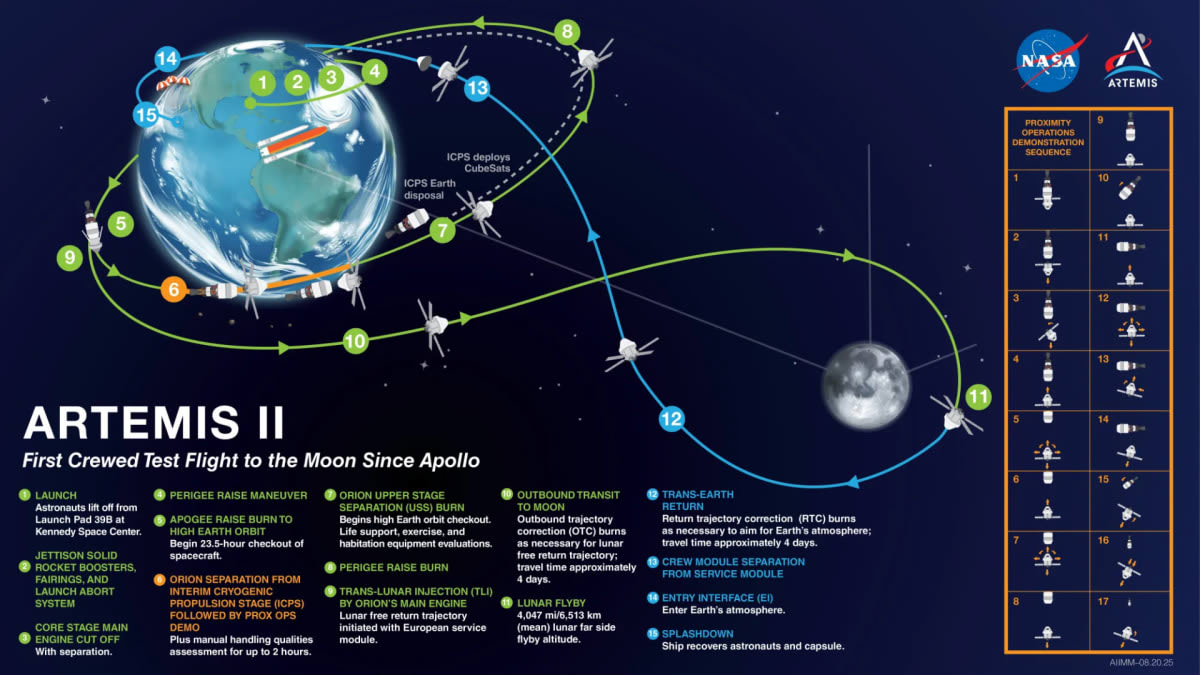
This will now be succeeded by NASA’s mission managers sharing their assessments before noon on Friday, February 20, 2026. Enthusiasts all over the world would be advised to tune in at 11 am EST to get a better understanding of whether Artemis II is going for launch on March 6, 2026, for Integrity’s long-awaited lunar flyby on its free return trajectory around the Moon.
More on Starlust
Artemis II crew will use this roller-coaster-inspired system to escape to safety during emergency
NASA's Artemis program could benefit from this new map of small mare ridges on the Moon