NASA still unable to reestablish contact with MAVEN as spacecraft begins spinning oddly
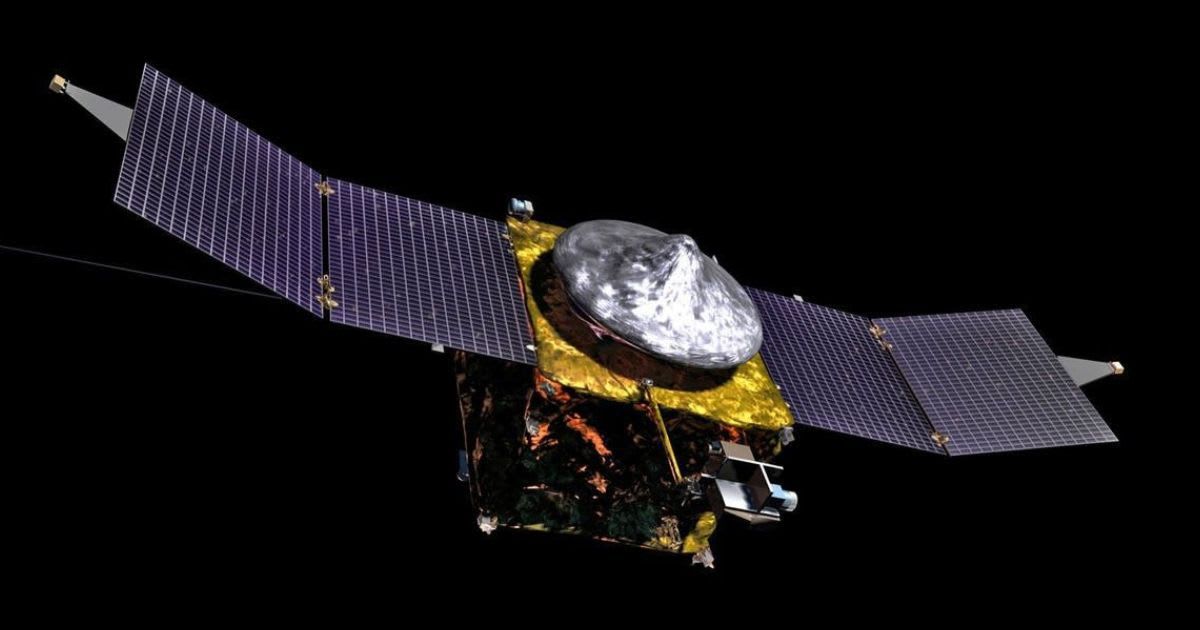
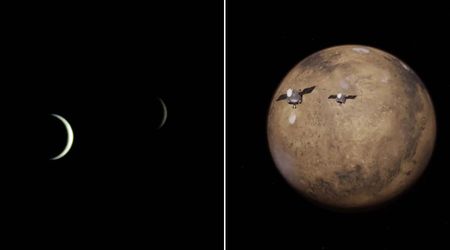
NASA's MAVEN (Mars Atmosphere and Volatile EvolutioN) went silent on December 6 as it emerged from behind Mars. And while efforts to reestablish connection have been on since then, the agency doesn't have good news yet.
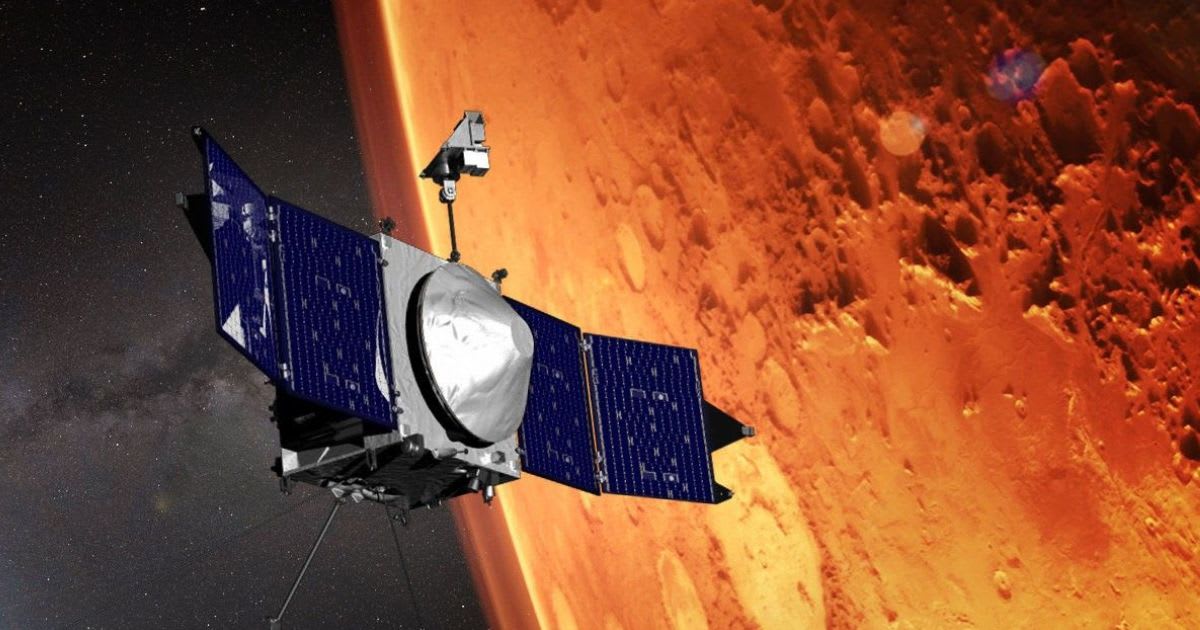
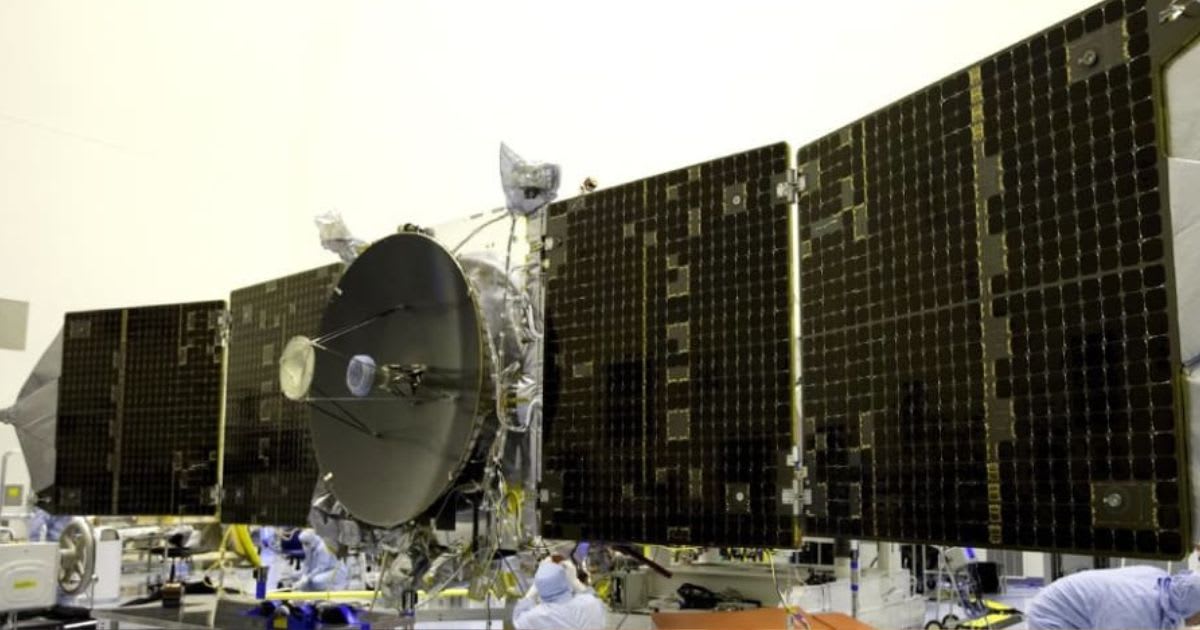
As of now, MAVEN still remains silent, NASA announced in a recent update. While spacecraft telemetry hasn't been received since December 4, the agency's Deep Space Network did receive "a brief fragment of tracking data as part of an ongoing radio science campaign." According to the analysis of that signal, when the MAVEN spacecraft emerged from behind Mars, it was rotating unusually. Additionally, the tracking signal's frequency raises the possibility that MAVEN's orbit trajectory has altered. To determine the most likely causes of the signal loss, the team keeps examining tracking data. Reestablishing touch with MAVEN is another ongoing endeavor.
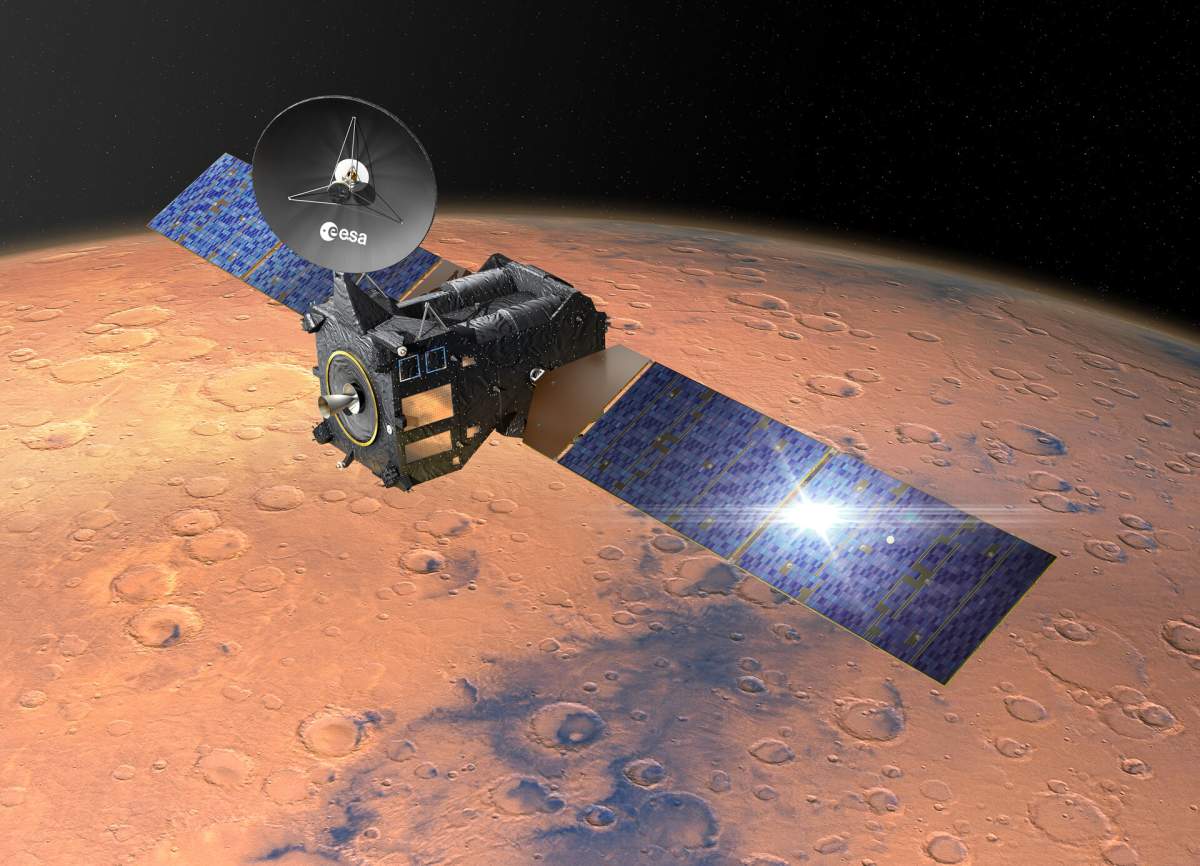
NASA is also trying to reduce the effects of the MAVEN anomaly on the surface operations of the Perseverance and Curiosity rovers. MAVEN is one of four orbiters at Mars that carry signals to and from the surface to support rover operations. The others—the Mars Odyssey, NASA's Mars Reconnaissance Orbiter, and the European Space Agency's (ESA) ExoMars Trace Gas Orbiter—are still operational. In the upcoming fortnight of scheduled surface operations, NASA is planning more passes from the other orbiters, and the Perseverance and Curiosity teams have adjusted their daily planning chores to continue their science missions.
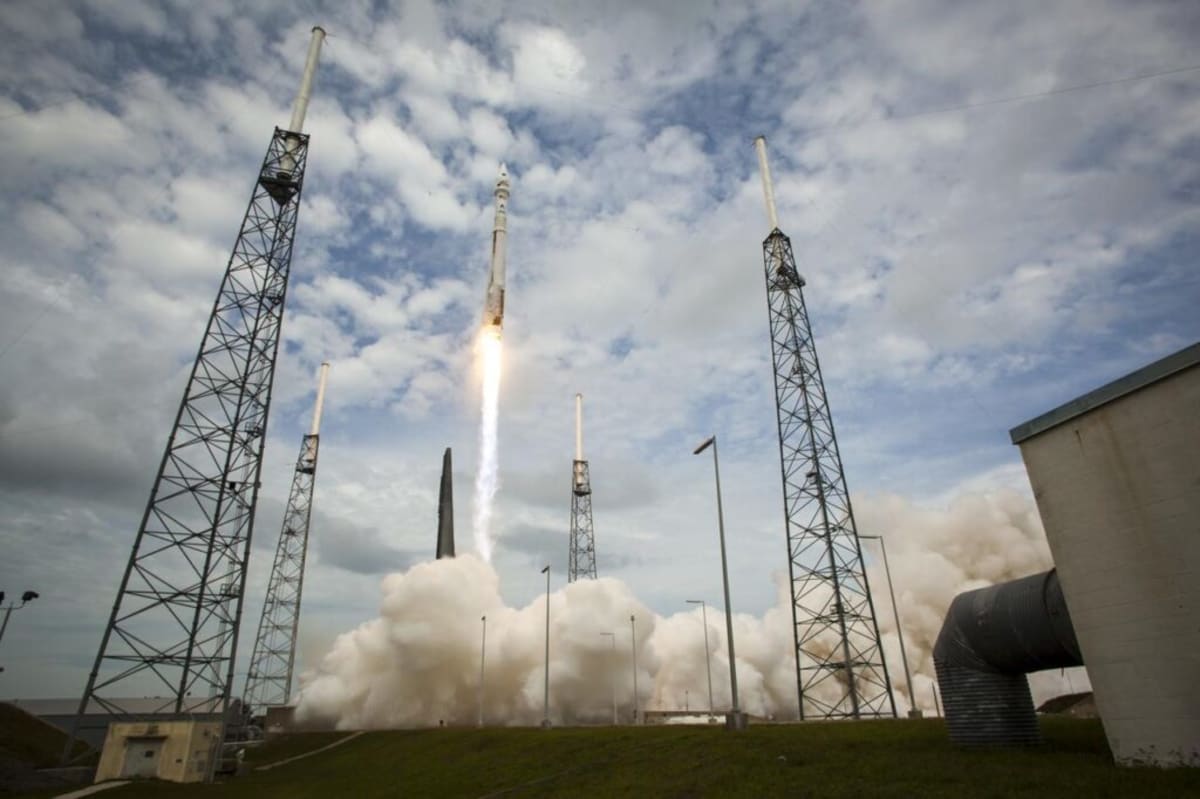
According to NASA, the MAVEN was sent up with the purpose of figuring out how Mars lost most of its air over billions of years, turning from a possibly wetter world into the dry place we see today. The University of California-Berkeley Space Sciences Laboratory built instruments for the mission. NASA’s Jet Propulsion Laboratory, Pasadena, Calif., provides program management via the Mars Program Office, as well as navigation support, the Deep Space Network, and the Electra telecommunications relay hardware and operations.
Earlier this year, on October 9, MAVEN made its most valuable recent contribution: snapping an image of Comet 3I/ATLAS. MAVEN, having been perfectly functional before the communication failure, was using the Imaging Ultraviolet Spectrograph, which takes ultraviolet pictures to reveal chemical compositions of objects.

This, however, is not the first scare involving the spacecraft. Back in February 2022, MAVEN went dark after a scheduled power cycle of one of its Inertial Measurement Units (IMUs), which are used to calculate its altitude in space based on its rotation. The team managed to fix it, ultimately switching to the “all-stellar” mode that lets the spacecraft guide itself without IMUs. It's a standard practice to switch to the all-stellar mode when there is a degradation of IMUs. The spacecraft came back online in May and kept working as if nothing had happened. It’s a tense wait. But MAVEN has pulled through before. If any spacecraft can surprise us and wake up spinning the right way again, it’s this one.
More on Starlust
Time moves faster on Mars than on Earth—physicists explain why
NASA eyes unexpected Mars launch window in 2026, sparking excitement and questions