NASA begins Artemis II launch countdown ahead of historic crewed Moon mission
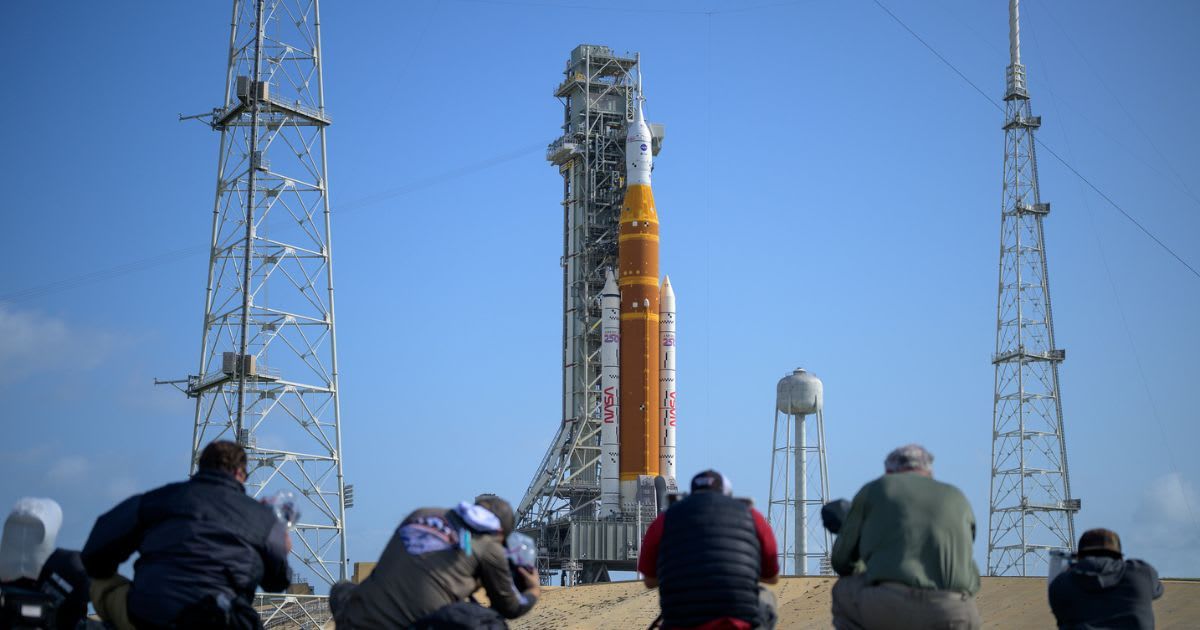
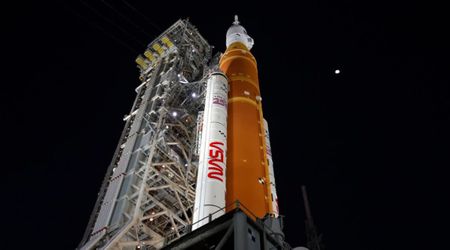
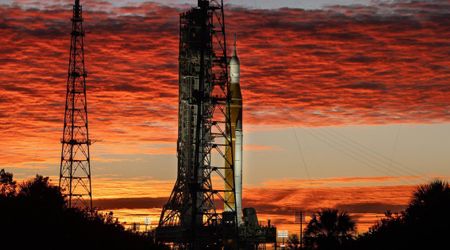
The launch countdown has officially begun for Artemis II, the first crewed mission to the Moon in over 50 years. On Monday, March 30, Kennedy Space Center’s onsite countdown clock started ticking at 4:44 p.m. EDT. The Space Launch System (SLS) rocket carrying the Orion spacecraft and its crew of four astronauts is scheduled to lift off at 6:24 p.m. EDT on April 1. Now, the final phase before the mission is underway as launch teams have taken their positions inside the Rocco A. Petrone Launch Control Center.
The countdown begins.
— NASA (@NASA) March 30, 2026
Teams at @NASAKennedy have arrived to their stations at the Launch Control Center. We are about 48 hours from the launch of the Artemis II mission around the Moon. https://t.co/PqaR8eyxu4 pic.twitter.com/shEs8WWtWP
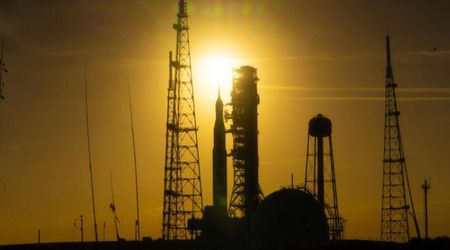
With the countdown clock ticking, NASA’s engineers were reported to be performing a series of final system checks and activations. This includes powering up flight hardware, verifying communications, and monitoring weather and other launch commit criteria. The cryogenic systems will also be prepared for fueling as the SLS rocket will be loaded with hundreds of thousands of gallons of super-cool liquid hydrogen and liquid oxygen. To protect the rocket from its own roar, teams at Launch Pad 39B will fill the sound suppression system’s tank with water.
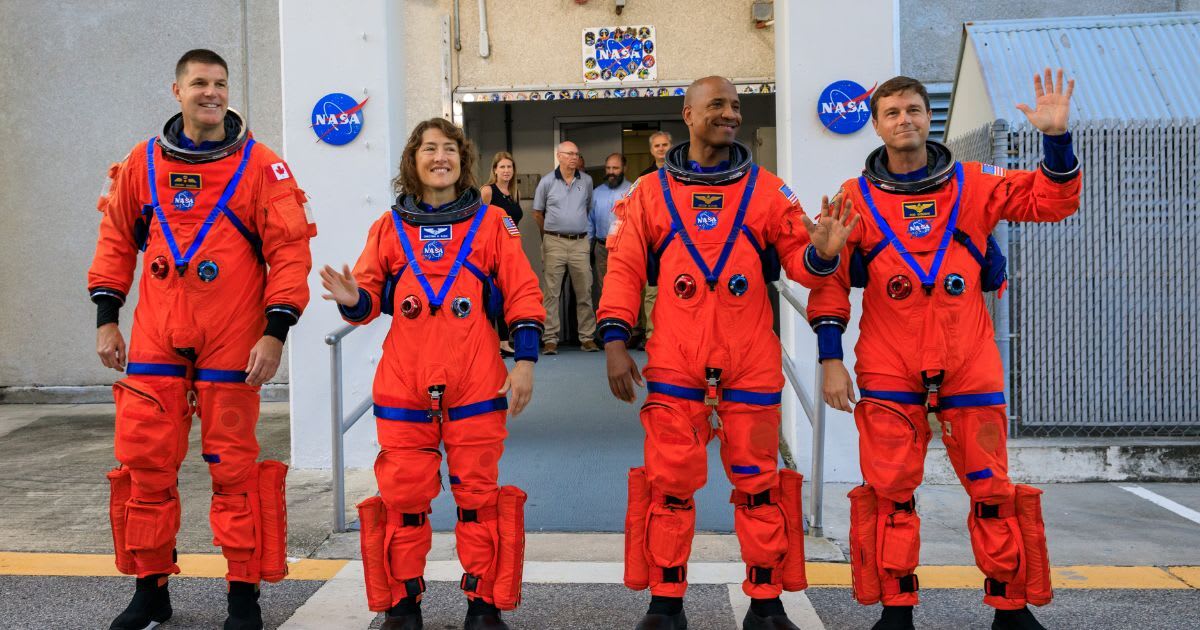
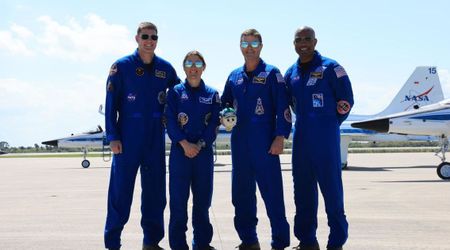
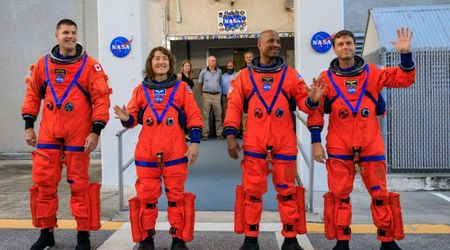
The Artemis II crew—NASA's Reid Wiseman, Victor Glover, Christina Koch, and CSA’s Jeremy Hansen—remains in quarantine in Astronaut Crew Quarters inside KSC’s Neil A. Armstrong Operations and Checkout Building. The astronauts are spending much of the final pre-launch phase focusing on readiness and technical verification like updates on the rocket’s configuration. Their health is being monitored strictly, and medical checks have been done to ensure they are fully fit for launch. To maintain proper energy and hydration levels, they are following a controlled sleep and nutrition schedule.
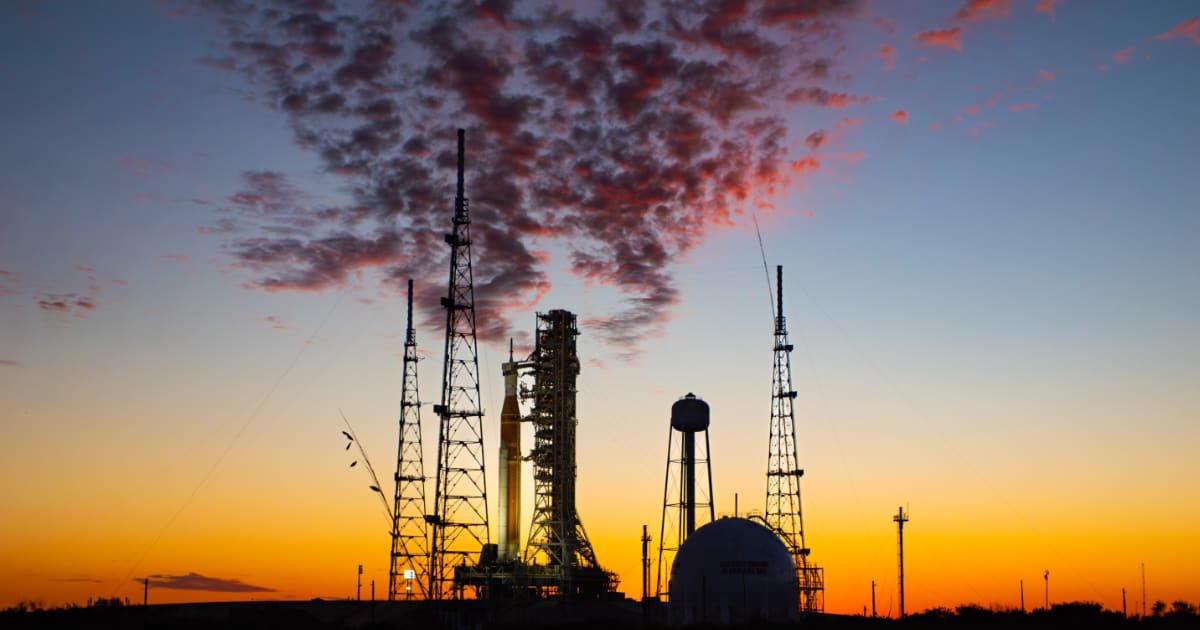
Like any other mission, launch pad weather remains a key area of focus, and current forecasts show an 80% chance of favorable weather for launch day. The 20% probability of weather constraint violation comes from cloud coverage and potential high winds near the launch site. NASA teams and weather officers with the U.S. Space Force’s Space Launch Delta 45 continue to monitor the skies of Cape Canaveral, Florida. “When I see an 80% chance of 'go' and a two-hour window, I feel pretty good about our chances,” said Launch Director Charlie Blackwell-Thompson during a press briefing.
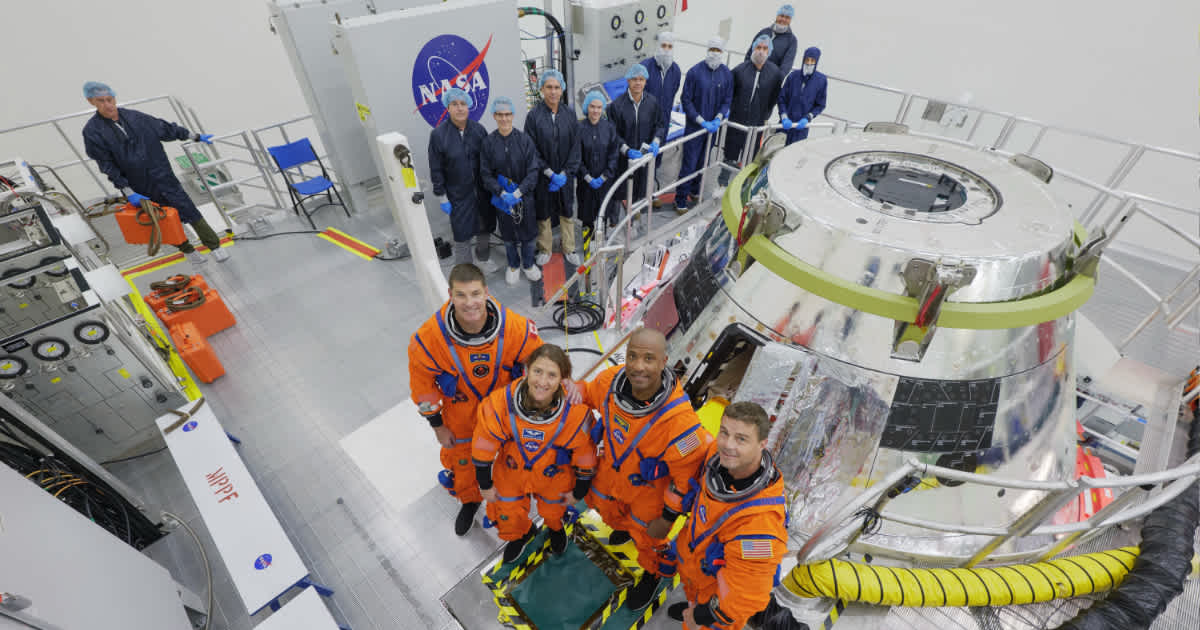
On the day of the launch, April 1, NASA will livestream tanking operations on its YouTube channel at 7:45 a.m. EDT with teams loading the propellants into the SLS rocket. Further coverage of the complete launch will start at 12:50 p.m. EDT. If conditions don’t remain favorable, Artemis II will have to use a backup launch window from April 2–6. Once launched, the SLS rocket and the Orion spacecraft will take the crew on an approximately 10-day mission around the Moon with the potential for breaking the record for the farthest distance traveled by humans.
More on Starlust
Artemis II: All the ways you can keep track of the mission — before, during, and after launch
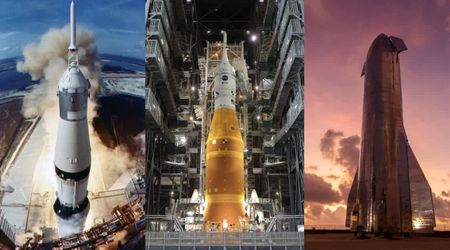
Why the SLS rocket is the perfect fit for the Artemis II mission