NASA's Mars Perseverance rover finds buried river delta in Jezero, improves chances of finding life
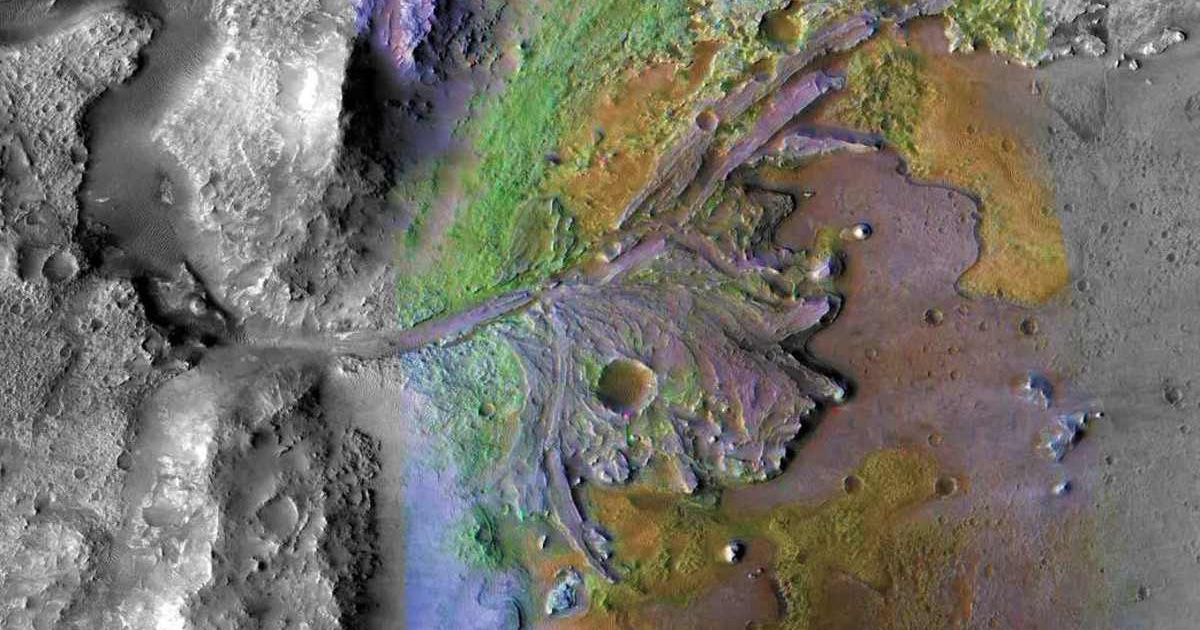
Currently, Mars is hostile to life. But billions of years ago, it was warmer and wetter and could have even supported living organisms. Now, a new discovery that reports the finding of an ancient river delta beneath the fabled Jezero Crater supports this conjecture. Using its ground-penetrating radar, NASA’s Perseverance rover detected the river delta 35 meters below the crater, according to a study published in Science Advances. Perseverance has been exploring the crater and gathering rock samples since it touched down on the Martian surface in February 2021.
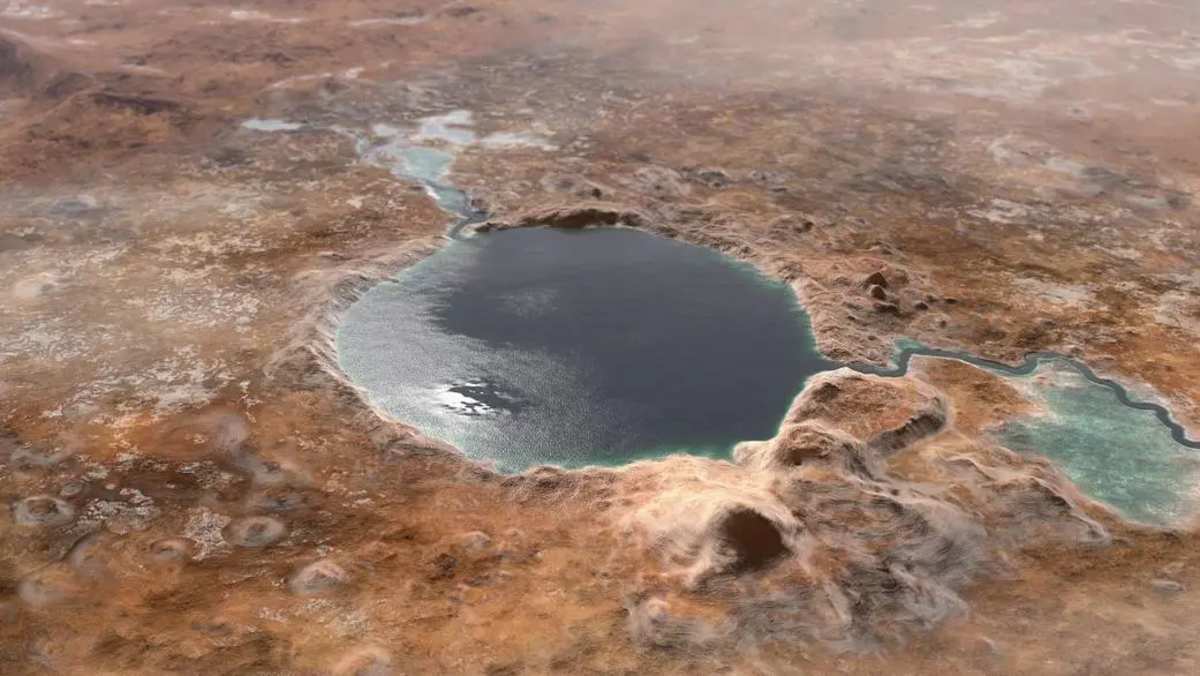
An asteroid that slammed into Mars around 4 billion years ago created the Jezero Crater. Located north of the Martian equator, it is 45 kilometers (28 miles) in diameter. The geological features in this crater suggest that water once flowed here and probably harbored life. This is especially true for a region in the crater called Margin Unit. This area is replete with carbonates, which form on Earth in stable watery environments such as shallow seas and lakebeds. The new study in question is based on 78 traverses of the area between September 2023 and February 2024. While making the trips, the rover scanned the crater floor with an instrument called RIMFAX (Radar Imager for Mars' Subsurface Experiment).

It probed nearly twice as deep as any other radar study had done previously. Combining this radar data with satellite images and the rover GPS, a team led by Emily Cardarelli from the University of California, Los Angeles, has created a 3D map of the crater. The map reveals the pristine layers beneath the red surface. The radar zeroed in on numerous specific structures called clinoforms, sloping layers of sediment characteristic of deltas. These structures form when a flowing river meets a standing body of water, such as a lake. The river deposits sand and mud there. Analyzing such geological features, the researchers think that this delta formed between 3.7 billion and 4.2 billion years ago. This period predates the fan-shaped expanse of sediment visible on the crater floor, known as the Western Delta.
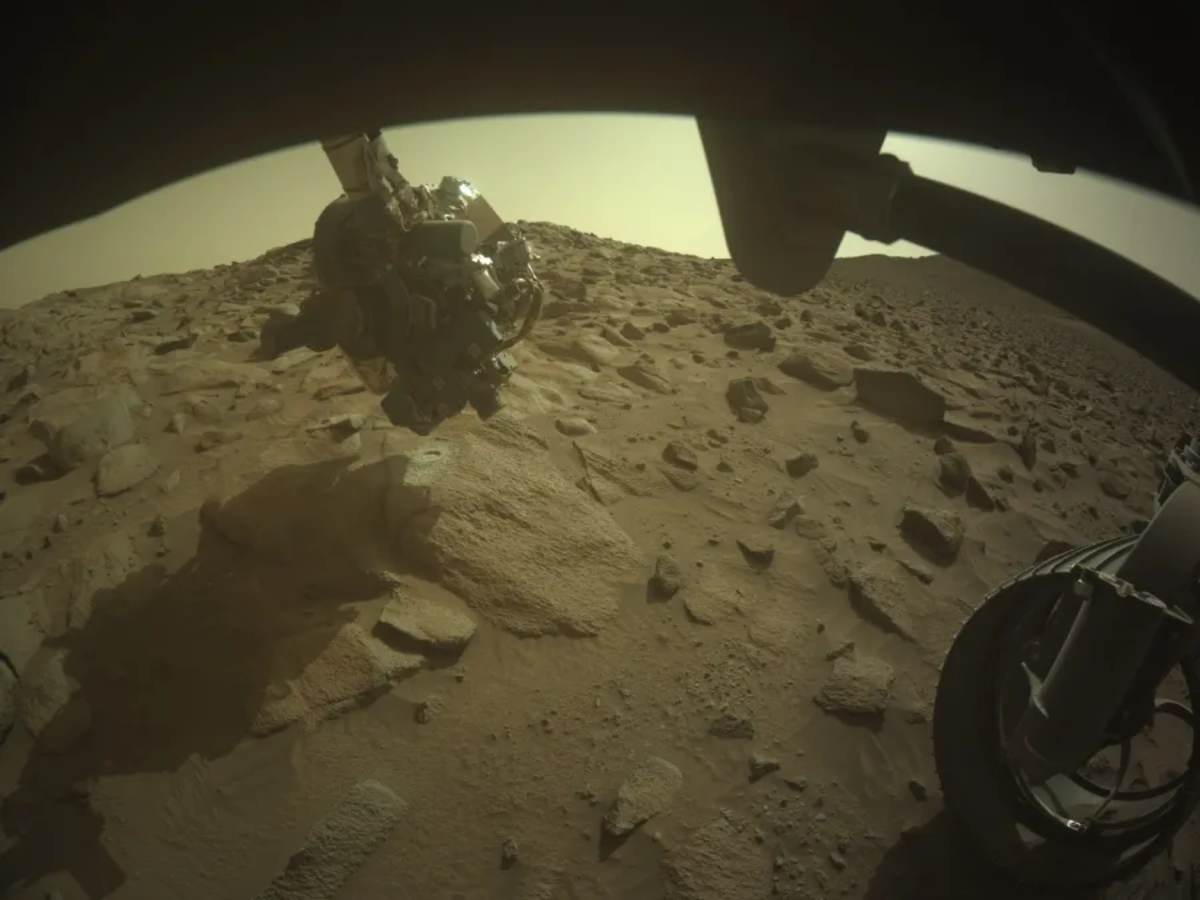
The new discovery gives a snapshot of how Mars’s landscape was in the distant past. The fact that the radar device stumbled upon another subsurface deltaic environment under the present one pushes the presence of water further back in time, thereby also extending the time of habitability in the Jezero Crater. "This work also improves the chances of finding evidence for past life, as the formation of the present-day Delta Fan may have been rapid," the researchers wrote in their paper.
More on Starlust
NASA scientist says terraforming Mars, at least in the near future, is a pipe dream