NASA's Artemis missions timeline: What happens after Artemis II?
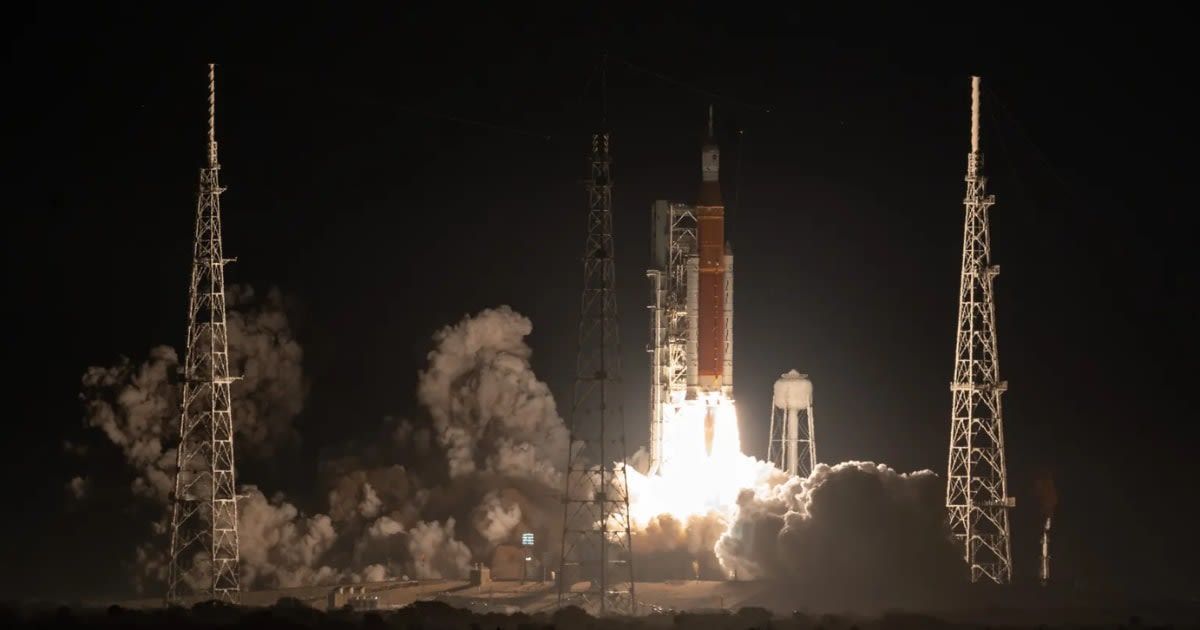
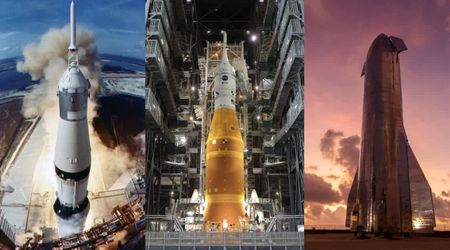
NASA’s Artemis III mission will mark the first crewed lunar landing since Apollo 17, targeting the Moon’s South Pole by 2028 and building on Artemis II’s crewed lunar flyby. Four astronauts will launch aboard the SLS rocket from Kennedy Space Center, travel to lunar orbit in Orion, with two crew members transferring to SpaceX’s Starship Human Landing System (HLS), which is meant to be launched uncrewed to lunar orbit. Once the two crew members move into the Starship HLS, they will descend to the lunar surface for almost a week of surface exploration. This approximately 30-day mission targets shadowed craters potentially rich in water ice, which may open doors to new discoveries.
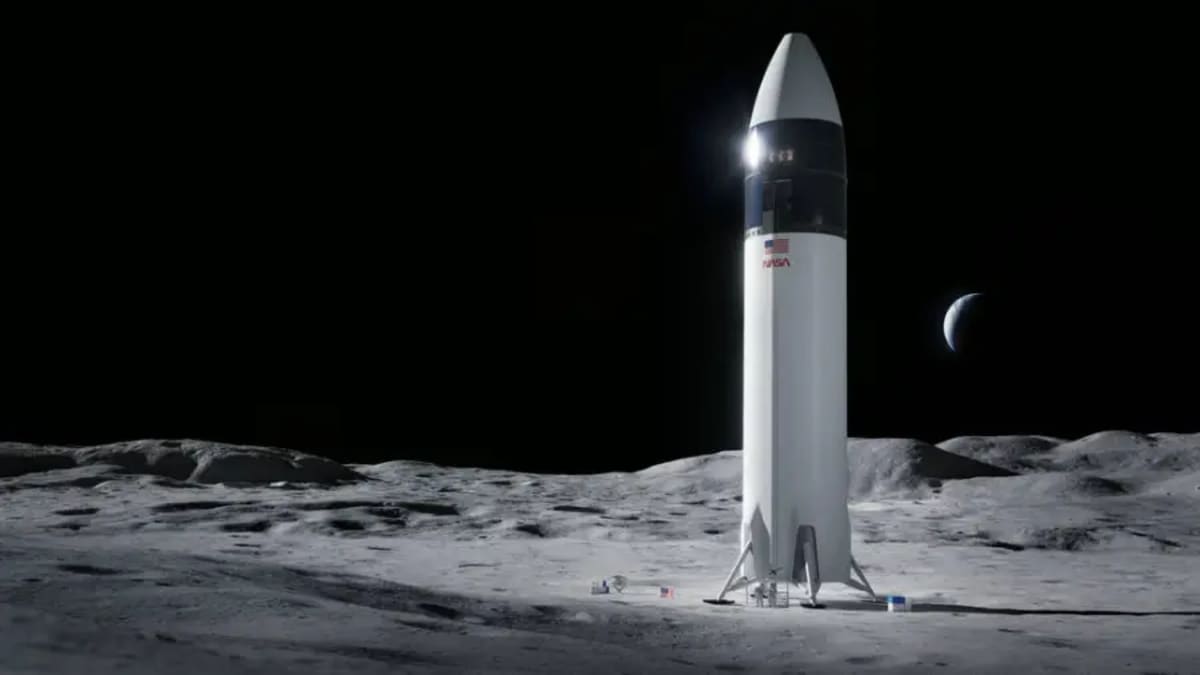
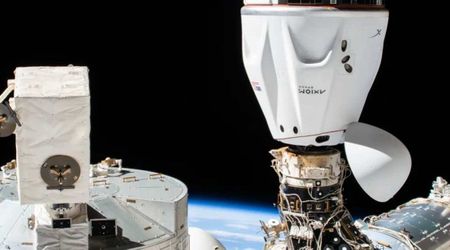
According to NASA, Orion will dock with Starship in lunar orbit, allowing the astronauts to touch down in one of nine South Pole sites. Wearing Axiom Space’s advanced suits—designed as personal life-support systems—they will conduct moonwalks, collect geologic samples, and deploy experiments while the crew of two in the Orion completes a near-rectilinear halo orbit (NRHO) around the Moon. The entire crew will then reunite inside Orion after 6.5 days for a gravity-assisted return, splashing down in the Pacific.

NASA also indicated that the South Pole was identified as the landing site because dark craters may contain frozen water for consumption, oxygen production, and rocket fuel. The upcoming Artemis II mission’s February-April 2026 launch window will test many of the systems so as to provide crucial data for Artemis III’s landing operations.

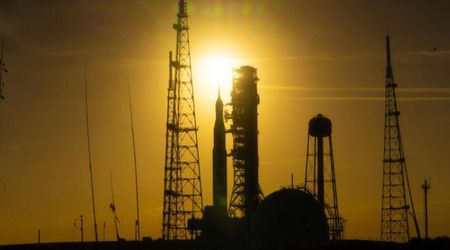
The Artemis II SLS rocket will undergo a wet dress rehearsal no later than February 2, providing a blueprint for similar steps to be undertaken for Artemis III. Partnering with the Colorado Army National Guard, NASA has also developed a foundational flight training course in the Colorado Mountains to train astronauts for a Moon landing. "Artemis astronauts who will land on the Moon will need to master crew coordination and communication with one another,” said Paul Felker, the acting deputy director of flight operations at NASA’s Johnson Space Center in Houston, in a statement.
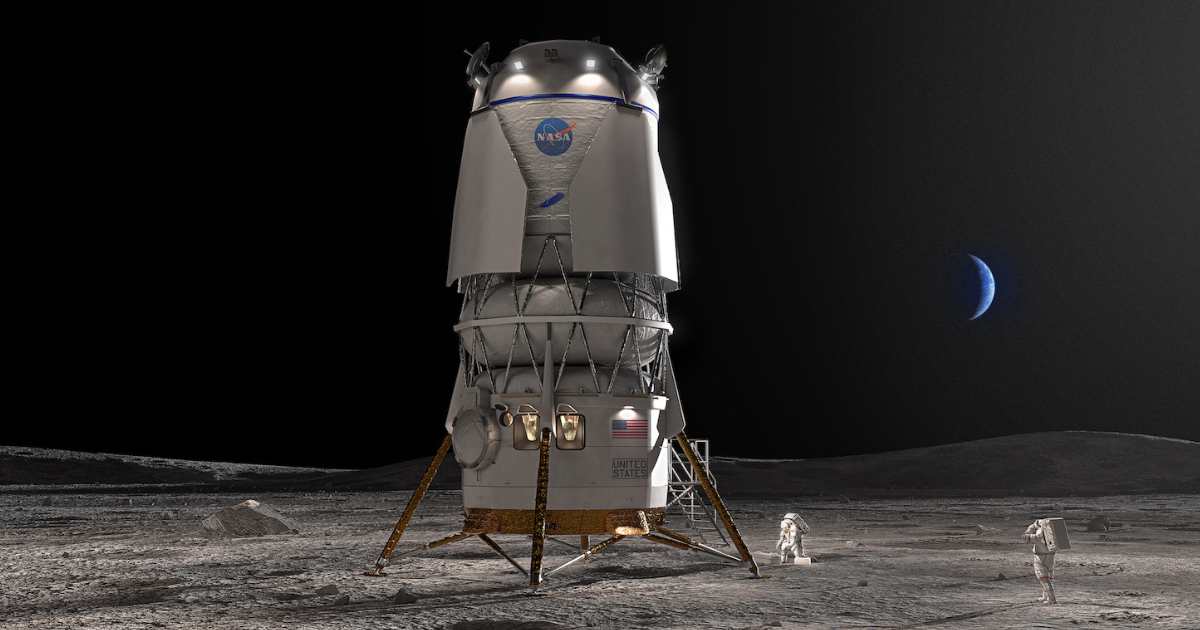
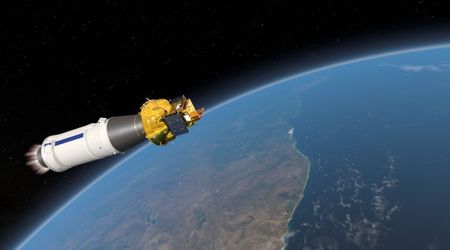
The space agency is also working on the Lunar Gateway. This is a large space station that will remain in lunar orbit, following NRHO. Its components are being built by the likes of NASA, ESA, and JAXA, and it is slated to be functional by the time Artemis IV reaches the Moon. Its two habitable units will provide a pressurized space where astronauts will be able to live, conduct science experiments, cook meals, and exercise. Gateway will also dock future landers, such as the proposed Artemis V Blue Moon lander by Blue Origin, and support surface trips to the Moon’s surface. All of this is to help humans explore beyond the Earth and its Moon, by sustaining them through extended missions in space to eventually prepare them to land on Mars.
More on Starlust
'The best of humanity': NASA's Artemis II crew and their accomplishments so far
Hurry up! NASA is sending names around the Moon for free: Here’s how to get your 'boarding pass'