March 2026 skywatching guide: Blood Worm Moon, planetary conjunctions and the equinox
March is jam-packed with stunning celestial events that will put on a magnificent show across the world. From the beautiful crimson orb, eminent constellation and fascinating auroral effects of the spring equinox to a planet conjunction, there are a lot of interesting sights for skywatchers to look forward to. Here are all the details about the upcoming spectacles.
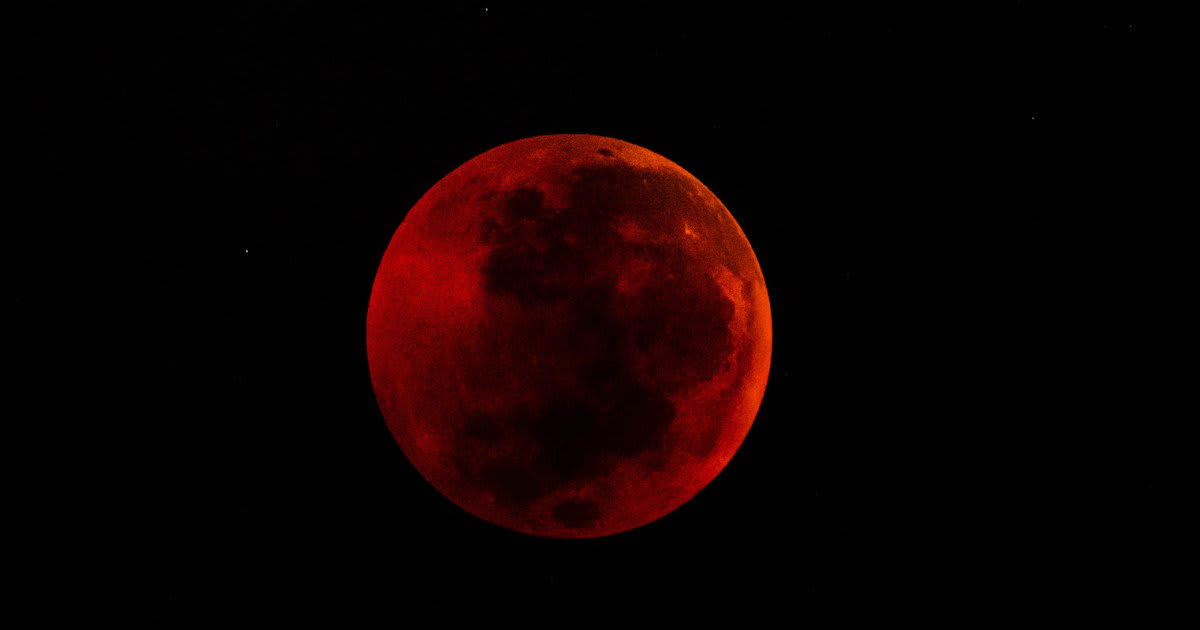
Blood Worm Moon – March 3
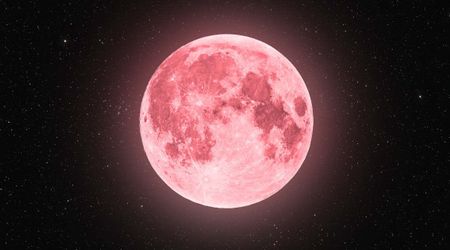
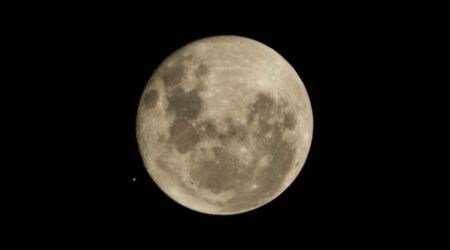
On March 3, 2026, a total lunar eclipse is set to occur, which will bless us with a Blood Worm Moon, marking the last such eclipse we see on Earth until 2028. The eclipse will last over 5 hours, with totality (when the Moon is completely covered by the inner part of Earth's shadow, resulting in its reddish hue) lasting for about 58 minutes from 11:04 UTC (6:04 am EST) to 12:03 UTC (7:03 am EST). During a total lunar eclipse, the Moon is completely engulfed in Earth’s shadow as the Earth, the Sun, and the Moon align themselves in a straight line. This event will be visible across a vast region of the globe, including Asia, Australia, the Pacific and the Americas, but not in Europe or Africa, as the Moon will be below the horizon in most areas there. You don’t need any specialised equipment to view this.
Venus and Saturn Conjunction – March 8
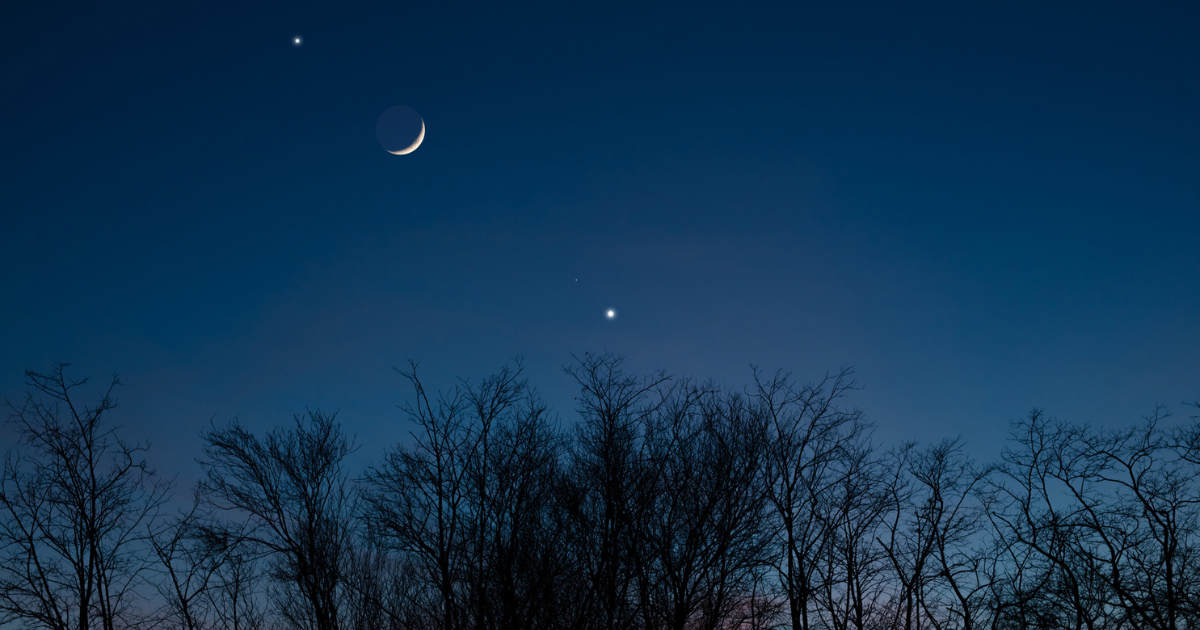
On March 8, 2026, we will witness a planetary conjunction of Venus and Saturn, as they will appear remarkably close to each other in the western evening sky. Over the week, they will slowly drift closer together, eventually being nearly side by side in the evening twilight, around 30 minutes after sunset. According to the Planetary Society, they will appear within roughly 1 degree of each other in the sky, visible to the naked eye, but binoculars and a telescope will enhance the viewing experience.
March Equinox – March 20
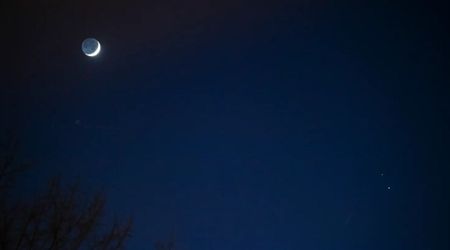
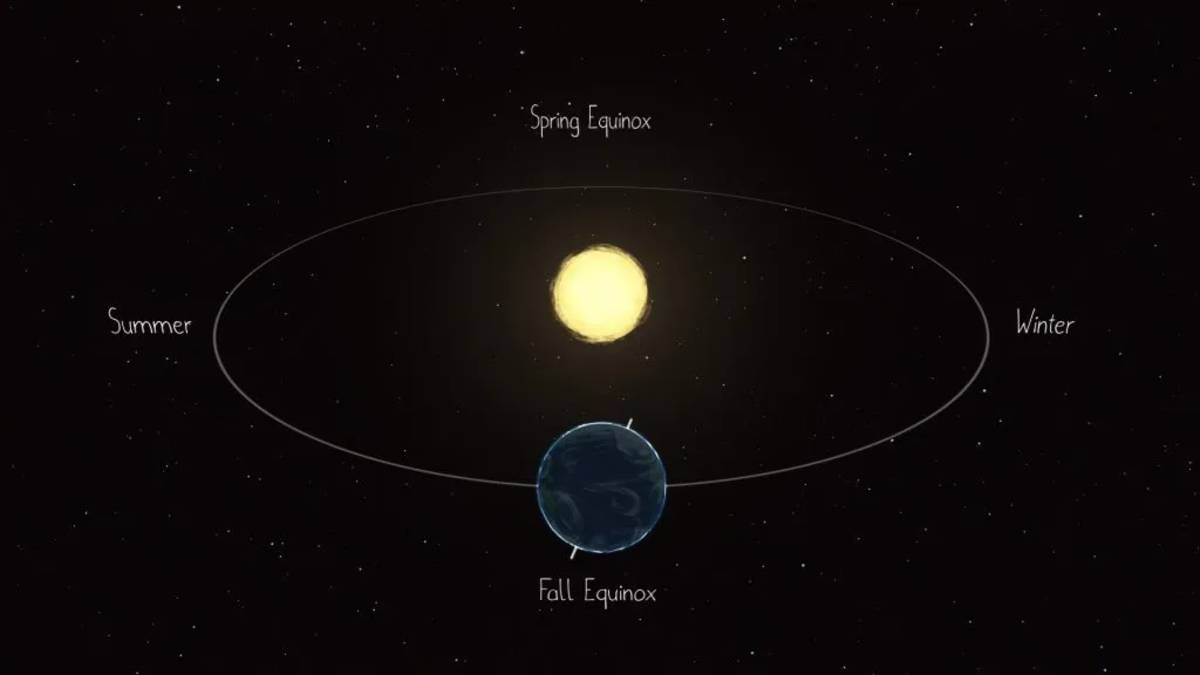
The March equinox, also known as the Spring equinox, is slated for March 20, 2026, at 14:46 UTC (9:46 AM EST), according to TimeandDate. An equinox, in Latin meaning “equal night,” occurs when the Sun is directly above a point on Earth’s equator, with Earth's axis tilted neither toward nor away from the Sun. The March equinox occurs when the Sun crosses the equator from south to north, marking the start of our planet’s year. On equinox day, the amount of day and night is almost equal in both hemispheres. In the Northern Hemisphere, it’s known as the spring equinox. It marks the period when the day starts to become longer than night, while in the Southern Hemisphere, it’s known as the autumnal equinox, when nights start to become longer than days. Alongside this, you will also be able to see another beautiful spectacle, the Moon-Venus conjunction, as the waxing crescent Moon will be near Venus in the sky on the day of the equinox, low down on the western horizon, just after sunset around 7:40 PM EST.
Spring Equinox Auroras – March 20
The spring equinox on March 20, 2026, also brings dancing streaks of auroras in the sky. Due to the solar wind conditions, it often triggers a flux in geomagnetic activity. This affects the frequency and brightness of the auroras, which will extend for several weeks into the March and September equinoxes. This will offer a prime opportunity for skywatchers to witness an array of colours from the aurora borealis or the northern lights. According to TimeandDate, auroral activity is boosted by two effects: the Russell–McPherron effect, where the Sun’s and Earth’s magnetic fields align to connect, and the equinoctial effect, which occurs when Earth's magnetic poles are tilted at a right angle to solar wind flow, allowing more charged particles to stream towards Earth. Together, these effects make it easier for charged particles to enter Earth’s magnetic field, resulting in more frequent and brighter auroras. The best places to view the northern lights are in high-latitude regions such as Alaska, Canada, Scandinavia, and the northern parts of the UK.

Gemini, Jupiter and the Moon – March 26 - 27
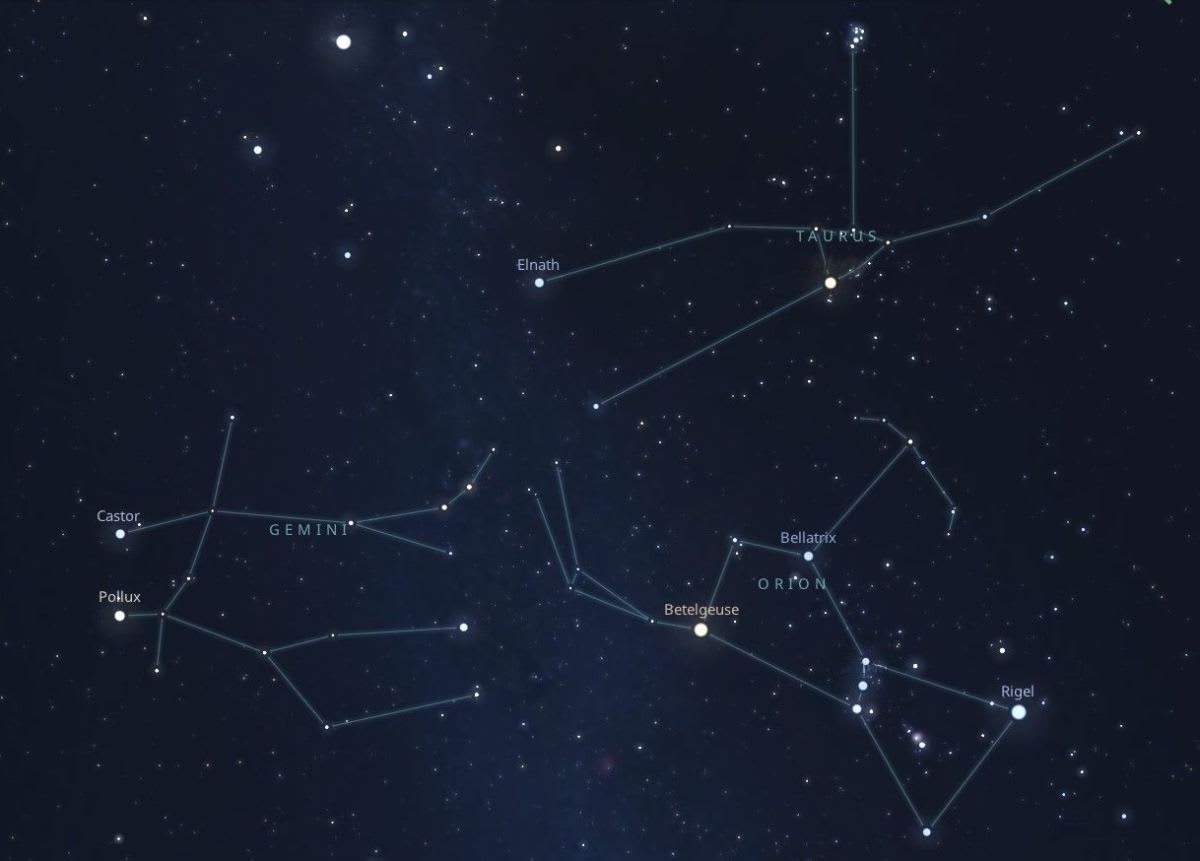
On March 26, 2026, a fascinating spectacle of the First Quarter Moon will be visible next to Jupiter in the constellation Gemini around 8:00 PM EST, as per TimeandDate. With a pair of binoculars, you will also be able to spot Jupiter’s four largest moons as tiny points of light in the sky. The following night, March 27, 2026, the Moon will be quite close to the twin stars of Gemini, Castor and Pollux, as it will be in a waxing gibbous phase with a 64% illumination, as per Fox Weather. The ideal viewing place will be from the Northern Hemisphere in the evening hours after sunset, visible to the naked eye. Binoculars will enhance the orange glow of Pollux against the Moon's white light. Saturn will be near solar conjunction at this time and will not be visible. This is a great time to spot Gemini in the evening sky as it will be quite prominent. You can look for the Gemini twins high in the evening sky after sunset.
So, skywatchers stay ready for an exciting month of celestial events!
More on Starlust
NASA's top skywatching events for 2026: Total lunar eclipse, Perseid meteor shower and more