Jupiter’s moon Europa may lack geological spark needed for life, new study finds
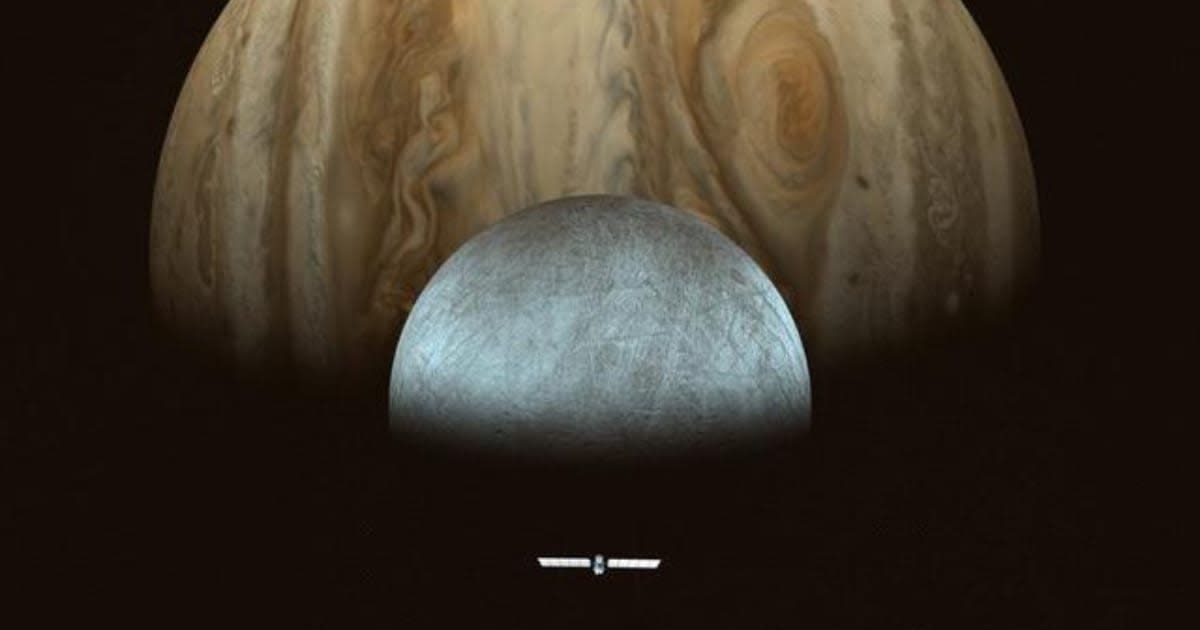
For decades, scientists have speculated with considerable optimism that the vast ocean on Jupiter's icy moon Europa could have the right conditions to support life. But now, a new study published in Nature Communications has thrown a major challenge to the theory.

Washington University associate professor Paul Byrne and his team carried out calculations that took into account Europa's size, the composition of its rocky core, and Jupiter's gravity, only to come to the conclusion that the moon is completely devoid of underwater geologic activity—be it tectonic motion or warm hydrothermal vents—that would be an indication of life.
While Europa is not as big as our Moon, its water content is still probably more than that of Earth. And beneath that water, which likely has a depth of about 100 kilometers, is a core similar to that of Earth. However, Byrne and his team found that the rocky core of Europa, unlike that of Earth, has probably been cold for billions of years now. The large planet Jupiter’s gravity indeed offers some heating by means of tidal pulling, but the study suggests that this force is not strong enough to result in volcanic activity or seafloor fracture. “If we could explore that ocean with a remote-control submarine, we predict we wouldn’t see any new fractures, active volcanoes, or plumes of hot water on the seafloor,” Byrne stated. "Geologically, there’s not a lot happening down there. Everything would be quiet."
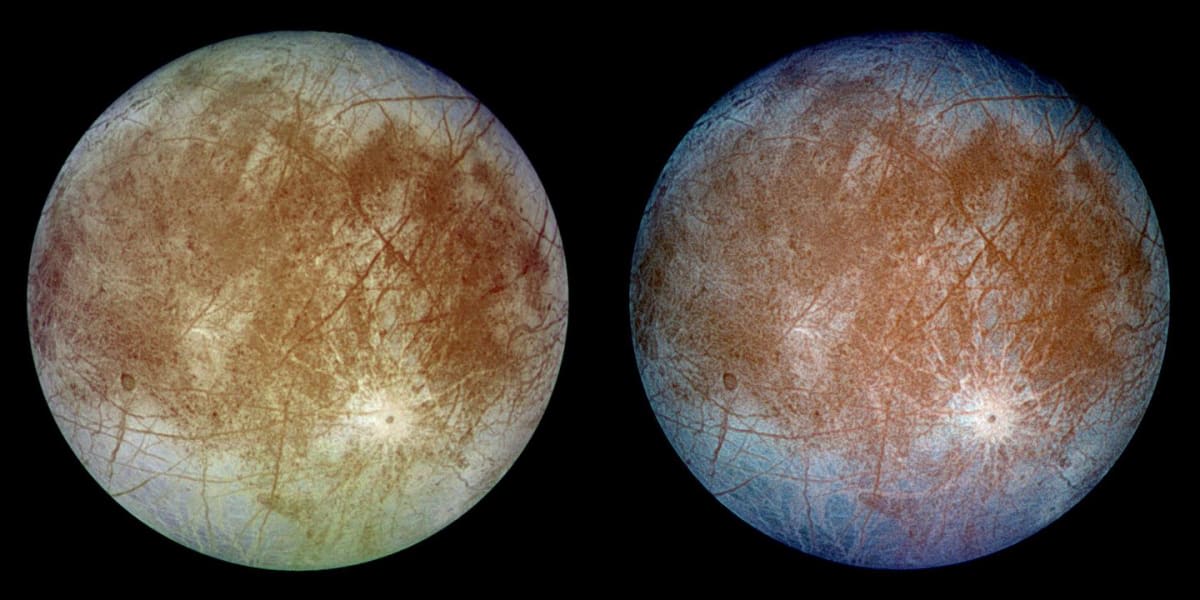
The group of scientists studied Europa and compared it with its neighbor, which is Io, the most volcanically active body in the solar system. Europa's path is more stable, so it receives far less energy than Io, which is constantly squeezed and heated by Jupiter's gravity due to its erratic orbit. "Europa likely has some tidal heating, which is why it’s not completely frozen,” Byrne said. “And it may have had a lot more heating in the distant past. But we don’t see any volcanoes shooting out of the ice today like we see on Io, and our calculations suggest that the tides aren’t strong enough to drive any sort of significant geologic activity at the seafloor."
Although Byrne and his team concluded that there is no life on Europa, Byrne himself is still very much interested in studying it. “I’m really interested to know what that seafloor looks like,” he said. “For all of the talk about the ocean itself, there has been little discussion about the seafloor.”
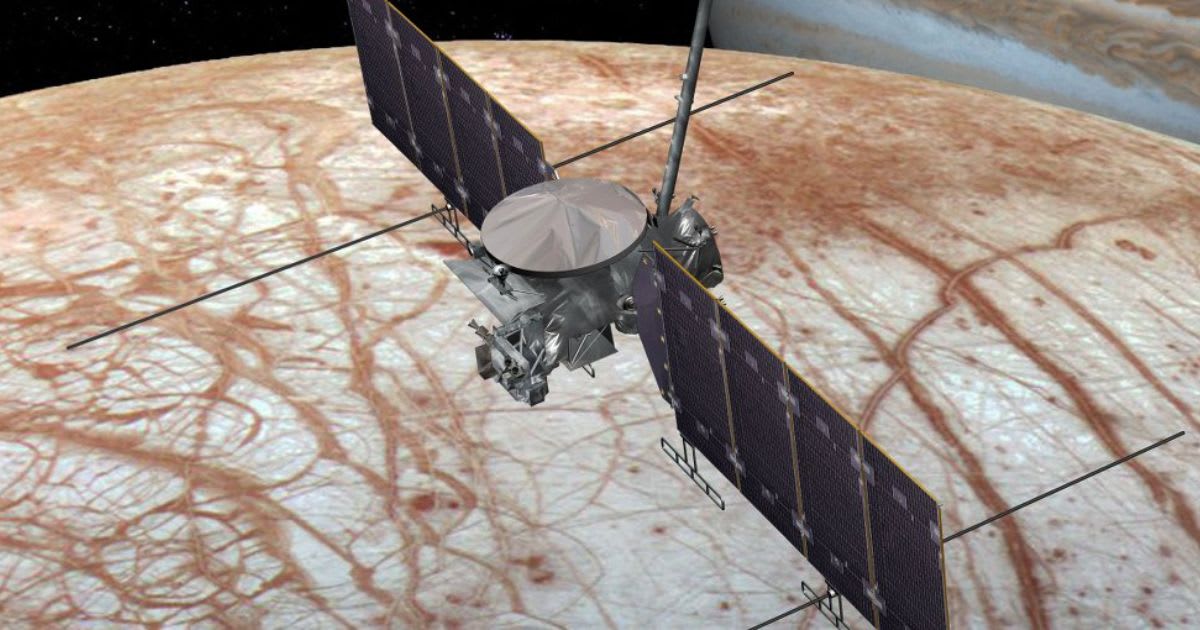
NASA’s Europa Clipper spacecraft is set to reach the Jovian system in 2031. The mission will produce high-resolution images, and the ice crust will be subjected to accurate measurement, which would, in turn, bring more clarity surrounding the moon. Byrne said that even though Europa may be a barren world, he is confident that there are other worlds out there capable of supporting life.
More on Starlust
Bizarre spider-like features spotted on Jupiter's Moon Europa may be similar to those on Earth