'It felt like we were falling back to Earth': Artemis II crew on what had them screaming above the clouds
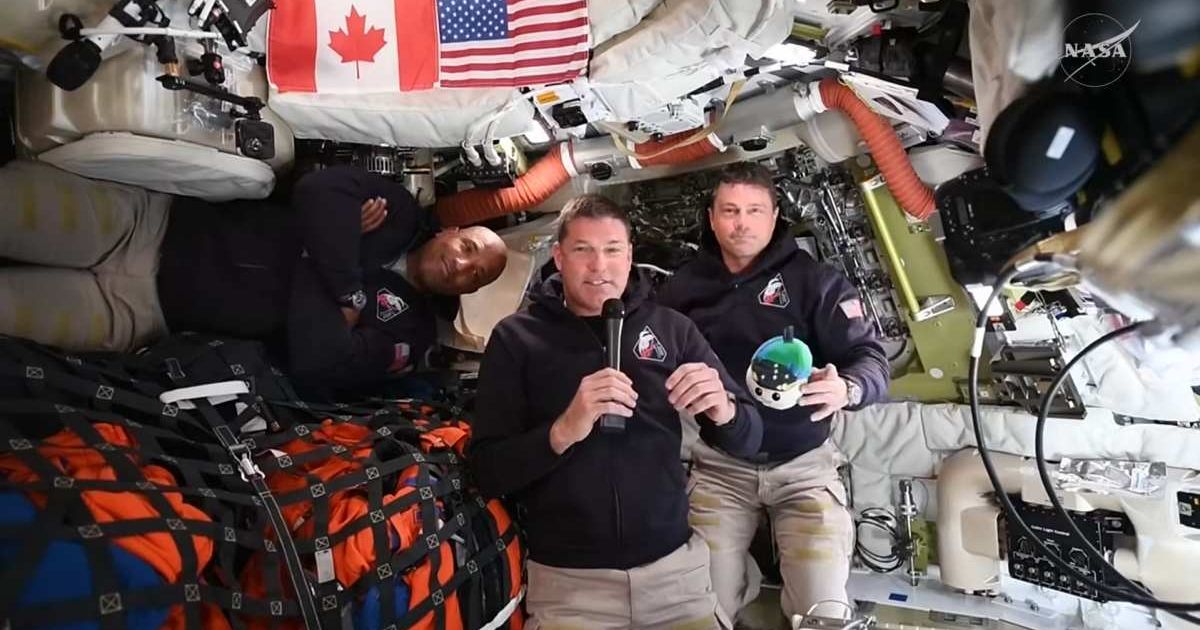
If there's one thing that the two Artemis II downlink events have made abundantly clear, it's that training or simulation, no matter how rigorous it is, can never prepare you for what an actual deep space mission holds. Not really.
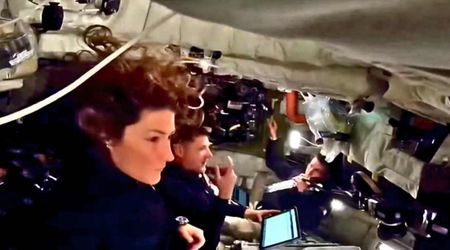
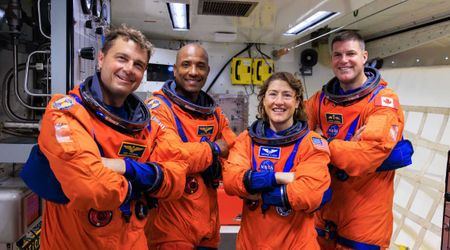
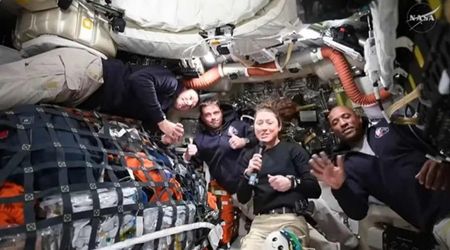
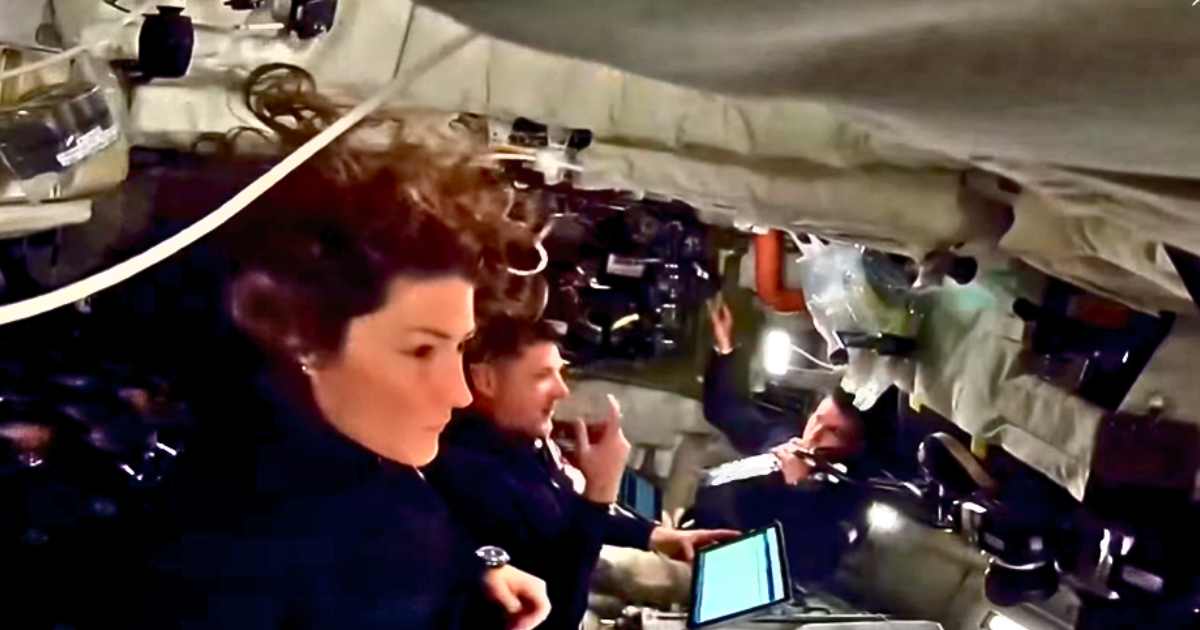
Much like the rest of the crew, the Canadian Space Agency mission specialist Jeremy Hansen has been thoroughly mesmerized by the visuals that he has seen so far. "Gosh, on our first day in space, we saw some extraordinary things—the Earth up close, and then by the time we had a bit of a nap and got up, the Earth was so far away again," he recalled during the downlink event hosted by his home space agency. He was joined by pilot Victor Glover and commander Reid Wiseman at the event, while fellow mission specialist Christina Koch remained hard at work behind the camera for the most part. All of them looked relaxed. And yet, there was a point in the mission not too long ago, where things were a little different, to say the least.
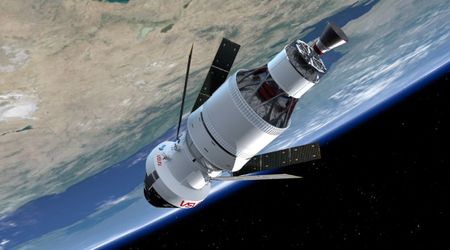
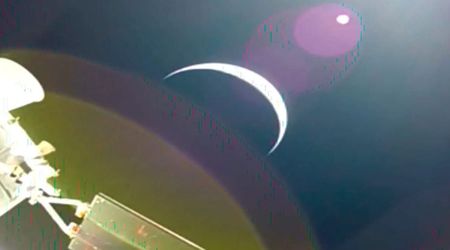
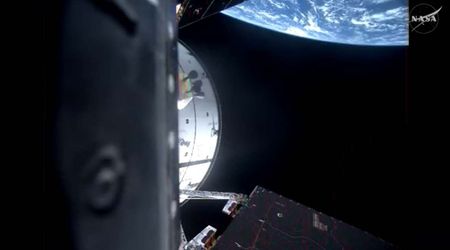
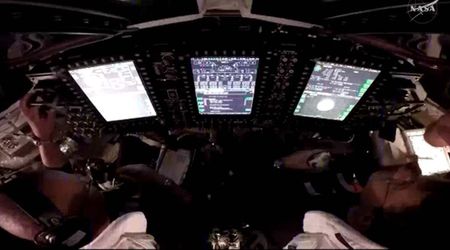
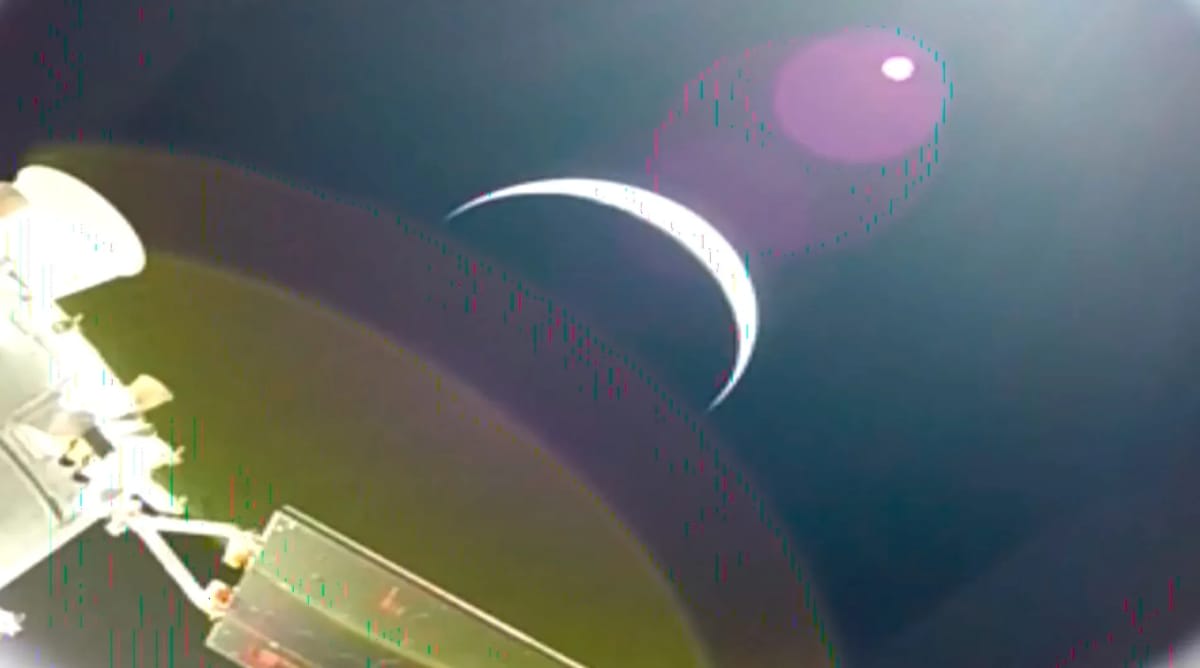
It was the translunar injection. A 5-minute-50-second burn that took place on Flight Day 2, sending the Orion spacecraft out of Earth orbit and on to a free-return trajectory around the Moon and back. As historic as it was for sending humans into deep space for the first time since Apollo 17 in 1972, the drop in altitude that preceded that made the crew a reasonable amount of nervous. "We were out there at 60,000 km, we came back to within 200 km of the planet, and it just felt like we were falling out of the sky back to Earth, and I said to Reid, 'Feels like we're gonna hit it. It's amazing that we are actually gonna go around and miss this thing,' Hansen said. "Some of the things about riding the rocket for us have just been extraordinary, and we have all these simulations, but it felt so different for us in real life, and then the views of the Earth and the crescent Earth are really incredible."
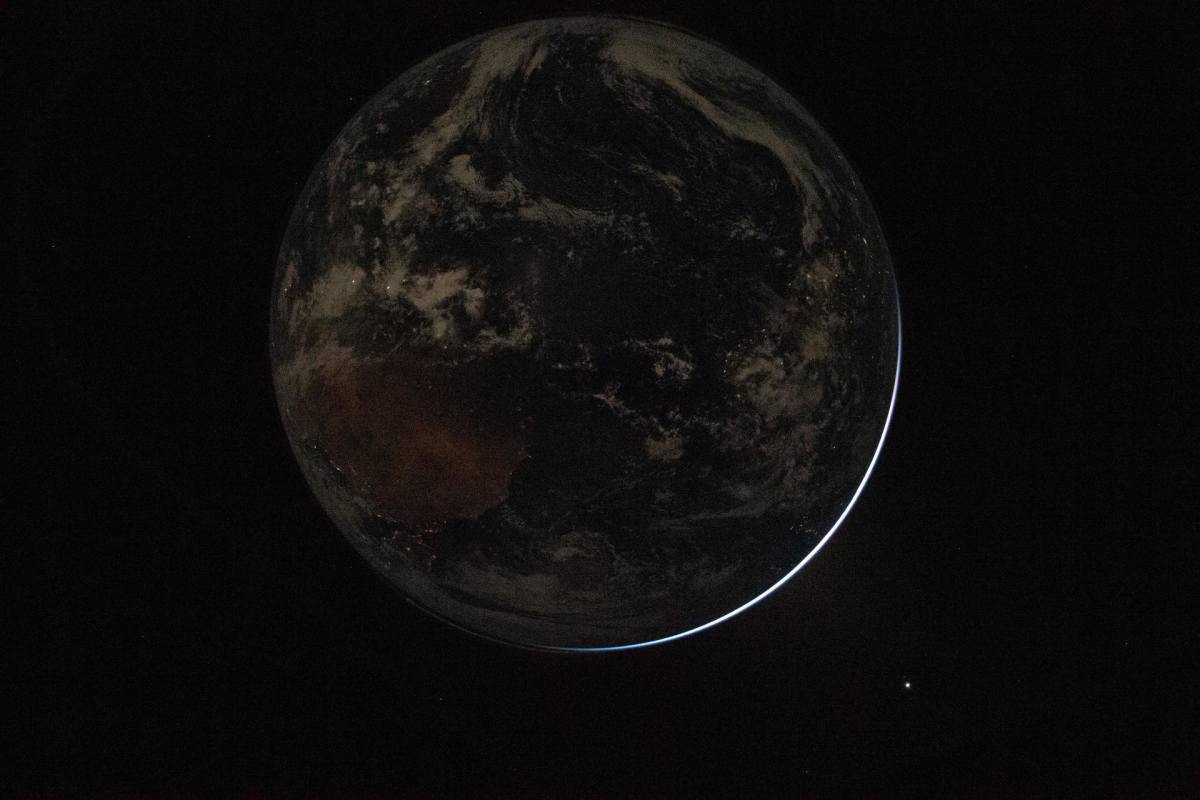
Wiseman, too, chipped in with his thoughts on the same. "Going from 38,000 miles above the Earth yesterday down to 100 miles above the Earth, and then Christina and Jeremy did our TLI just 100 miles off the surface of the planet, we were screaming right above the clouds."
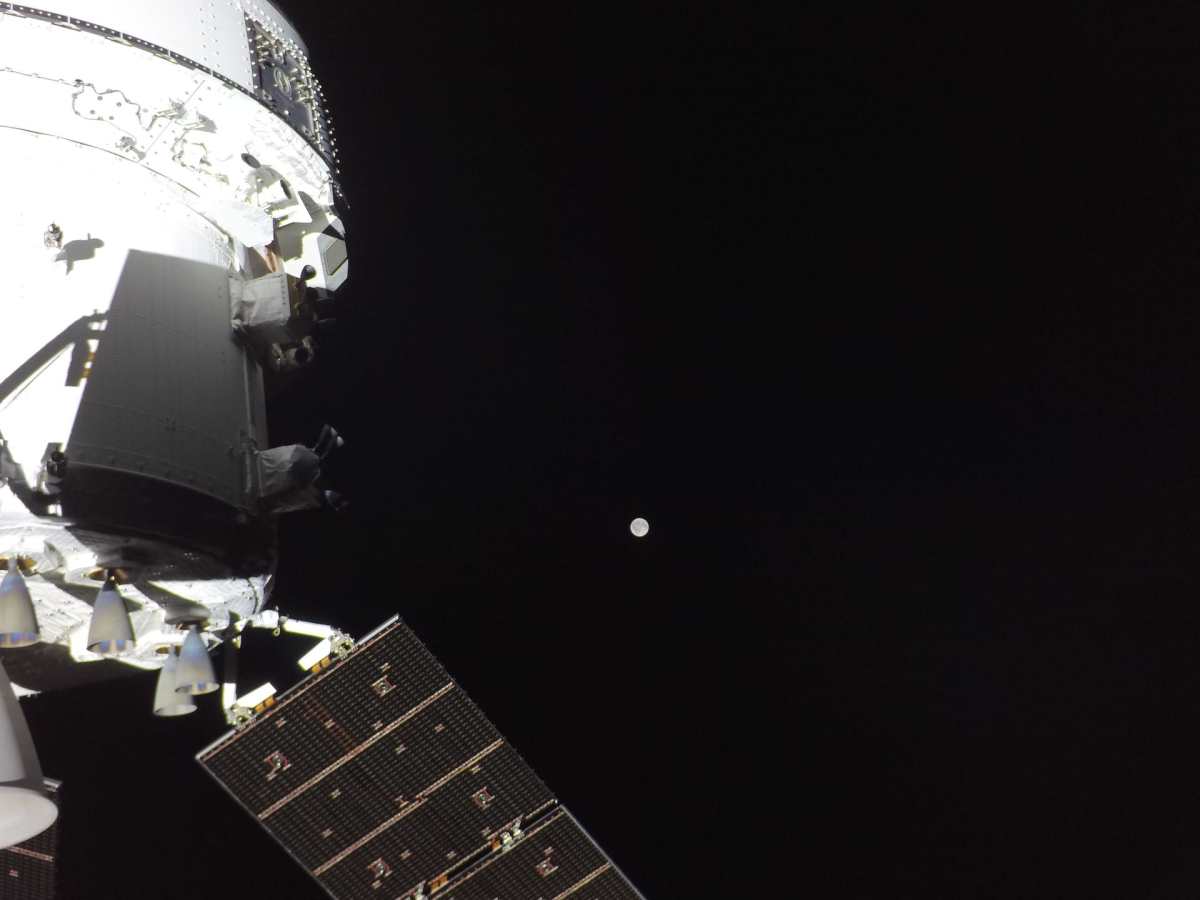
But then again, as scary as the whole procedure might have been, the crew had a lot of inspiration to latch on to, some of which came from Ryland Grace—the goofy but resourceful spacefaring molecular biologist that Ryan Gosling plays in his latest film, Project Hail Mary. Not only did the crew get a chance to watch the film during their quarantine before the launch on April 1, but they also got a special video message from Gosling, who wished them well. Responding to the message from a fellow Canadian, Hansen said, "I would just say to Ryan, you know, art imitates science and vice versa, it seems. And he did a great job in that movie, and it's wonderful to see people really leaning into those roles. I thought it was such an inspirational example."
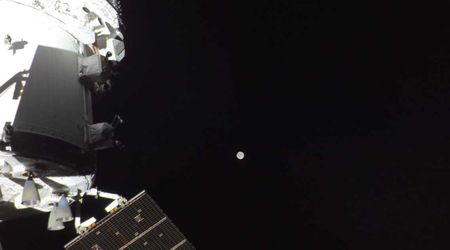
While the Orion won't be traveling as far as Hail Mary did, it now has its crew closer to the Moon than to Earth. The main event of the mission—the lunar flyby—is due on Monday, April 6. On the day, the astronauts will get to see a number of lunar far-side features that no human has laid eyes on directly. Not to mention, they'll also have a solar eclipse waiting for them.
More on Starlust
'There is nothing normal about this': Artemis II astronauts get candid as they head for the Moon
Artemis II crew to get solar radiation forecasts from two new U.S. university-developed models