'Integrity's astronauts, back on Earth': NASA's Artemis II crew returns safely after historic Moon mission
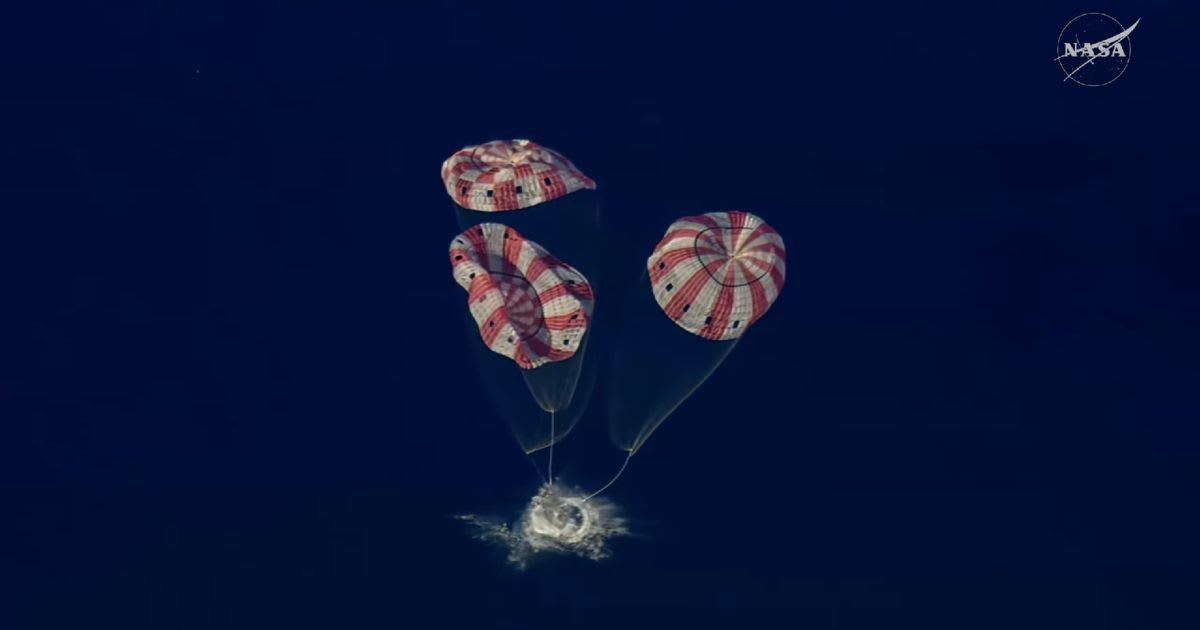
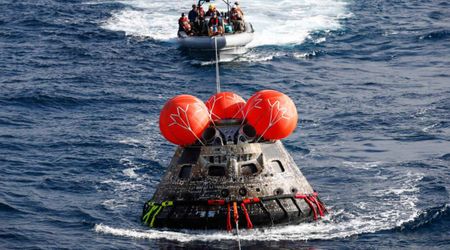
NASA’s Artemis II is now a mission accomplished, as the crew of four astronauts safely returned home to Earth from their historic journey around the Moon. The Orion spacecraft — named Integrity — successfully splashed down in the Pacific Ocean off the coast of San Diego at approximately 8:07 p.m. EDT, streamed live by NASA. At its point of conclusion, the mission covered a grand total of 694,481 miles, thanks to the crew breaking Apollo 13’s long-standing record for the farthest distance traveled by humans. The mission elapsed time was 9 days, 1 hour, 31 minutes and 31 seconds. While this was only a test flight and not a lunar landing attempt, it set the precedent for not just upcoming Artemis missions but all of human deep-space exploration in the future.
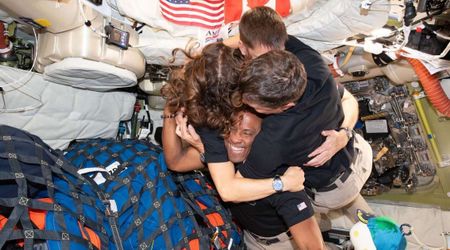
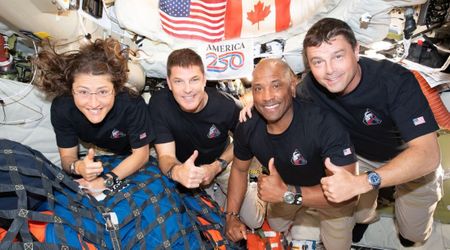
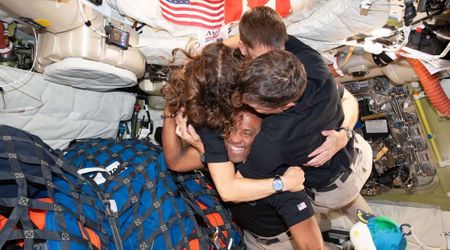
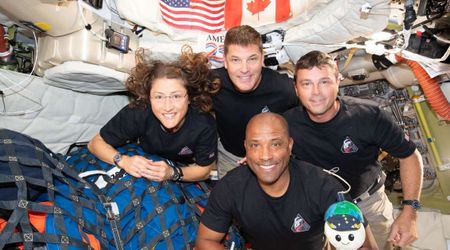
Artemis II mission commander Reid Wiseman, pilot Victor Glover, mission specialists Christina Koch and CSA’s Jeremy Hansen are now back on Earth after ten groundbreaking days in space. Splashdowns are just as difficult to achieve as rocket launches — maybe even more demanding in terms of precision and timing. So, in order to bring the crew back safely, NASA followed a carefully choreographed sequence of events. It all kicked off at 7:33 p.m. EDT, as Orion’s crew module separated from the service module. This exposed its heat shield, designed to protect them from temperatures of about 3,000 degrees Fahrenheit.
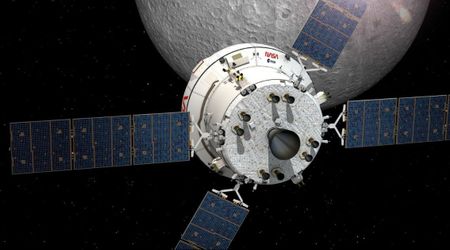
Orion’s crew and service module have separated. The crew module continues on its path towards Earth while the service module will harmlessly burn up in Earth’s atmosphere over the Pacific Ocean. The Artemis II return trajectory is designed to ensure any remaining debris does not… pic.twitter.com/k3v1CsFjuZ
— NASA Artemis (@NASAArtemis) April 10, 2026
A crew module raise burn was conducted to align Orion for atmospheric entry, following which at 7:53 p.m., the spacecraft hit the Earth's upper atmosphere at nearly 35 times the speed of sound. This led to a brief six-minute communications blackout as plasma formed around the capsule. During this critical phase of descent, the crew had to withstand around 3.9 Gs. The spacecraft slowed down, the drogue parachutes deployed at 22,000 feet, followed by the three main parachutes opening at 6,000 feet. This brought the incoming Orion’s speed down to under 136 mph, then to about 20 mph before splashing down in the Pacific Ocean.
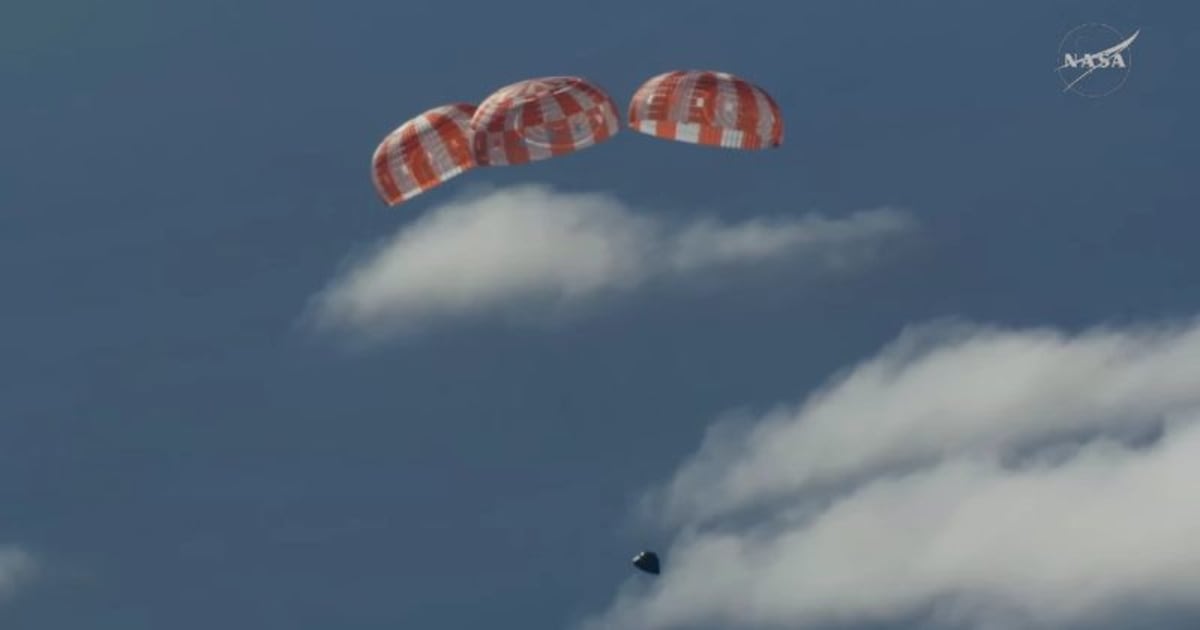
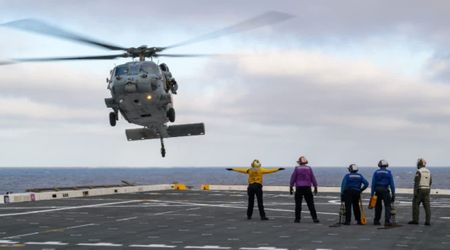
Following the successful splashdown, recovery operations are underway with teams from NASA and the U.S. military quickly moving in. Once all four astronauts are retrieved from Orion, they will be assisted onto inflatable rafts, and airlifted via helicopter to the USS John P. Murtha. As part of protocol, the crew will then undergo a series of post-flight medical evaluations before returning to Houston. And that's the curtain call for an already-iconic mission that launched on April 1 at 6:35 p.m. EDT aboard NASA’s Space Launch System (SLS) from Kennedy Space Center. During the lunar flyby, the astronauts tested Orion’s systems, performed manual piloting operations, and more importantly, got to fly around and observe the far side of the Moon for the first time ever.
More on Starlust
Artemis II: Inside the massive dataset delivered by the historic seven-hour lunar flyby
As Artemis II heads back home, here's a look at the highlights of the historic lunar flyby