Inexpensive fiber-optic cables could help future Moon missions by detecting moonquakes
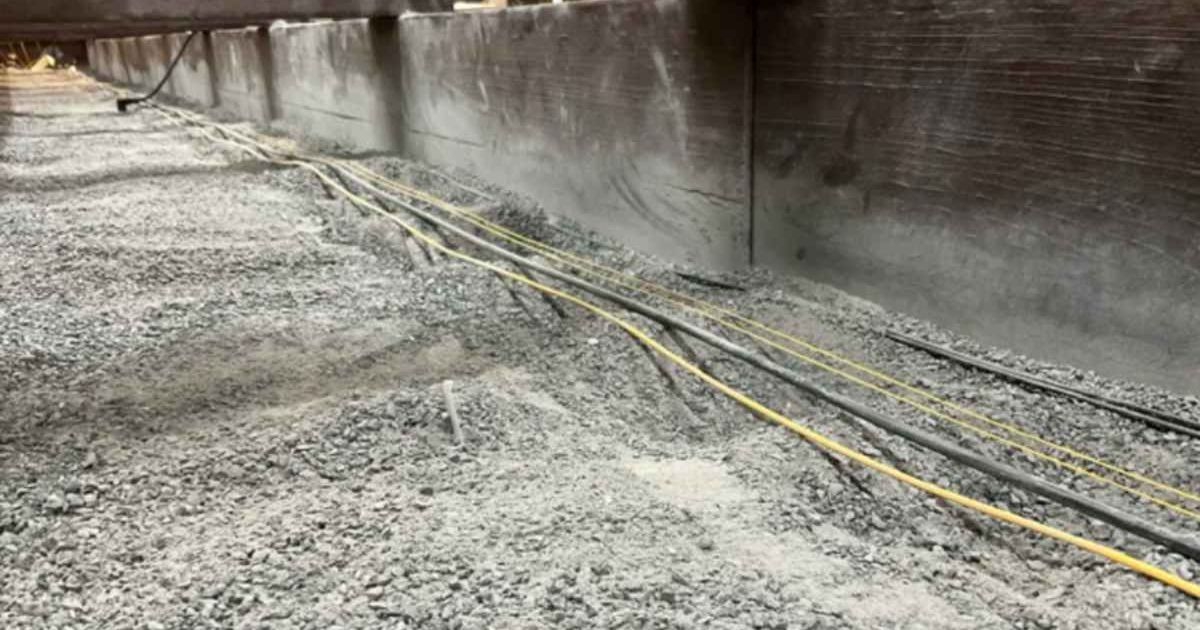
The optical fibers that are used on Earth for high-speed data transmission for the Internet and other telecommunication purposes may push moon missions on the road to success. They can be used to record moonquakes, claims a research team at the Los Alamos National Laboratory. This offers an easy way to capture lunar seismic data that will benefit future crewed missions to the Moon and rover-based explorations. The researchers describe their findings in two recent papers.
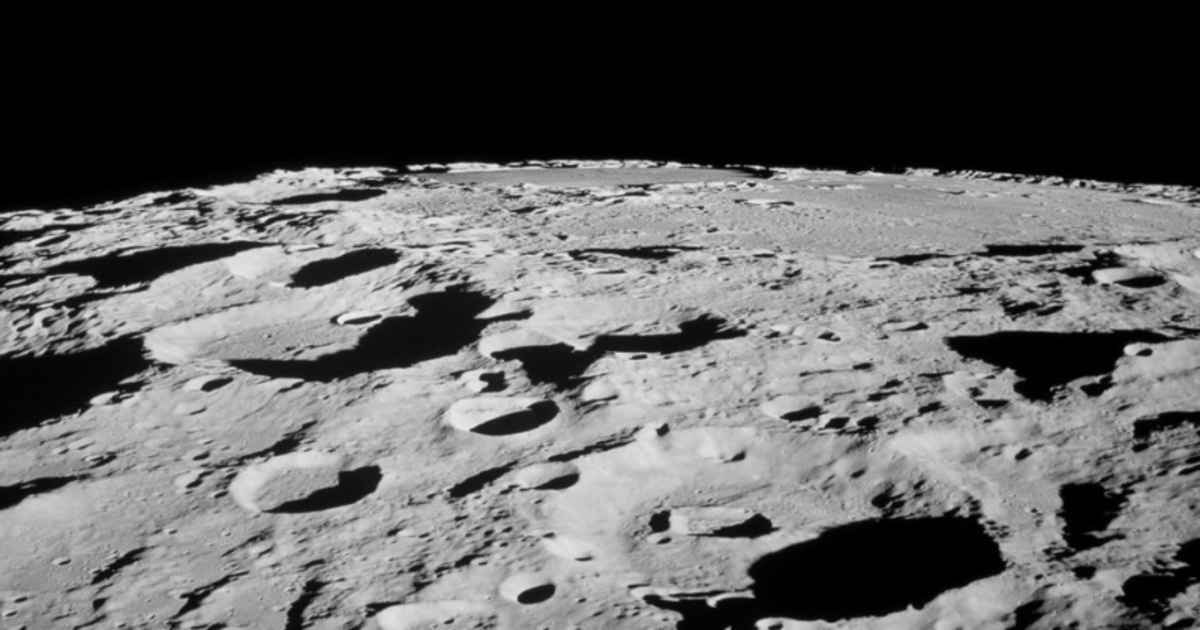
“The moon has a lot of seismic activity, but deploying traditional seismic sensors like seismometers is extremely difficult and costly,” said co-author Carly M. Donahue, a scientist at Los Alamos National Laboratory, in a statement. “Fiber-optic cables are lightweight, robust, and inexpensive, so we wondered: Could they be used on the surface of the moon to detect seismic activity there?” The slowly moving tectonic plates, when collide, trigger quakes on Earth. But that's not the case with the Moon. Our planet's gravitational pull, extreme difference between day and night temperatures and meteorites’ impacts cause moonquakes. The daytime temperatures can cross 200 degrees Fahrenheit and nighttime temperatures plummet below minus-200 degrees. This causes the lunar surface to expand and then contract, inducing small, shallow quakes. Although the quakes are small, they linger on the Moon before fading out. “The moon doesn’t dissipate energy well,” Donahue said. “It takes a very long time for the seismicity to die down.” Seismic data can also unravel some secrets, such as the composition of the lunar core and whether it has any faults.
In the 1960s and 70s, astronauts on five Apollo missions planted seismometers on the Moon. Those devices beamed back lunar seismic data to ground stations on Earth until 1977. Despite being hailed for their ability to detect surface shaking, they have limited capacity. “Seismometers sit in one location and are good at collecting data from that one site. But what about further away?” Donahue said. “We wanted to know if it would be possible to use a robot or rover to launch fiber-optic cables across many kilometers on the surface of the moon without burying them and still get useful data.” She added, “If so, it would be a much cheaper, more efficient way to gather data without requiring an astronaut to travel long distances to install sensors or the extensive on-site support systems used during the Apollo missions.”
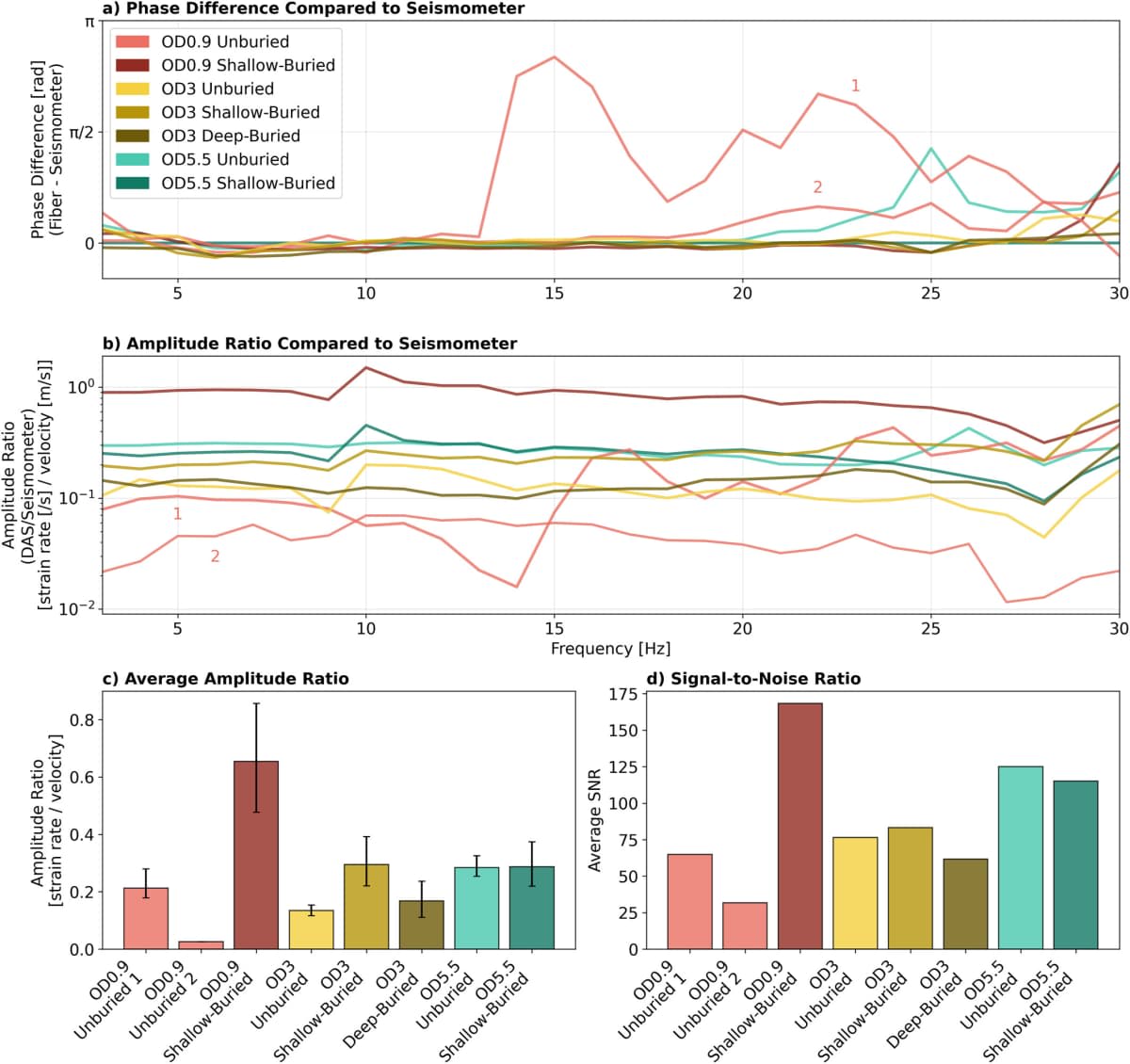
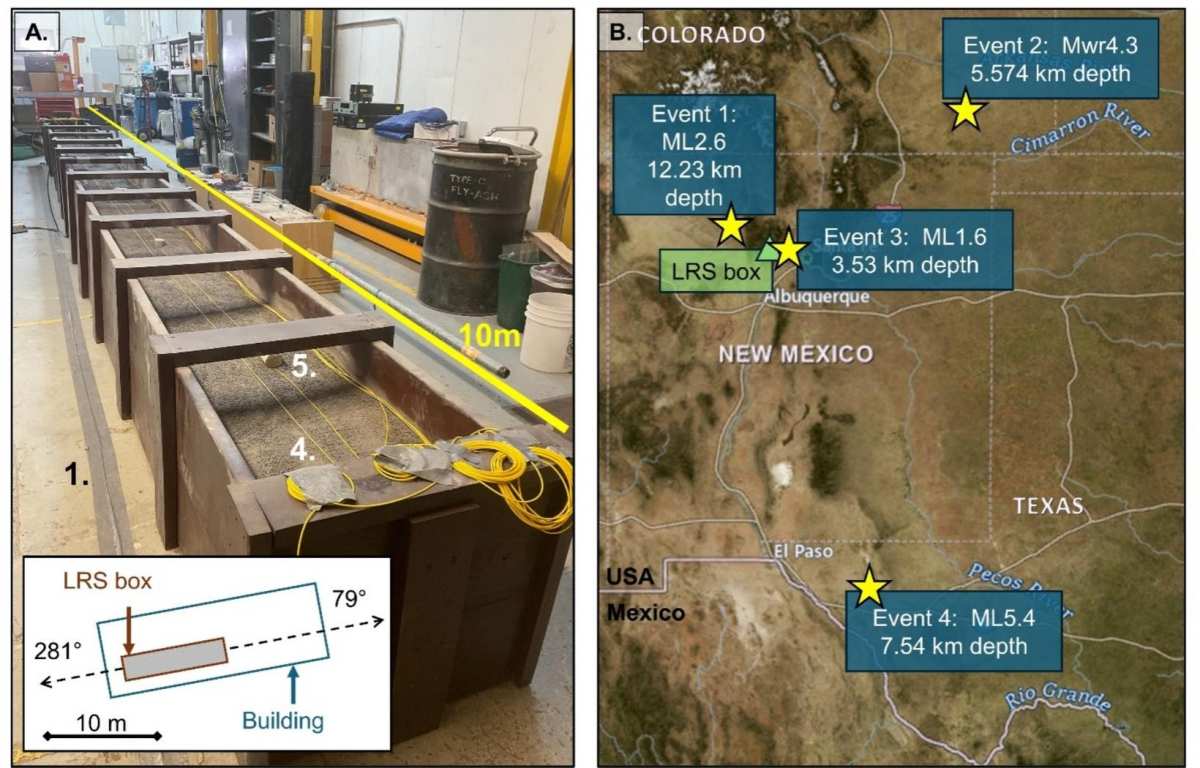
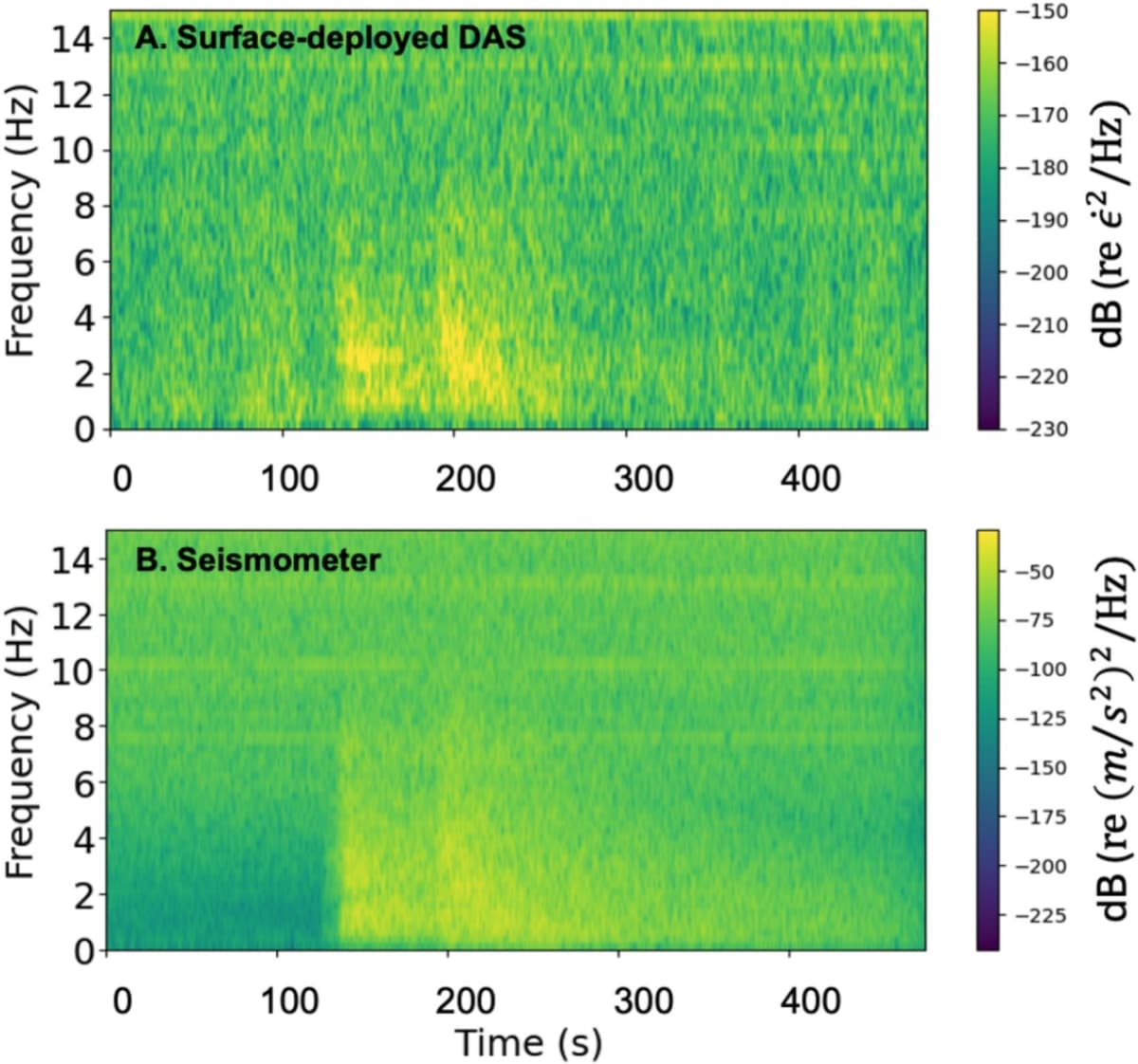
Donahue and her colleagues wanted to probe whether the burial depth of fiber optics affects the signal transmission through such cables on the Moon. On Earth, the cables must be under the soil because even slowly moving winds shake the fiber. This makes it difficult to extract data from the wind-generated noise. But the Moon has a very thin atmosphere. This creates less noise and better signal quality, even when the cables are placed on the lunar surface. In a study published in the journal Icarus, the researchers investigated the potential of the optical fibers by burying them in simulated lunar regolith in an indoor lab at Los Alamos. They did this to minimize noise. The sensors attached to the cables recorded four regional earthquakes and simulated seismic waves, proving that burial depth didn’t affect the clarity of the signal. “This told us that fiber optics would be useful to deploy on the Moon, but we wanted to know how best to deploy them and to understand the physics behind it,” Donahue said.
Next, the onus is on the researchers to choose the right kind of cables that can be laid on the lunar surface. Analysis, published in Earth and Space Science, shows that stiffer, thicker cables and continuous ground contact improved signal strength. She noted, however, that “greater thickness adds more weight, which is always a consideration in spaceflight. “This information allows us to reasonably assess the trade-offs.”
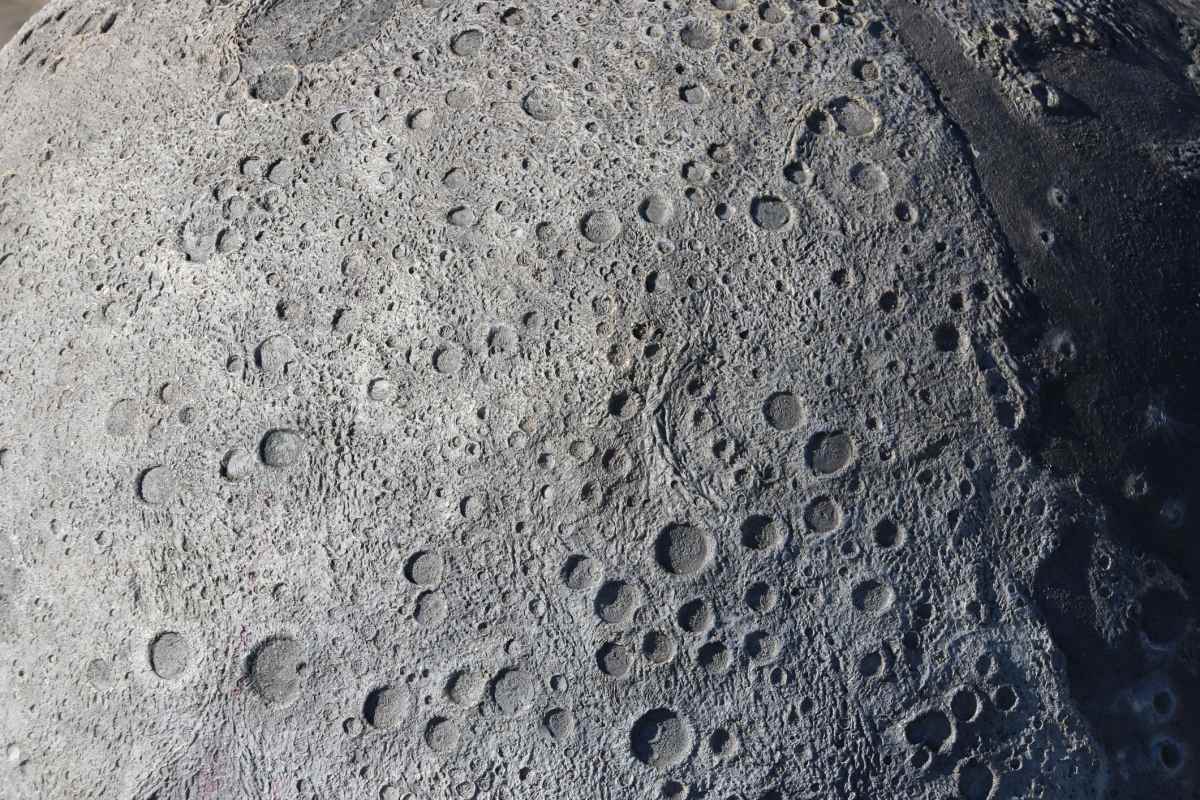
The fiber-optic cables will also be handy to understand hazards that arise when a rocket lands on the Moon. Since there is an extremely thin atmosphere or no launchpads on the lunar surface, a landing rocket blows away particles at speeds of about 2 kilometers per second. “If there are people or structures on the moon, it could essentially sandblast them and cause damage at a great distance,” Donahue said. “But we currently have no way to measure how far those particles travel.” In the future, fiber-optic cables could be used to gather data on how debris spread around a landing site. For this, we need to choose a landing site and place the cables far from it to assess the impact of debris. The researchers are now investigating whether the cables could be put to use for this job.
More on Starlust
NASA 'pauses' Gateway lunar space station for Artemis, shifts focus to $20 billion moon base
The first Chinese astronauts to visit the Moon could land at this 'high-priority' spot