How many exoplanets have we discovered? A look at the most bizarre ones

The Milky Way galaxy has billions of stars in its folds. If each of these stars hosted a planetary system, then the number of planets outside our solar system—exoplanets—would easily reach trillions, according to NASA. However, since the first exoplanet around a Sun-like star was discovered 30 years ago, NASA says only 6,065 exoplanets have been discovered. And some of them have the most bizarre compositions and environments. Let's take a look.
A sauna-like planet
K2-18b is an exoplanet twice as wide as Earth and around eight times heavier. When astronomers discovered it, they were elated, as it showed the potential of becoming the next Earth. This excitement doubled in 2019 when astronomers announced they had detected water vapor in its atmosphere. This also led to the assumption that it might have oceans on its surface like Earth. After all, who wouldn't want to go for a swim on an exoplanet?
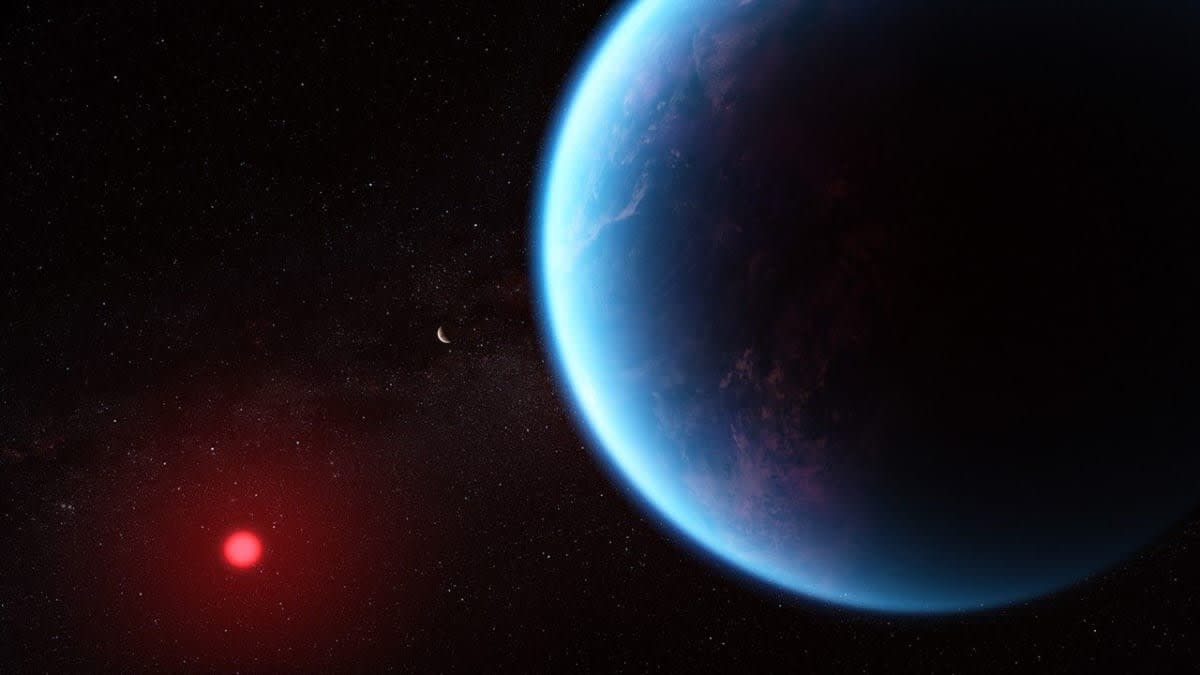
But this joy was short-lived, as it was soon discovered that it resembled Neptune more than Earth. It was smaller than Neptune but wrapped in a thick hydrogen-rich atmosphere, with a deep layer of water above a rocky and iron-rich core. In such conditions, the pressure and temperature would be far too extreme for life, let alone swimming. New research even pointed out that the water on the planet could exist in a strange middle ground between liquid and solid states, with a warm, steamy, sauna-like atmosphere hovering above.
A planet darker than a lump of coal
Discovered in 2011 by NASA's Kepler Space Telescope, TrEs-2b absorbs 99% of the light it is struck with and reflects only 1%, making it the darkest planet ever discovered. The darkness is so overwhelming that it makes the planet nearly invisible in the vast expanse of space.
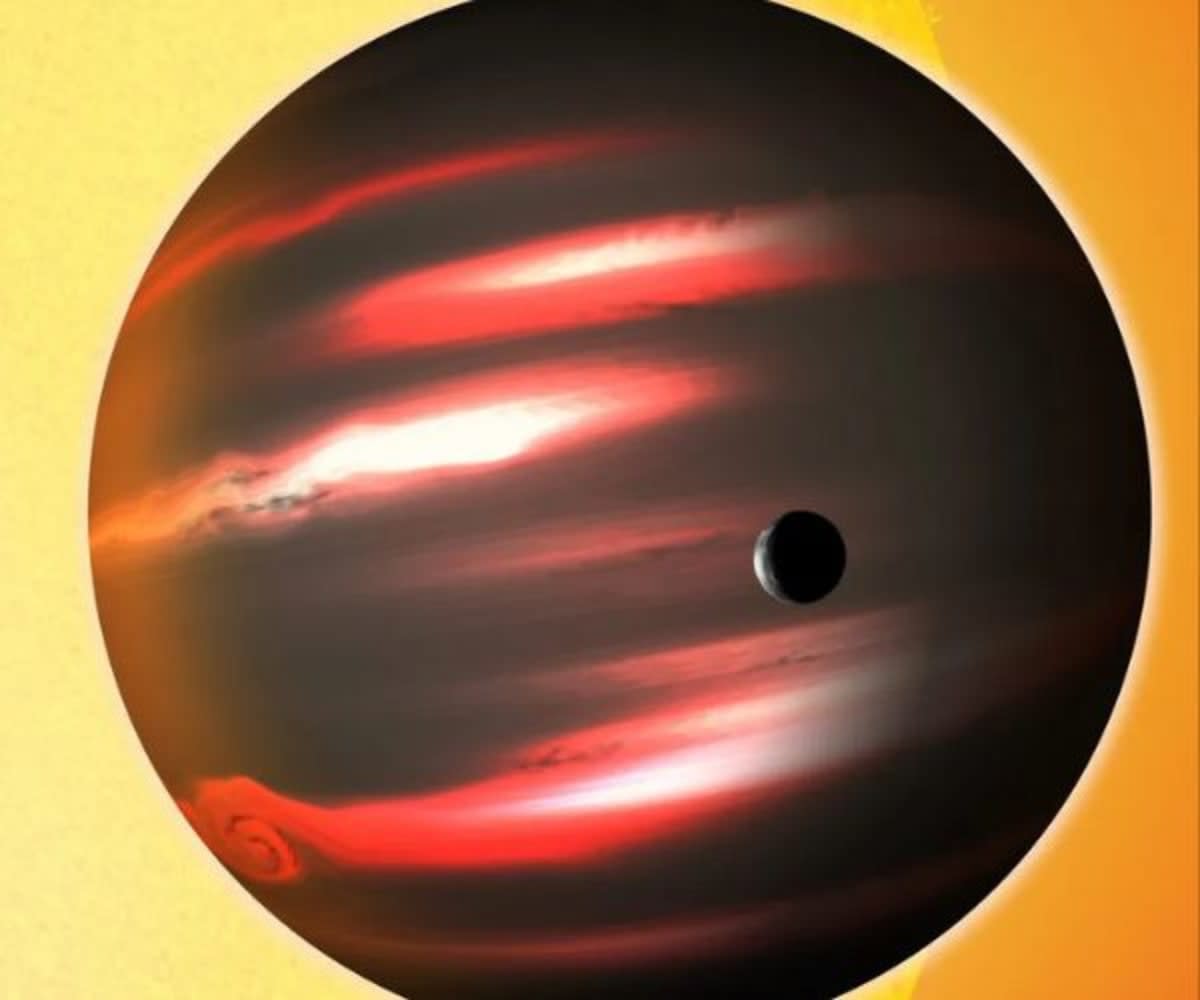
Astronomer David Kipping, who led a study on this exoplanet, had said, “It’s darker than the blackest lump of coal, than dark acrylic paint you might paint with. It’s just ridiculous how dark this planet is.” TrEs-2b is 750 light-years away from us and orbits a star in the constellation Draco.
The hottest exoplanet
Similar to Jupiter, but way hotter, KELT-9b is the hottest gas giant planet ever found. The BBC says that KELT-9b is 2.8 times heavier than Jupiter, yet it is only half as dense. This is because the planet is being blasted by intense radiation from its star, causing it to inflate and puff up like a balloon. The planet is tidally locked, meaning one side of KELT-9b always faces its star while the other side never does.
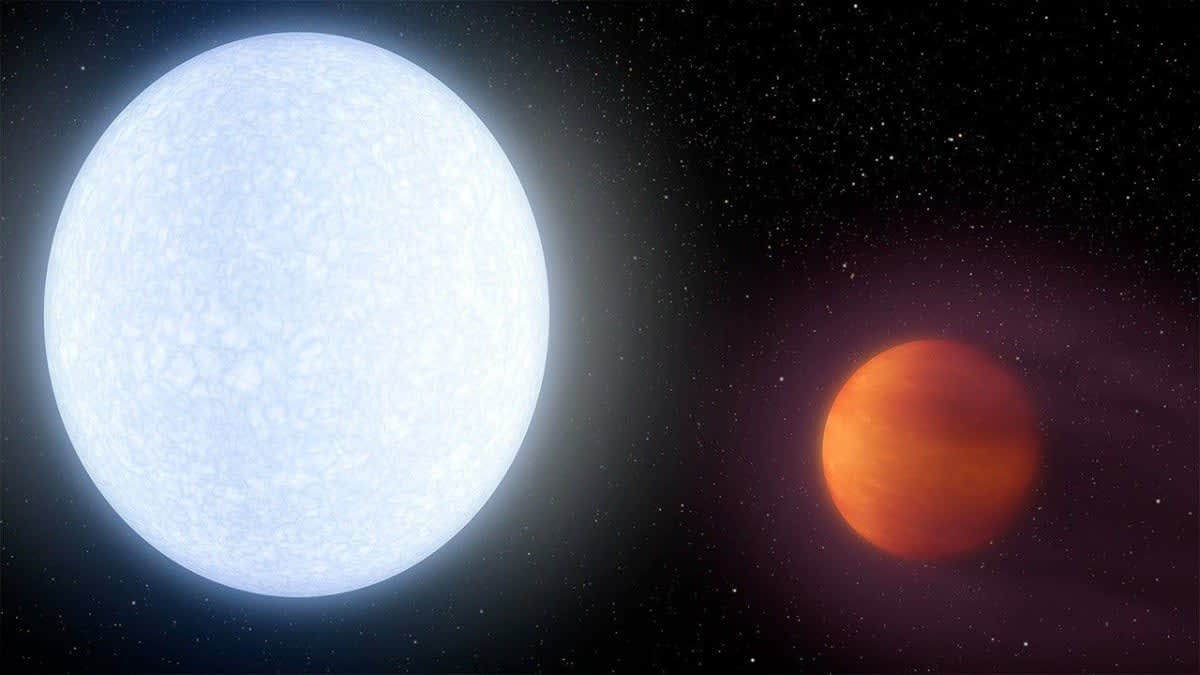
As a result, the same side is in constant daylight and reaches an incredible temperature of about 4,315°C, making it hotter than many stars in the universe. It also possesses a very strange orbit, wherein it orbits almost perpendicular to its star's rotation. Even though KELT-9 is just 300 million years old, it is twice as big as and twice as hot as our Sun, with astronomers predicting that the extreme heat may eventually end up vaporizing the entire planet.
Do not get caught in the rain here
To any unsuspecting space enthusiast, HD 189733 may look like a far-off blue planet just like Earth. But its environment isn't as friendly as ours. According to NASA, it has winds that blow up to 5,400 mph (2 km/s), which is seven times the speed of sound and can whip you around like juice in a blender.
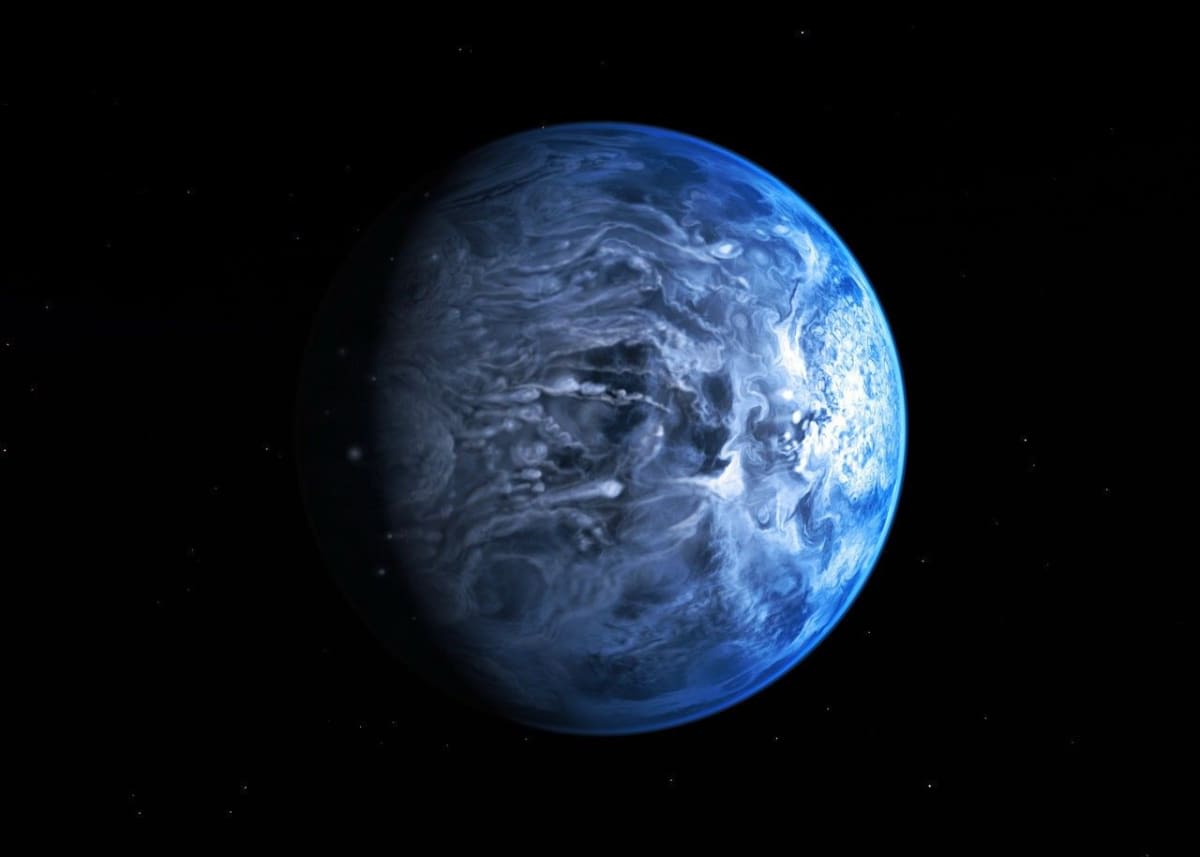
But what's arguably even worse is getting caught in the rain on this planet. That's because it rains glass, and that too sideways. The cobalt blue color comes not from the reflection of a tropical ocean, as on Earth, but rather from a hazy, blow-torched atmosphere containing high clouds laced with silicate particles. And when these clouds pour, they do so sideways. That's instant death with a thousand cuts.
More on Starlust
Hubble spotted two cores in a nearby galaxy—now James Webb may have caught the reason in action
Supermassive black holes may be surprisingly picky eaters, new study finds