Here's why March is the best month for viewing the aurora
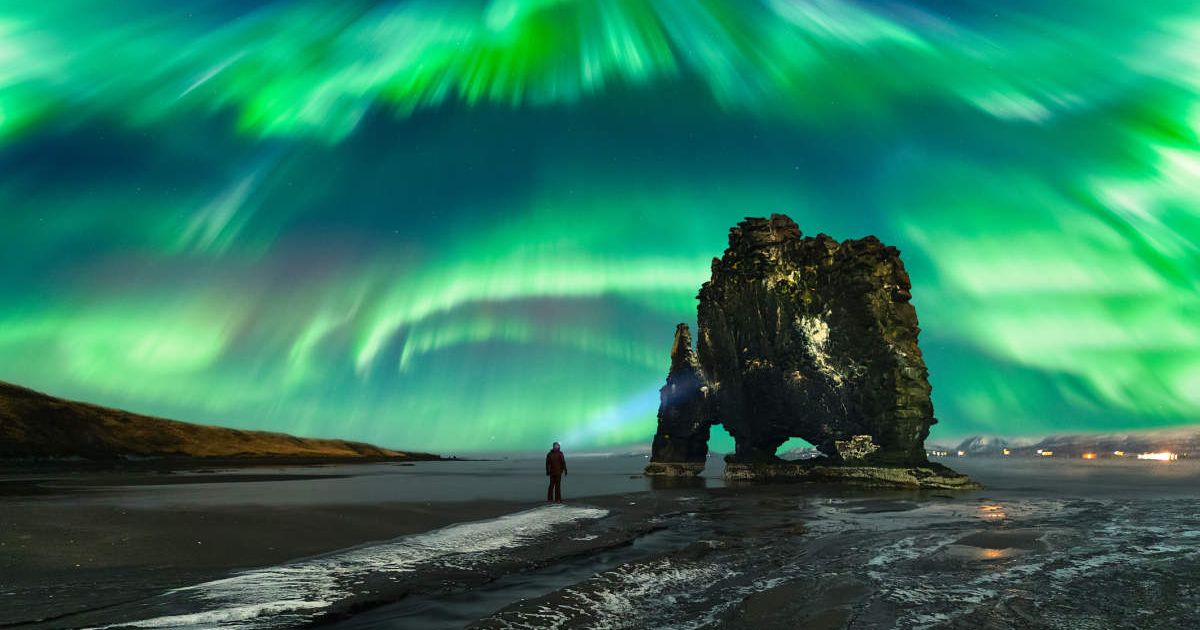
Out of all the months in the year, March is the premier month for viewing aurora on Earth. This is a fact underscored by a comprehensive 75-year data set studied by retired NASA solar physicist David Hathaway. Per Spaceweather.com, this month has the most number of geomagnetically active days in a year, with October coming in as the close second. The prolific nature of these two months is directly linked to the fact that they occur near the vernal equinoxes. During these periods, the Earth’s magnetic field aligns better with the incoming solar winds, which in turn allows greater penetration of particles into our atmosphere.
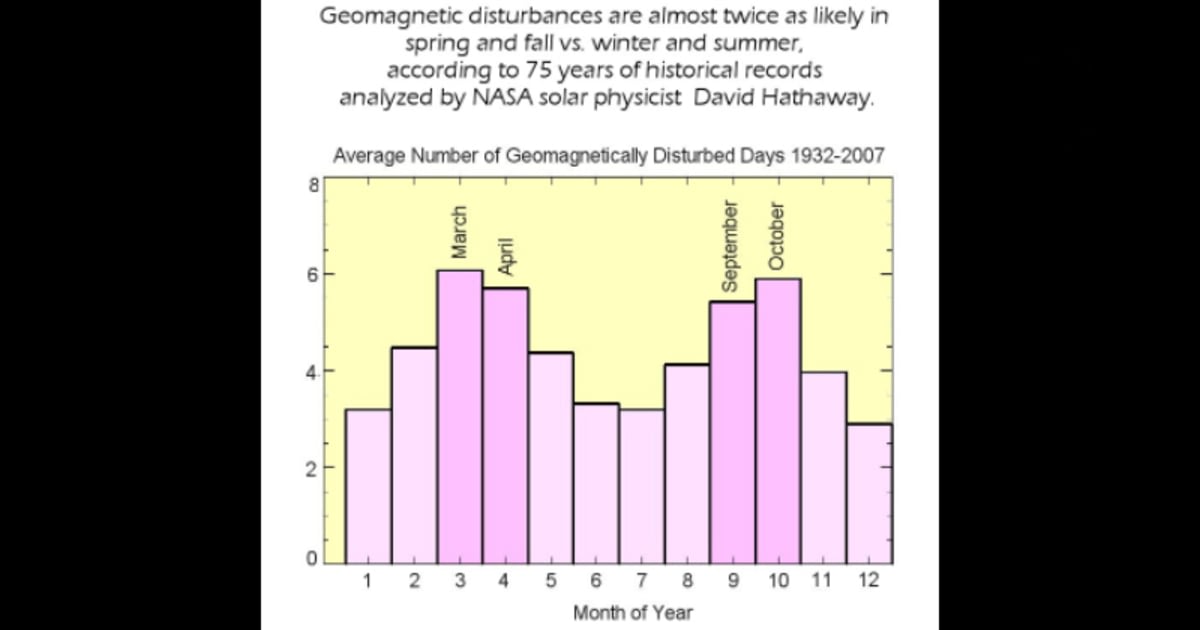
This latter effect loosely describes what the Russell-McPherron effect is. This is an explanation proposed by geophysicists Robert McPherron and Christopher Russell in 1973-74. On the other hand, solstice months experience the least solar interactions with our magnetosphere because of the same reason, producing fewer aurora. The Earth’s 23.5° axial tilt orients our magnetic field nearly perpendicular to the equatorial plane of the Sun during equinoxes. The next vernal equinox is set to occur at 3:46 pm UTC on March 20, 2026, when the sub-solar point will cross the plane of Earth’s equator.
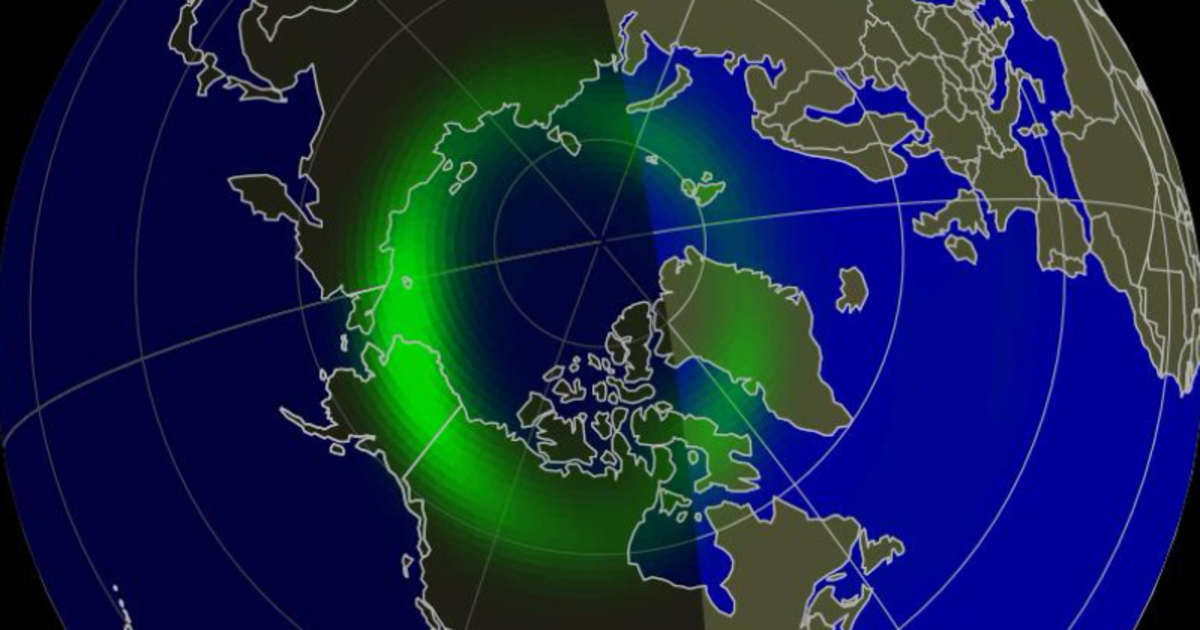
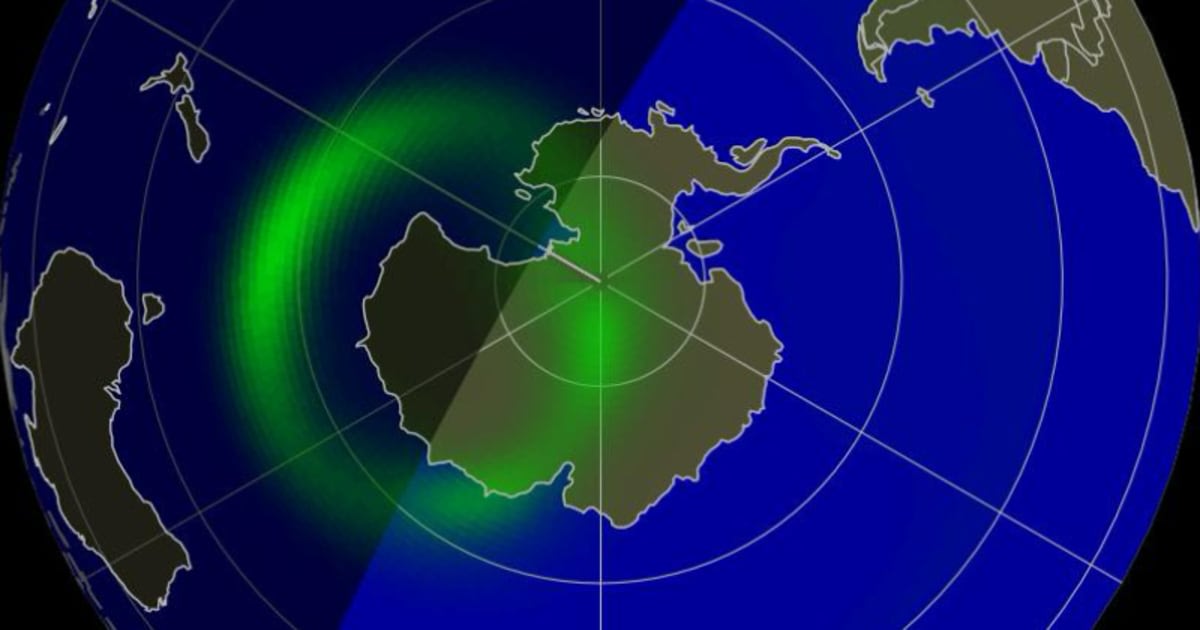
In this configuration, far more charged particles are channelled into the poleward directions, creating rings of auroral glow around the north and south poles of our planet. Aurora, often also described as the northern lights, are not limited to the North Pole. While the northern lights are referred to as aurora borealis, the South Pole aurora are referred to as aurora australis. NOAA (National Oceanic and Atmospheric Administration) provides continuous views of the aurora manifesting in both polar regions.
Aurora is triggered by geomagnetic storms, which are a result of coronal mass ejections (CMEs). The propensity for more solar activity noticed from the vantage point of Earth is highlighted by the fact that NOAA’s Space Weather Prediction Center (SWPC) issued a geomagnetic storm watch for Friday, March 6, 2026. This G1-class geomagnetic storm has been projected to create visible auroras farther south than they normally appear. The following states are set to receive spectacular views of the aurora, according to Forbes: Alaska, Washington, Montana, Idaho, North and South Dakota, Wisconsin, Minnesota, Maine, and Michigan.
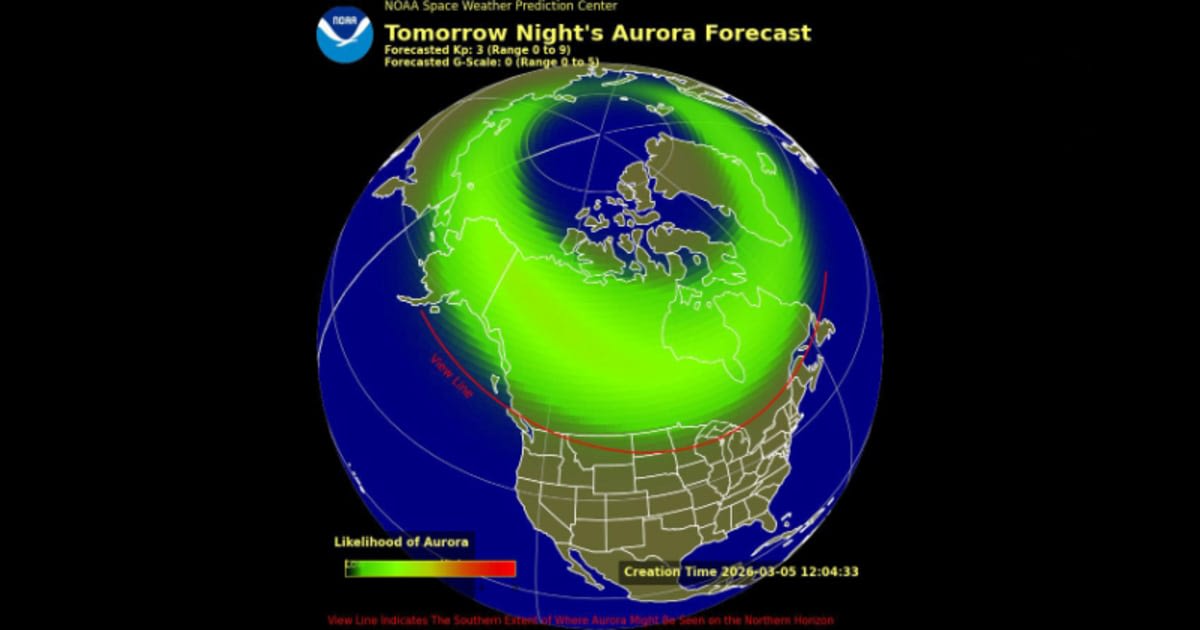
While projections of an aurora seemed normal for Thursday night, a glance at the predicted aurora visibility the following night is sure to bring joy for chasers of aurora, with a much more pronounced glow. Besides CMEs, aurora is also created because of the steady stream of solar wind from the Sun. SpaceWeatherLive reports that solar wind reached up to 280 miles per second (450 km/s) on March 4, 2026. As rapid as these speeds are, they are still within the normal range of how fast solar wind particles normally travel. Their high-energy interactions with Earth’s atmosphere are accumulated and released in the form of visible light.
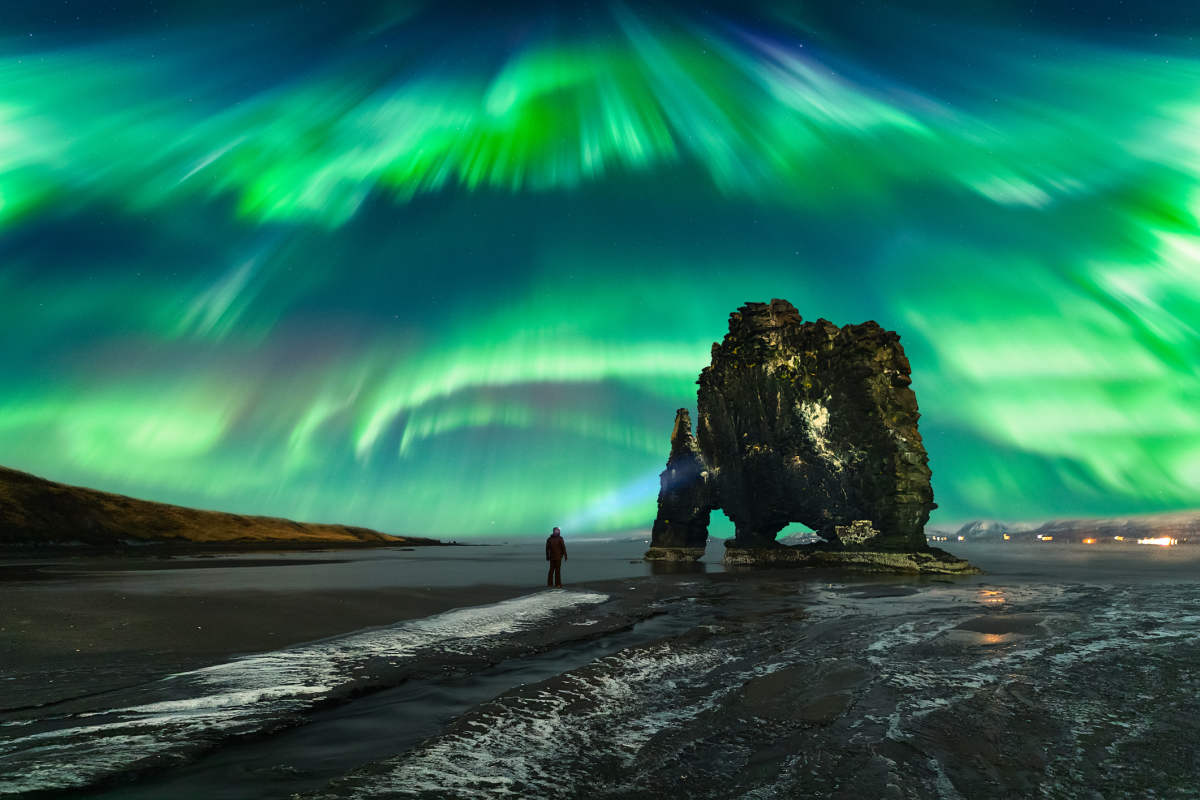
Another factor that determines how aurora appear is the composition of elements in our atmosphere. According to the UK’s National History Museum, higher up in the atmosphere, at around 124 miles, where the air is sparse, red is the colour of aurora when geomagnetic storms or solar winds strike oxygen atoms. However, the colour changes to green with more concentrations of oxygen atoms below, until about 60 miles. If any solar particles manage to make their way through these two layers without encountering oxygen atoms, they end up striking the large numbers of nitrogen atoms below. When this happens, tones of blue, purple, and pink are produced, with yellows sometimes created due to a mixture of both of the above scenario is taking place simultaneously. Light beyond even our visible light spectrum is produced by aurora, although specialist equipment is needed to observe it.

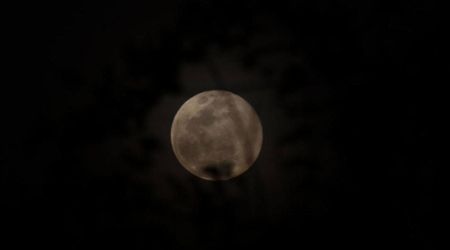
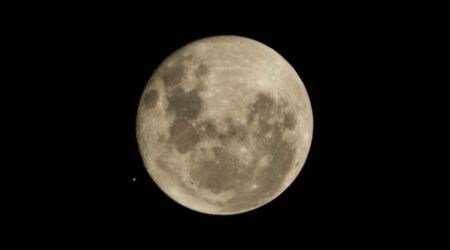
Observation of the aurora might be difficult at the moment because of the waning gibbous phase of the Moon. With 96% illumination of the lunar disk, people in places with glancing aurora visibility will find it hard to capture the aurora distinctly using regular cameras. Photographers are often advised to employ a tripod and set long exposure times to allow more of the colourful light to reach camera sensors. Ideal conditions also include going away from city lights to capture these phenomenon subject of many historical Scandinavian legends.
More on Starlust
ESA's Solar Orbiter captures first direct view of Sun's polar magnetic field in motion
Dangerous solar storms can now be predicted up to two years in advance, thanks to new study