✕
Astronomy Constellation Deep Sky Objects Skywatching Instruments Spaceflight Videos
Home / Galleries

How will the universe die? 5 possible ways it could all come to an end

Astronomy Aug 10, 2026
BY ANKITA GARKOTI
Digital illustration of the Solar system. (Cover Image Source: rbkomar/Getty Images)
Scientists have several ideas about how everything could end. Here are some of them.
6 Photos
1 / 6
The end of the universe
IMAGE SOURCE: ALFRED PASIEKA/SCIENCE PHOTO LIBRARY/GETTY IMAGES

The end of the universe

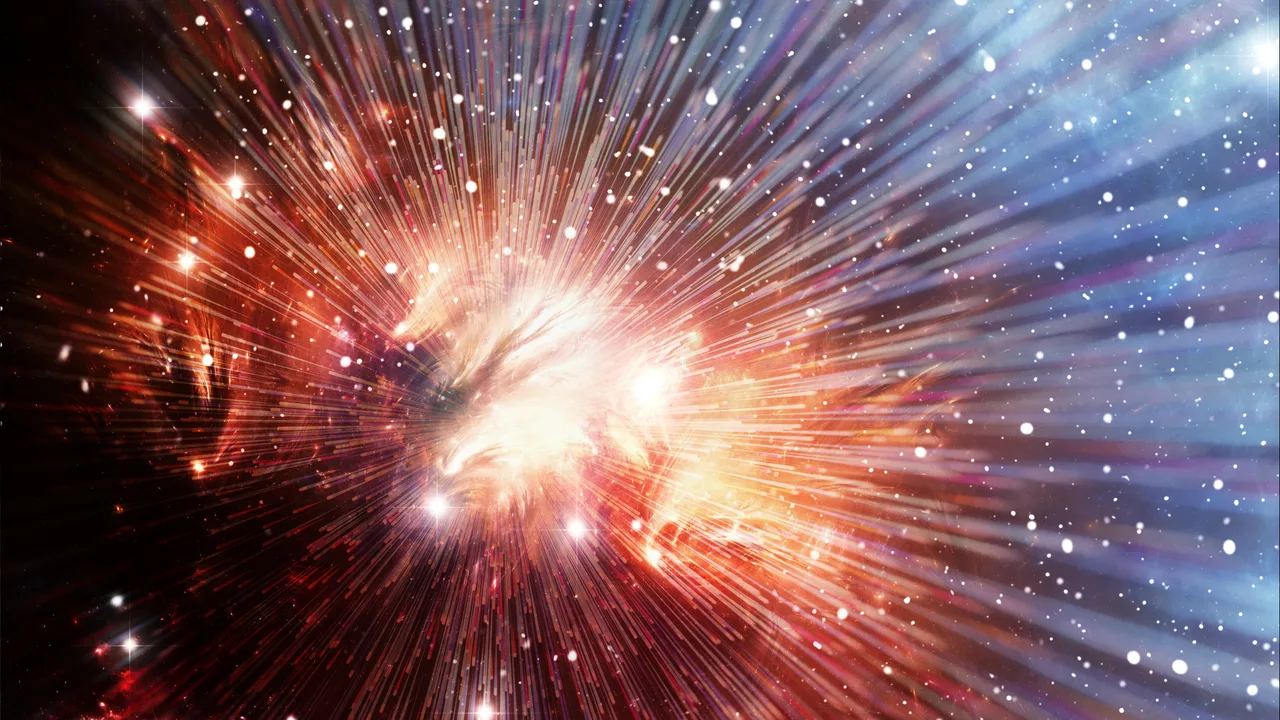
Our universe has been expanding for about 13.8 billion years, and scientists have found that this expansion is still going on. The universe is expanding faster and faster because of a mysterious force called dark energy, which scientists don't fully understand yet.

So, how long will our universe keep expanding? And does it have an end? To answer these questions, scientists from around the world have studied our universe in detail. Here’s what they say about how it might finally end.

2 / 6
Everything could just run out of energy
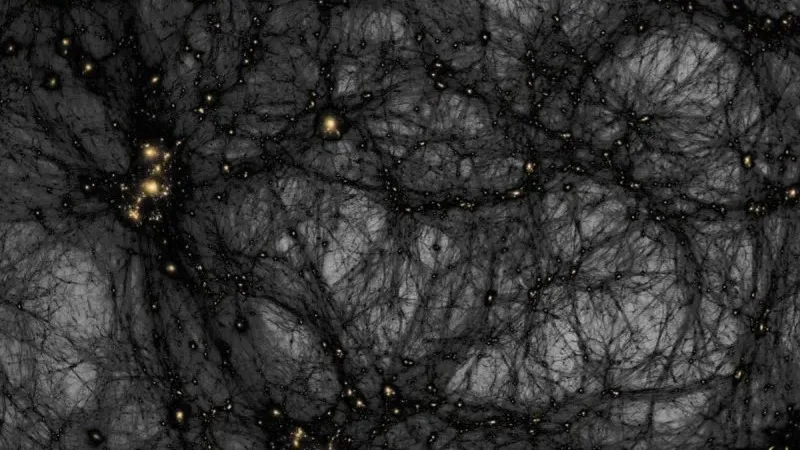
IMAGE SOURCE: ARKADIUSZ WARGUŁA/GETTY IMAGES

Everything could just run out of energy

One way our universe could end is the Big Freeze, or the heat death of the universe. Here, dark energy will stay as it is, and the universe will keep on expanding. And as the universe expands, everything will slowly get more spread out. This means galaxies will move farther away from each other and matter becomes more and more diluted.

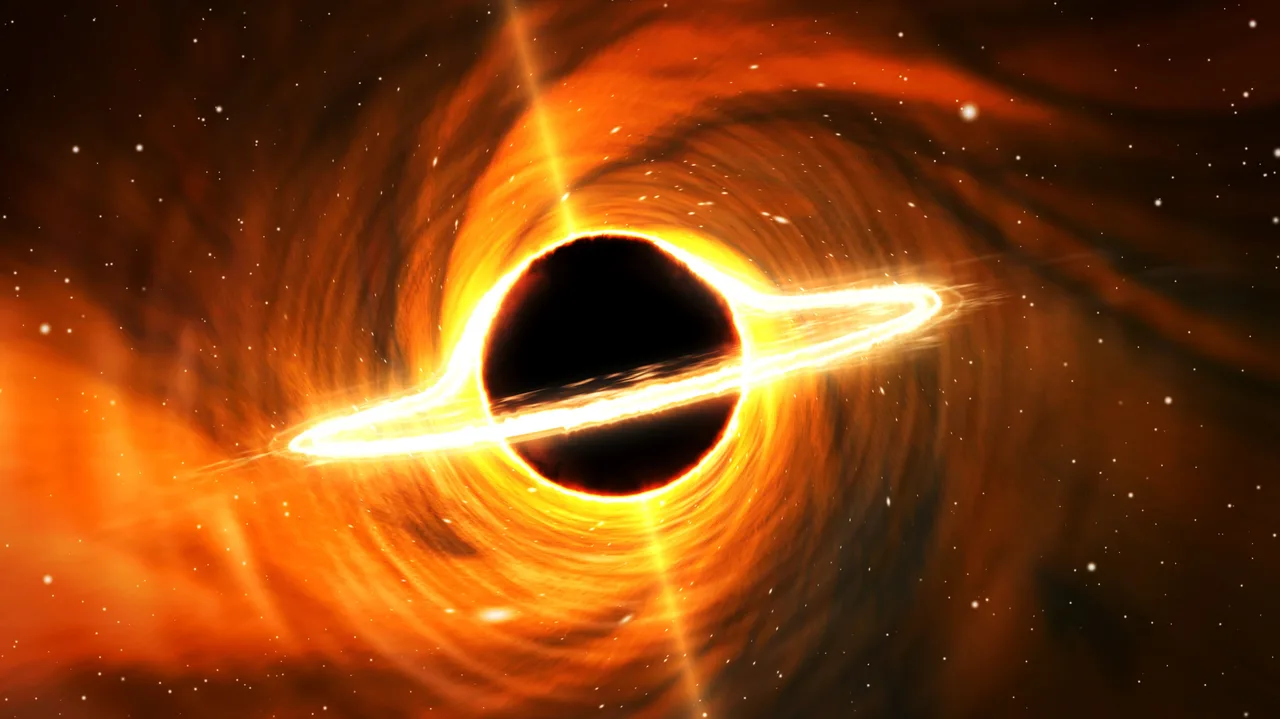
Some galaxies will eventually move so far away that we won’t be able to see them anymore. Over an unimaginably long period of time, even black holes won’t survive. They will slowly lose their energy through a process called Hawking radiation, until eventually, they will disappear too. In the end, there will be nothing but a cold and nearly empty Universe.

3 / 6
Dark energy could tear the cosmos apart
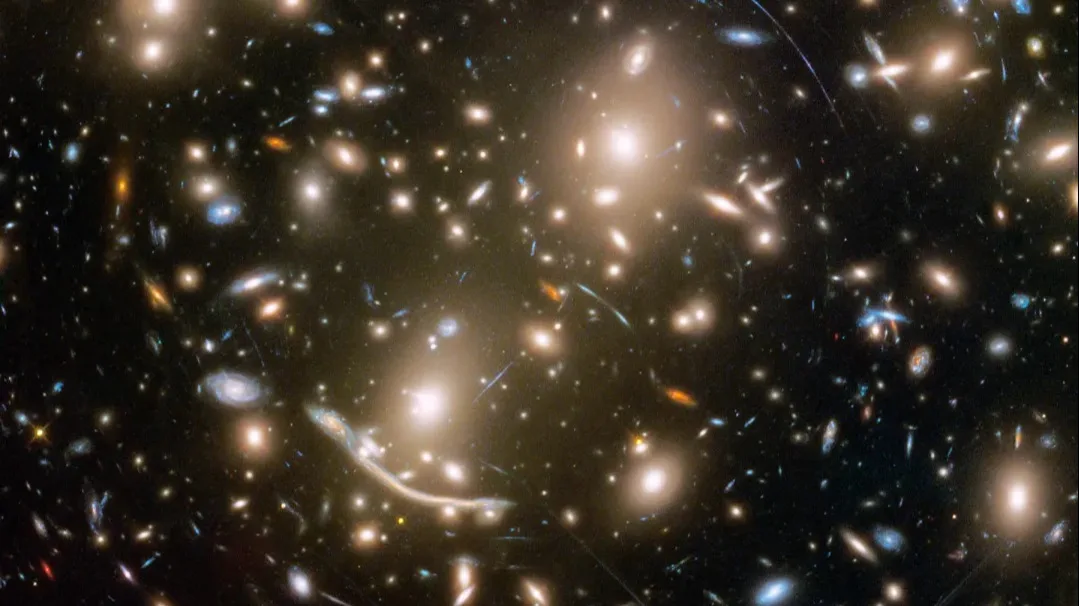
IMAGE SOURCE: RALF KAEHLER/SLAC NATIONAL ACCELERATOR LABORATORY, AMERICAN MUSEUM OF NATURAL HISTORY/NASA

Dark energy could tear the cosmos apart

Another scenario is the Big Rip. Unlike the Big Freeze, it would end with the destruction of space itself. Though, this is still hundreds of billions of years away. Some scientists think dark energy might not stay constant at all. If it gets stronger over time and becomes what’s known as “phantom” dark energy, the expansion of the universe could eventually spiral out of control. 

First, galaxy clusters would start breaking apart. Then the galaxies themselves, followed by solar systems. Eventually, even atoms could be ripped apart as space stretches faster than anything can hold itself together.

4 / 6
The universe might collapse back in on itself
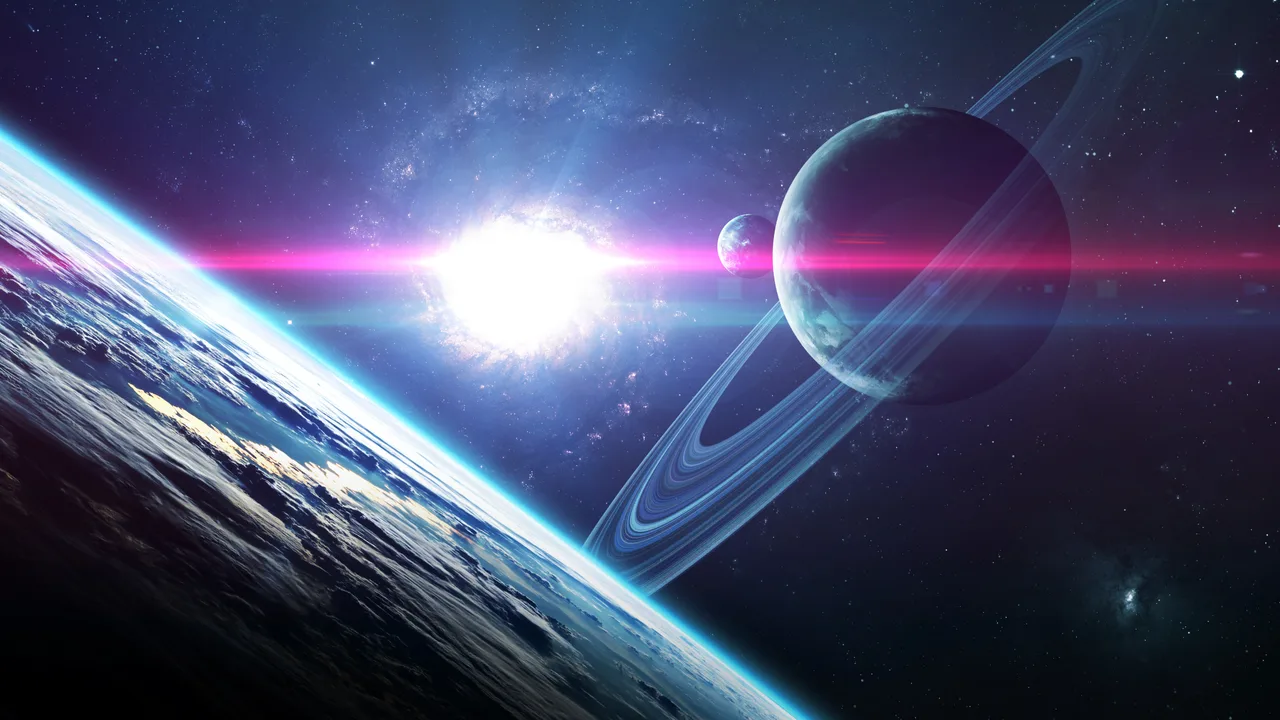
IMAGE SOURCE: NASA, ESA, AND J. LOTZ AND THE HFF TEAM (STSCI)

The universe might collapse back in on itself

Physicist Alexander Friedmann believed that gravity alone could decide the fate of the Universe. This idea predates the discovery of dark energy in 1998. Based on our current understanding, there is not enough matter for gravity to stop or even reverse the expansion of our universe. 

But if dark energy weakens over time, it would then turn negative. This effect then could pull everything back together, instead of pushing space apart. This is called the Big Crunch. In this scenario, galaxies would collide, and the entire cosmos would collapse into an unimaginably hot and dense fireball.

5 / 6
Space itself could be less stable than it looks
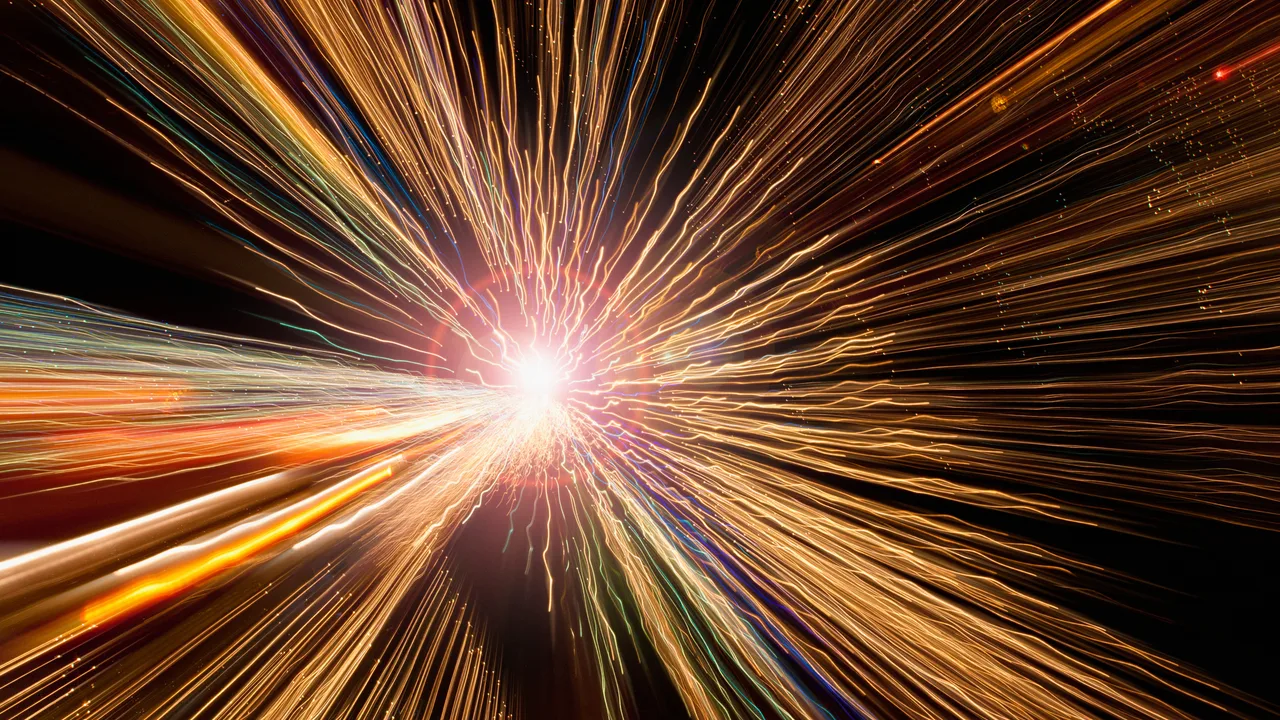
IMAGE SOURCE: FORPLAYDAY/GETTY IMAGES

Space itself could be less stable than it looks

What if space is not the most stable? Early in the universe’s history, changes called phase transitions separated the fundamental forces of nature, and this left us with the stable universe we live in today. But that stability might not last forever.

A random quantum fluctuation could trigger another transition and create a bubble with completely different physics inside it. This bubble could then expand outward at the speed of light and wipe out everything in its path. If this ever were to happen, it would be so fast that we won’t be able to see it coming.

6 / 6
The universe could just start over
IMAGE SOURCE: JOHN LUND/GETTY IMAGES

The universe could just start over

Now, here’s an interesting one. A concept called conformal cyclic cosmology suggests that the universe could, in a way, bounce back. It builds on the Big Freeze idea, where the universe eventually becomes cold and nearly empty, with only scattered particles left, spread almost infinitely far apart.

But under this theory (which violates our current laws of physics), those leftover particles could decay into pure light and leave behind a blank, featureless state where there’s no way to measure distance or time. That blank state could actually seed a brand-new Big Bang and restart the whole cycle of cosmic creation all over again.

MORE GALLERIES

Total solar eclipse 2026: 5 reasons why you must not miss the cosmic event on August 12 5

Total solar eclipse 2026: 5 reasons why you must not miss the cosmic event on August 12

Aug 10, 2026
Is time travel possible? What Albert Einstein's theory of relativity tells us 5

Is time travel possible? What Albert Einstein's theory of relativity tells us

Aug 8, 2026
Here's how much longer life on Earth has left, according to new research 5

Here's how much longer life on Earth has left, according to new research

Aug 8, 2026
This Oxford philosopher hopes humanity's search for extraterrestrial life "finds nothing" 5

This Oxford philosopher hopes humanity's search for extraterrestrial life "finds nothing"

Aug 7, 2026
Isaac Newton's 1704 doomsday prophecy predicted the year the world would end 5

Isaac Newton's 1704 doomsday prophecy predicted the year the world would end

Aug 6, 2026
SpaceX Falcon 9 rocket just crashed into the Moon—but have we hit the Moon accidentally before? 4

SpaceX Falcon 9 rocket just crashed into the Moon—but have we hit the Moon accidentally before?

Aug 6, 2026
Neil deGrasse Tyson thinks first contact with intelligent aliens could look like this 5

Neil deGrasse Tyson thinks first contact with intelligent aliens could look like this

Aug 6, 2026
When Brian Cox challenged Avi Loeb's alien probe theory about comet 3I/ATLAS 5

When Brian Cox challenged Avi Loeb's alien probe theory about comet 3I/ATLAS

Aug 5, 2026
Can we really time travel? Here's what award-winning physicist Brian Cox says 6

Can we really time travel? Here's what award-winning physicist Brian Cox says

Aug 4, 2026
Wait, what's that? The strangest things ever spotted on Mars 6

Wait, what's that? The strangest things ever spotted on Mars

Aug 4, 2026
Could our galaxy be full of aliens? The famous Drake Equation guides us towards an answer 5

Could our galaxy be full of aliens? The famous Drake Equation guides us towards an answer

Aug 4, 2026
Mars could become humanity's second home by 2050, says space resources engineer 5

Mars could become humanity's second home by 2050, says space resources engineer

Aug 4, 2026
What's really inside a black hole? Physicist Clifford Johnson explains 5

What's really inside a black hole? Physicist Clifford Johnson explains

Aug 3, 2026
Could alien technology be easier to detect than extraterrestrial life itself? Scientists share their thoughts 5

Could alien technology be easier to detect than extraterrestrial life itself? Scientists share their thoughts

Aug 3, 2026
What if time isn't real? Some physicists think it might just be in our heads 5

What if time isn't real? Some physicists think it might just be in our heads

Jul 30, 2026
By 2600, Earth could become a "giant ball of fire," Stephen Hawking warned. Is NASA backing it up? 5

By 2600, Earth could become a "giant ball of fire," Stephen Hawking warned. Is NASA backing it up?

Jul 30, 2026
Earth's life may have begun after a colossal collision with a Mars-sized planet, studies hint 5

Earth's life may have begun after a colossal collision with a Mars-sized planet, studies hint

Jul 29, 2026
Contacting aliens could be our "biggest mistake in human history," warns physicist; here's why 6

Contacting aliens could be our "biggest mistake in human history," warns physicist; here's why

Jul 29, 2026
This accidental discovery could dramatically reduce astronauts' travel time to Mars 5

This accidental discovery could dramatically reduce astronauts' travel time to Mars

Jul 29, 2026
Starlust.org is part of the Scale Content Inc. publishing group.

Google Source

About Us
Editorial Guidelines
Privacy Policy
Cookie Policy
Terms of Use
Contact Us
Link to Facebook
Link to Instagram

© Scale Content Inc. 1178 Broadway, 3rd Floor #3469, New York, NY 10001, United States