✕
Astronomy Constellation Deep Sky Objects Skywatching Instruments Spaceflight Videos
Home / Galleries

Here's how much longer life on Earth has left, according to new research

Astronomy Aug 8, 2026
BY ANKITA GARKOTI
Apocalyptic view of Planet Earth from space. (Cover Image Source: DrPixel/Getty Images)
Scientists say Earth's plant life could survive far longer than once thought. Here’s how.
5 Photos
1 / 5
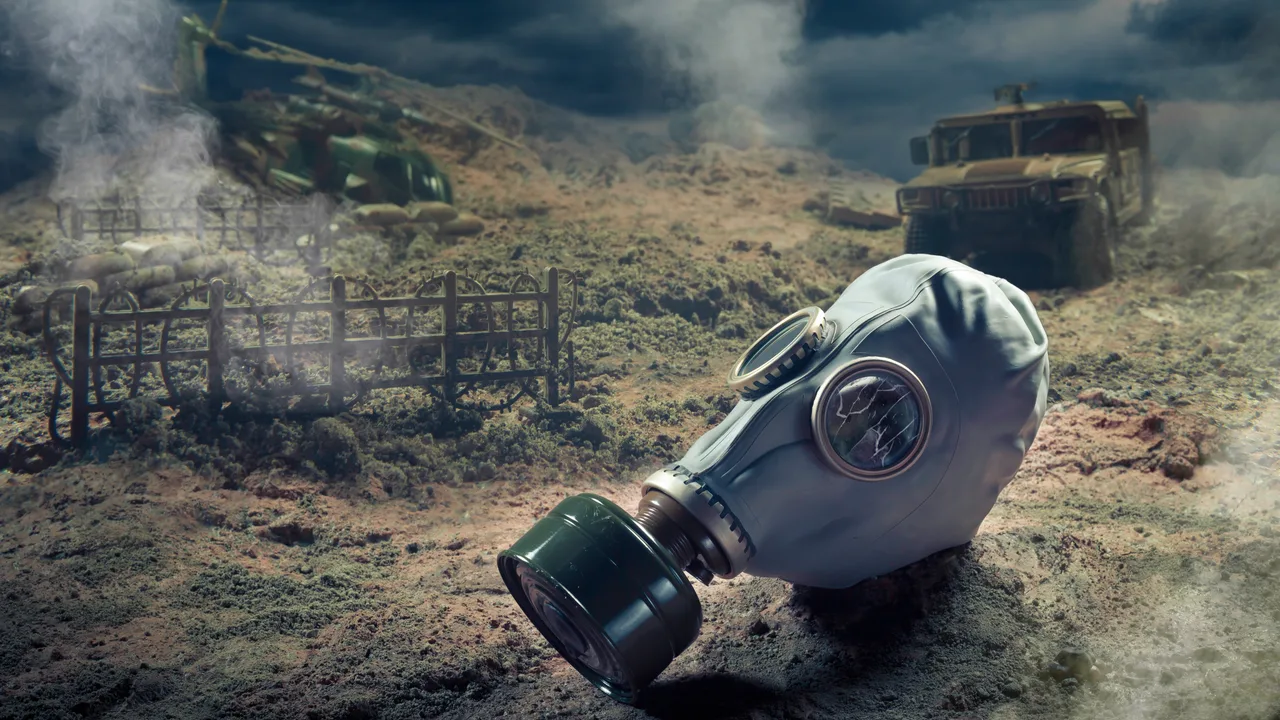
How long will Earth stay habitable?
IMAGE SOURCE: (R)MPPRIV (C)ANAND PUROHIT;(L)GORODENKOFF/GETTY IMAGES

How long will Earth stay habitable?

Our Sun, the only star at the center of our solar system and the main source of energy that makes life on Earth possible, keeps getting brighter as the years go by. And, like all stars, it will eventually reach the end of its life. Even NASA estimates that in about 5 billion years, the Sun will run out of fuel in its core and eventually become a white dwarf. But what will happen to Earth?

Researchers estimate that life on Earth as we know it might not survive anywhere near that long. Instead, it could disappear way before. A new study takes a closer look at this timeline, and here's how much longer Earth may be able to sustain life.

2 / 5
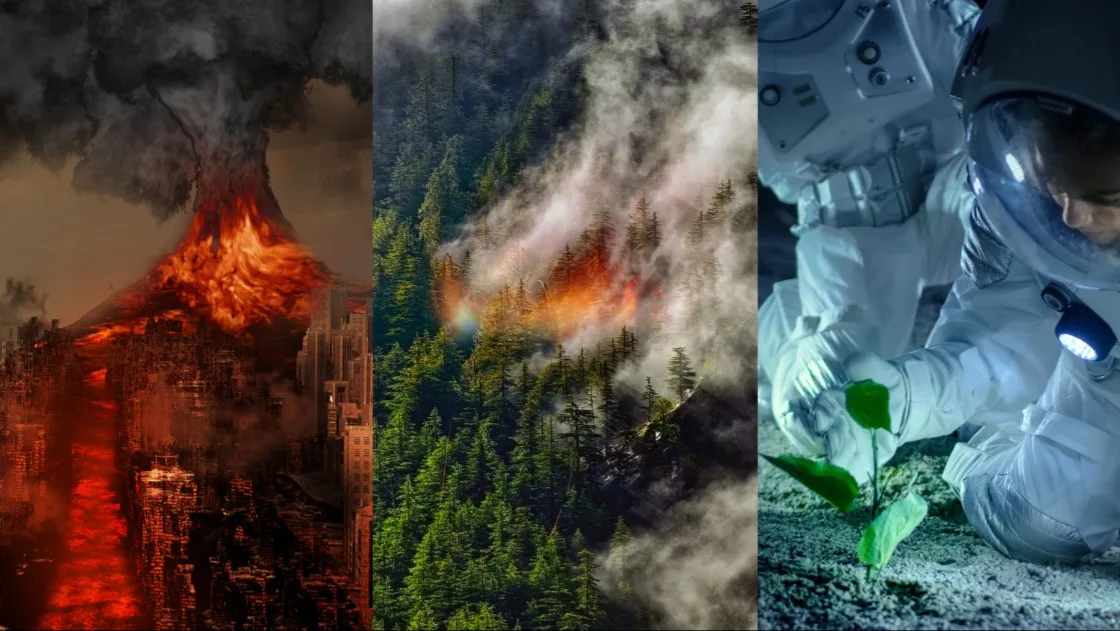
Life on Earth could last another 1.8 billion years
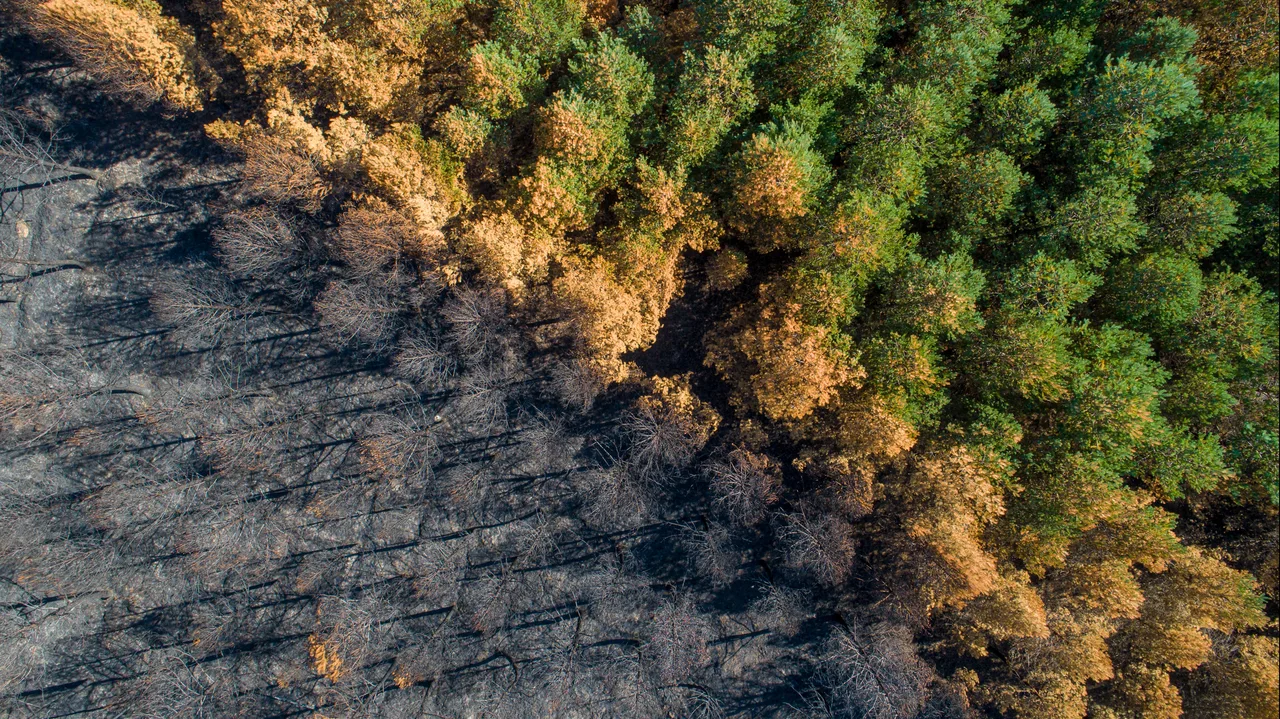
IMAGE SOURCE: FERGREGORY/GETTY IMAGES

Life on Earth could last another 1.8 billion years

In a study published in the journal JGR Atmospheres, researchers estimate that Earth's plant-based biosphere can actually keep going for roughly 1.8 billion more years. Before this, scientist James Lovelock and his colleagues shared that it could go on for 100 million years. 

Commenting on this, study co-author Jacob Haqq-Misra, an astrobiologist at Blue Marble Space, told Live Science, “We were trying to show that life on Earth — complex vegetation — could survive longer into the future than previous studies had shown.”

3 / 5
Researchers tested 29 climate models to stress-test their estimate
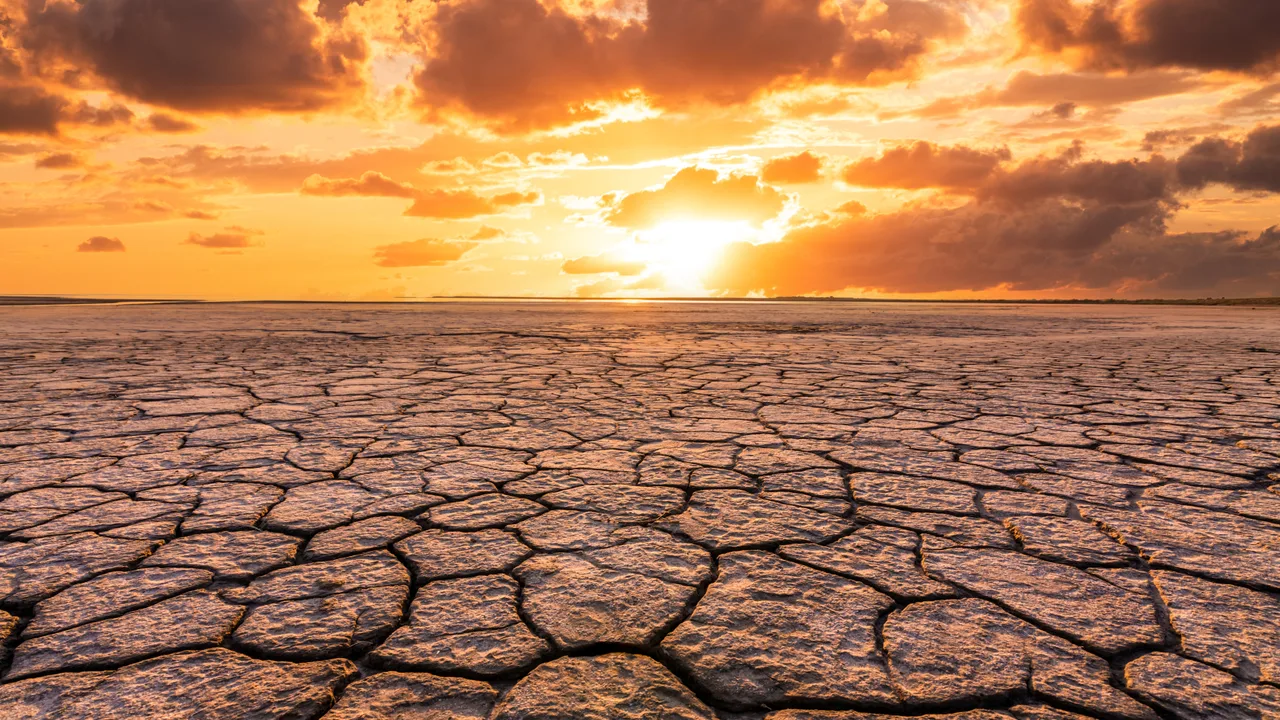
IMAGE SOURCE: VICVAZ/GETTY IMAGES

Researchers tested 29 climate models to stress-test their estimate

To get a more complete picture, researchers Haqq-Misra and Eric Wolf ran 29 different climate models covering a range of extreme conditions. They modeled a planet that’s too hot for life, but has stable carbon dioxide levels. Another one included stable temperatures as well as carbon dioxide too low to sustain plant life. 

By examining the details, which include scenarios where Earth efficiently took carbon from the air as it warmed, the team was able to study a range of possible conditions. The estimate got so much higher because the researchers factored in tough plants that can survive on very little carbon dioxide.

4 / 5
But not everyone agrees the estimate is final
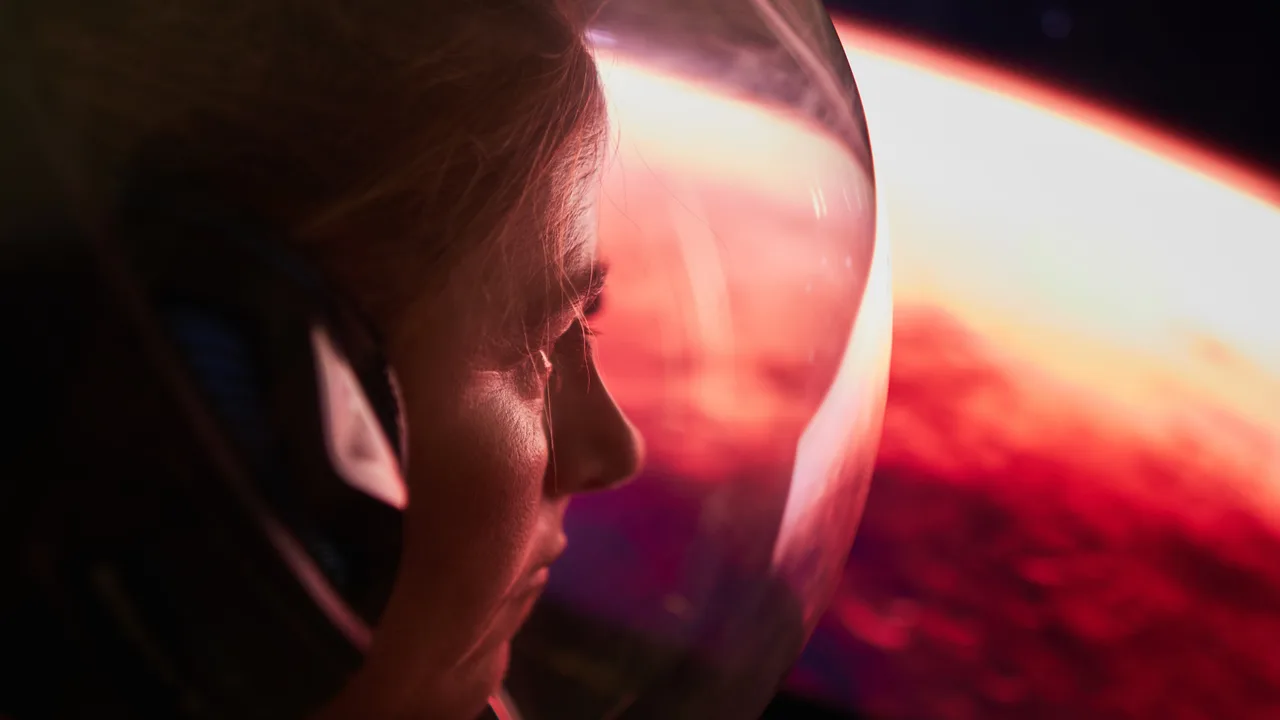
IMAGE SOURCE: ANTON PETRUS/GETTY IMAGES

But not everyone agrees the estimate is final

Andrew Rushby, an astrobiologist at Birkbeck University of London, called the new numbers "broad estimates." Even the study's authors also noted there's no real way of knowing how life will adapt to conditions billions of years from now. 

"It is not possible for us to predict or know the possible evolutionary adaptations that the photosynthetic biosphere may undergo in response to increasing solar output and lower [atmospheric CO2], especially over billions of years," added Andrew Rushby.

5 / 5
What does this mean for the search for life beyond Earth?
IMAGE SOURCE: A. MARTIN UW PHOTOGRAPHY/GETTY IMAGES

What does this mean for the search for life beyond Earth?

The researchers think this same modeling approach can also be used to figure out how long other planets around other stars might stay livable for life. So, if we build the physics right for Earth, we can do the same for different planets and stars.

Graham, who authored an earlier study on a similar topic, said, "Haqq-Misra and Wolf have used a sophisticated 3D climate model to show that Earth's climate may remain hospitable to plant life significantly longer into the future than predicted.” He added, "It's an advance over previous work and suggests that complex biospheres like that of Earth are more resilient to environmental change from stellar brightening than previously suggested." 

MORE GALLERIES

This Oxford philosopher hopes humanity's search for extraterrestrial life "finds nothing" 5

This Oxford philosopher hopes humanity's search for extraterrestrial life "finds nothing"

Aug 7, 2026
Isaac Newton's 1704 doomsday prophecy predicted the year the world would end 5

Isaac Newton's 1704 doomsday prophecy predicted the year the world would end

Aug 6, 2026
SpaceX Falcon 9 rocket just crashed into the Moon—but have we hit the Moon accidentally before? 4

SpaceX Falcon 9 rocket just crashed into the Moon—but have we hit the Moon accidentally before?

Aug 6, 2026
Neil deGrasse Tyson thinks first contact with intelligent aliens could look like this 5

Neil deGrasse Tyson thinks first contact with intelligent aliens could look like this

Aug 6, 2026
When Brian Cox challenged Avi Loeb's alien probe theory about comet 3I/ATLAS 5

When Brian Cox challenged Avi Loeb's alien probe theory about comet 3I/ATLAS

Aug 5, 2026
Can we really time travel? Here's what award-winning physicist Brian Cox says 6

Can we really time travel? Here's what award-winning physicist Brian Cox says

Aug 4, 2026
Wait, what's that? The strangest things ever spotted on Mars 6

Wait, what's that? The strangest things ever spotted on Mars

Aug 4, 2026
Could our galaxy be full of aliens? The famous Drake Equation guides us towards an answer 5

Could our galaxy be full of aliens? The famous Drake Equation guides us towards an answer

Aug 4, 2026
Mars could become humanity's second home by 2050, says space resources engineer 5

Mars could become humanity's second home by 2050, says space resources engineer

Aug 4, 2026
What's really inside a black hole? Physicist Clifford Johnson explains 5

What's really inside a black hole? Physicist Clifford Johnson explains

Aug 3, 2026
Could alien technology be easier to detect than extraterrestrial life itself? Scientists share their thoughts 5

Could alien technology be easier to detect than extraterrestrial life itself? Scientists share their thoughts

Aug 3, 2026
What if time isn't real? Some physicists think it might just be in our heads 5

What if time isn't real? Some physicists think it might just be in our heads

Jul 30, 2026
By 2600, Earth could become a "giant ball of fire," Stephen Hawking warned. Is NASA backing it up? 5

By 2600, Earth could become a "giant ball of fire," Stephen Hawking warned. Is NASA backing it up?

Jul 30, 2026
Earth's life may have begun after a colossal collision with a Mars-sized planet, studies hint 5

Earth's life may have begun after a colossal collision with a Mars-sized planet, studies hint

Jul 29, 2026
Contacting aliens could be our "biggest mistake in human history," warns physicist; here's why 6

Contacting aliens could be our "biggest mistake in human history," warns physicist; here's why

Jul 29, 2026
This accidental discovery could dramatically reduce astronauts' travel time to Mars 5

This accidental discovery could dramatically reduce astronauts' travel time to Mars

Jul 29, 2026
Astronomer reveals one of the biggest misconceptions about alien life 6

Astronomer reveals one of the biggest misconceptions about alien life

Jul 28, 2026
Are we going through a sixth mass extinction? Here's what scientists say is happening 5

Are we going through a sixth mass extinction? Here's what scientists say is happening

Jul 28, 2026
5 facts about our solar system that seem too strange to be true 6

5 facts about our solar system that seem too strange to be true

Jul 27, 2026
Starlust.org is part of the Scale Content Inc. publishing group.

Google Source

About Us
Editorial Guidelines
Privacy Policy
Cookie Policy
Terms of Use
Contact Us
Link to Facebook
Link to Instagram

© Scale Content Inc. 1178 Broadway, 3rd Floor #3469, New York, NY 10001, United States