Earth’s expanding radio bubble reveals how far human signals have spread into space
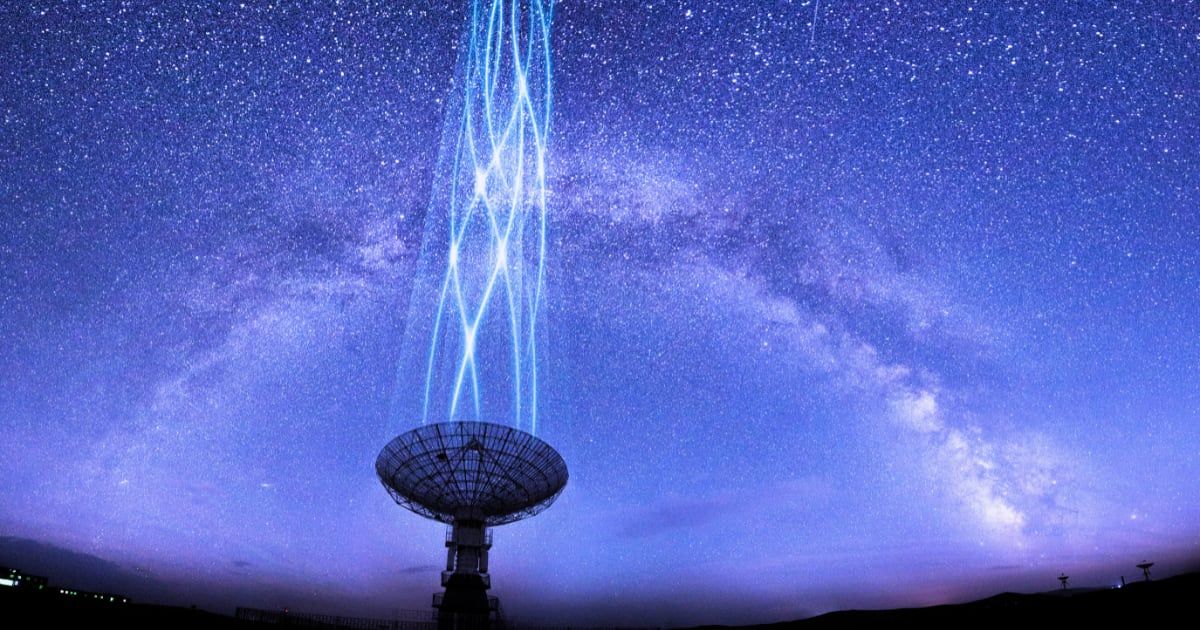
Reginald Fessenden, transmitting the first radio signal on Christmas Eve 1906, marked a revolutionary moment. Before that, voices and music were never transmitted, and signals were mostly Morse code. Ever since Fessenden, however, a shell made out of radio waves, also called the 'radio bubble,' has slowly been forming around our planet. That's because radio waves do not just die out; they continue travelling, often to the deepest nooks and corners of our galaxy.
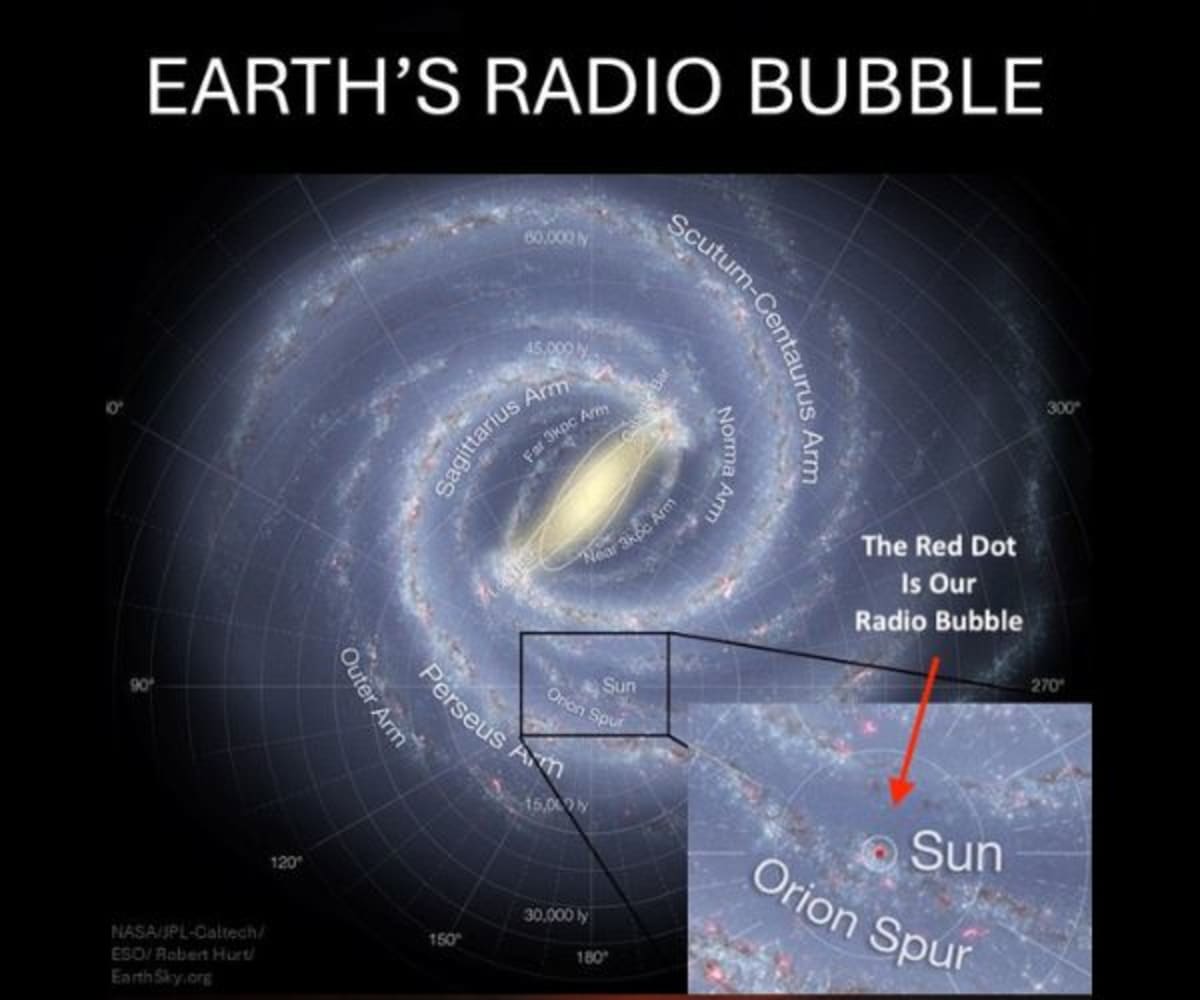
The wall of our radio bubble is thinning, with the older signals composing the outer shell, whereas the younger, more recent ones are found in the interior. It has been 119 years since that first broadcast. And since radio waves travel at the speed of light, it makes the Earth's radio bubble about 119 light-years old, or a sphere with a diameter of 238 light-years. It might look like a lot, but then compare that to our very own Milky Way Galaxy, which is 100,000 light-years wide, and it doesn't look so big.
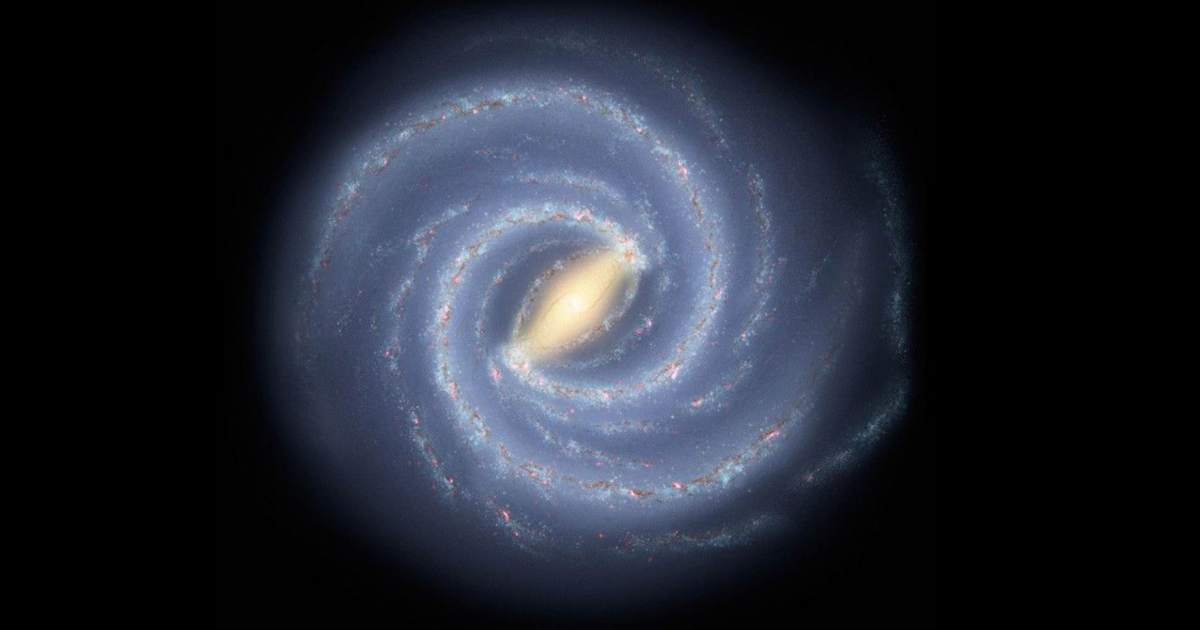
Per EarthSky.org, it would take Fessenden’s message about 23,000 years to reach the galaxy's outer edge, about 27,000 years to reach the galactic center, and 77,000 years to cross the entire galaxy! Well, even though the figures paint a disappointing picture, it has managed to reach Proxima Centauri, the star closest to us. To all the speculators of extraterrestrial life, even if this signal did manage to reach them, the signal would have become very weak, just a faint hint of what it was.
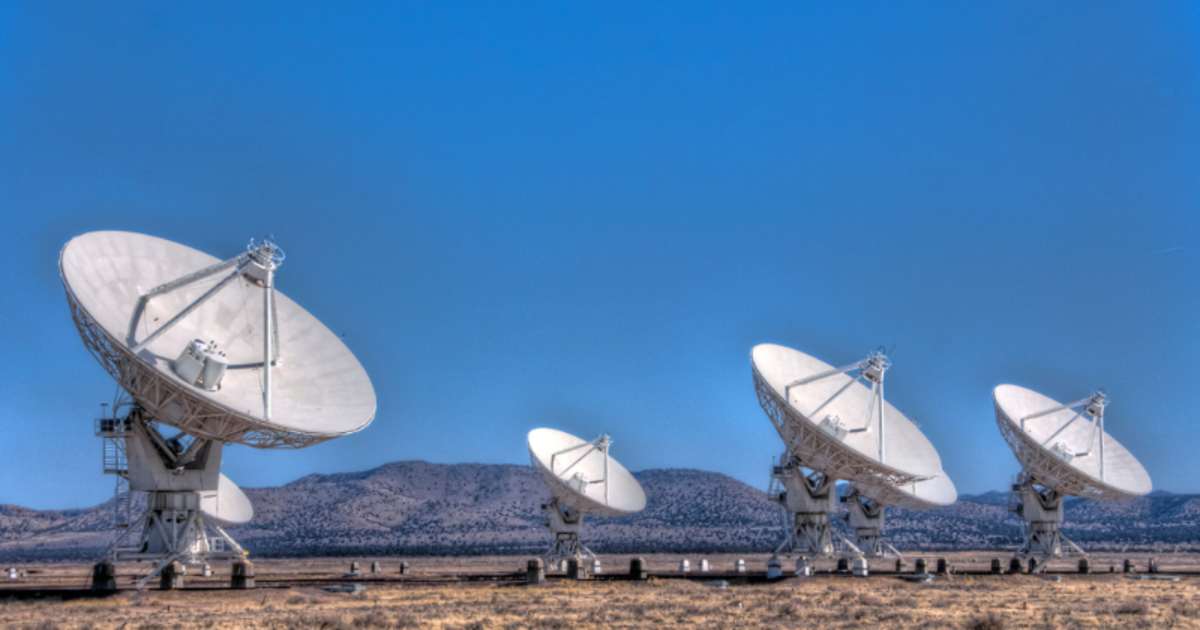
A 2019 study conducted by Lisa Kaltenegger and Jackie Faherty for Cornell University examined which nearby stars could detect our Earth by seeing it pass in front of the sun. The study notes: "Even though humans have emitted radio waves only for a comparably short time—about 100 years—they have already reached 75 stars in the past."

While these signals would be extremely weak, the study explains they could still act as technosignatures, hinting that “a technological civilization” exists on Earth, even if the content of the broadcasts cannot be understood. Taken together, the findings suggest Earth has been detectable for a long time, first through life’s impact on its atmosphere and more recently through radio technology. The authors point out that Earth could have been identified as a living world “since the great oxidation event for a billion years already.” Again, this is based on the assumption that any alien civilization would have access to the same level of astronomical technology as we do now.

Well, sadly, our broadcasting has now gone down. That is because technological advancements like fiber optics and digital transmissions result in the leakage of far less radio energy than that carrying Fessenden's message from all those years ago. So even though we have a growing radio bubble, the signals in and around its center are becoming far weaker than before.
More on Starlust
Interstellar comet 3I/ATLAS found to 'wobble' as it spews gas and dust