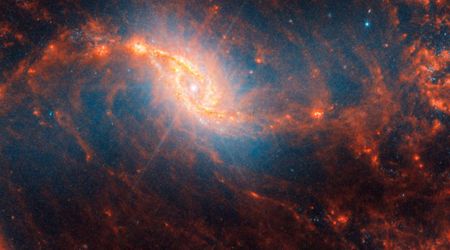
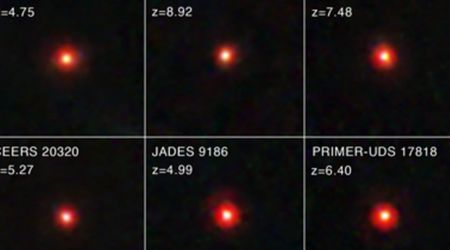
Dusty galaxies from the universe's far edges show star formation had begun earlier than suspected
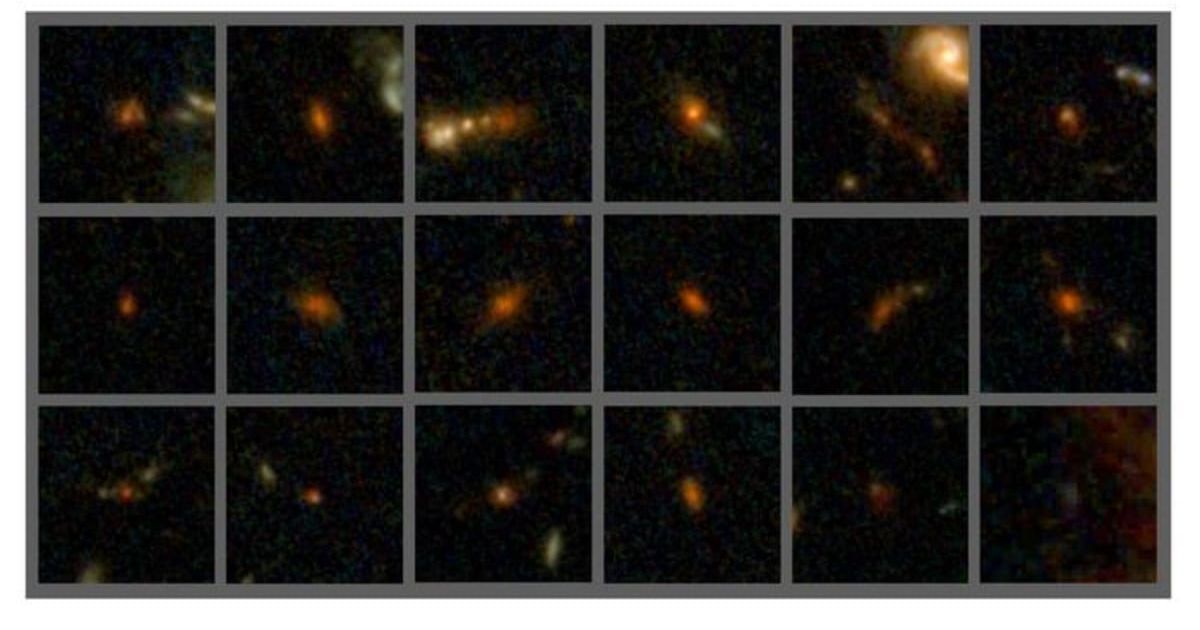
A large research team, led by Jorge K. Zavala, an assistant professor of astronomy at the University of Massachusetts Amherst, has provided a snapshot of the early universe. They discovered specific light signals that revealed a cluster of dusty, star-forming galaxies, which are thought to have formed only a billion years after the Big Bang, which itself is believed to have taken place around 13.7 billion years ago. The findings have been published in The Astrophysical Journal Letters.
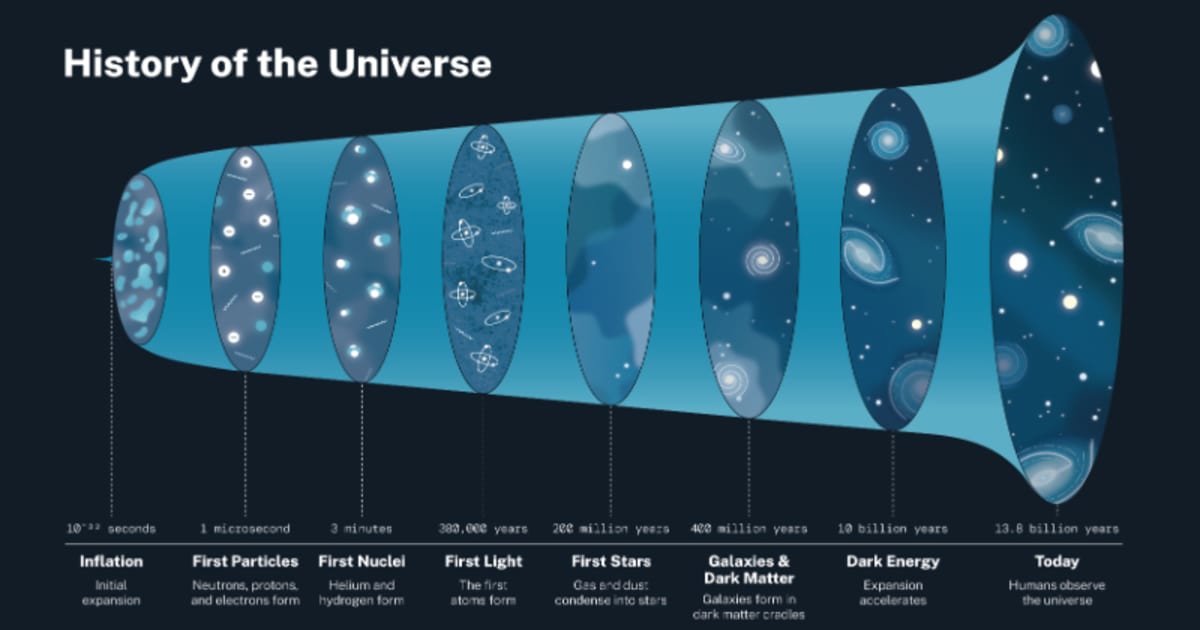
The galaxies that have been spotted establish a link between the recently bright galaxies from the early days of the universe and those where star formation came to a halt 2 billion years after the Big Bang. “My research involves trying to identify and understand a population of rare, dusty star-forming galaxies that were only discovered at the end of the 1990s,” said Zavala, in a statement.

The researchers focused on dusty, star-forming galaxies. But dust absorbs ultraviolet and visible light, making it difficult to hunt them down using telescopes that search celestial objects at those wavelengths. That being said, submillimeter telescopes can spot longer wavelengths. Moreover, while dust absorbs UV and visible light, it also releases heat in the infrared wavelength. This is where the Atacama Large Millimeter/sub millimeter Array (ALMA) and the James Webb Space Telescope (JWST) came into play. The properties of the ALMA allowed Zavala and his teammates to detect about 400 bright, dusty galaxies. Then they also zeroed in on 70 faint dusty galaxy candidates on the edge of the universe, using the near-infrared capabilities of the JWST.
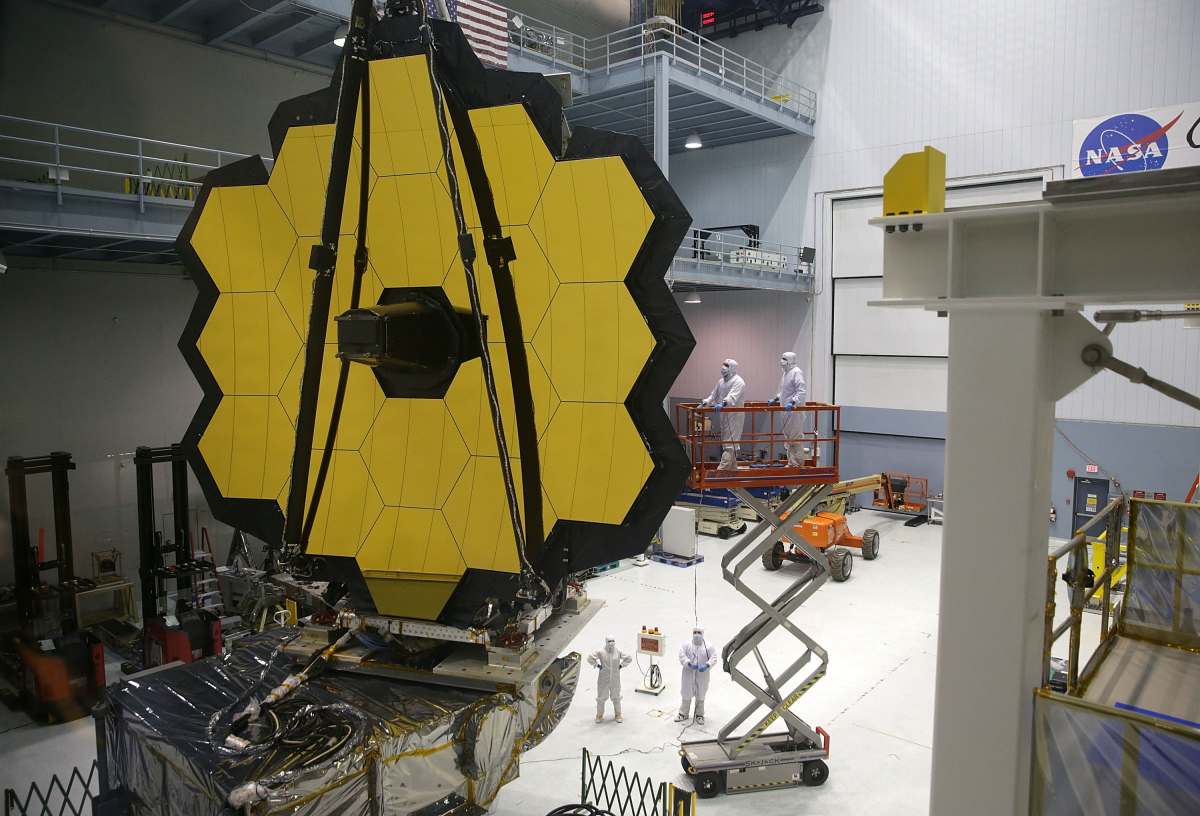
Analyzing all data, the team declared that the galaxies spotted are truly dusty galaxies born almost at the edge of the universe, nearly 13 billion years ago. “Dusty galaxies are massive galaxies with large amounts of metals and cosmic dust,” Zavala says. “And these galaxies are very old, which means stars were being formed in the early universe, earlier than our current models predict.”
Speaking of the relation of the galaxies that his team came across to the ultrabright, star-forming galaxies born soon after the Big Bang and the dead ones where star formation does not take place anymore, Zavala said, “It’s as if we now have snapshots of the lifecycle of these rare galaxies. The ultrabright ones are young galaxies, the quiescent ones are in their old age, and the ones we found are young adults.” Backed by observational evidence, Zavala and his team hypothesize that star formation was well underway a lot earlier than previously thought. But more research is needed to validate their theory.
More on Starlust
Astronomers find molecules vital for life in a nearby star-forming cloud
NASA's James Webb Space Telescope captures a rare jellyfish galaxy from 8.5 billion years ago