Countdown to Artemis II: Here's what will happen in the final hours before this historic launch
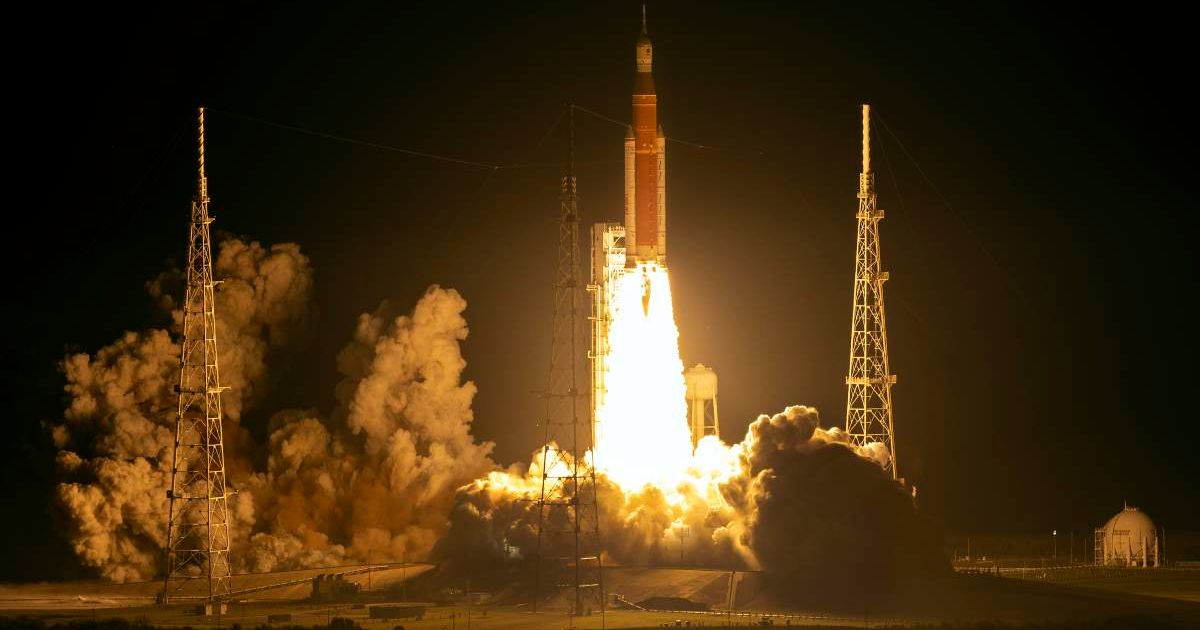
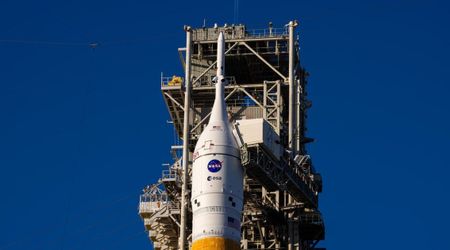
NASA has just released the full breakdown of the countdown leading up to the launch of its flagship Artemis II mission, slated currently for April 1, 2026. Similar to the two wet dress rehearsals done so far that simulated launch procedures prior to the actual liftoff, the countdown will commence more than 2 days prior to the launch. Only this time, contingent on everything transpiring nominally, more than 8 million pounds of thrust will be generated by the 322-foot-tall rocket to put it on course for the Moon. During the countdown, there are planned holds that let teams troubleshoot as well as meet the ideal window of launch. These holds are incorporated into the ‘T minus’ timer convention adopted by NASA, while real time is denoted by the ‘L minus’ clock, which continues regardless of holds.
We're flying around the Moon. Come watch with us.
— NASA (@NASA) March 25, 2026
Live coverage of Artemis II prelaunch activities begins Friday, March 27, when the crew arrives at @NASAKennedy. Here's the full Artemis II event schedule — keep checking back for the latest updates: https://t.co/jroi7BTUA5 pic.twitter.com/9DDkjTdt3K
With the launch targeted for 6:24 pm EDT, the countdown will begin at L-49 hours and 40 minutes after teams arrive at their predesignated stations about 10 minutes prior. Teams will then power up Orion, the SLS core stage, and the ICPS. A milestone will occur at L-39 hours 45 minutes with the final preparations of the four RS-25 engines. At L-10h 50m, the countdown will enter the high-stakes tanking phase, where the launch team polls "go" or “no-go” to begin loading liquid oxygen (LOX) and liquid hydrogen (LH2) into the rocket’s tanks. This will involve a series of core stage and ICPS chilldowns, as well as slow fills, fast fills, topping off, and replenishment of the propellants. At L-6h 40m, the Orion communications system, which uses radio frequencies, will be activated.
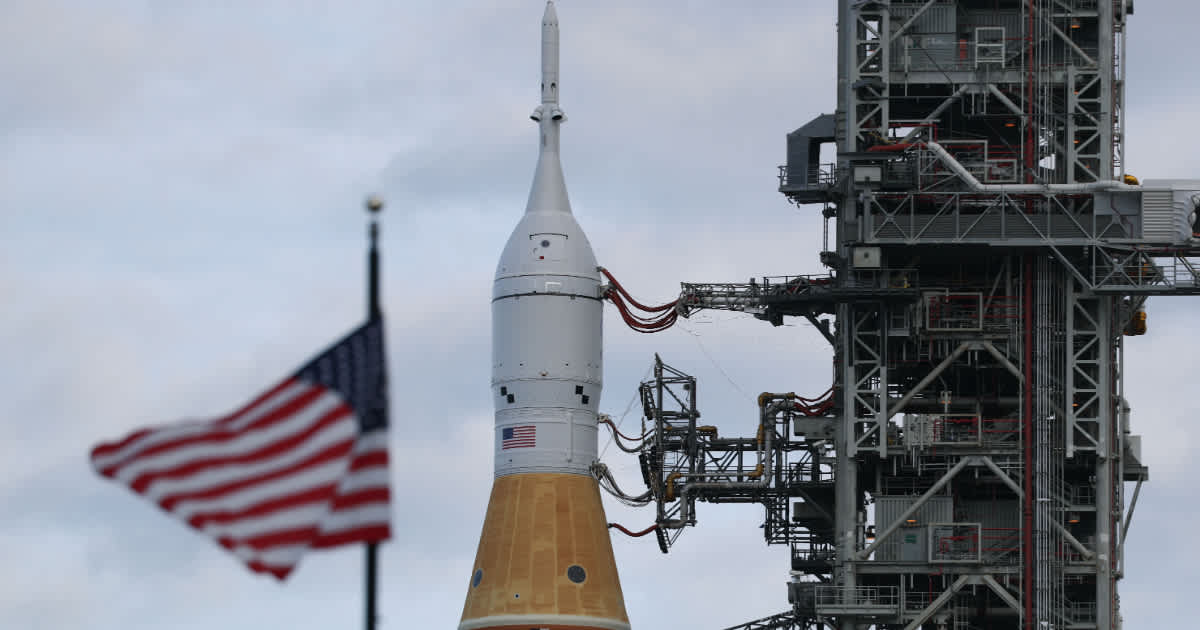
After the flight crew boards Orion at L-4 hours, its hatch will be sealed by the closeout crew, who will leave Launch Pad 39B before the final NASA test director briefing takes place at L-50m. Before this, the launch director will conduct a comprehensive briefing of the rocket’s thermal protection systems and imagery results. A built-in 30-minute hold will allow the team to manage the timeline before the crucial “go” or “no-go” poll at L-17m. The terminal count will begin at T-10m.
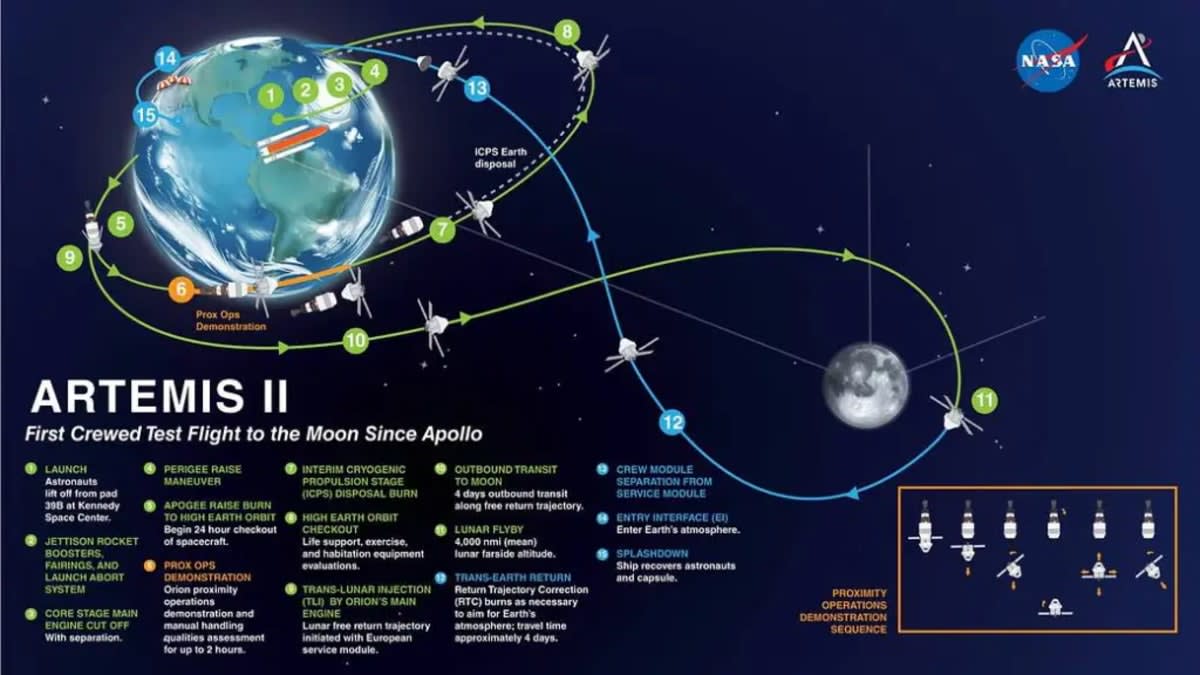
The team can hold the countdown at T-6m for the duration of the launch window without recycling back to T-10m or for 3 minutes between T-6m and T-1m30s. If more than 3 minutes of hold time is required in the latter case, the countdown will recycle back to T-10m. Any issues after the Ground Launch Sequencer takes over automated control of the countdown at T-30s will result in a scrub of the launch that day. The final sequence is rapid. At T-12s, the hydrogen burn-off igniters will be initiated, and at T-6.36s, the RS-25 engines will roar to life. This is followed by the booster ignition and umbilical separation at T-0, which will catapult the Artemis II crew away from Earth on their historic journey past the far side of the Moon on a free return trajectory.
More on Starlust
Artemis II: All the ways you can keep track of the mission — before, during, and after launch
With days to go before Artemis II’s launch, ground teams step up key preparations at launch site