Blue Origin targets May 31 for NS-32, its 12th human spaceflight mission from West Texas

Blue Origin, Jeff Bezos' aerospace company, aims to launch its 12th human spaceflight mission, NS-32, on Saturday, May 31. The suborbital flight, utilizing the reusable New Shepard vehicle for its 32nd overall mission, is scheduled to launch from Blue Origin's West Texas facility. The launch window opens at 9:30 a.m. EDT (1330 GMT; 8:30 a.m. local Texas time). You can watch the mission unfold live, with Blue Origin beginning its webcast 30 minutes before liftoff, as per Space.com.

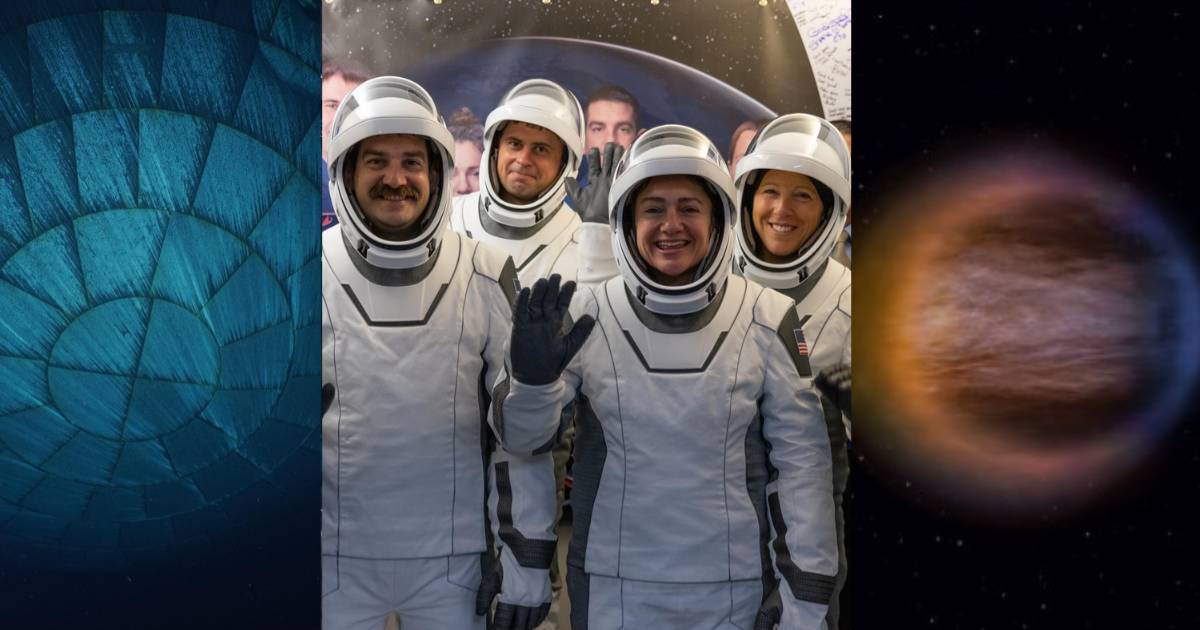
Six diverse individuals will embark on NS-32's brief suborbital flight, expected to last 10 to 12 minutes. The passenger manifest includes Jaime Alemán (a Panamanian businessman and former ambassador), Gretchen Green (a radiologist, life coach, and explorer), Paul Jeris (an entrepreneur and real estate developer), Aymette Medina Jorge (an award-winning middle school and high school teacher), Mark Rocket (a New Zealand entrepreneur), and lastly Jesse Williams (Canadian entrepreneur, adventurer and mountaineer).
🚀 Meet the New Shepard NS-32 crew: K-12 STEM teacher Aymette Medina Jorge, radiologist turned explorer Dr. Gretchen Green, former Panamanian ambassador to the United States Jaime Alemán, businessman Jesse Williams, aerospace executive Mark Rocket, and entrepreneur Paul Jeris.… pic.twitter.com/Yilv2LdPWm
— Blue Origin (@blueorigin) May 21, 2025
Blue Origin's inaugural crewed spaceflight launched on July 20, 2021, coinciding with the 52nd anniversary of the Apollo 11 moon landing. CEO Jeff Bezos, his brother Mark, aviation legend Wally Funk, and Dutch student Oliver Daemen were on board. Blue Origin's last mission, NS-31, made history on April 14 as it sent Katy Perry, a pop star, and five other female crewmates into suborbital space. This flight was notable as the first-ever multiperson human spaceflight without a male crewmember, and the first all-female spaceflight of any kind since Valentina Tereshkova's solo orbital mission on June 16, 1963, per SpaceNews.
This mission's crew included Katy Perry; Gayle King, co-host of "CBS Mornings"; former NASA rocket scientist and STEMBoard CEO Aisha Bowe; filmmaker Kerianne Flynn; bioastronautics researcher, author, and Nobel Peace Prize nominee Amanda Nguyen (the first Vietnamese woman in space); and journalist/author Lauren Sanchez, who is also Jeff Bezos' fiancee and the woman who organized the flight.
Thank you, Team Blue 💙
— Blue Origin (@blueorigin) April 15, 2025
New Shepard | NS-31 pic.twitter.com/uMixX7bcw0
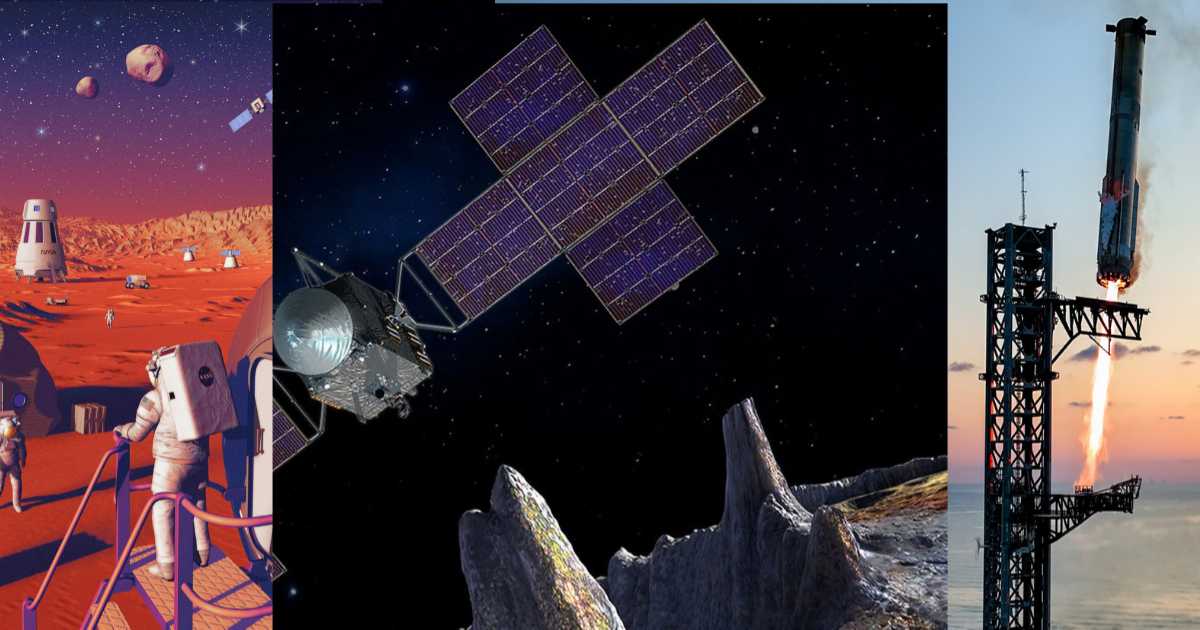
Blue Origin's mission is fundamentally centered on reusability as the critical factor for drastically lowering spaceflight costs. Their rockets, New Shepard and New Glenn, were both designed with reusability at their core from inception. Both vehicles employ a vertical take-off and landing system, allowing their boosters to be reused up to 25 times after only minor refurbishment. Powering these rockets are reusable, throttleable, liquid propellant engines. Beyond the technical innovation, Blue Origin's vision stretches across generations. They believe the current generation will establish the necessary foundation, with future generations then building upon these advancements. To this end, Blue Origin founded "Club for the Future," a nonprofit organization.
Just like their website quotes, “It’s this generation’s job to build a road to space, so that future generations can unleash their creativity,” the Club for the Future's primary goal is to inspire and mobilize future generations to pursue careers in STEAM (science, technology, engineering, arts, and math). They achieve this through initiatives like the "Postcards to Space" program, offering space-focused lessons and events, and engaging ambassadors globally. Blue Origin is dedicated to building a road to space for the benefit of Earth. The company, whose very name signifies "Earth," envisions a future where millions of people will live and work in space. This ambitious endeavor has a singular focus: to restore and sustain Earth, which they refer to as humanity's "blue origin."