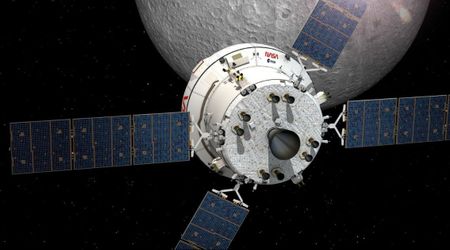
Blue Origin announces extended pause of at least two years in New Shepard flight operations
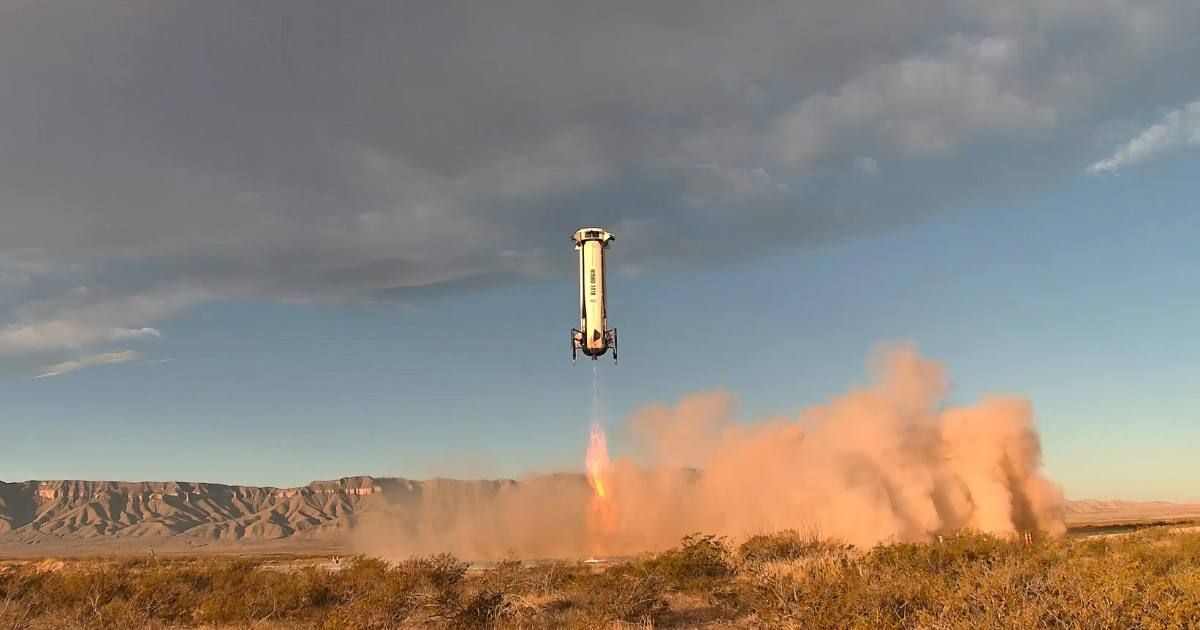
Blue Origin has launched the last of its New Shepard flights for no less than 2 years, according to their website. This comes after a decision to dedicate their forthcoming efforts mainly towards their commitments to the Artemis program, which aims to deliver humans to the surface of the moon with the Artemis III mission as early as 2028. Though contracts to deliver a human landing system for Artemis III and IV were ultimately awarded to SpaceX, Blue Origin was awarded a contract worth $3.4 billion by NASA to build a human lunar lander for Artemis V onward. Under the contract, Blue Origin is obliged to have their Blue Moon lunar lander ready for docking with Gateway station in lunar orbit and to carry humans to the surface, as well as to carry out all missions to demonstrate Blue Moon’s landing capabilities through an uncrewed mission prior to Artemis V. The latter uncrewed demonstration is set to be launched as early as this year through Blue Moon Mark 1’s CLPS Flight, which will also host a practical mission in NASA’s Viper rover.
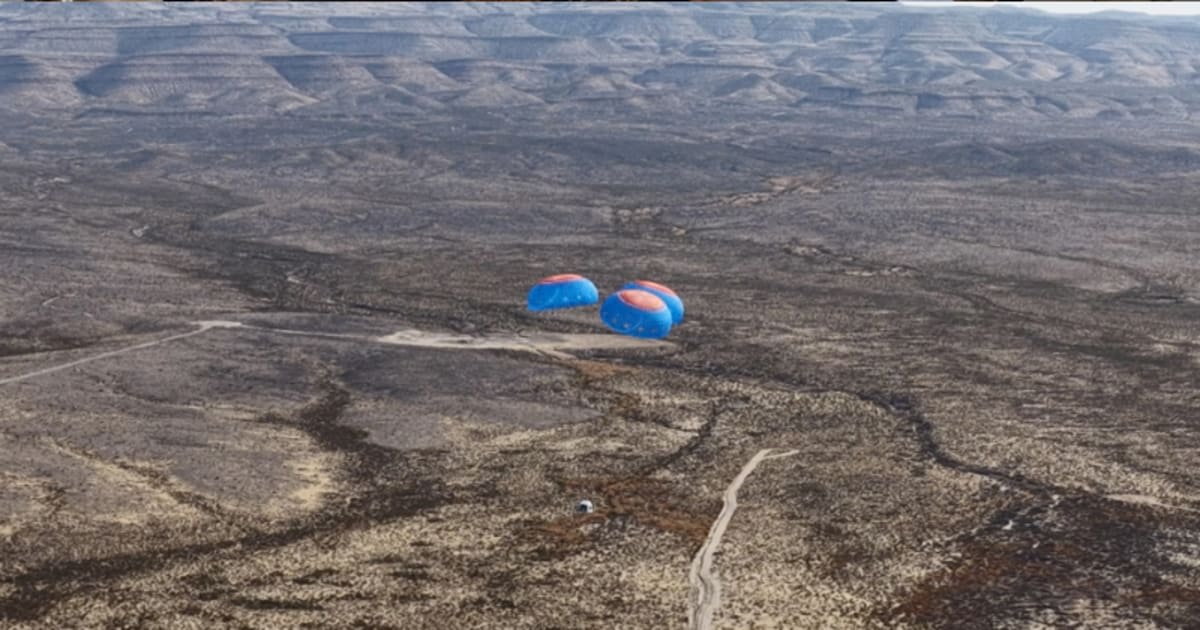
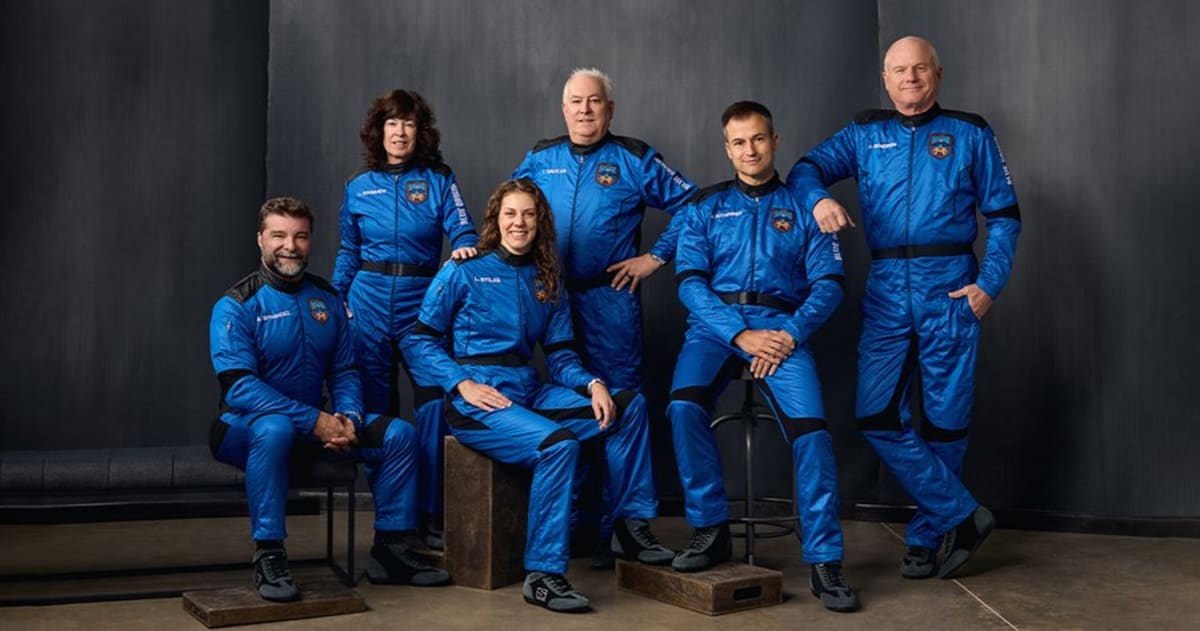
Blue Origin’s New Shepard flights, on the other hand, carry civilians on brief excursions to space. There have been a total of 38 New Shepard flights, 17 of them being crewed missions, carrying a total of 92 individuals to space (with six of them in more than one flight). These missions have been in the public eye with the launch of celebrity figures and pop-culture icons of the likes of Jeff Bezos and Katy Perry. As with all of its crewed missions, the last one, NS-38, carried 6 space tourists beyond the Kármán Line to 350,000 feet, returning them to the surface approximately 10 minutes later. The one before that, designated NS-37, carried the first wheelchair user to space.
Blue Origin’s rearrangement of priorities is fully understandable, given how its rival SpaceX may not be able to deliver the lunar lander for Artemis III in time for launch in 2028, according to CNN. About the decision to award Blue Origin a contract to provide Artemis landers, Lisa Watson-Morgan, manager of Human Landing System Program at NASA’s Marshall Space Flight Center in Alabama, said, “Having two distinct lunar lander designs, with different approaches to how they meet NASA’s mission needs, provides more robustness and ensures a regular cadence of Moon landings. This competitive approach drives innovation, brings down costs, and invests in commercial capabilities to grow the business opportunities that can serve other customers and foster a lunar economy.”
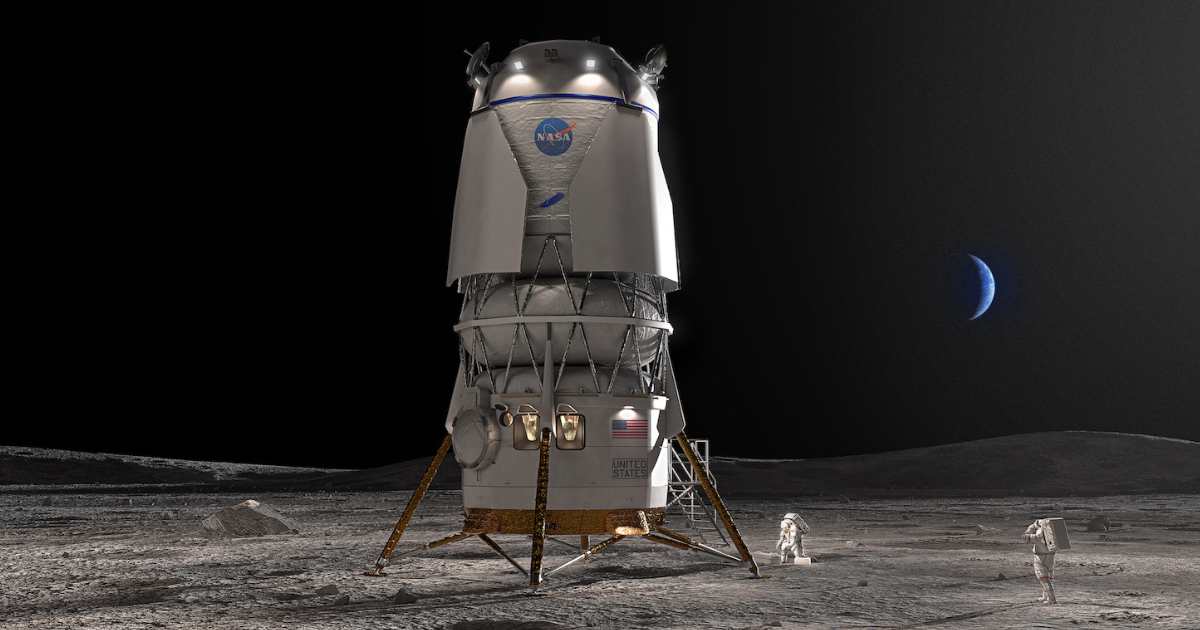
Besides Blue Origin and SpaceX, NASA has also called upon other companies for the design and development of other vital components within the Artemis program. The likes of Boeing are responsible for the development of the core stages of SLS rockets. Northrop Grumman is also responsible for putting together the Gateway lunar orbiting station’s HALO (Habitation and Logistics Outpost), amongst others. Blue Origin’s decision to drop New Shepard missions for the near future, with Artemis II on the horizon, goes to show that it’s all hands on deck as far as accelerating the exploration of the Moon with the Artemis program is concerned.
More on Starlust
Blue Origin's New Glenn successfully launches NASA’s twin ESCAPADE spacecraft
NASA’s SpaceX Crew-12 heads into quarantine before launching for International Space Station