Billions of years ago, a wet and warm Mars was possibly in its most habitable era
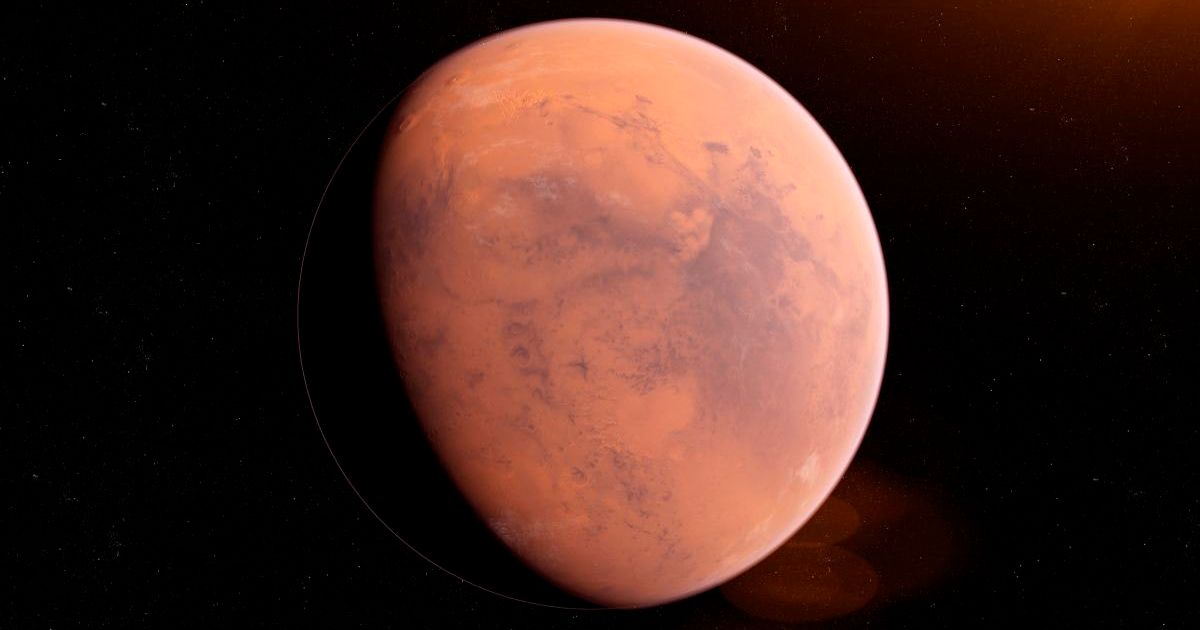
The present-day bone-dry, dusty Mars was warmer and wetter around billions of years ago, a new study published in Communications & Earth suggests. In doing so, it challenges the prevailing theory that claims Mars was cold and icy during that time. More importantly, it suggests that life could have been present on the Red Planet during that time.
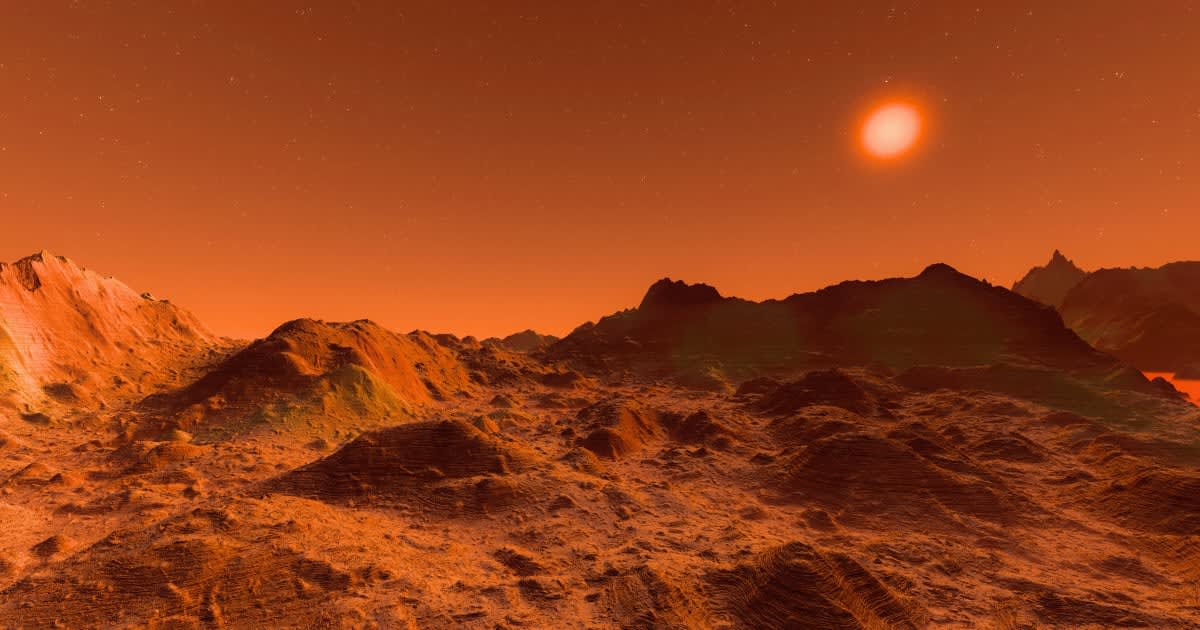
More specifically, the era that the paper refers to is called the Noachian epoch, which lasted from 4.1 to 3.7 billion years ago. This was a time when the solar system was battered by meteorites. Such bombardment created two gigantic scars—the Hellas and Argyre impact basins that run over a thousand miles—big enough to hold all the water in the Mediterranean and then some more. It is likely that Mars was at its most habitable at this time.
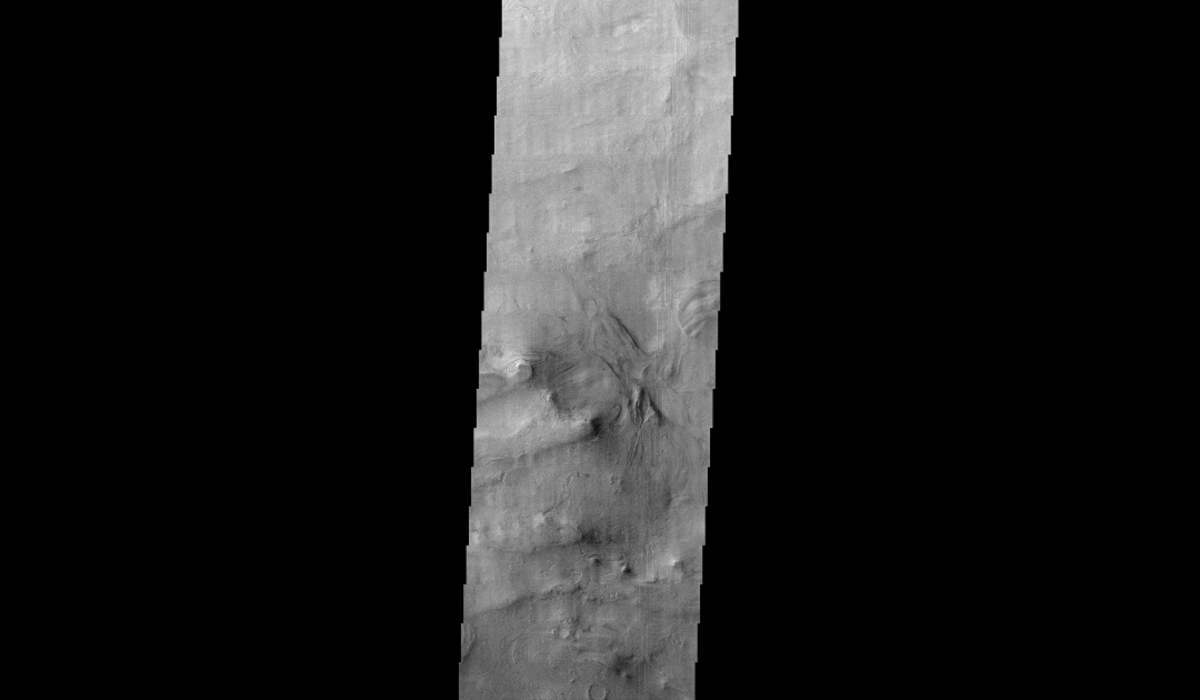
Landforms shaped by flowing water and even ample evidence of dried-up river valleys, lake beds, coastlines, and river deltas have already been found on the planet. Researchers, however, still wrestle with two pictures—one of a cold, icy past that featured occasional melting of large quantities of frozen water through meteorite impacts or volcanic eruptions and the other warm and watery. Against the backdrop of the debate, researchers continue to dig deep into the Martian past to know how it was billions of years ago.
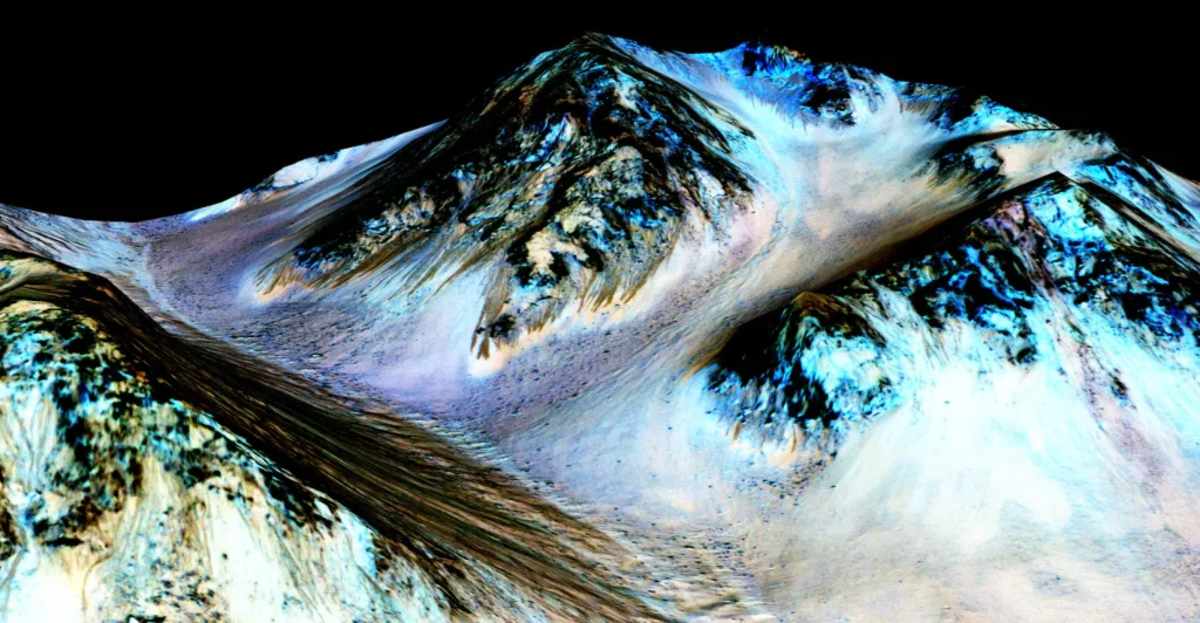
Billions of years ago, the Sun was young and radiated less heat because a star brightens with age. Less heat from a dimmer Sun meant Mars needed a thick atmosphere with enough greenhouse gases, such as carbon dioxide, to trap whatever solar heat it received. However, at high atmospheric pressure, carbon dioxide slips out of the air to form clouds, reducing the greenhouse effect. This makes the scenario where Mars was a cold, icy planet more likely. The data from the Perseverance Rover, however, on which the latest paper is based, doesn't support this scenario.
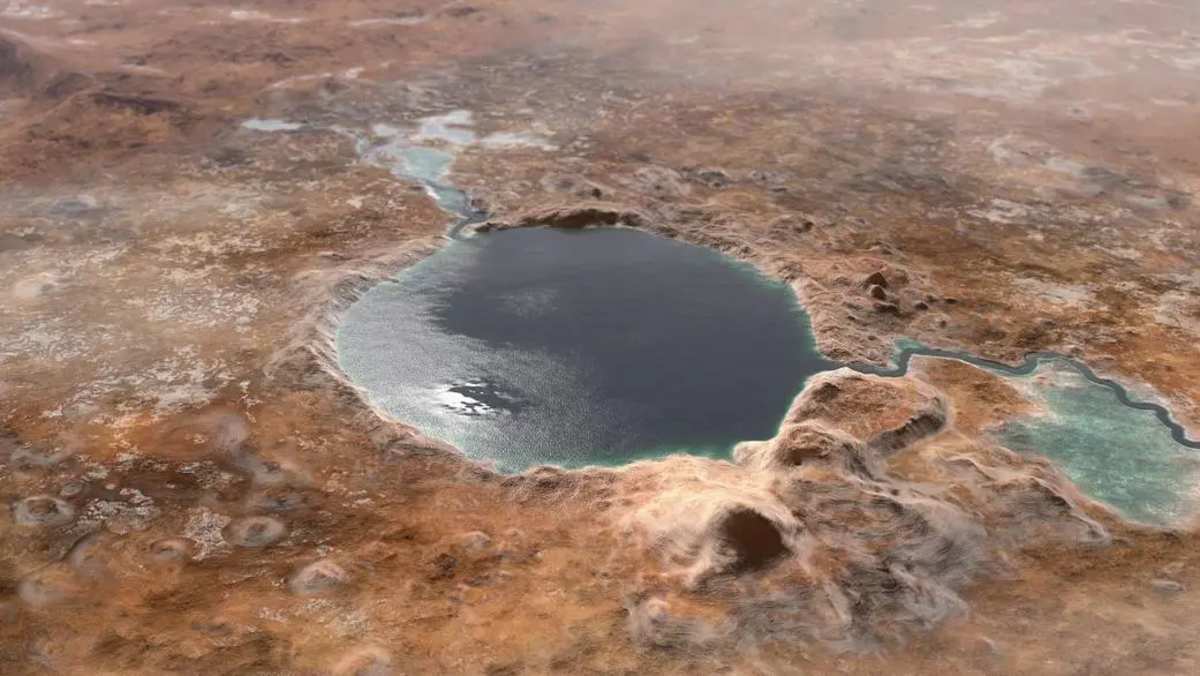
The Jezero Crater, where the rover landed, used to house a lake. The channels in the crater, which were carved by flowing water, contain huge amounts of clay minerals. The new study details the analysis of aluminum-rich clay pebbles, called kaolinite, that were found in one of these channels. Interestingly, the clays lack iron and magnesium but are rich in titanium and aluminum. Drawing on clues from similar rocks on Earth from when it was much warmer and wetter, the researchers contend that these rock transformations happened under modest temperature and high rainfall instead of in a hydrothermal environment, where meteorite impacts and volcanic eruptions occasionally melted ice, releasing extremely hot water. In fact, the paper claims that Mars may have had these conditions for thousands, maybe even millions, of years.
More on Starlust
Mars may be tiny but its impact on Earth's ice ages has been immense
New evidence shows Mars was once a 'blue planet' covered by a massive ocean