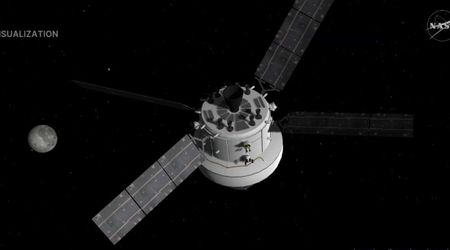
Artemis II: NASA working to resolve 'burning smell' reported by crew and issues venting wastewater
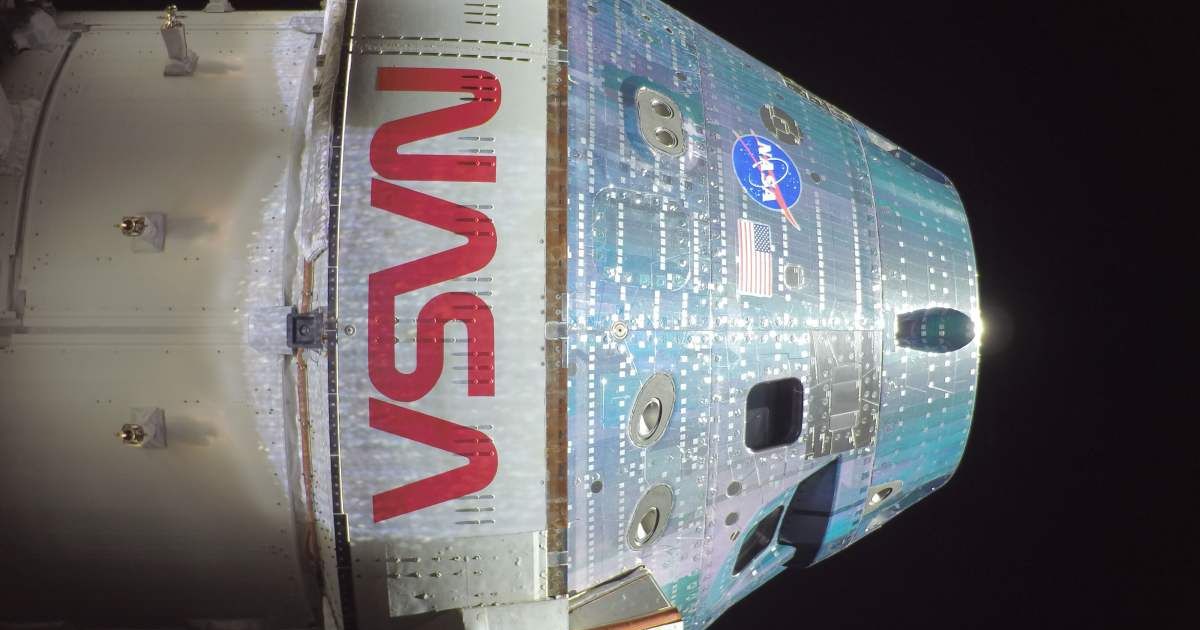
As day 5 dawns on Artemis II in its outbound transit to the Moon, the flight crew has been incredibly busy amid solving a few issues inside the Orion capsule. Reflecting on them during the news conference held on April 4, 2026, NASA mission managers shared insights into an odd ‘burning smell’ the crew had reported. The issue of not being able to vent urine out of their spacecraft was also discussed, amongst other updates. The night before, attempts by mission controllers to dispose of the urine from the Universal Waste Management System’s tanks had to be stopped short due to an obstruction. This meant that the crew would not have been able to use the toilet for urination once the tank filled up.
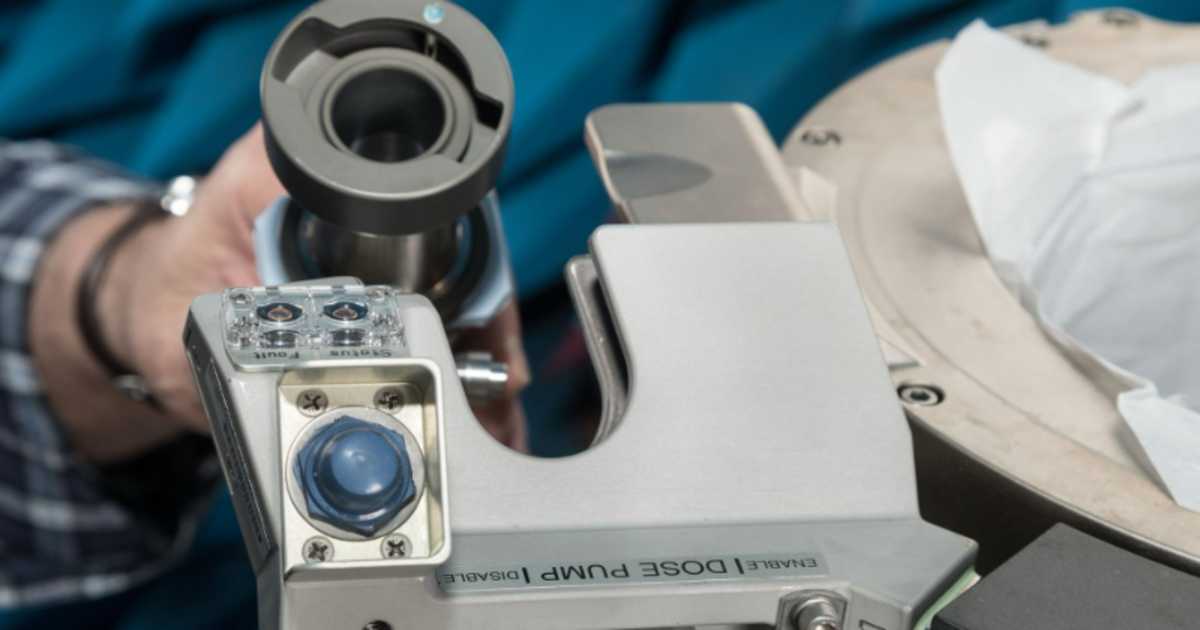
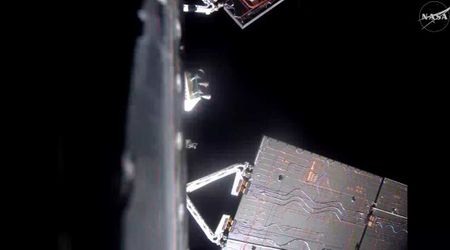
Judd Frieling, the ascent flight director for Artemis II, addressed this during the event held Saturday evening. “During the night we tried to vent the wastewater tank that’s attached to the toilet. We had problems with that due to a suspected blockage, we think probably due to ice”, said Frieling. In the meantime, the crew also had to contend with an odd “burning” smell inside Orion coming from the hygiene bay area. At the moment, the smell has not been characterized as a biological smell, and no direct links to the UWMS have been reported so far. Mission managers also mentioned that the vent, which is located close to the box-shaped being in shade for more time than anticipated may have been the reason for the ice forming in the venting lines.
Why do the Artemis II astronauts keep calling their Orion spacecraft, "Integrity"?
— NASA Artemis (@NASAArtemis) April 5, 2026
The crew chose this name for their home away from home because it "embodies the foundation of trust, respect, candor, and humility" of the teams behind the Artemis II mission. pic.twitter.com/un20qoSWSW
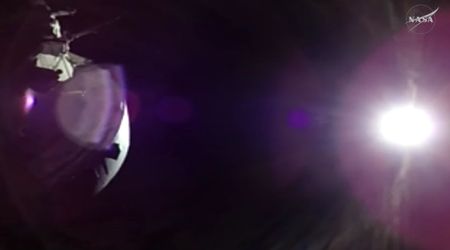
Adding to his comments about the UWMS issue, Frieling further described a maneuver performed by Orion so as to orient the spacecraft’s vents towards the Sun. Melting the ice in this way helped clear the lines to some degree, with half of the tanks emptied, although the issue remains under scrutiny. “We are still continuing to troubleshoot the urine venting. As Judd mentioned, (we) did have a partial successful venting after the maneuvers that Judd mentioned getting some sunlight on that vent”, said Debbie Korth, Orion deputy program manager for NASA. Korth also distinguished the smell as a “dusty, burning smell” based on the description by CSA’s Jeremy Hansen of the crew. "For me, it was some sort of burning odor, and then it was definitely in the hygiene bay. And when I opened up the hygiene bay, the rest of the crew could smell it pretty much immediately," he told the Mission Control. This prompted mission controllers to check all thermal and electrical systems aboard Orion, only to find that there was nothing anomalous about those subsystems.
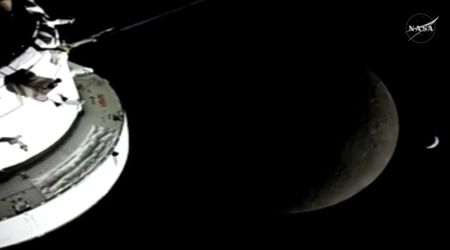
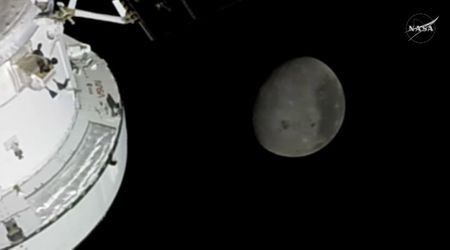
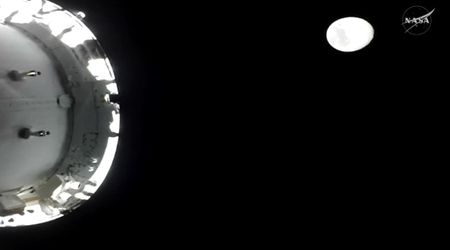
Artemis II just hit the "two thirds" mark of the journey to the Moon.
— NASA Artemis (@NASAArtemis) April 5, 2026
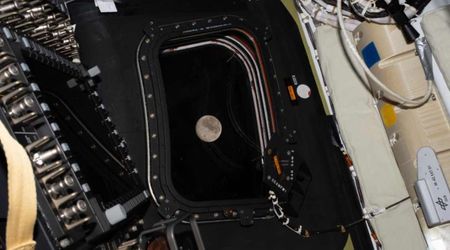
During Flight Day 4, the astronauts aboard Orion went over plans to study the Moon during their upcoming lunar flyby and are currently practicing manually controlling the spacecraft. pic.twitter.com/TU0ftZAekT
“We have an anomaly gas analyser that we can use to check the constituents of the air - nothing showing up. So we don’t know (the reason for the smell) yet. We’re still troubleshooting where that might be coming from," said Korth. Christine Koch said the odor was similar to "the kind of burning heater smell." Ground teams will be looking to replicate the smell using the materials onboard Orion so as to find a fix, and Korth was confident about this burning smell not being hazardous. “I think it might be more mechanical in nature - some tapes and some materials that might be outgassing." Similar to the toilet issue faced during the first day of the mission, the crew was instructed to use the collapsible contingency urine devices, even as the toilet itself remains functional.
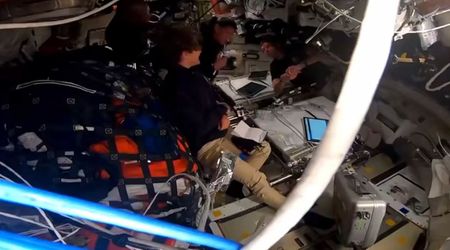
The Artemis II crew began their day prepping for their flyby. Tasks include a manual piloting demo with Victor Glover, reviewing lunar science targets, and collecting bio-samples. The Orion spacecraft remains on track for its flight around the Moon! https://t.co/ZcmPaFTTRs pic.twitter.com/Yq5Fyn8iyn
— NASA (@NASA) April 4, 2026
While mission controllers attempt to get to the root of these two issues, the crew has had their work cut out in preparation for their lunar flyby scheduled for Monday. It will have them conduct lunar prospecting, taking pictures and making scientific observations, with more activities to follow. For now, the crew conducted checkout of their medical kits, used their exercise device to return engineering feedback, and most importantly, pilot Victor Glover finished off manually piloting Orion for the second time in the mission, later in the evening. Frieling also reported completion of a test of the search, acquire, and track mode of Orion’s communications systems so that it can acquire communication with Earth autonomously, should it lose its “pointing knowledge."
More on Starlust
Artemis II: Mission control cancels first outbound trajectory correction burn. Here's why
'There is nothing normal about this': Artemis II astronauts get candid as they head for the Moon