Artemis II: NASA to roll out SLS rocket to the launchpad on March 19, targets April 1 for launch
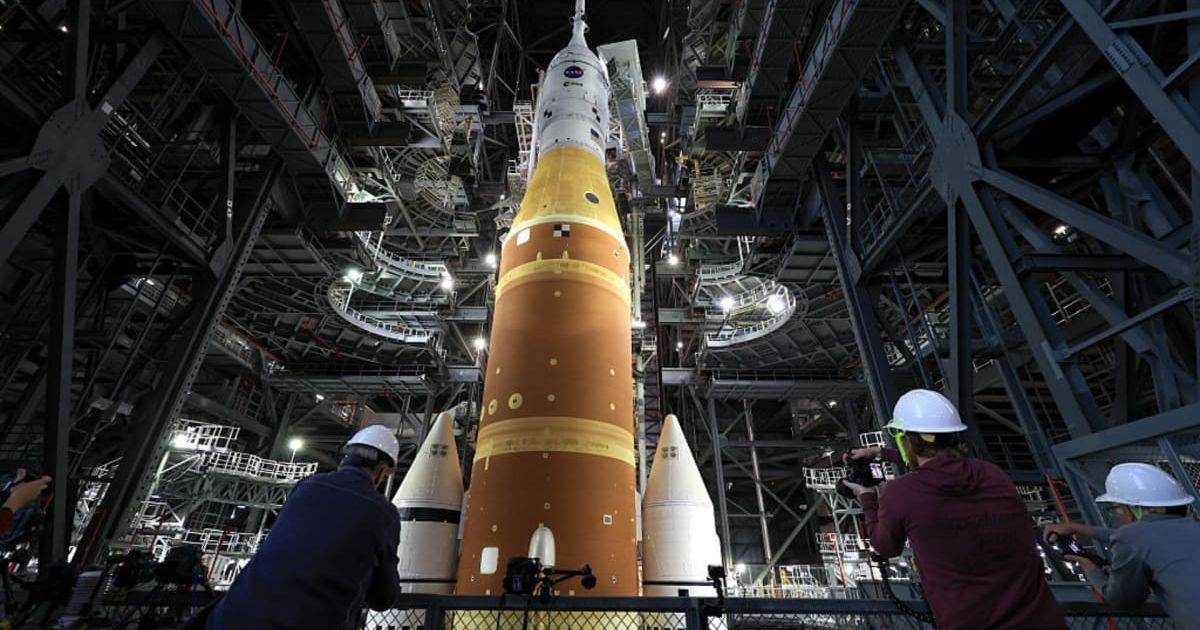
NASA has confirmed that it completed a Flight Readiness Review (FRR) on March 12, 2026, the results of which were encouraging. Having had to roll the Artemis II SLS rocket back to the Vehicle Assembly Building due to a helium flow obstruction to the interim cryogenic propulsion stage (ICPS), mission managers are now targeting a rollout back to the launchpad on March 19, 2026. Pending all the work that is still due to be completed at the VAB and the arrival of the rocket at launch pad 39B of the Kennedy Space Center (KSC) in Florida, the agency will attempt to launch the mission at 6:24 pm EDT on Wednesday, April 1, 2026. NASA, having altered its Artemis program plans recently, is keen to make the launch happen this April in line with Administrator Jared Isaacman's pledge of increasing launch cadence.
NASA teams have polled 'go' to proceed toward Artemis II's launch around the Moon.
— NASA (@NASA) March 12, 2026
We're targeting March 19 to roll the rocket out to the launchpad at @NASAKennedy in advance of a launch attempt on April 1, pending completion of work at the pad: https://t.co/B58YibEjYI pic.twitter.com/vSVV6wx5No
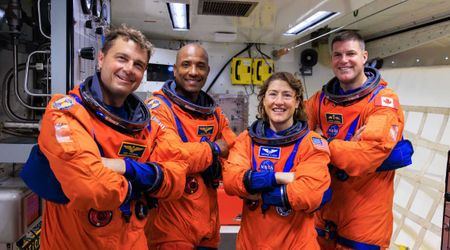
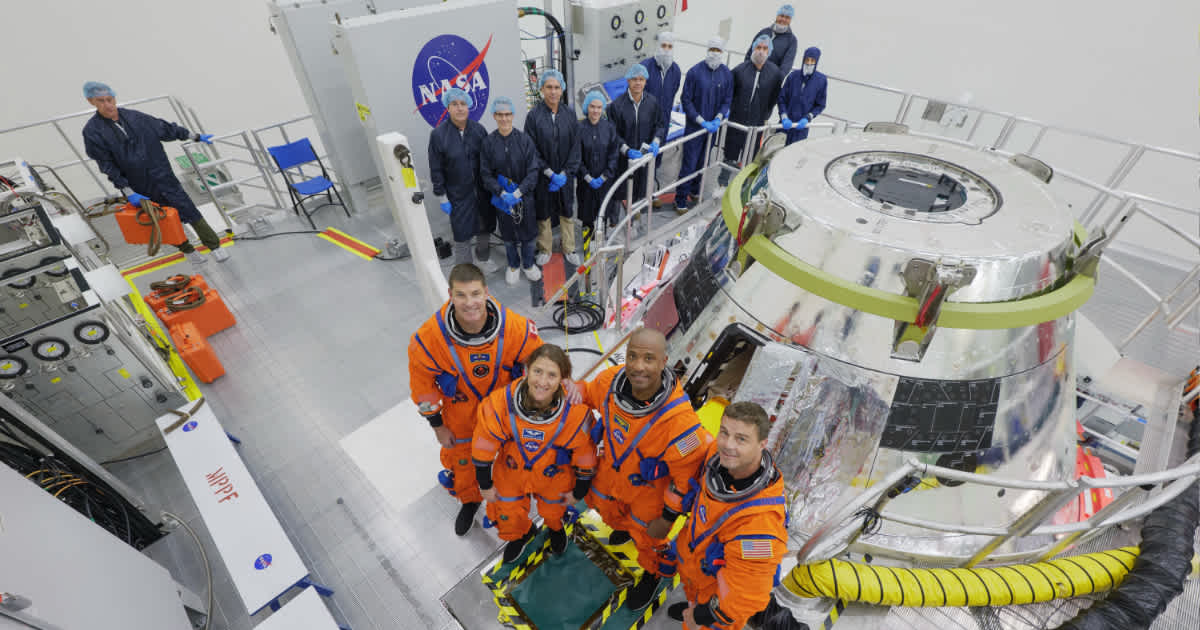
According to the Acting Associate Administrator for NASA’s Exploration Systems Development Mission Directorate, Dr. Lori Glaze, the review lasted two days. Very thorough and transparent conversations were had during this time, reported Dr. Glaze. Besides mission managers giving their "go," the Artemis II crew was also included in the discussions virtually, as they find themselves currently stationed in Houston. Based on the timelines shared, their quarantine will begin on March 18, with them arriving at KSC on March 27. Dr. Glaze said that their presence during the FRR was key to maintaining the above-mentioned transparency about the risks they will have to undertake during their lunar flyby mission.
Upon the completion of the work on the SLS rocket stack, which has testing of the flight termination system remaining, the agency may set a new record for completing the required repairs and tasks at the VAB. Sean Quinn, EGS Program Manager, referred to this impressive turnaround time, stating, “As Lori mentioned, we're targeting March 19th as the roll date and should we meet that roll, which we have fairly high confidence we will, it will be the fastest turnaround in the Artemis program since we started. You know, 22 days from the time we roll off the pad, getting back out to the pad."
While April originally presented six launch opportunities on the 1st, 3rd, 4th, 5th, 6th, and 30th, another launch window on April 2 has been added as well. This means the first six days of April are all possible windows of opportunity for launch, even though only four attempts can be made in that time. This is because of the turnaround time needed to prepare the rocket for launch in the event of a scrubbed launch. "Within those six days between the 1st and the 6th, we can't always turn around every day for an attempt. We would anticipate on the order of about four opportunities within that six-day period," explained Dr. Glaze before reminding that while the agency is comfortable targeting April 1 for launch, there is still some work left in the VAB and at the launchpad. "As always, we will always be guided by what the hardware is telling us, and we will launch when we are ready," she added.
More on Starlust
Artemis II crew will use this roller-coaster-inspired system to escape to safety during emergency
Dining in space: What and how will the Artemis II crew eat on Orion?