Artemis II launch: Orion solar wings deploy in orbit, spacecraft fully powered now
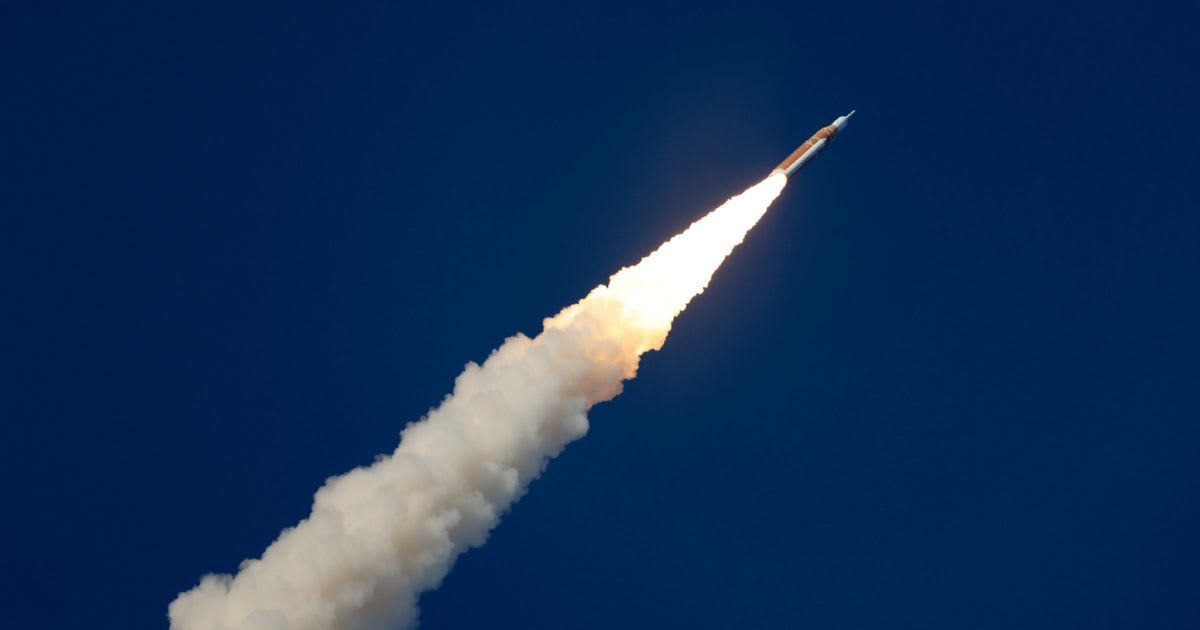
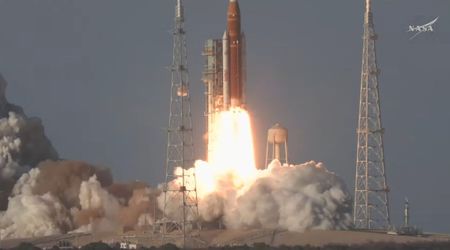
Shortly after the Artemis II SLS liftoff at 6:35 p.m EDT on Wednesday, the Orion capsule carrying the crew deployed its four solar array wings at 6:59 p.m., and became fully powered in orbit. The spacecraft, named “Integrity” by the crew, will use the solar power generated for the rest of its 10-day journey around the Moon. Each wing contains a total of 15,000 solar cells, which power the mission’s operations, life-support systems, avionics, and communications. They extend outward from the European Service Module and give Orion a total span of nearly 63 feet when deployed. The ESA-built solar arrays can rotate on two axes, which allows them to generate maximum energy from the Sun as the spacecraft changes orientations.
Our European Service Module solar arrays in orbit🌞
— Human Spaceflight (@esaspaceflight) April 2, 2026
With these solar wings extended, Europe is now powering Artemis II ⚡ pic.twitter.com/iHJ3xpEpLz
Just before Orion’s solar arrays were deployed, the SLS core stage shut down and separated at 6:43 p.m. EDT. This main engine cutoff simply means that the rocket’s primary propulsion phase has ended, and now the spacecraft will continue its mission into orbit with ICPS (Interim Cryogenic Propulsion Stage). Minutes before this, the spacecraft adapter jettisoned fairings separated at 6:38 p.m. EDT. These were no longer needed to protect Orion’s service module and launch abort system, as the spacecraft moved above and beyond the atmosphere’s densest layers.
🛰️ The Orion spacecraft spreads its wings.
— Human Spaceflight (@esaspaceflight) April 1, 2026
☀️ The four solar arrays on the European Service Module unfolded like a concertina.
🔋 They are starting to collect photons from the Sun to turn them into electricity for the Moon trip. pic.twitter.com/D4x9jACq9y
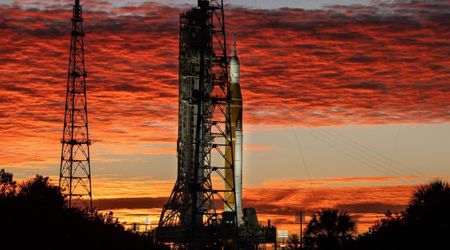
Artemis II successfully launched from Kennedy Space Center’s Launch Complex 39B. The rocket first cut off its umbilicals to be freed from ground systems for autonomous flight. Two minutes later (per schedule), the SLS rocket’s twin solid rocket boosters separated, each 177 feet tall and generating over 3.6 million pounds of thrust at liftoff. Without them, mass is reduced and the SLS core stage remained the primary source of thrust until it was cut off, too. Artemis II’s next milestones are the PRM (perigee raise maneuver) and ARB (apogee raise burn), as these burns will raise Orion’s orbit and make it deep-space ready.
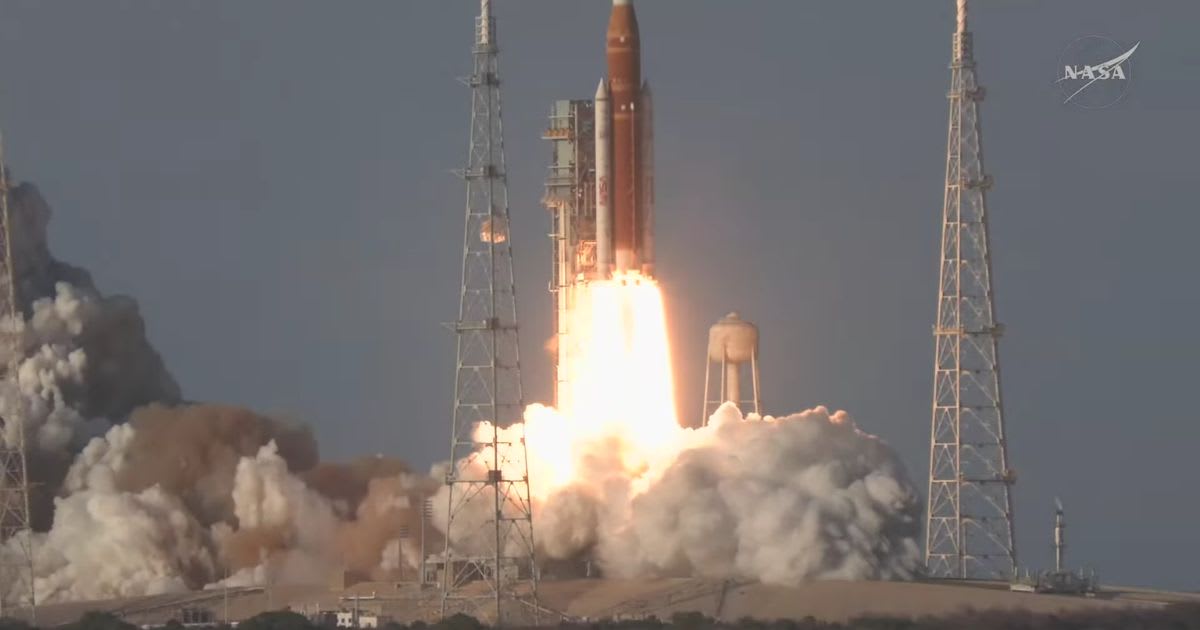
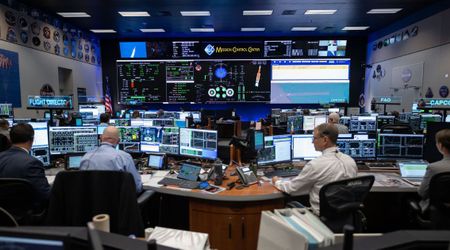
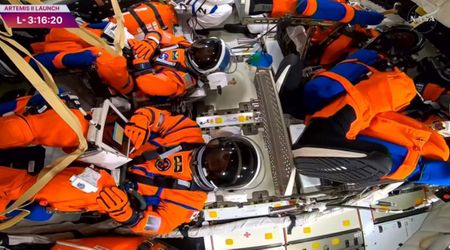
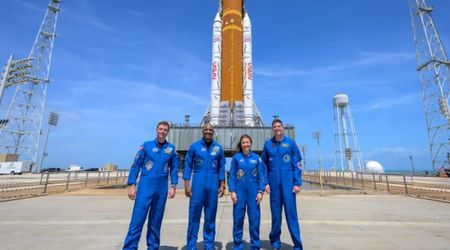
The four Artemis II astronauts — Reid Wiseman, Victor Glover, Christina Koch, and Jeremy Hansen — will orbit Earth for a day to make sure the spacecraft and its systems are fully operational before it commits to TLI (trans-lunar injection). In a post-launch news briefing, NASA Administrator Jared Isaacman confirmed that they temporarily lost communications with the capsule, around 51 minutes into the flight. Now, with all initial milestones completed, Orion is fully configured for flight — specifically, its potentially record-breaking trip around the Moon and back.
More on Starlust
'We are going for all humanity': NASA's Artemis II successfully launches from Kennedy Space Center
Artemis II will be visible from Florida and southern Georgia—here's exactly when to look up