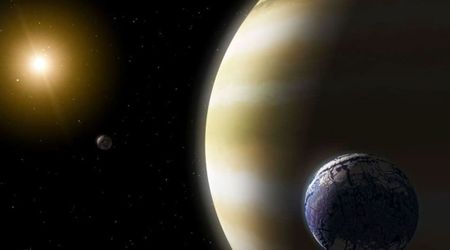
AI tool confirms over 100 exoplanets from NASA's TESS data after scanning 2.2 million stars
![Artist’s impression of an ultra-short-period planet. [Representative Image Source: NASA, ESA, and A. Schaller (for STScI)]](https://d3hedi16gruj5j.cloudfront.net/796790/uploads/43d0ba50-28cf-11f1-b875-27aa86961e97_1200_630.jpeg)
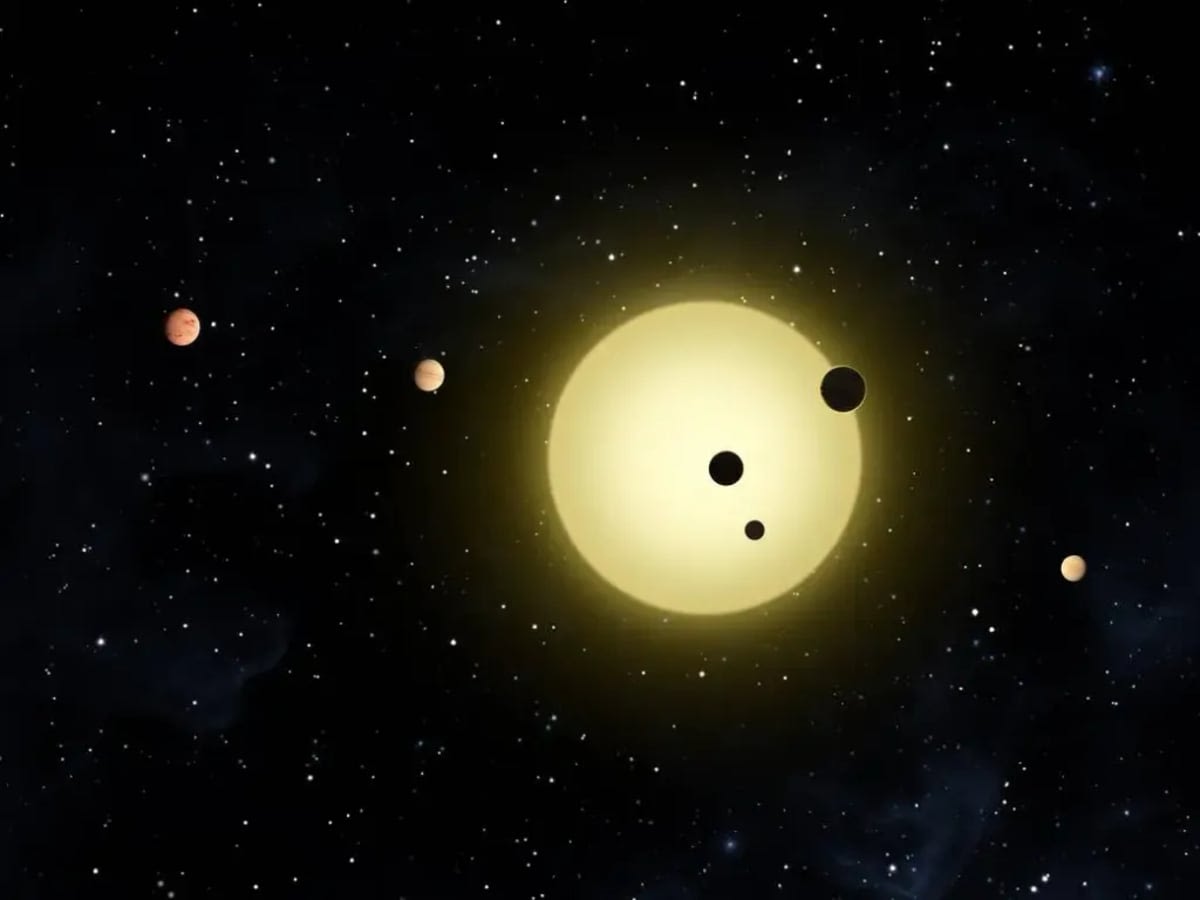
A team of astronomers at the University of Warwick used a new artificial intelligence tool to filter the data acquired by NASA’s Transiting Exoplanet Survey Satellite (TESS) and validate more than 100 exoplanets, including 31 newly detected ones. In fact, the AI tool, called RAVEN, allowed the researchers to sift through observational data for more than 2.2 million TESS-identified stars and narrow their search to planets that orbit close to their stars, completing a revolution in less than 16 days. The findings have been reported in a study published in the Monthly Notices of the Royal Astronomical Society.
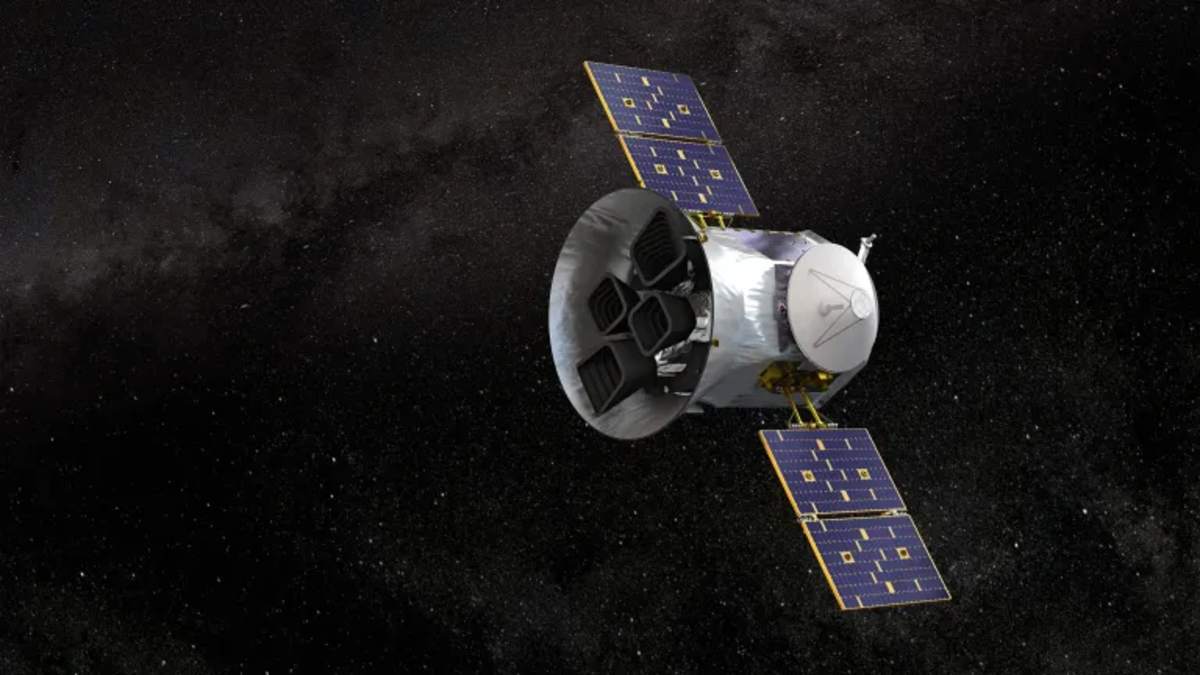
“Using our newly developed RAVEN pipeline, we were able to validate 118 new planets, and over 2,000 high-quality planet candidates, nearly 1,000 of them entirely new,” said first author Dr. Marina Lafarga Magro, postdoctoral researcher at the University of Warwick, in a statement. “This represents one of the best characterized samples of close in planets and will help us identify the most promising systems for future study.” Since becoming operational, TESS has been constantly scanning the sky to detect subtle dimming of starlight caused by planets passing in front of their host stars. "The challenge lies in identifying if the dimming is indeed caused by a planet in orbit around the star or by something else, like eclipsing binary stars, which is what RAVEN tries to answer,” said Warwick’s Dr. Andreas Hadjigeorghiou, who led the development of the AI tool.
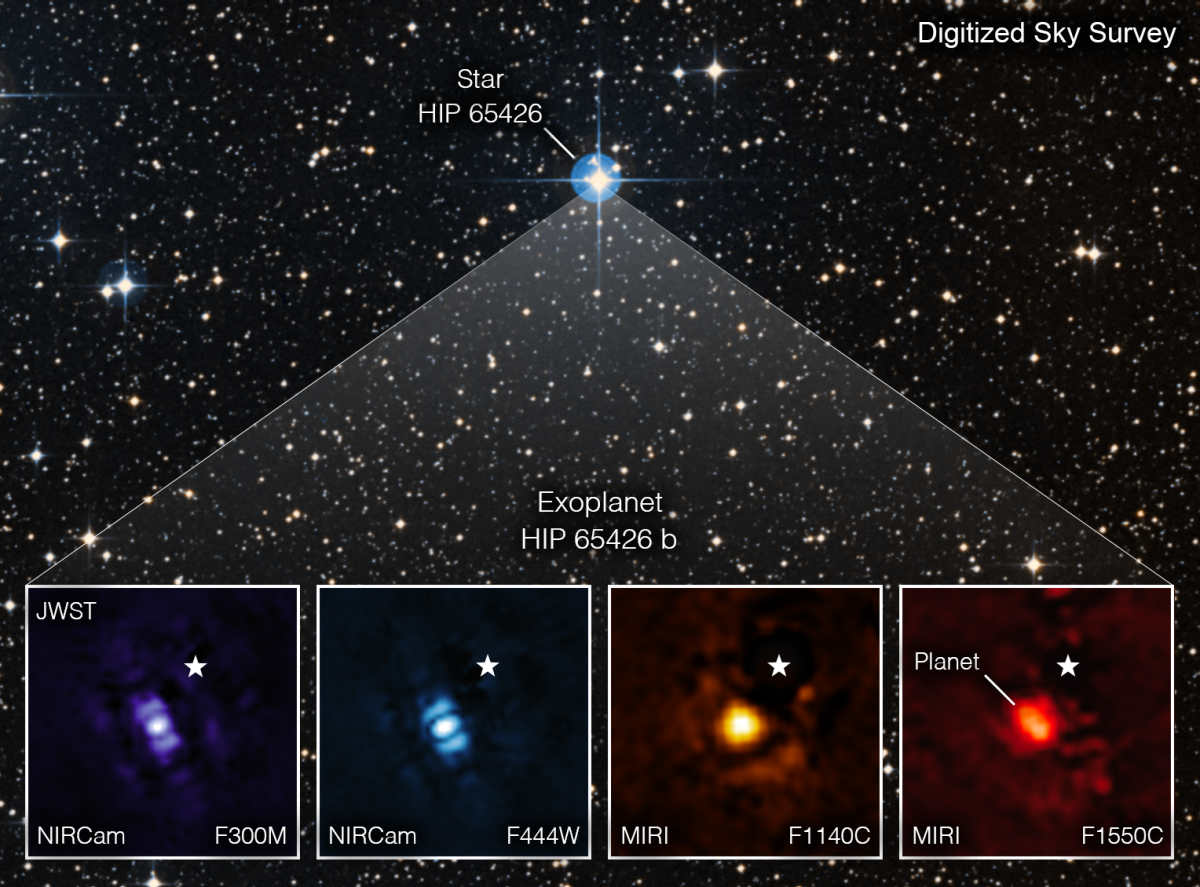
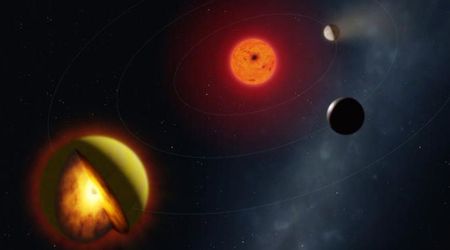
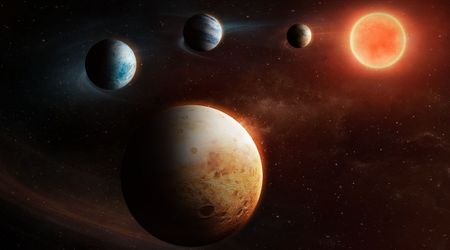
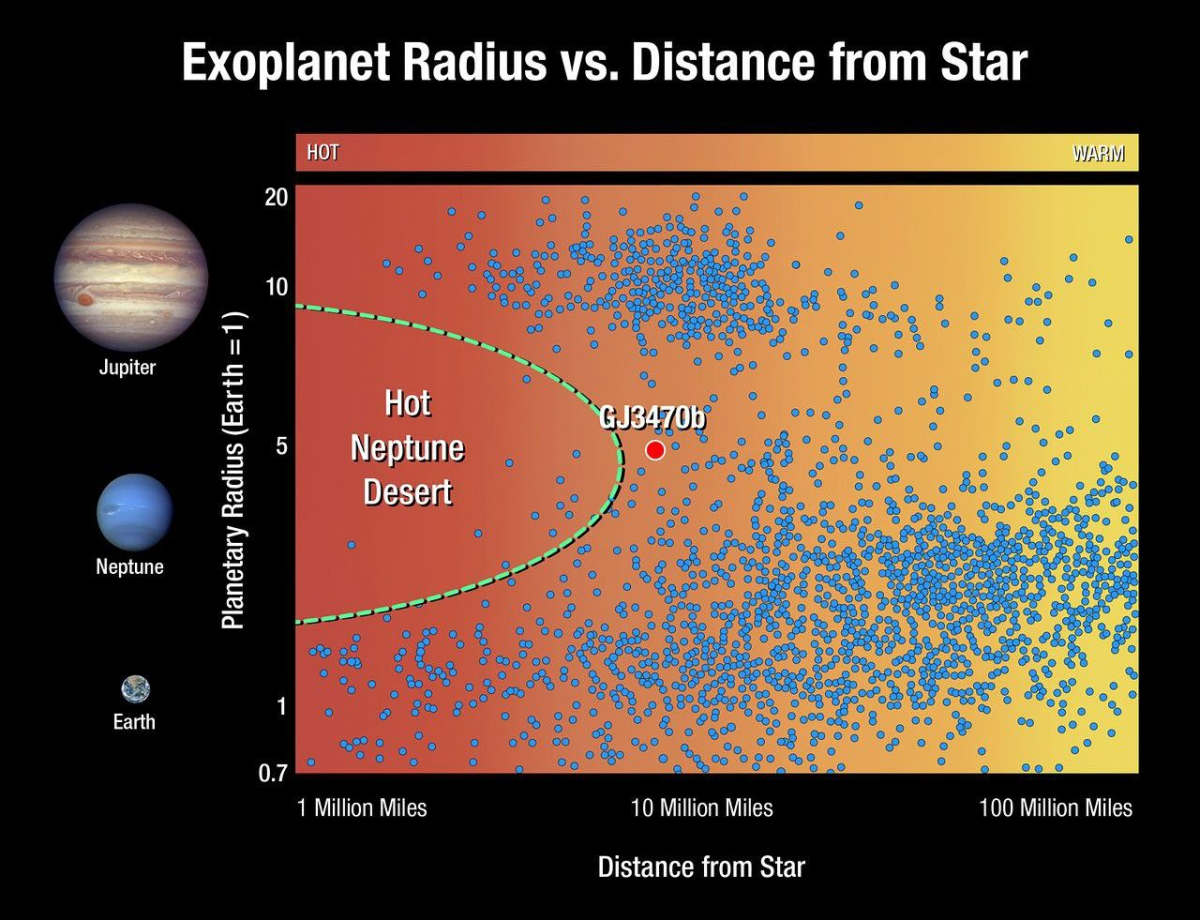
“Its strength stems from our carefully created dataset of hundreds of thousands of realistically simulated planets and other astrophysical events that can masquerade as planets. We trained machine learning models to identify patterns in the data that can tell us the type of event we have detected, something that AI models excel at,” Hadjigeorghiou added. The newly detected planets include ultra-short-period planets, close-orbiting multi-planet systems, and ‘Neptunian desert’ planets. The ultra-short-period planets are really fast and orbit their host stars in less than 24 hours. A multi-planet system consists of planetary pairs that revolve around the same star. The ‘Neptunian desert’ planets are those that are in a zone where planets should not exist. Not theoretically, at least.
The researchers moved beyond identifying individual classes of planets and examined the population of close-in planets. They report their findings in a separate study, also published in the MNRAS. In this population study, they uncovered how frequently close-orbiting planets are found around Sun-like stars. Their results show that around 9-10% of Sun-like stars have a nearby planet, which matched the data of NASA’s Kepler mission. But the addition of RAVEN changed the outcome of the analysis, achieving a tenfold decrease in uncertainty.
The study has also shown that ‘Neptunian desert’ planets occur around just 0.08% of Sun-like stars. “For the first time, we can put a precise number on just how empty this ‘desert’ is,” said Dr. Kaiming Cui, Postdoctoral Researcher at Warwick and first author of the population study. “These measurements show that TESS can now match, and in some cases surpass, Kepler for studying planetary populations.” The Warwick researchers showed that AI helps analyze large astronomical data seamlessly. They have made their tools and catalogues available for other researchers to apply them to future observations with ground-based telescopes and upcoming missions such as the European Space Agency’s PLATO.
More on Starlust
An exoplanet discovered by ESA's CHEOPS is turning theories of planetary formation 'inside out'
Two exoplanets collided—and the impact was similar to the one that created Earth and the Moon