Dark matter may not be just one state—new study proposes two versions
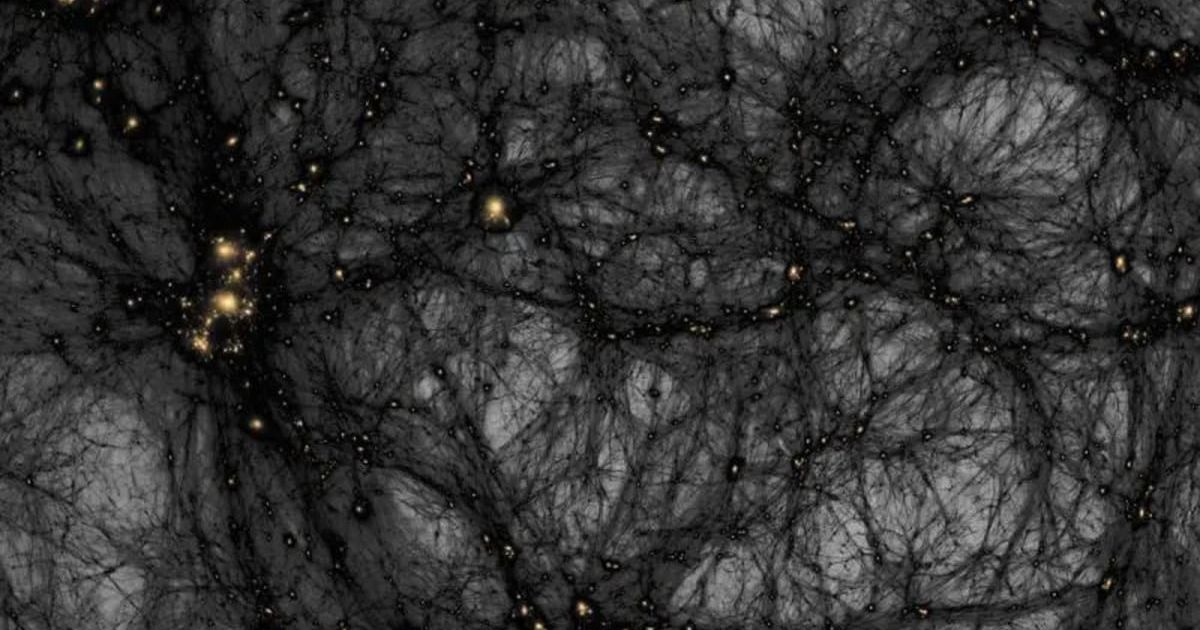
We know that dark matter exists. Yet, it doesn’t show up in telescopic images. Growing evidence reveals that dark matter may not consist of a single particle. But it has multiple components that change depending on the cosmic environment. A new study, published in the Journal of Cosmology and Astroparticle Physics, suggests that researchers should redefine how they search for signals from dark matter. They should not go after the same clues everywhere to hunt down this elusive matter, the study states. The study, conducted by astrophysicists at the Fermi National Accelerator Laboratory and the University of Chicago, points out that destruction of dark matter can yield excess gamma-ray radiation from the center of our galaxy. However, failing to detect the same signal in dwarf galaxies doesn’t mean that such galaxies lack dark matter.
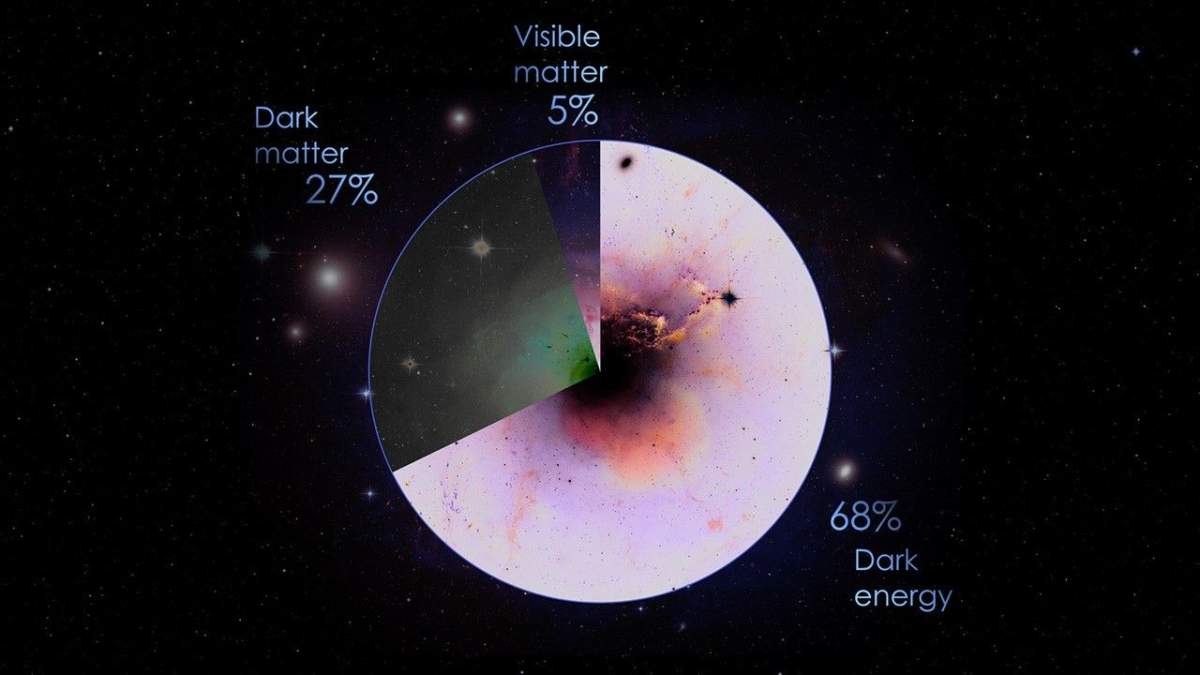
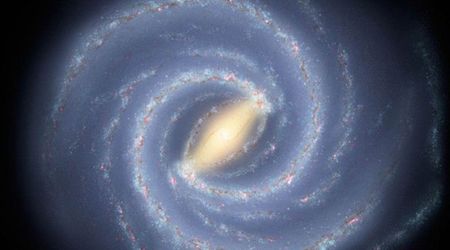
Dark matter makes up about 85% of all the matter in the universe. It works like a gravitational glue that holds the galaxies together and prevents them from flying apart. We get indirect evidence of their presence through the gravitational pull that such matter exerts on visible matter. Many theories proclaim that dark matter consists of particles that, when they collide with each other, disappear, emitting high-energy radiation such as gamma rays. Scientists try to detect such radiation. "Right now, there seems to be an excess of photons coming from an approximately spherical region surrounding the disk of the Milky Way," explains Gordan Krnjaic, a theoretical physicist at the Fermi National Accelerator Laboratory (Fermilab) in the United States and one of the study's authors, as per a report by Phys.org. These gamma-ray photons, observed by the Fermi Gamma-ray Space Telescope, may emanate from the annihilation of dark matter. An alternative explanation suggests that such gamma-ray photons may even come from a population of pulsars.

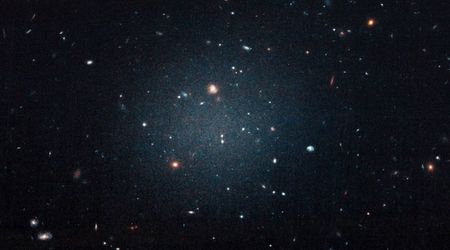
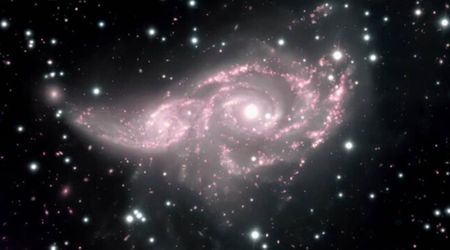
"If certain theories of dark matter are true, we should see it in every galaxy, for example, in every dwarf galaxy," explains Krnjaic. Dwarf galaxies are small and fainter than galaxies like the Milky Way. But they are thought to be rich in dark matter. Astronomically, they are less flamboyant as they have fewer stars and less ordinary radiation. Being less populated by stars, they have the right environment to search for clean signals. Since dark matter is made of particles, these particles can destroy themselves in two possible ways. In the simple pathway, the annihilation probability is constant and it is dependent on velocity. If this process generates a signal at the center of our galaxy, the same signal can be detected in dark matter-rich systems such as dwarf galaxies.
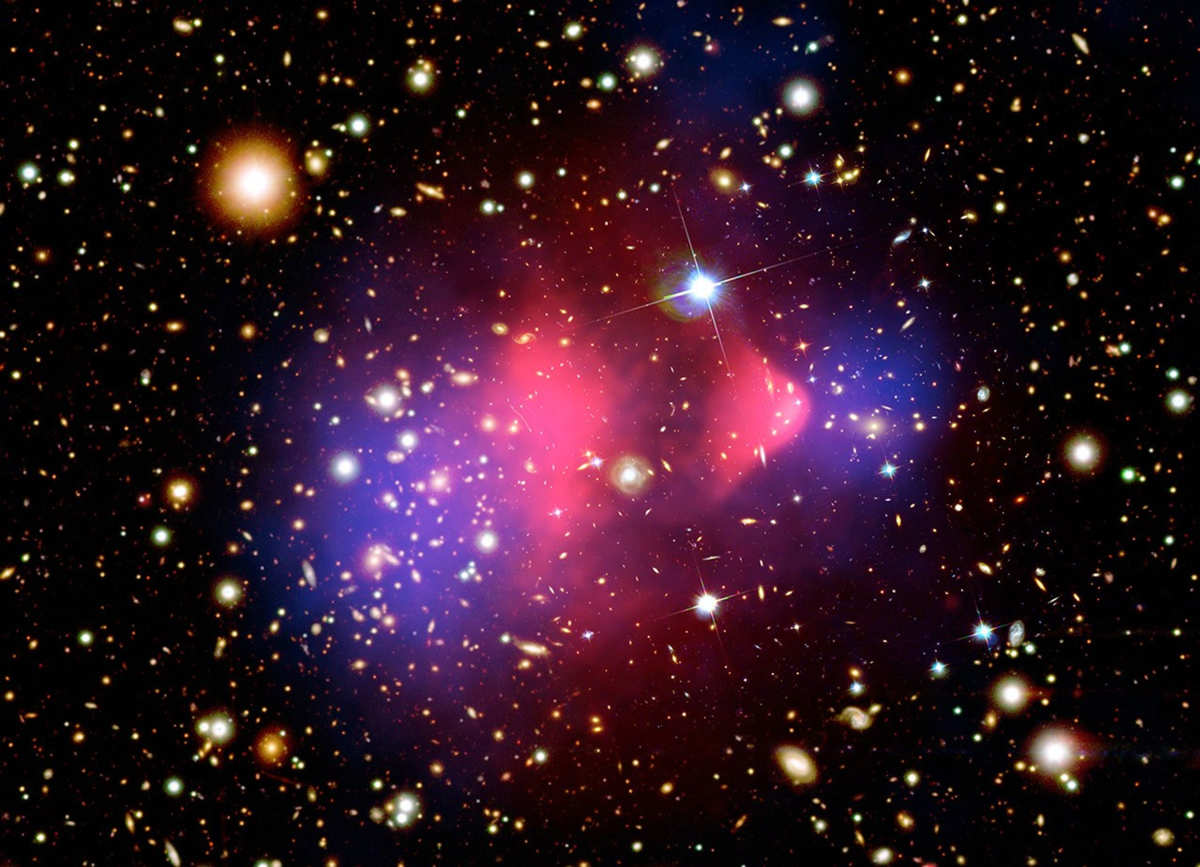
But for the second process, the velocity of the particles shapes the annihilation probability. Dark matter particles drift slowly, making their annihilation rare and therefore the signals generated by annihilation are hard to detect or literally invisible. Krnjaic and his co-researchers came up with an alternative. This could explain the absence of a signal in dwarf galaxies, but interpret the signal observed in the Milky Way as a possible effect of dark matter. "What we're trying to point out in this paper is that you could have a different kind of environmental dependence, even if the annihilation probability is constant in the center of the galaxy," explains Krnjaic. "Dark matter could straightforwardly be two different particles, and the two different particles need to find each other in order to annihilate."
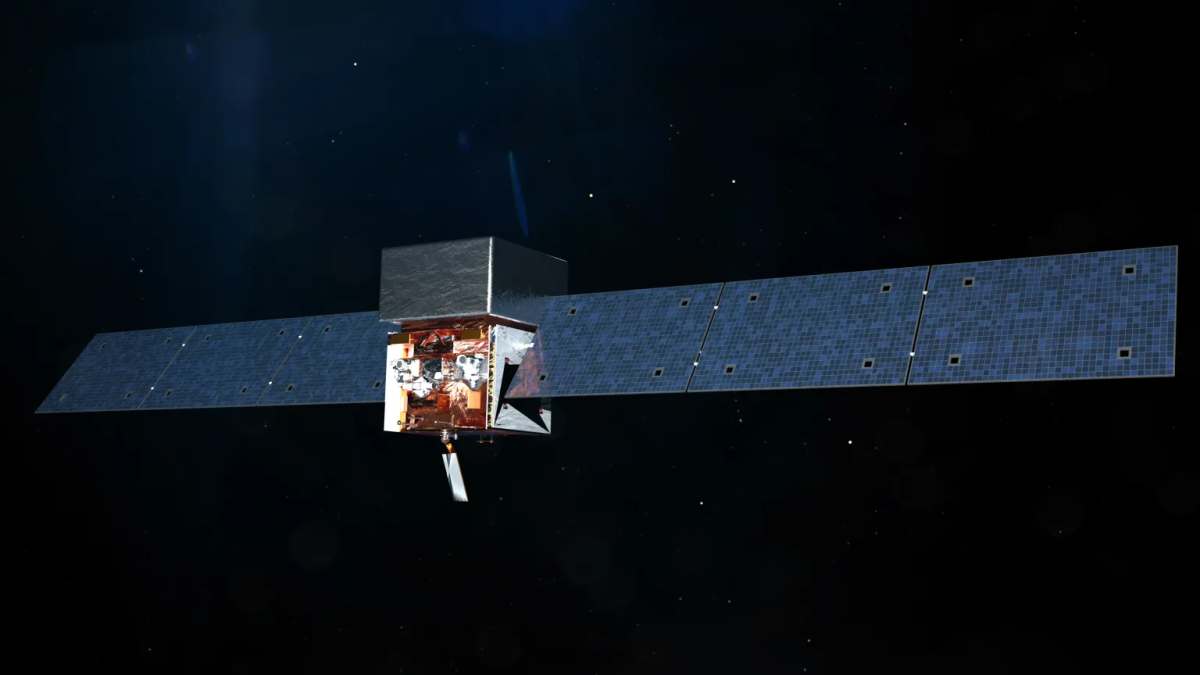
The possibility of the two components of dark matter meeting and destroying each other depends on their ratio. This ratio can vary from one galaxy to another. They can remain in a similar proportion in our galaxy, but be unbalanced in dwarf galaxies. "In this way, you get very different predictions for the emission," says Krnjaic. The model proposed by Krnjaic and colleagues is flexible. It can explain the absence of gamma-ray radiation in dwarf galaxies. This is possible without ruling out a dark matter origin for the signal observed in the Milky Way. The Fermi Gamma-ray Telescope may uncover more precise data on dwarf galaxies, allowing the researchers to test and compare the model with other observations.
More on Starlust
Dark matter powers the Milky Way’s heart instead of a black hole, new study claims