What are the Artemis Accords, now backed by 61 countries?
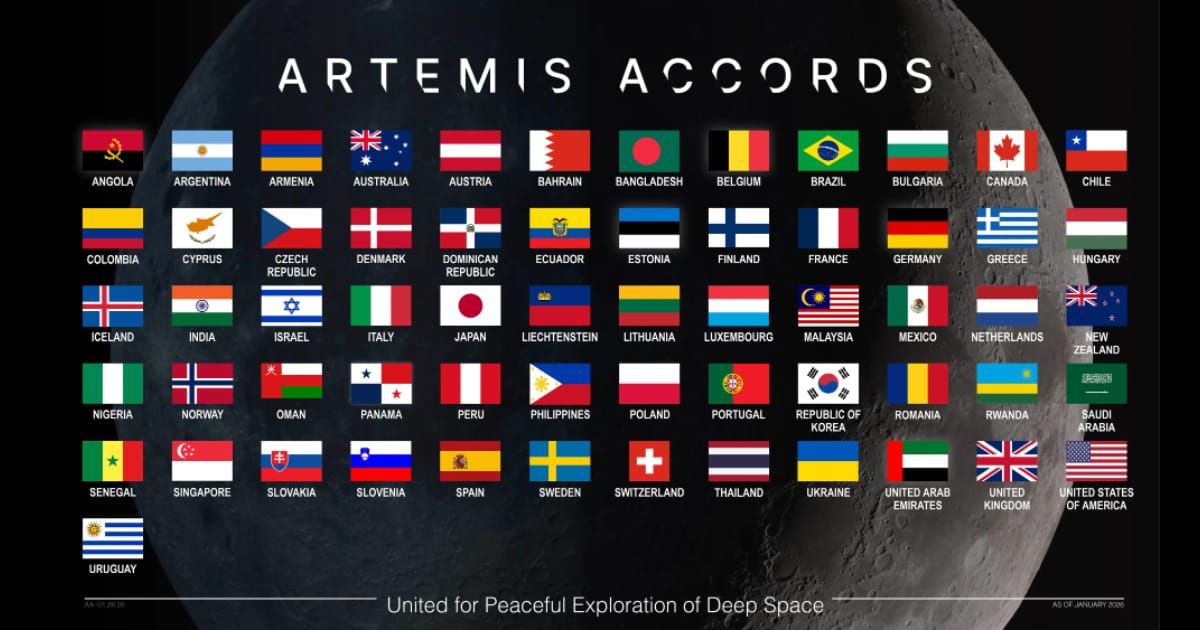
With the Artemis II mission on the horizon, Oman became the latest and the 61st country to sign the Artemis Accords on January 26, 2026, per a recent press release by NASA. The Sultanate of Oman became part of the global group when Said al-Maawali, Oman’s minister of transportation, communication, and information technology, represented the Middle Eastern country and signed the accords at the Middle East Space Conference in the nation’s capital city of Muscat. US Ambassador to Oman Ana A. Escrogima and NASA’s Casey Swails were present at the ceremony.
Welcome to the Artemis Accords, Oman! 🇴🇲
— NASA (@NASA) January 26, 2026
Oman has become the 61st nation to commit to responsible space exploration for the benefit of all humanity. Learn more about the Artemis Accords: https://t.co/j4l3ICGH8N pic.twitter.com/dTXppIg7dE
Statements were also made by NASA Administrator Jared Isaacman. “Oman’s accession to the Artemis Accords sets an important example about the value of responsible behavior and shared pursuit of discovery,” he said. Speaking of the growing global community that saw its previous addition in Portugal sign earlier this month, Isaacman said, “Oman joins the U.S. and our other partners in ensuring the peaceful exploration of space for generations to come. We are returning humans to the Moon and laying the groundwork for future missions. A community of like-minded nations will be the foundation of our success.”
What are the Artemis Accords?
The Artemis Accords, launched by NASA and the US Department of State in October 2020, outline principles for safe, transparent civil exploration and use of outer space. They are meant to reinforce treaties of yesteryear, such as the Outer Space Treaty, the Registration Convention, and the Rescue and Return Agreement, and to prevent conflicts by having nations coordinate activities in a way that they do not interfere with one another’s operations. When the Artemis Accords came into being, there were a total of 8 founding member nations who signed on October 13, 2020. These were:
Australia
Canada
Italy
Japan
Luxembourg
United Arab Emirates
United Kingdom
United States of America
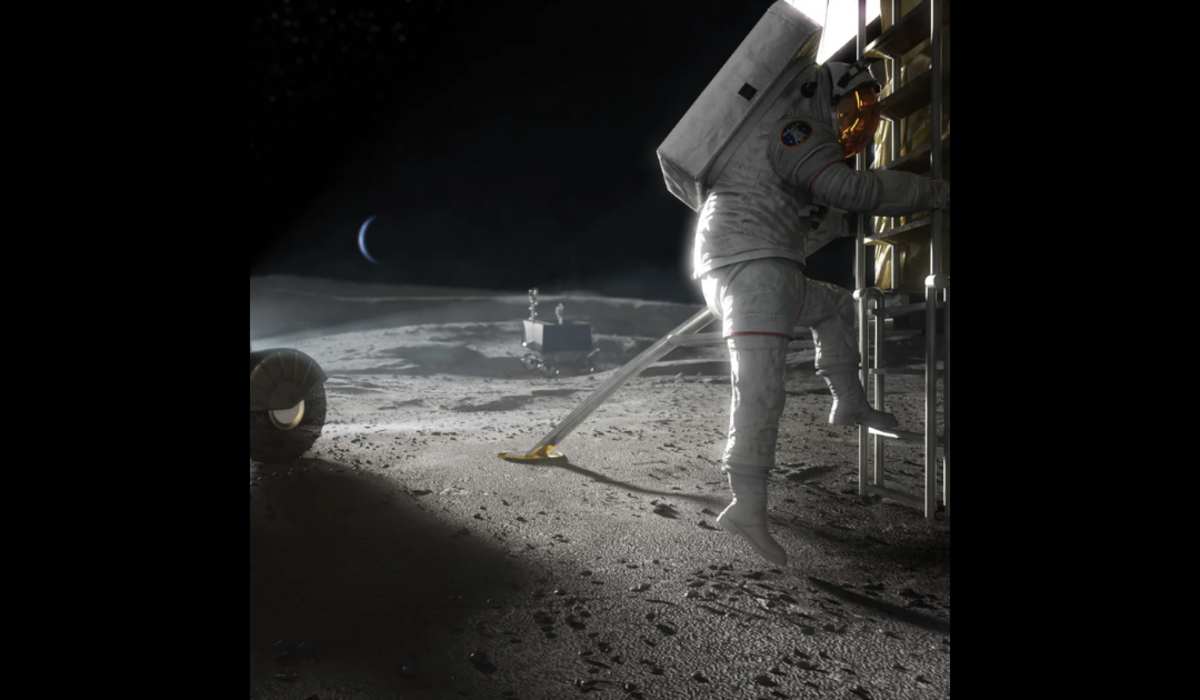
Speaking at the time was the then NASA Administrator Jim Bridenstine, “Artemis will be the broadest and most diverse international human space exploration program in history, and the Artemis Accords are the vehicle that will establish this singular global coalition.” Further adding, he said, “With today’s signing, we are uniting with our partners to explore the Moon and are establishing vital principles that will create a safe, peaceful, and prosperous future in space for all of humanity to enjoy.”
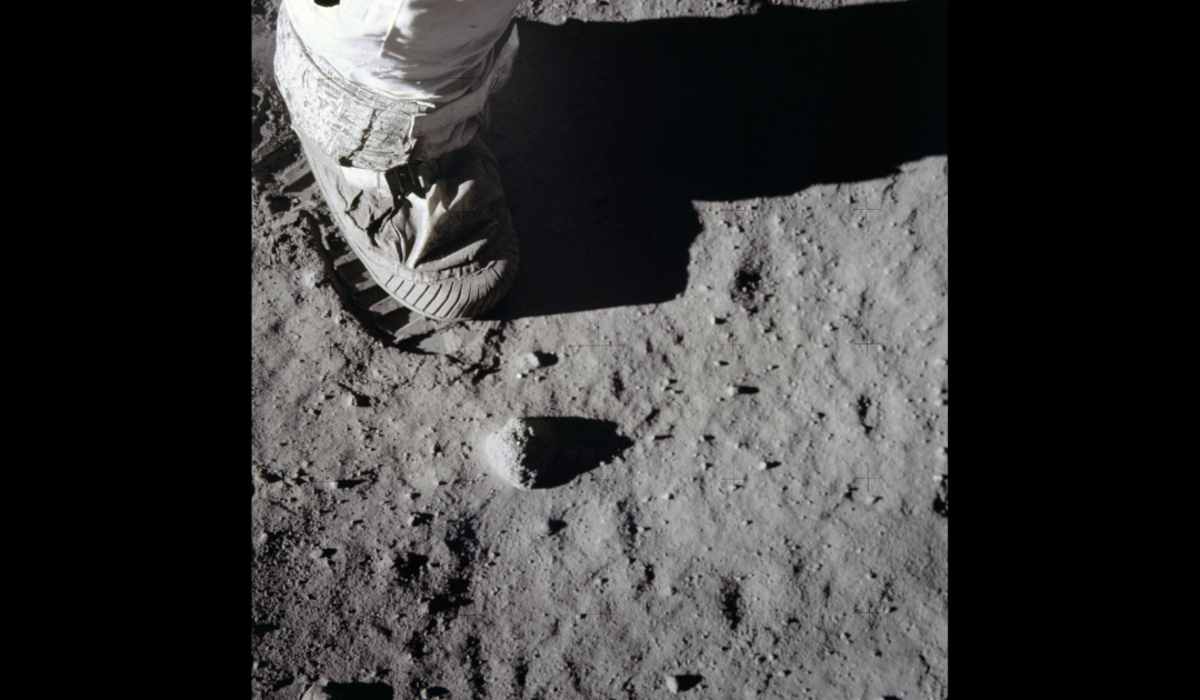
Signatories to the accords are required to provide emergency aid in rescuing astronauts in distress, preserve historic sites associated with space exploration, and mitigate orbital debris. The accords ensure that all activities under the Artemis banner are peaceful in nature, with signatories carrying out their activities in a transparent manner. Participant nations are also required to support and ensure interoperability, release scientific data, and extract/utilize space resources, as well as prevent harmful interference in accordance with the Outer Space Treaty. All signatories to the Artemis Accords must also join the Registration Convention. "Fundamentally, the Artemis Accords will help to avoid conflict in space and on Earth by strengthening mutual understanding and reducing misperceptions. Transparency, public registration, deconflicting operations – these are the principles that will preserve peace," said Mike Gold, the then acting associate administrator for international and interagency relations. “The Artemis journey is to the Moon, but the destination of the Accords is a peaceful and prosperous future.”
More on Starlust
Artemis II astronauts enter quarantine as launch period inches closer