U.S. Space Force presses pause on all Vulcan Centaur launches due to booster anomaly
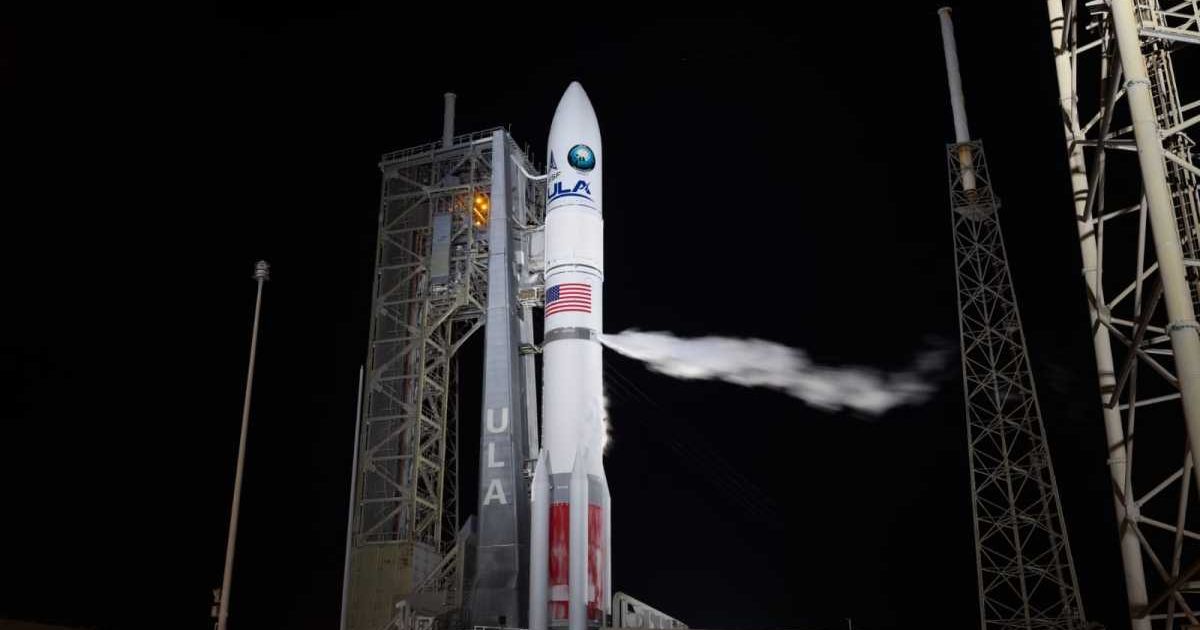
A glitch in the booster function on United Launch Alliance's (ULA) Vulcan Centaur rockets has halted the launches of national security payloads. The U.S. Space Force, known to protect American and allied interests in space, has made this decision. Besides SpaceX, ULA continues to be a launch provider for the National Security Space Launch (NSSL). It was scheduled to carry out a number of NSSL missions this year. That included the launch of GPS III SV-10, the final GPS III satellite that was planned for the end of March.
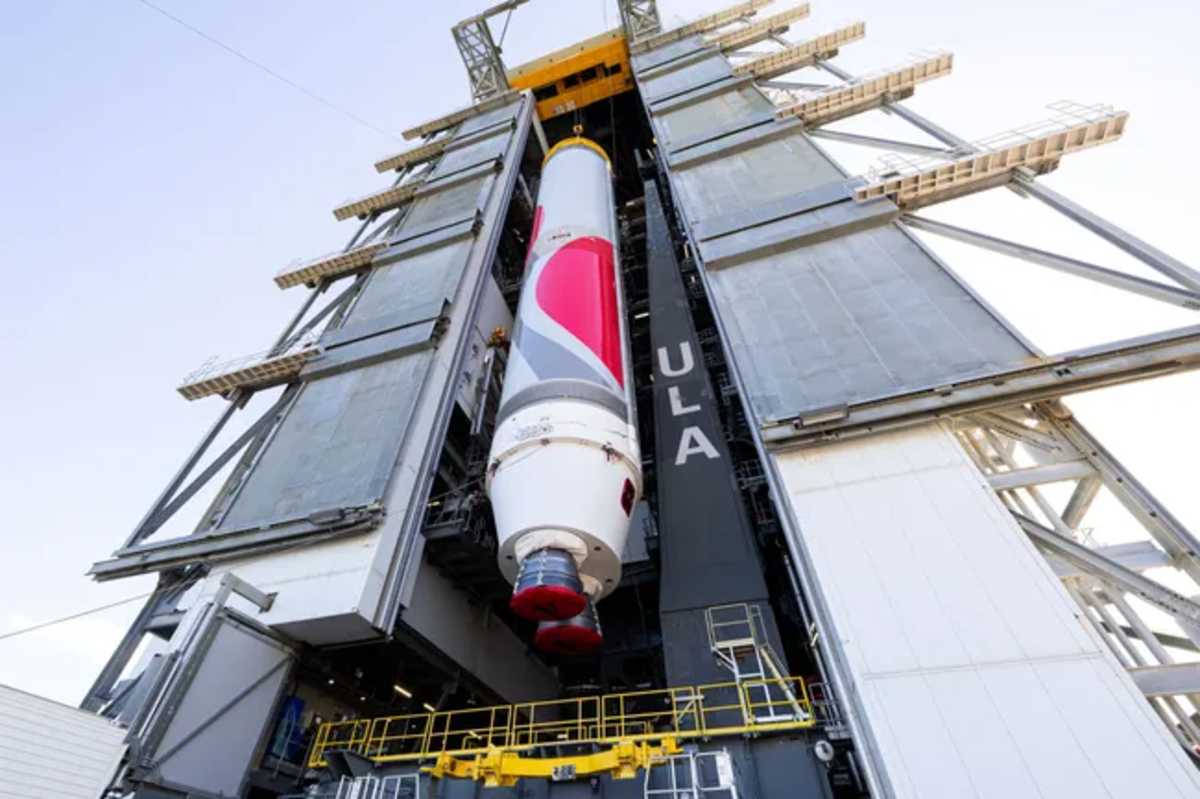
The new Vulcan Centaur rocket made its debut in 2024 and has accomplished four launches since then. But Vulcan encountered anomalies in two of these missions. The anomaly occurred in one of its solid rocket boosters during flight. The rocket’s core-stage engines, however, helped compensate for the issue on both occasions, ending the missions successfully. Still, Space Force officials could not help but be alarmed, hence chose to put all Vulcan missions on hold until ULA can identify the root cause of the issue and take steps to address it. "This is going to be a many-months process as we work through the exact technical issue that happened and the corrective actions we need to make sure, we need to take, to make sure this doesn’t happen again," Space Force Col. Eric Zarybnisky said during a media round robin during the Air Force Association’s Warfare Symposium on February 25, as per a report by Breaking Defense.
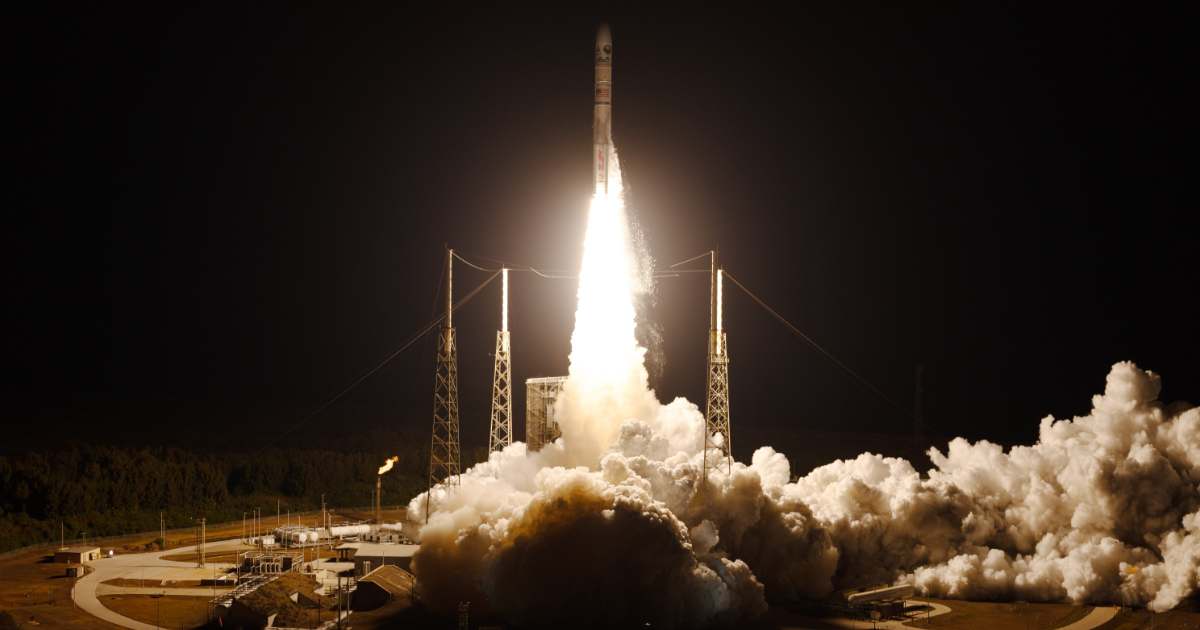
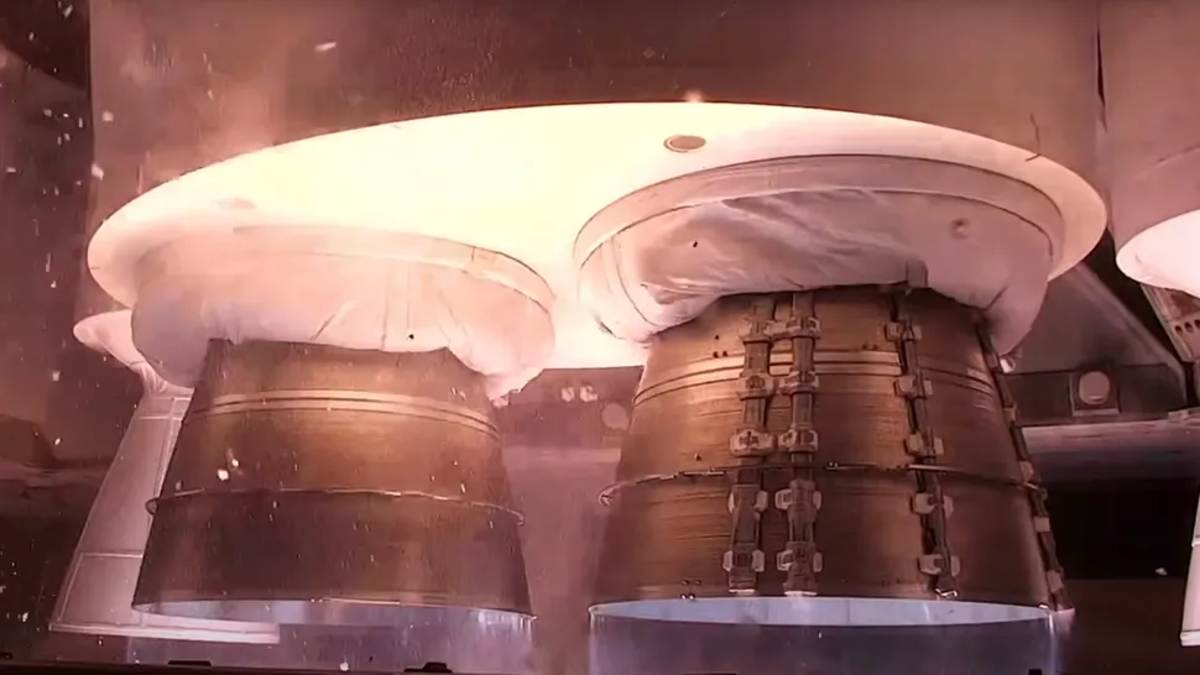
On February 12, Vulcan launched two reconnaissance satellites as part of the USSF-87 mission for the United States' Geosynchronous Space Situational Awareness Program (GSSAP). About 20 seconds after blast-off, one of Vulcan’s four solid rocket boosters faced an anomaly, but Vulcan’s two BE-4 first-stage engines came to the rescue. The other mishap occurred in October 2024 during the national security payload certification launch. One of the solid rocket boosters' nozzles fell off, causing the vehicle to deviate from its course for a while. It happened due to a manufacturing defect, but what triggered the latest fault is still unclear.
“We are going to work through this anomaly until we launch again on Vulcan,” Zarybnisky told reporters on February 25, according to the report. "Until this anomaly is solved, we will not be launching Vulcan missions." The glitches and the consequent hold-up weigh heavily on ULA, which has already been through a turbulent time. Its longtime CEO, Tony Bruno, left the company at the end of 2025 and joined rival Blue Origin, which also manufactures Vulcan’s BE-4 engines.
More on Starlust
NASA’s 2025 Aerospace Safety Advisory Panel report reveals critical 'risks' for Artemis III mission
Artemis II: NASA identifies cause of helium issue, continues repairs inside VAB
SpaceX’s Dragon spacecraft assigned to NASA’s CRS-33 arrives home