‘Things have to go right’: As Artemis II crew heads for re-entry, NASA can leave no room for error
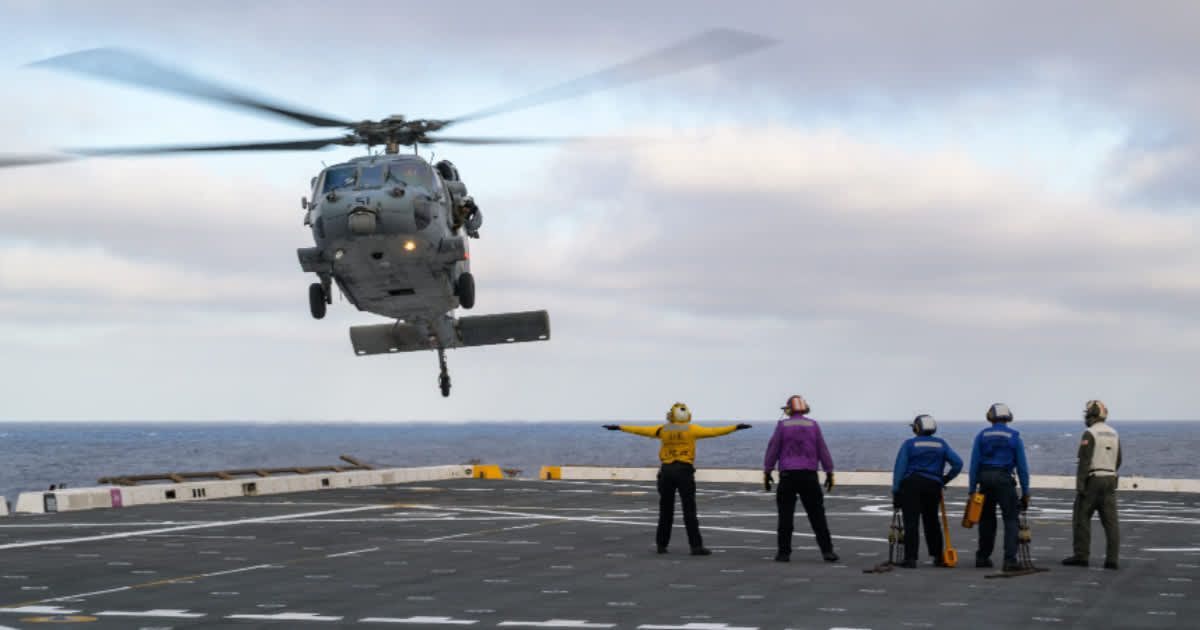
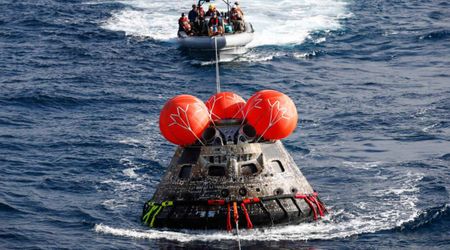
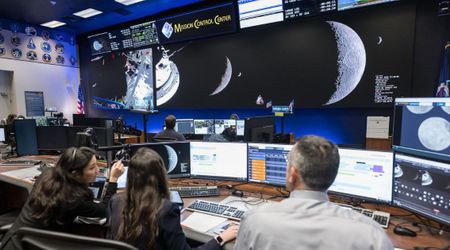
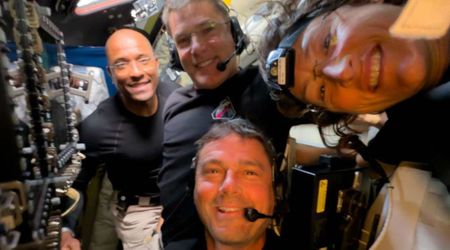
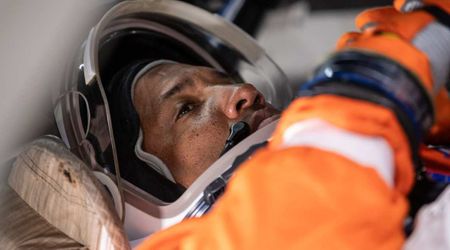
The Artemis II crew is currently headed for what is perhaps the riskiest part of their mission—re-entry. And NASA just issued a reminder of what is at stake. At the final status briefing at Johnson Space Center in Houston on Thursday, April 9, 2026, Artemis II Lead Flight Director Jeff Radigan emphasized this: “I have a whole checklist in my head the things that have to happen… Things have to go right." The astronauts are currently making preparations for their re-entry procedures by stowing away hardware and equipment and reinstalling their seats, while mission controllers have overseen a couple of trajectory correction burns performed to put the spacecraft on the ideal path in time for their fiery return. The crew is supposed to splash down at 8:07 pm EST off the coast of San Diego, California, where recovery teams, along with the USS Murtha, will be on standby.
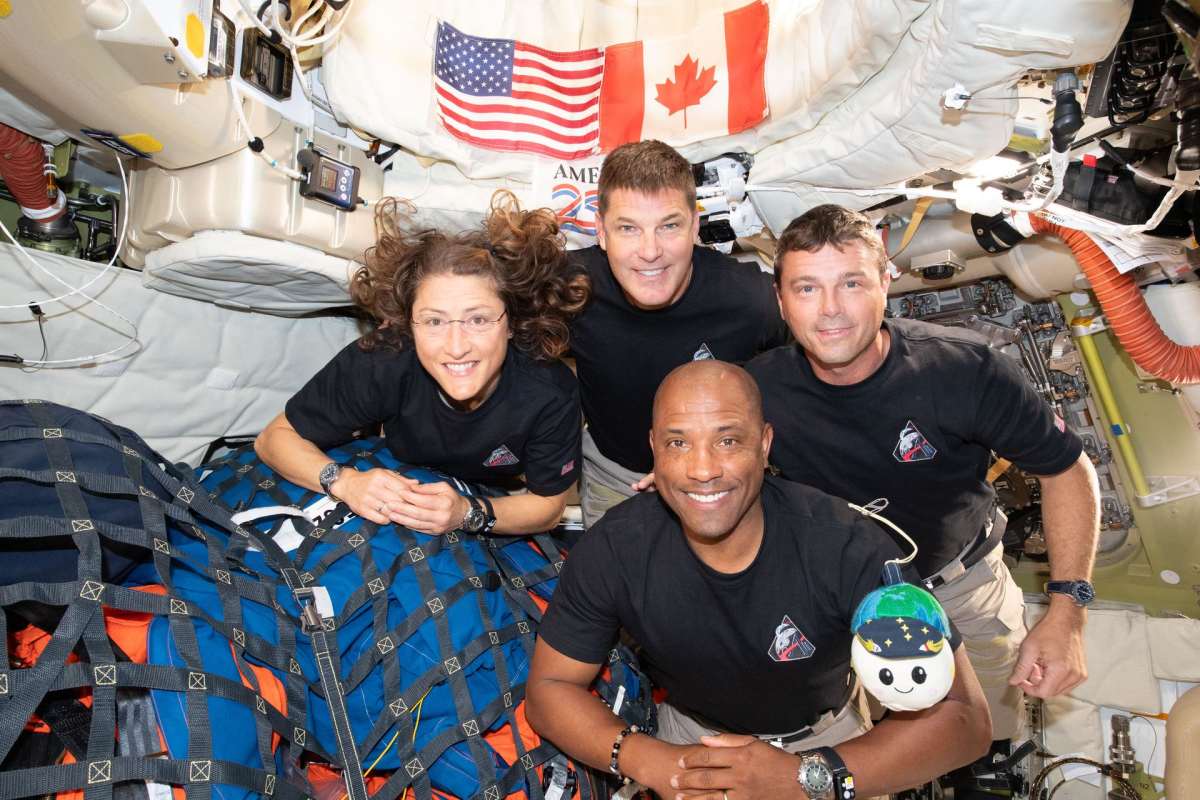
“Tomorrow, the Orion spacecraft will enter Earth’s atmosphere at approximately 25,000 miles per hour," said Amit Kshatriya, NASA associate administrator, referring to the re-entry expected 13 minutes prior to splashdown. “That heat shield thermal protection system, which is built by American hands and American factories for materials designed to withstand temperatures that approach the surface of the Sun, will bear the full force of that re-entry." Kshatriya also remarked that while Artemis II so far has been very successful, thanks, in no small part, to the historic lunar flyby that produced significant amounts of science data and picturesque views, it all comes down to the final minutes of the mission. "The crew has done their part. Now we have to do ours," he said, referring to tasks at hand for NASA teams on the ground.
New perspectives of our home planet.
— NASA (@NASA) April 9, 2026
As Artemis II flew around the Moon on April 6, the crew captured these images of a crescent Earth from hundreds of thousands of miles away. See the latest photos and videos: https://t.co/rzM1P0QbOl pic.twitter.com/hzxVf8Z7Rh
On being asked about how critical the final 13 minutes of Artemis II, from Orion hitting the entry interface to splashdown, will be, Radigan responded by listing a sequence of events that span a much longer period. “The forward bay cover has to come off, the drogues have to come out, the main chutes have to deploy, the reefing systems have to cut, and we have to get the touchdown angle alignment correct and then hit the water correctly," said the lead. He further added, "Even prior to that right, we've got the CM-SM separation between the [European] Service Module and the crew module. That has to go right. And then you have the heat shield that has to work. So, it's not so much 13 minutes. It's more in my head about an hour and a half of things that have to go right."
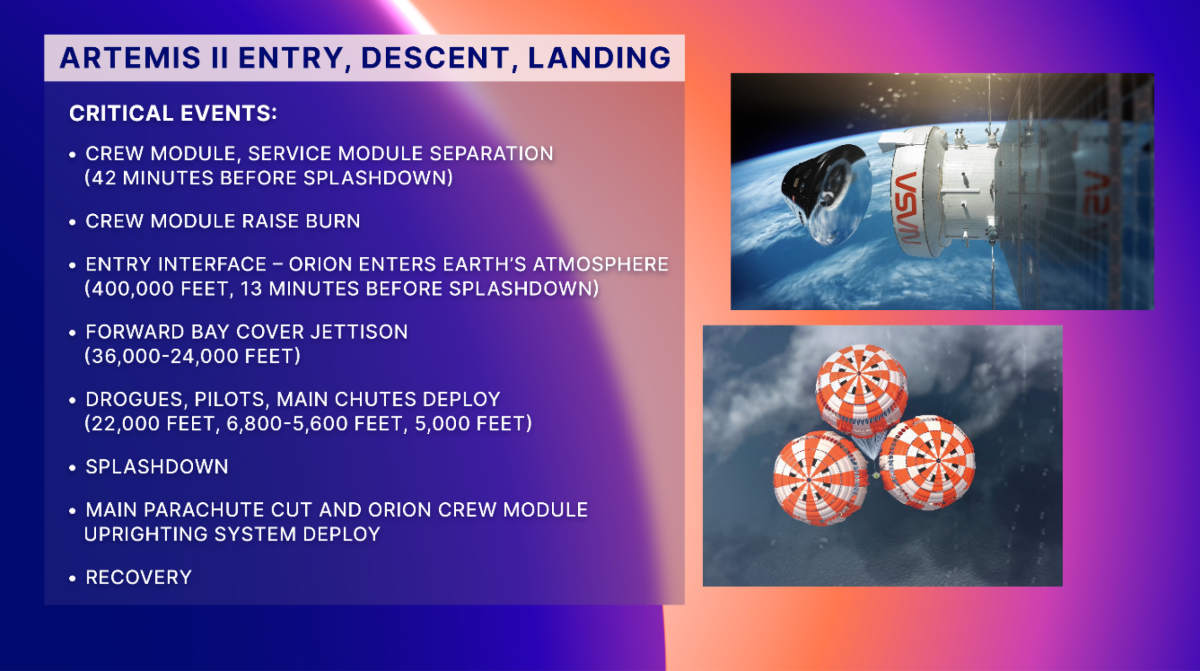
The issue with the propulsion system of the European Service Module of the Orion spacecraft was also discussed at length during the briefing. The agency assured that proper attention has been paid to it, albeit at the cost of moving certain scheduled activities out of the way for a characterization test. Upon being asked if this could potentially spell trouble for the remaining flight and re-entry, Radigan said, "We don't see any impact to entry at this time, and, of course, we will, you know, jettison the Service Module, and, of course, the crew module jets that we'll use actually on re-entry are unaffected at this time."
They're halfway home.
— NASA (@NASA) April 10, 2026
The Artemis II astronauts have hit the "halfway" mark between the Moon and the Earth. They will splash down in the Pacific Ocean around 8:07 pm ET on Friday, April 10 (0007 UTC on Saturday, April 11), off the coast of San Diego. pic.twitter.com/CQmOuDTVGh
As for the precision required for a safe re-entry, the margin for hitting the correct flight path angle is less than one degree. "Obviously, we've got a little bit of wiggle room," noted Radigan. "We don't plan to use that. Our guidance is working very well right now. All of our trajectory calculations are showing that the vehicle is on almost the best path it could be. But let's not beat around the bust. We have to hit that angle correctly. Otherwise, we're not going to have a successful re-entry."
More on Starlust
As Artemis II heads back home, here's a look at the highlights of the historic lunar flyby
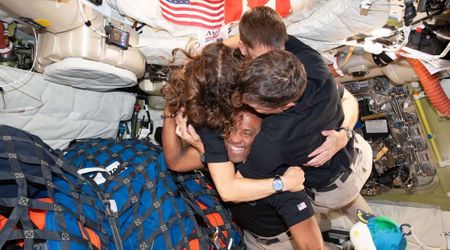
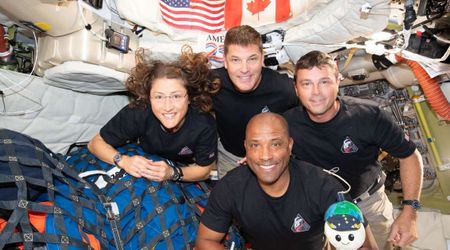
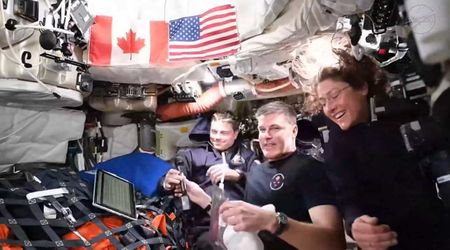
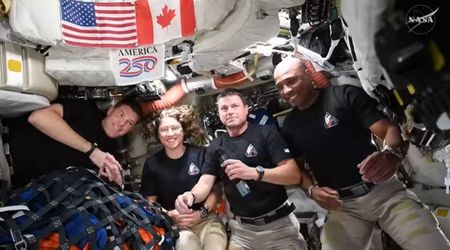
Artemis II crew just had a long-distance call with ISS astronauts: Here's what they discussed