SpaceX Dragon spacecraft to depart ISS on February 26 with research samples and hardware
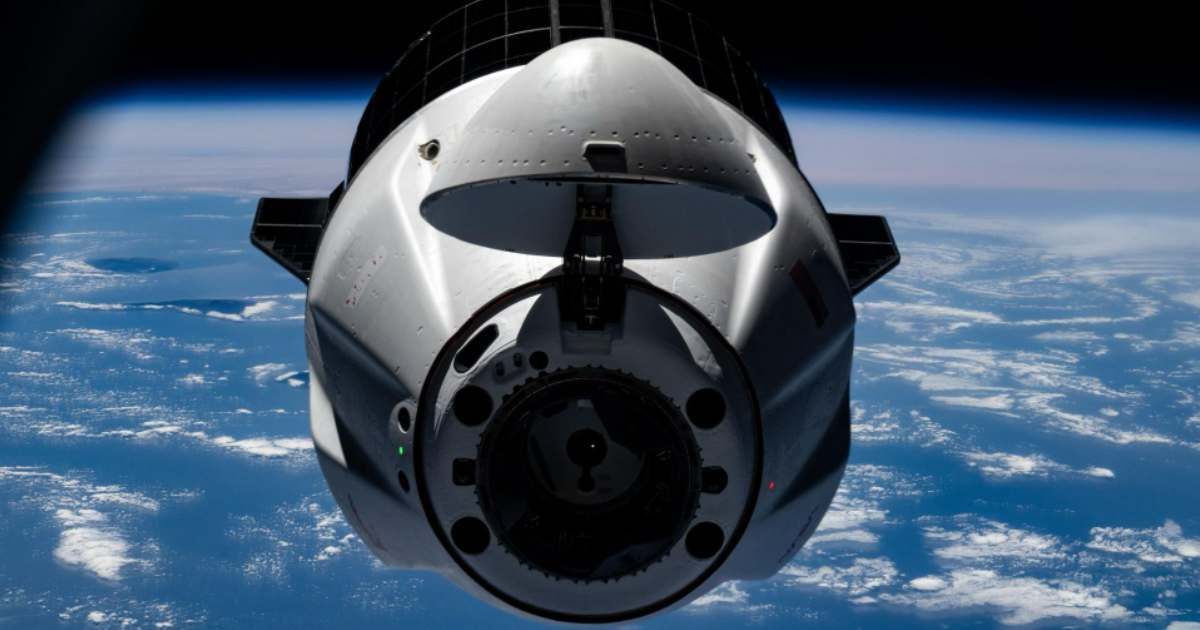
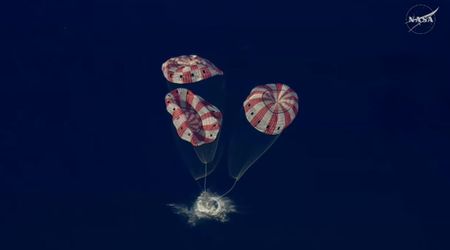
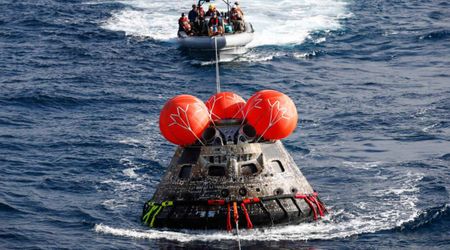
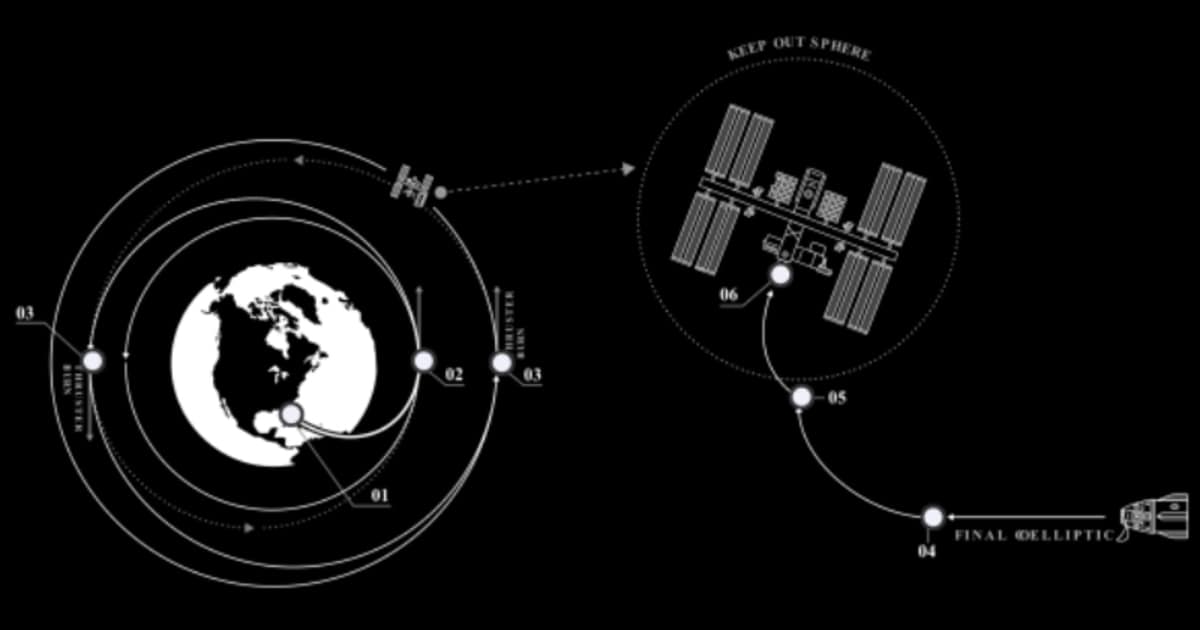
A SpaceX Dragon capsule will undock from the International Space Station at 12:05 pm EST on Thursday, February 26, 2025, NASA confirmed. Upon separation from ISS's Harmony module's forward-facing port, the capsule carrying scientific research samples and hardware will navigate itself away from the orbiting lab. Later, at 11:44 pm PST on the same day (2:44 am EST, February 27), it will splash down off the coast of California, bringing an end to CRS-33, or the 33rd flight of the Commercial Resupply Services mission.
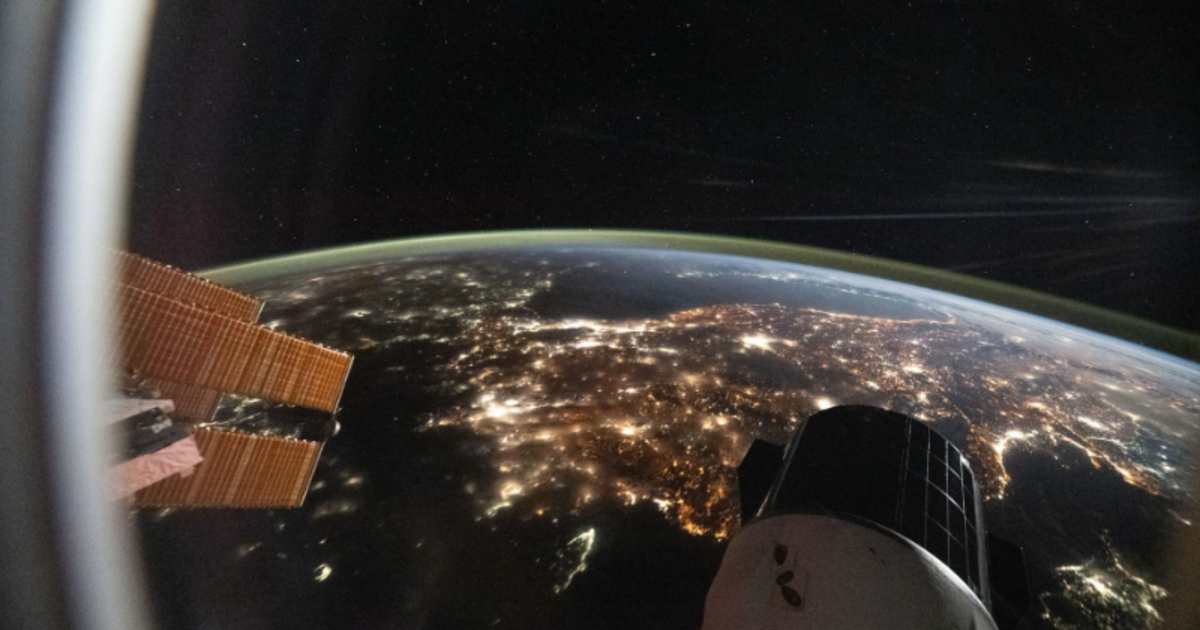
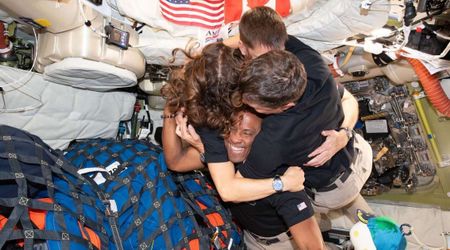
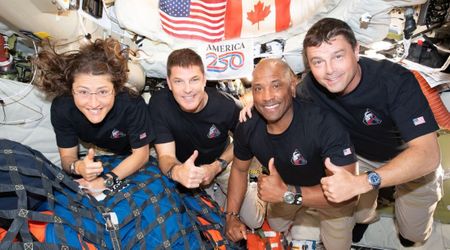
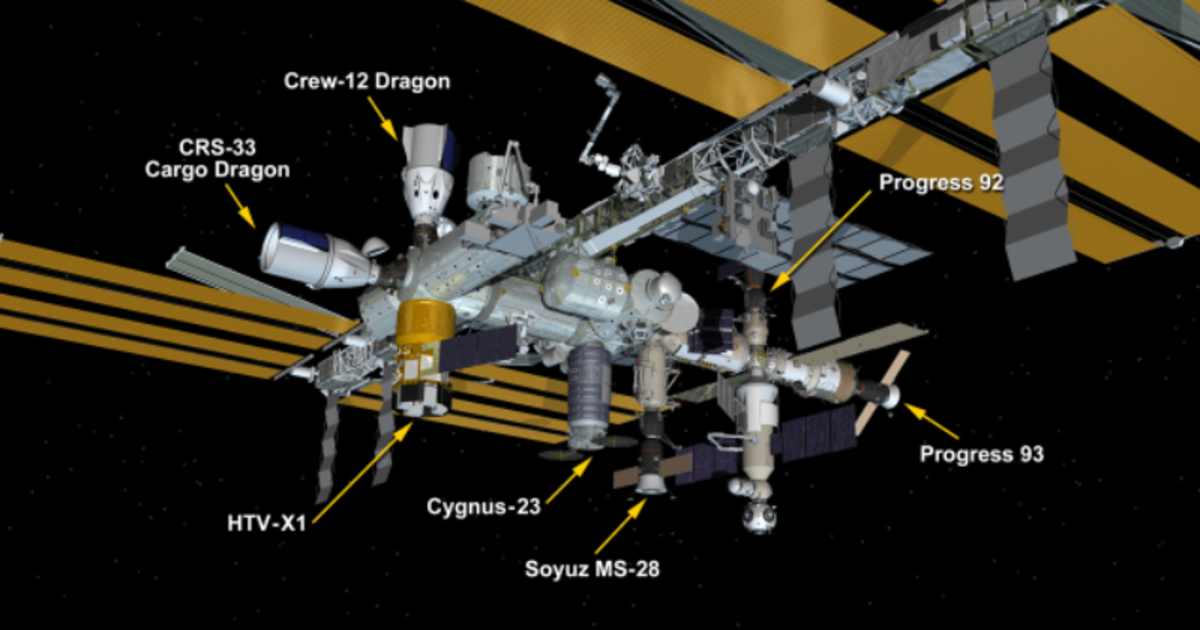
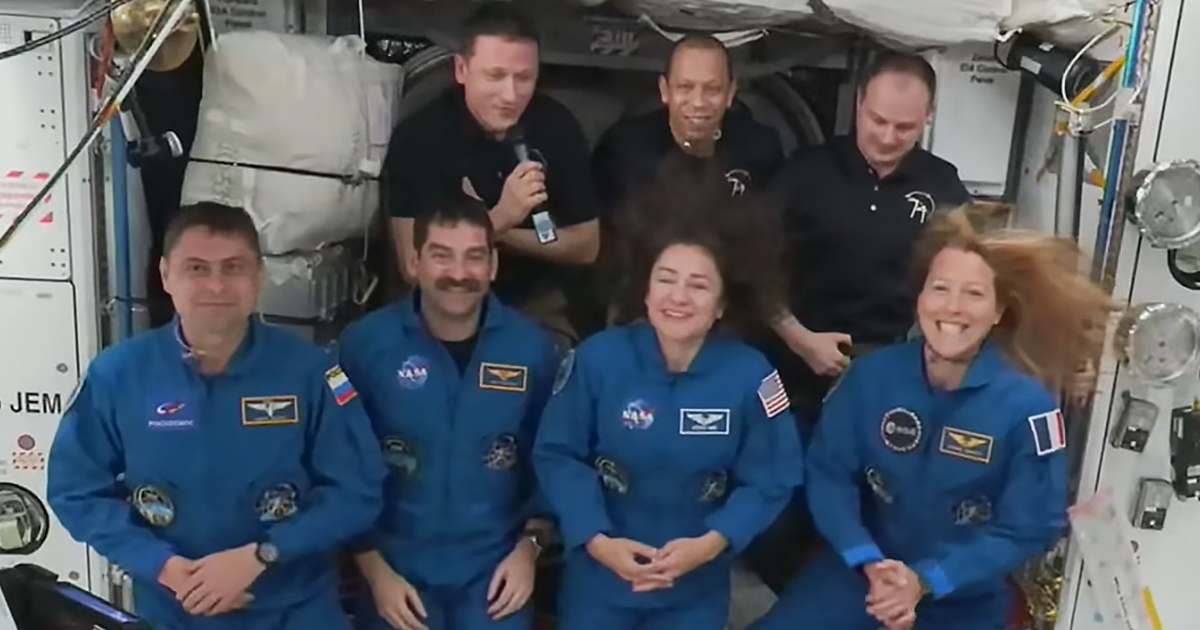
The CRS-33 Dragon spacecraft is one of the seven spaceships parked at the International Space Station. Over the weekend, NASA’s Jessica Meir and Jack Hathaway, as well as ESA’s Sophie Adenot of the recently arrived Crew-12 mission helped with the cargo loading. According to NASA, they were joined by their Expedition 74 crewmate Chris Williams too, who has been showing them the ropes of living and working aboard the ISS.
CRS-33’s Dragon, besides bringing to Earth samples that could aid future space exploration and life on Earth, also boosted the orbit of ISS. As a part of trying a new method of countering the atmospheric drag on the station, Dragon has raised the orbital height of ISS six times since it arrived in August 2025. The last of these maneuvers was in January of this year.
Among the research samples being returned aboard the Dragon spacecraft, mention must be made of frozen samples from the Stellar Stem Cells Mission 2 experiment. By aiding the study of how the brain and stem cell growth are affected by microgravity, the experiment could prove to be a blessing for those suffering from ALS and Parkinson's disease. Besides this, other projects include SpaceDuino, which makes use of low-cost, off-the-shelf electronic components and software for research in space.
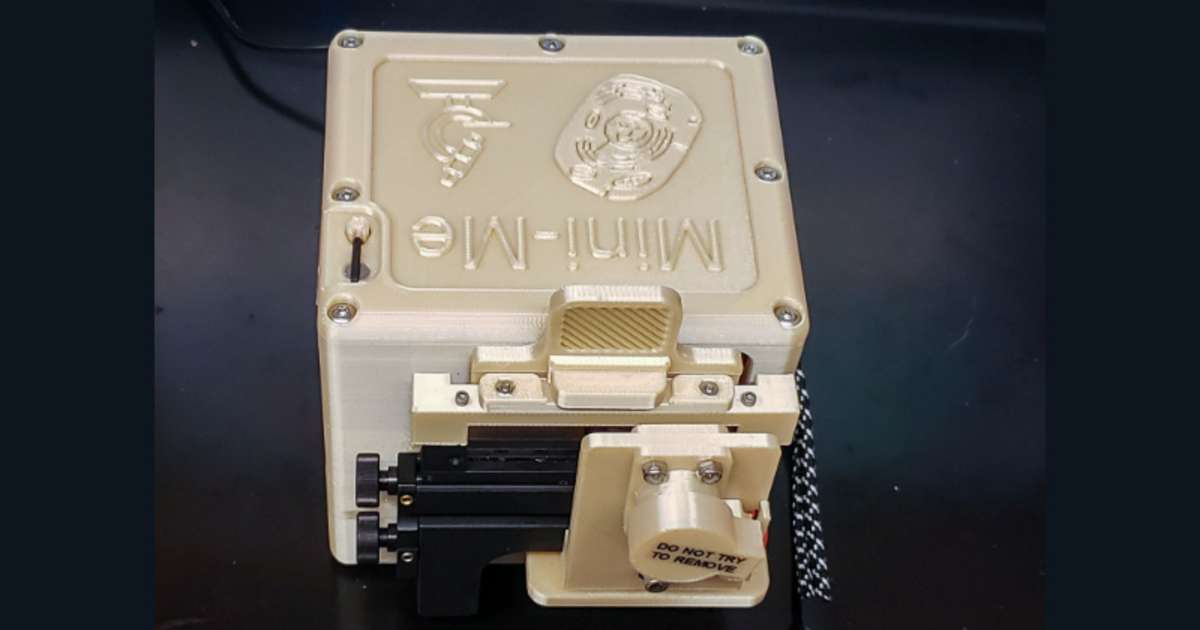
A key area of research aboard the ISS has also been the Moon Microscope, which features a handheld microscope for blood sampling. It is a diagnostic kit meant for use by astronauts in the harsh environments of space. Even on the surface of the Moon or Mars, it will help astronauts diagnose illnesses. Treatments by surgeons on Earth will then be conveyed to crew members, possibly of future Artemis missions. The handheld device is also said to allow inspection of consumables or other collected samples.
More experiments are also part of the returning cargo, which have their origins in commercial and international collaboration. One of which is the Liquid Crystals experiment from Thailand, while another is called Euro Material Ageing. Both are designed to test the longevity of materials in space, which will have useful applications for equipment in future long-term explorations by humans.
On Thursday, Feb. 26, an uncrewed SpaceX Dragon spacecraft will depart from the @Space_Station, carrying frozen samples and other scientific experiments back to Earth. Get the details and learn how to watch: https://t.co/8fuZTXZRdD pic.twitter.com/TTStM43z5f
— NASA (@NASA) February 23, 2026
For those interested, NASA will stream the undocking of CRS-33’s Dragon capsule on their NASA+, Amazon Prime, and its YouTube channel. The stream is set to begin at 11:45 am EST on Thursday.
More on Starlust
NASA's Artemis II and Crew-12 astronauts will be first to carry latest smartphones to space
NASA astronaut photographs Artemis II SLS rocket from International Space Station