Revisiting humanity's last crewed Moon mission ahead of Artemis II launch
The final Apollo mission closed a historic chapter while quietly sparking the fire for today’s return to the Moon.
PUBLISHED 7 HOURS AGO
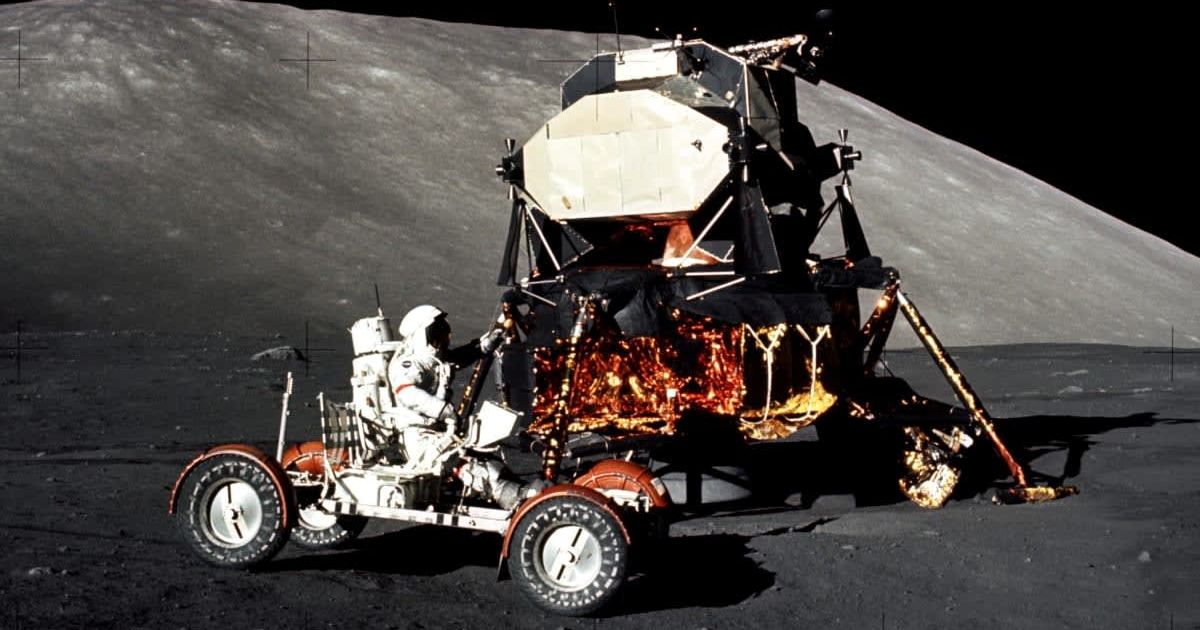
Gene Cernan in the Lunar Roving Vehicle (Representative Cover Image Source: NASA | Harrison Schmitt)

With NASA closer than ever to the Artemis II launch, the world again focuses on December 1972, when humans last walked on the Moon. Apollo 17, the curtain-closer of the original Moon program, closed one era and quietly set the stage for humanity’s eventual return to the Moon, according to NASA

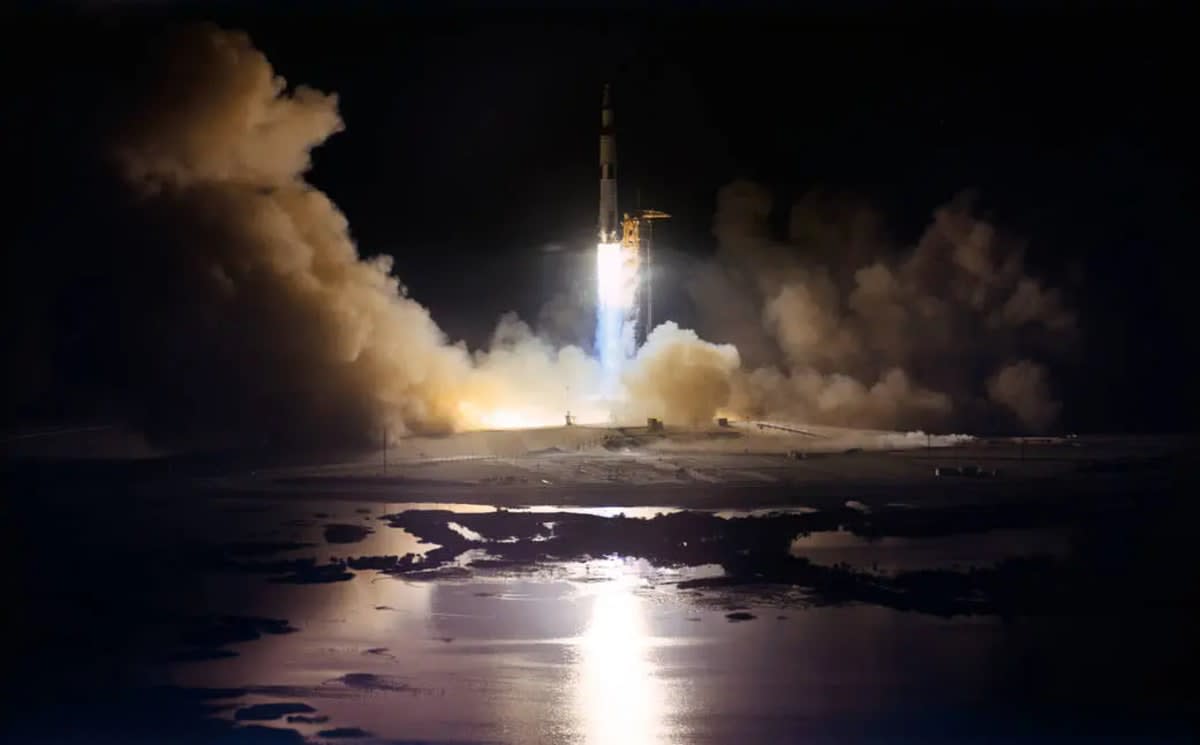
The huge, 363-feet tall Apollo 17 (Spacecraft 114/Lunar Module 12/Saturn 512) space vehicle is launched from Pad A, Launch Complex 39, Kennedy Space Center (KSC), Florida, at 12:33 a.m. (EST), Dec. 7, 1972 (Image Source: NASA)

Apollo 17 was more than a farewell; it was a sophisticated scientific mission. Led by Commander Eugene Cernan, the crew included Harrison Schmitt - the first professional geologist to set foot on the Moon-and Command Module Pilot Ronald Evans. The team landed in Taurus-Littrow Valley, a carefully selected site believed to hold a mix of ancient lunar crust and younger volcanic rocks. This mission belonged to the “J-series,” a group of advanced flights that employed more capable hardware and the famed battery-powered Lunar Roving Vehicle (LRV) to cover unprecedented ground, according to NASA

The whole mission was a marathon of endurance and precision, lasting more than 12 days, 13 hours and 52 minutes in space. In that time, the crew completed 75 orbits around the Moon, per NASA. The mission included a record 75-hour surface stay, allowing the astronauts more than three days to explore. Its lunar orbit track kept an altitude of 105.86 miles with a very precise 28.5-degree inclination.

Representative image of Astronaut Edwin E. Aldrin Jr., Lunar Module Pilot, stands near a scientific experiment on the lunar surface. Man's first landing on the Moon occurred on July 20, 1969 (Image source: Getty | Photo credits: NASA)
Representative image of Astronaut Edwin E. Aldrin Jr., Lunar Module Pilot, stands near a scientific experiment on the lunar surface. Man's first landing on the Moon occurred on July 20, 1969 (Representative Image source: Getty | Photo credits: NASA)

Cernan and Schmitt spent their time on the surface carrying out a broad range of experiments that looked at the Moon's interior and atmosphere. They deployed the ALSEP, a suite of instruments that was designed to measure moonquakes, heat flow from the core, and the effects of tiny meteorite impacts. It also carried biological experiments to study how cosmic radiation influences living organisms-a fact that remains relevant today, with NASA eyeing longer Artemis stays. When the Command Module splashed down on December 19, 1972, it closed a chapter of exploration that had lain undisturbed for over fifty years. Now, with Artemis II getting ready to take a new generation of astronauts to the Moon, the experiences of that 75-hour surface stay on Apollo 17 are more useful than ever.
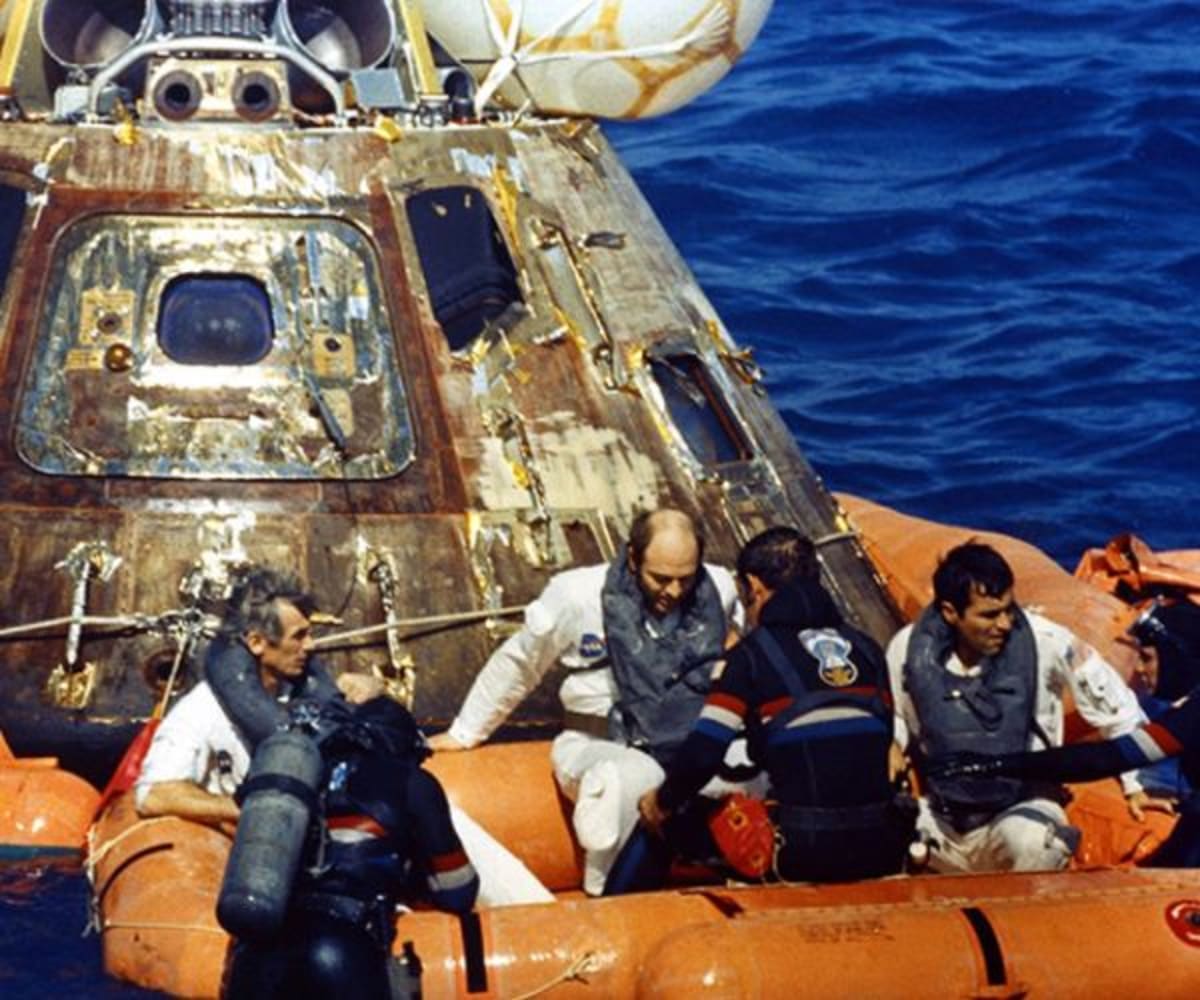
The Apollo 17 Command Module spacecraft splashes down in the Pacific in 1972.(Image Source: NASA)
The Apollo 17 Command Module spacecraft splashes down in the Pacific in 1972. (Image Source: NASA)

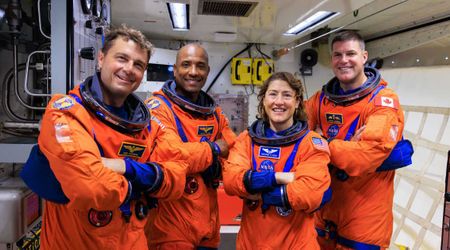
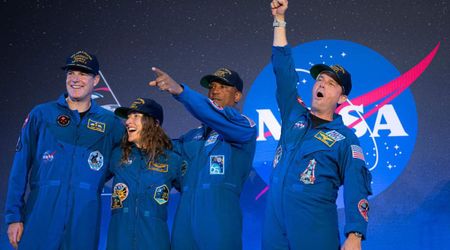
NASA is currently getting ready for Artemis II, a 10-day mission that will launch four astronauts from Florida's Kennedy Space Center, continuing the legacy of Apollo 17. Being the first time a crew has flown aboard the potent Space Launch System (SLS) rocket and the Orion spacecraft, this flight represents a significant milestone. The crew will travel thousands of miles past the Moon and into deep space, but there won't be a lunar landing on this mission.

NASA’s Artemis I Space Launch System (SLS) rocket, with the Orion capsule attached, launches at NASA's Kennedy Space Center on November 16, 2022 in Cape Canaveral, Florida. (Photo by Kevin Dietsch/Getty Images)

For NASA, this trip serves as a crucial "test drive" that enables engineers to observe how life-support, navigation, and communication systems manage the severe radiation and harsh conditions of the deep-space environment. The subsequent missions depend on Artemis II's success. NASA paves the way for a lunar landing later this decade and, eventually, the first human footprints on Mars by demonstrating that the Orion spacecraft can keep people safe far from Earth.

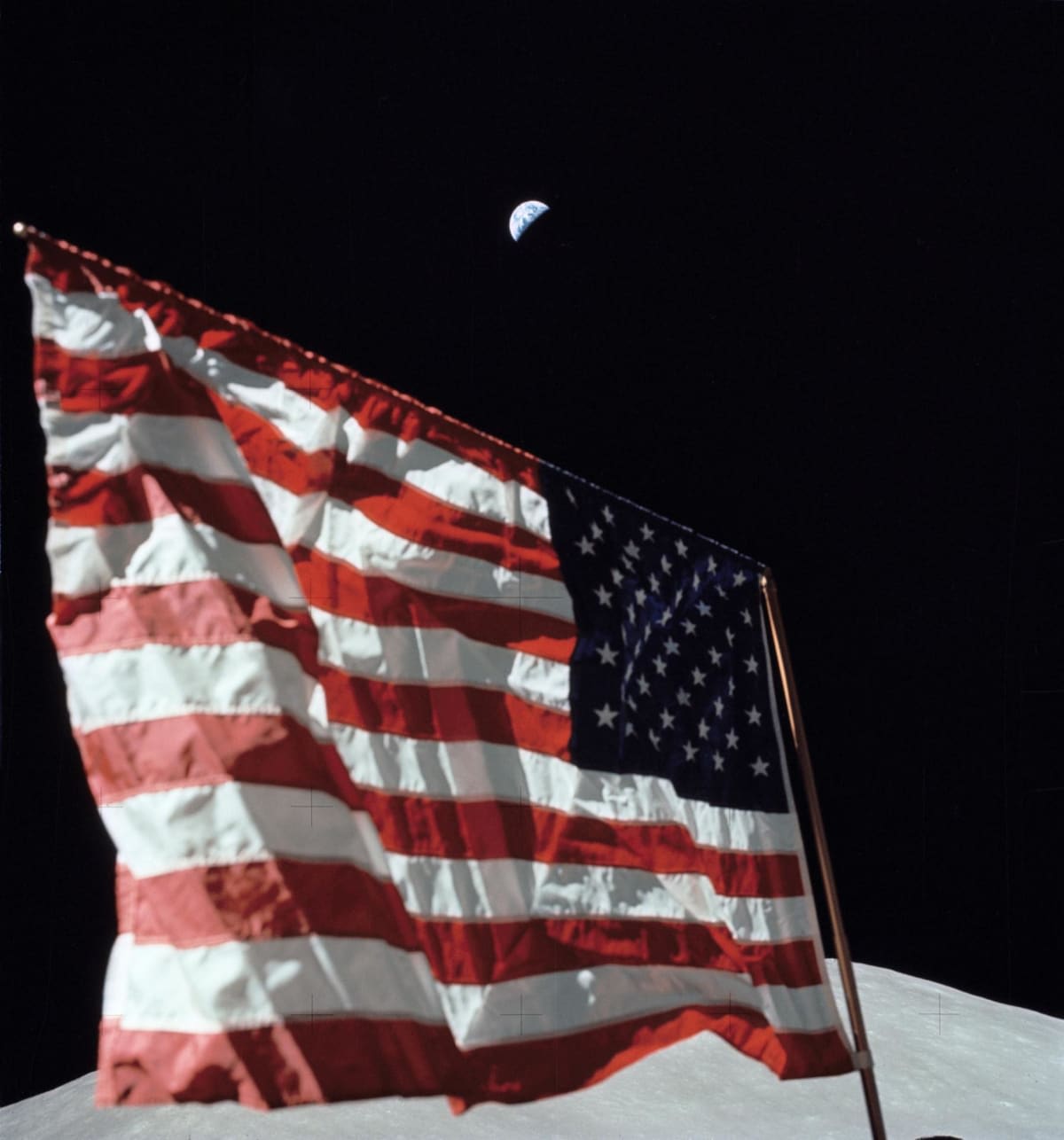
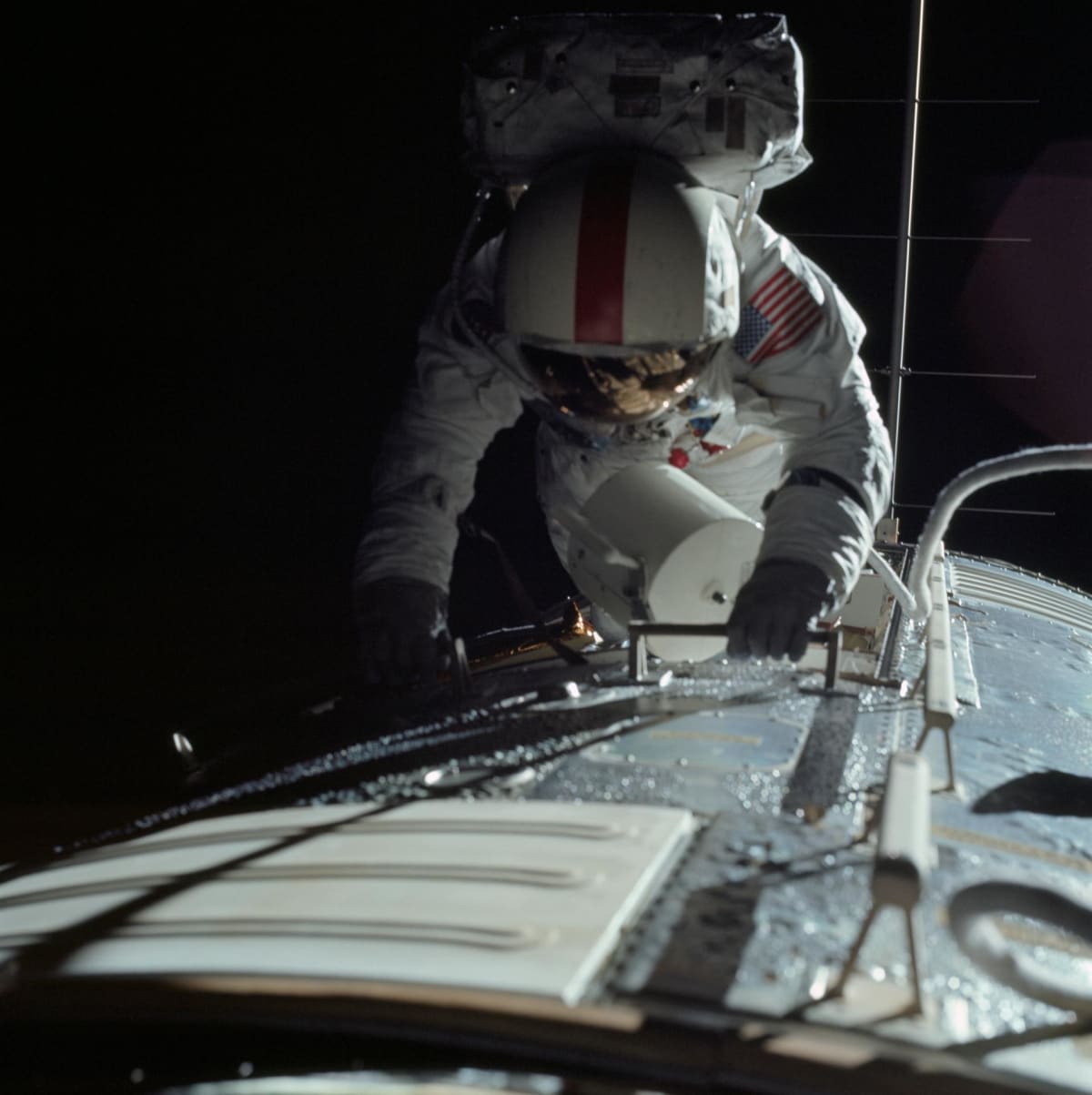
Visual record of humanity’s Moon landing mission in 1972 (Apollo 17)
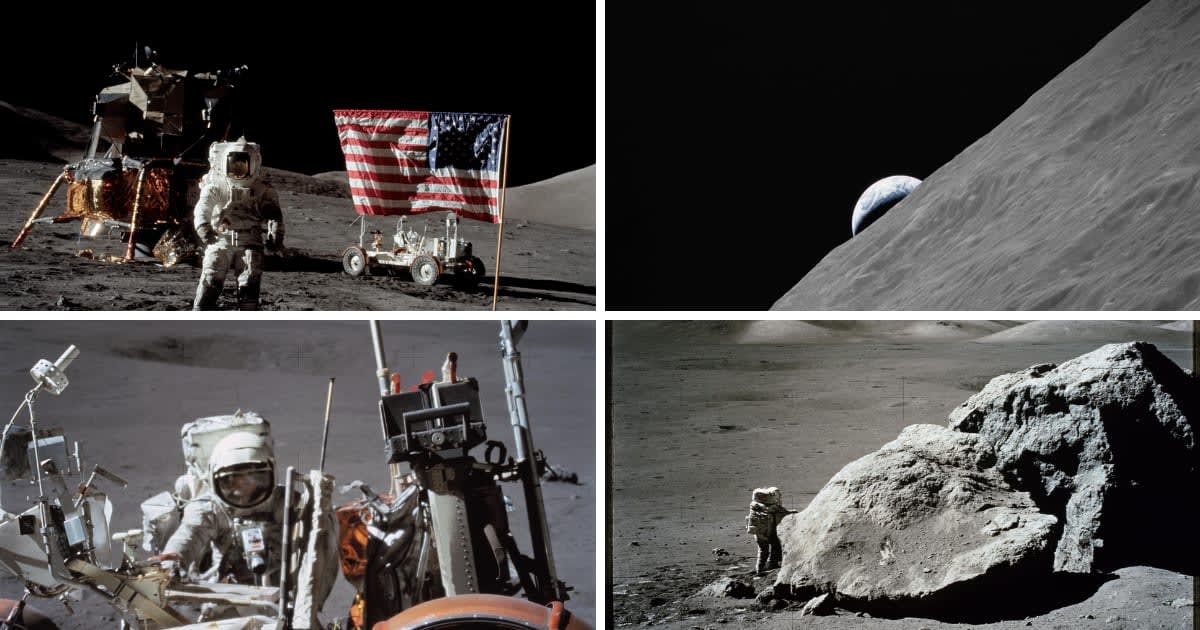
Images taken from the Apollo 17 mission archive (Image Source: NASA)
Close-up view of U.S. flag deployed on Moon by Apollo 17 crew (Image Source: NASA)
Apollo 17,Evans perfroms EVA (Image Source: NASA)
Apollo 17's Evans performing EVA (Image Source: NASA)

More on Starlust

Half-century-old Apollo 17 moon sample uncovers new clues to the origin of a lunar landslide

NASA is heading to the Moon again: 5 things to know about the Artemis II mission
MORE STORIES

With the Artemis II SLS rocket and Orion spacecraft at the launch pad, experts will be conducting the wet dress rehearsal soon.
9 hours ago
The four astronauts of the SpaceX Crew-11 mission undocked from the International Space Station at 5:20 p.m. EST on Wednesday.
5 days ago
The undocking took place after mission controllers deemed the weather excellent for splashdown.
5 days ago
Of the 329 orbital launch attempts, the majority were carried out by commercial companies for their commercial clients.
6 days ago
Orbital Paradigm’s capsule defied a total rocket failure by breaking free and sending back flight data before impact.
6 days ago
SpaceX's Crew-11 will undock from the International Space Station on Wednesday.
7 days ago
The Artemis II mission will pave the way for Artemis III, which will put astronauts on the surface of the Moon.
7 days ago
As NASA looks to bring back SpaceX Crew-11 astronauts early amid a medical situation, let's take a look at medical maneuvers in space.
Jan 12, 2026
NASA has finalized plans for the SpaceX Crew-11 mission to undock from the ISS, beginning the four-person team's return to Earth.
Jan 12, 2026