New model maps the ghost particles that the Milky Way sends towards Earth
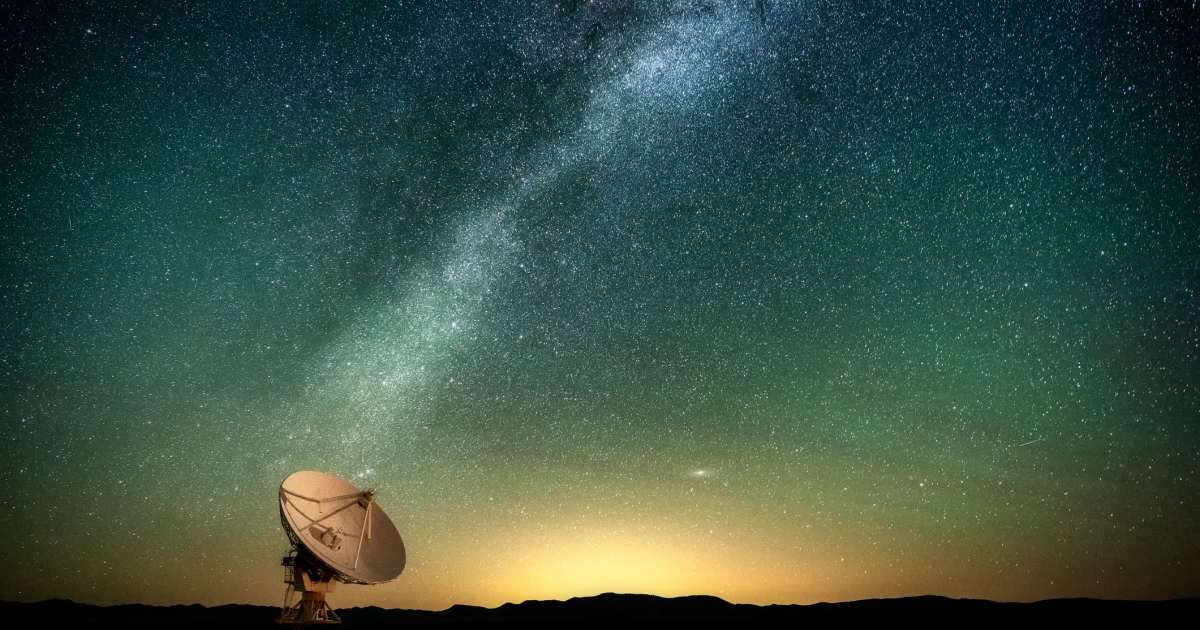
Nuclear reactions in stars spawn neutrinos. Known as ghost particles, trillions of them zip through space and literally everything: our bodies, planets, and even the entire cosmos, without interacting with matter and travelling at the speed of light. Now, a team of researchers at the University of Copenhagen has developed the most comprehensive model that can be used to map how many neutrinos are generated in all the stars of the Milky Way. It will also help track down how many of them make their way to Earth. “For the first time, we have a concrete estimate of how many of these particles reach Earth, where in the galaxy they come from, and how their energy is distributed,” said lead author of the study and postdoc at the Niels Bohr Institute Pablo Martinez-Mirave in a statement. “Because ghost particles come straight from the core of stars, they can tell us things that light and other radiation cannot.”

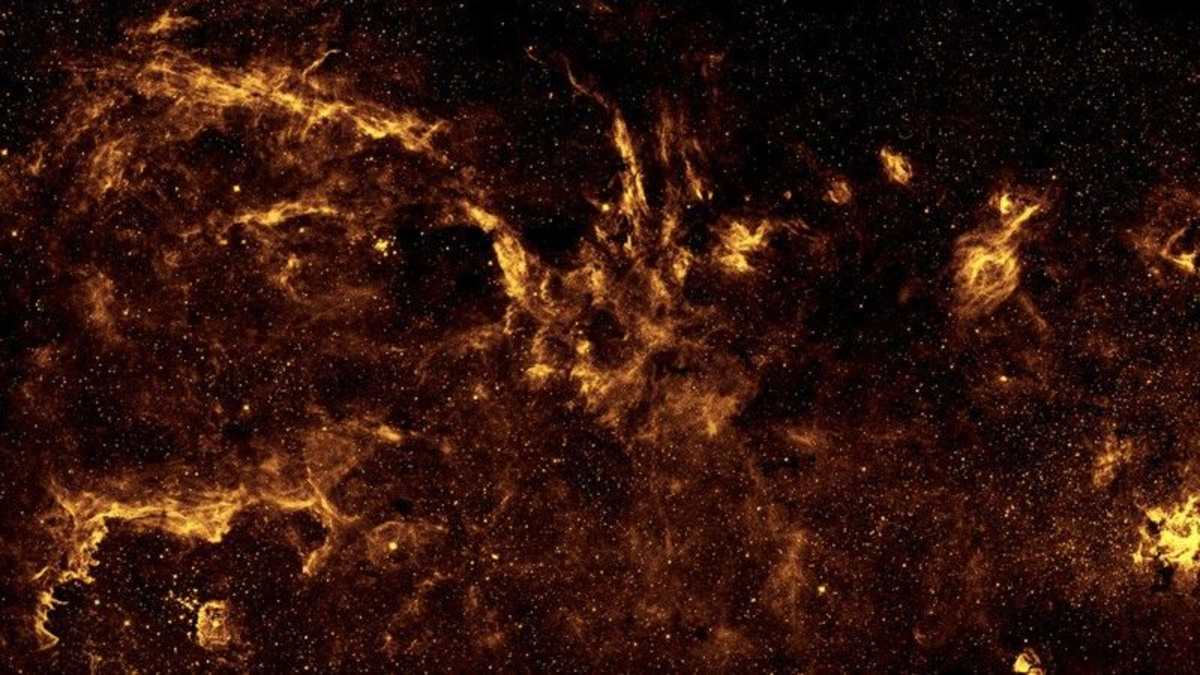
Before the Danish team came up with their model, a rough picture of neutrinos prevailed. Combining advanced stellar models with data from the ESA’s Gaia telescope, they not only gave a clearer picture but also located the potential birthplace of neutrinos in the Milky Way. Their analysis shows that most of the particles emanate from the region around the galactic center, where the majority of the stars are found. This region is a few thousand light-years away from Earth. Armed with such knowledge, scientists can devise tools with large detectors and attempt to capture these fugitives.

“Now we know more precisely where to look for Galactic neutrinos. Our results show that most neutrinos are produced in stars that are as massive or more massive than the Sun,” explained Martinez-Mirave. "This means that the best chance of detecting neutrino signals is when looking towards the galactic centre, where the signal is the strongest."
Neutrinos travel vast distances of space without being affected. As a result of that, they bring intact information or signals from the far-flung corners of the universe, whereas signals carried by visible light, X-rays, and gamma rays may fizzle out before reaching Earth. Over decades, these electrically neutral particles have provided us huge data about the Sun. So, they can tell us a lot about the distant stars where they are born. Irene Tambora, a senior author of the study, also from the Niels Bohr Institute, is excited about the new doors neutrinos can open. “If we learn to harness them, they can give us new insights into stellar life cycles and the structure of our galaxy in a way no other source can.”

Besides throwing new light on stars and our own galaxy, this knowledge could eventually answer fundamental questions in physics. Neutrinos’ inert nature might reveal new physical laws that traditional experimental techniques could never decode, the researchers noted.
More on Starlust
NASA's Hubble Space Telescope confirms first-ever failed starless galaxy made of dark matter