NASA postpones Artemis II launch to March after wet dress rehearsal
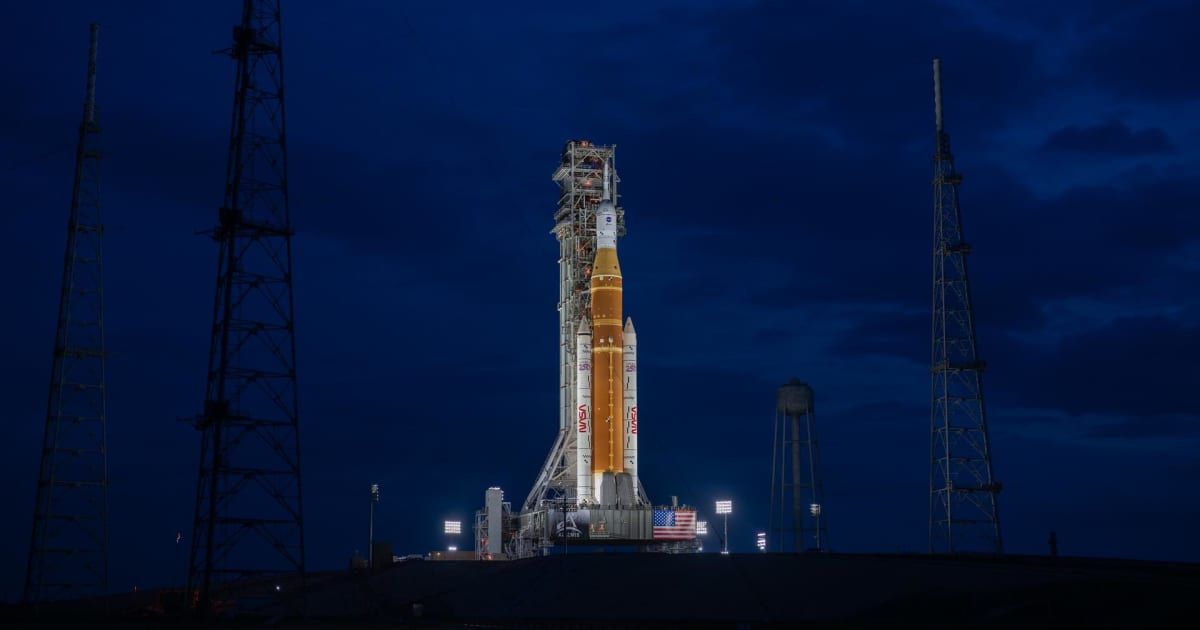
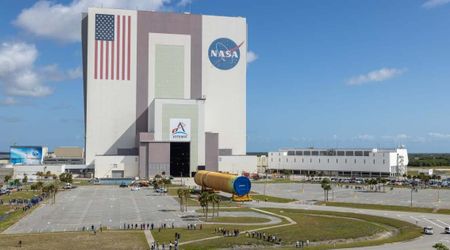
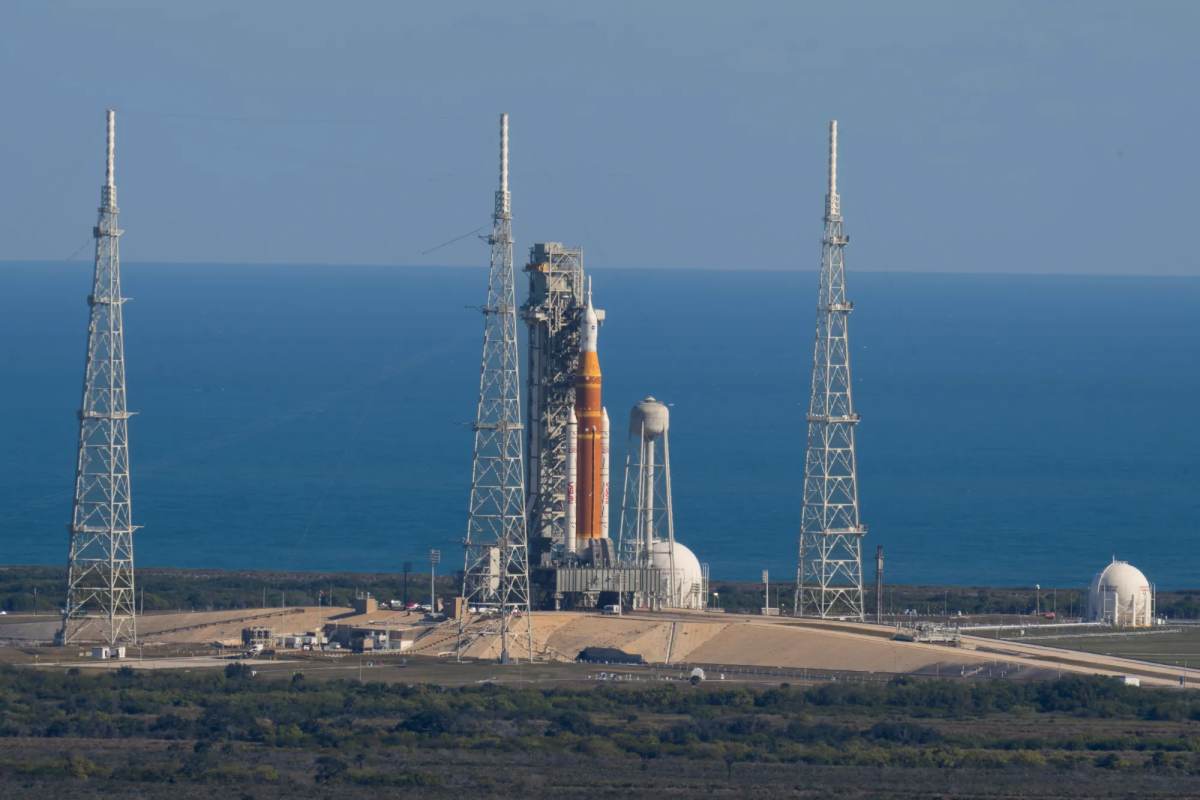
NASA will conduct a second wet dress rehearsal for the Artemis II mission after completing the first one early in the morning on Tuesday, February 3, 2026, thereby pushing the earliest launch to March to allow teams to review data and fix certain hiccups raised during the test. As planned for after the events till the early hours of Monday morning, launch teams successfully loaded 700 thousand gallons of cryogenic propellant into the Space Launch System (SLS) rocket’s core stage tanks, sent a team to the launch pad and up to the pressurized White Room via the Mobile Launcher Tower to close out the Orion capsule, and safely drained the fuel at the end of the rehearsal. During the two-day test that began with a 49-hour countdown at 8:13 pm EST on January 31, 2026, engineers faced cold-weather delays at Kennedy Space Center, which slowed tanking as interfaces needed warming, and fixed a leak in the core stage interface.
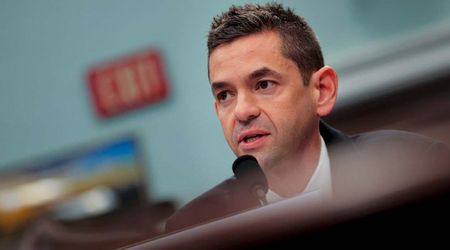
With the conclusion of the wet dress rehearsal today, we are moving off the February launch window and targeting March for the earliest possible launch of Artemis II.
— NASA Administrator Jared Isaacman (@NASAAdmin) February 3, 2026
With more than three years between SLS launches, we fully anticipated encountering challenges. That is precisely…
The test was largely successful, as many objectives for this simulated launch were met despite hurdles. Tasks that included powering up the core stage and the interim cryogenic propulsion stage (ICPS), filling all tanks, and running the terminal countdown were accomplished. The terminal countdown, however, had to be stopped at about T-5 minutes because of a leakage. There were further challenges, many related to the unprecedented cold weather in Florida after an Arctic burst, which included re-torquing a recently replaced valve for maintaining pressure inside the Orion crew module hatch, longer-than-planned closeout operations, cold-affected cameras and equipment, and recurring audio communication dropouts amongst teams on the ground.
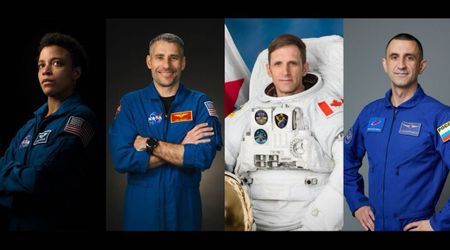
The Artemis II astronaut crew of NASA’s Reid Wiseman, Victor Glover, and Christina Koch, plus CSA’s Jeremy Hansen, had entered quarantine in Houston on January 23, 2026. As a result of the movement of the launch date, they will be exiting the quarantine for now, skipping their planned trip to Kennedy Space Center. They will now enter another quarantine about two weeks before the next targeted launch in March. These meticulous steps point to crew safety being the top concern for the agency, having already prepared them for the rugged lunar surface before. NASA Administrator Jared Isaacman issued a statement on X (formerly Twitter) stating, “With the conclusion of the wet dress rehearsal today, we are moving off the February launch window and targeting March for the earliest possible launch of Artemis II. With more than three years between SLS launches, we fully anticipated encountering challenges. That is precisely why we conduct a wet dress rehearsal. These tests are designed to surface issues before flight and set up launch day with the highest probability of success.” A review of all gathered data will now help guide mitigation efforts before further tests are done and an official launch date is set.
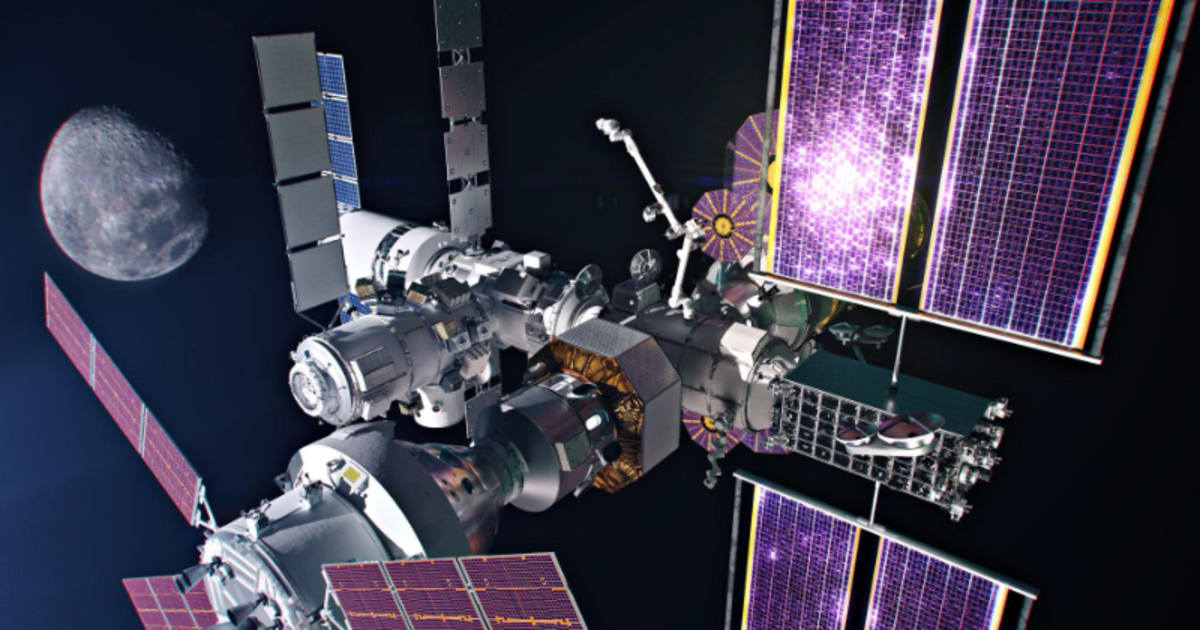
The Artemis programme, especially the third instalment of it, seeks to land the first woman and person of color on the Moon, besides gathering important flight data amongst other learnings. These will then pave the way for Mars missions and a sustainable lunar presence. While Artemis II will only fly by the Moon with its four astronauts on a free return trajectory, testing Orion in deep space, Artemis III targets a lunar landing in 2028 using SpaceX's Starship Human Landing System (HLS). Later missions, like Artemis VI, will deliver the Lunar Gateway station for long-term exploration and as a rendezvous point for astronauts descending to the lunar surface.
More on Starlust
Artemis II mission will take bone marrow cells on thumb-drive-sized chips to the Moon
NASA’s Artemis II mission to carry mementos into space, honoring America’s independence