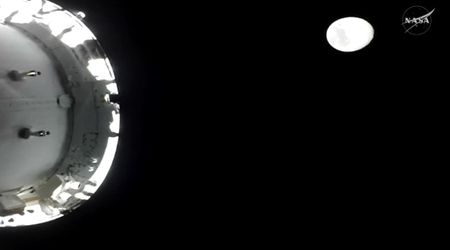
NASA one step closer to launching Artemis II—the first manned lunar mission in over 50 years
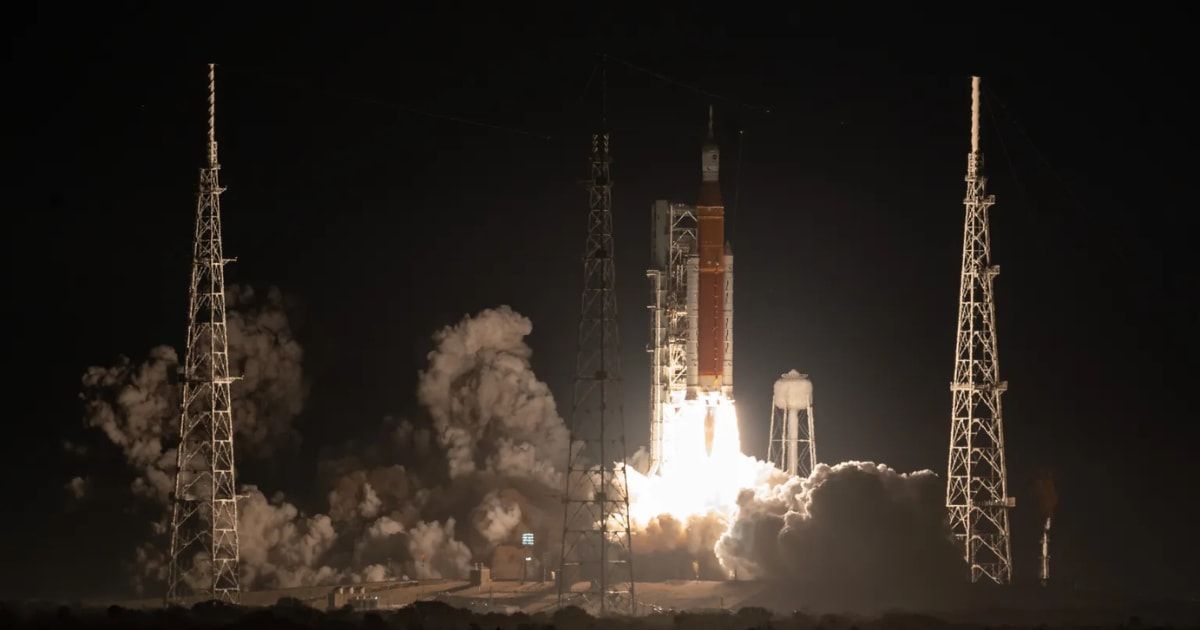
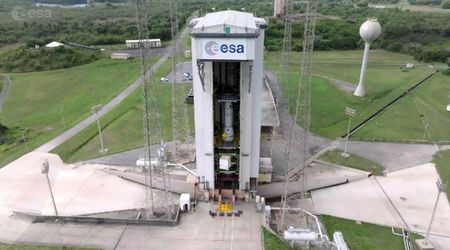
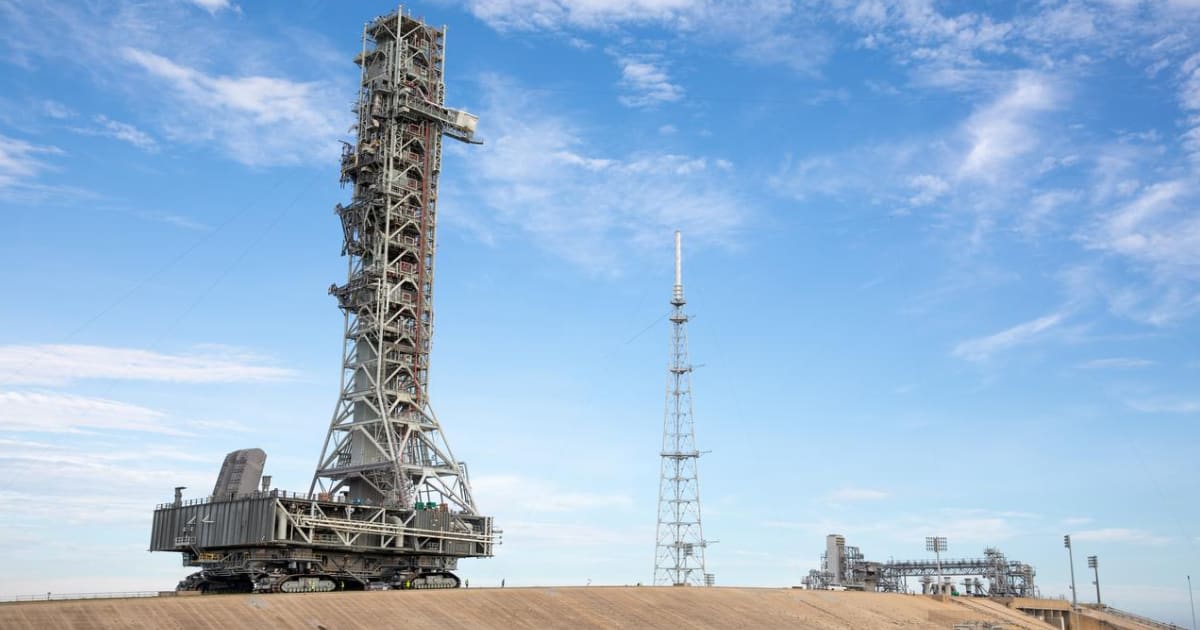
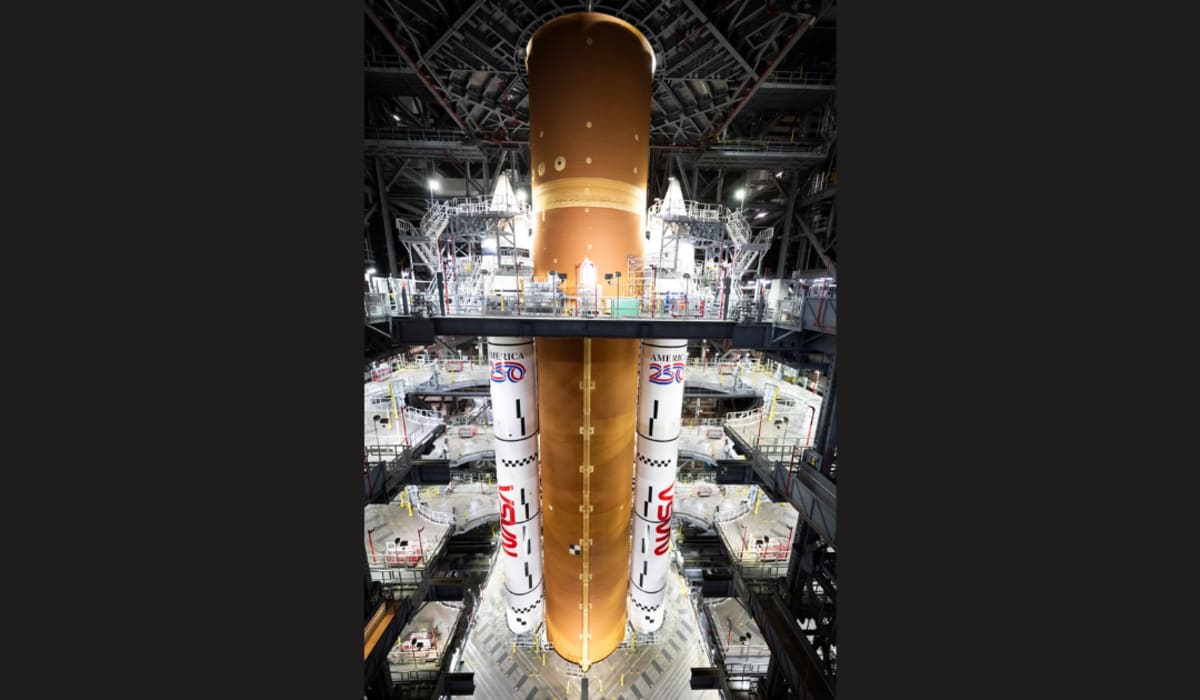
NASA announced that it will start moving the Orion spacecraft and the SLS (Space Launch System) to the launch pad at the Kennedy Space Center in Florida to start launch rehearsals, testing, and final integration. NASA is aiming for January 17 to start the multi-hour trek to the launchpad 39B from the vehicle assembly building. This 4-mile-long trek takes up to 12 hours in the crawler transport. That being said, it could take a lot longer than estimated if additional time is needed for the technical preparations and to account for unfavorable weather conditions.
When will Artemis II launch?
NASA's scheduled launch window begins on February 6 and continues until April 2026. A date won't be announced until the Space Launch System (SLS) rocket, the crew-carrying Orion capsule, and ground equipment have undergone final inspections.
Preflight checks and wet dress rehearsal
NASA will carry out a wet dress rehearsal, a prelaunch test to fuel the rocket, by the end of January. Teams rehearse safely extracting propellant from the rocket without astronauts present, load more than 700,000 gallons of cryogenic propellants into the rocket, and perform a launch countdown during wet dress. The launch team's capacity to hold, resume, and recycle many times during the final ten minutes of the countdown, known as the terminal count, will be shown through multiple "runs" during the wet dress rehearsal.
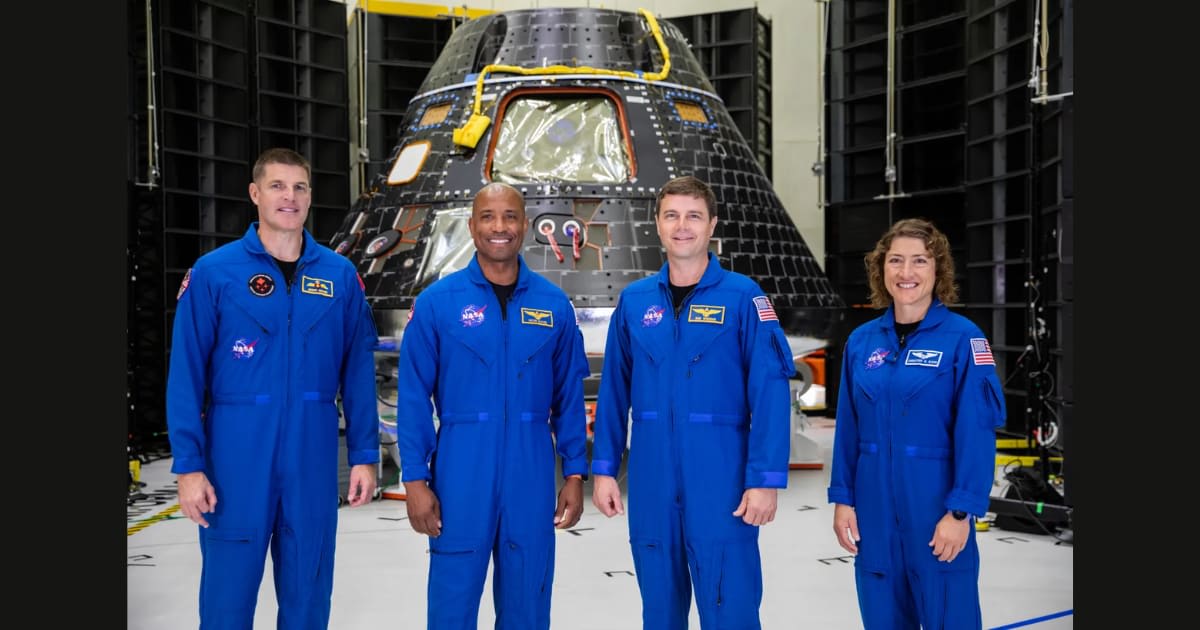
Crew of the first manned flight to the Moon
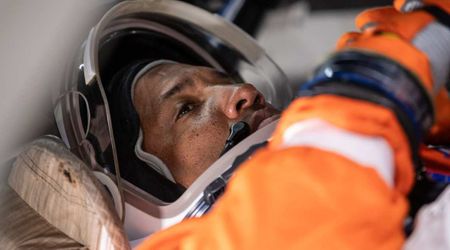
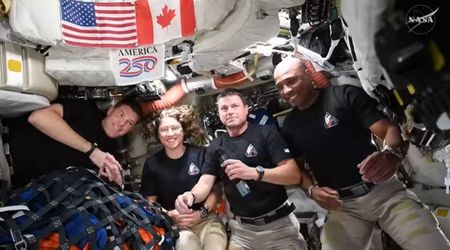
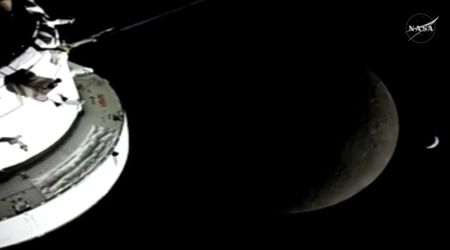
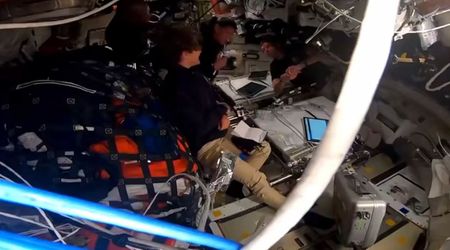
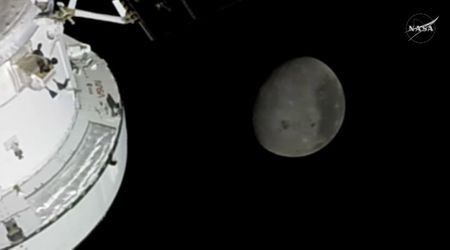
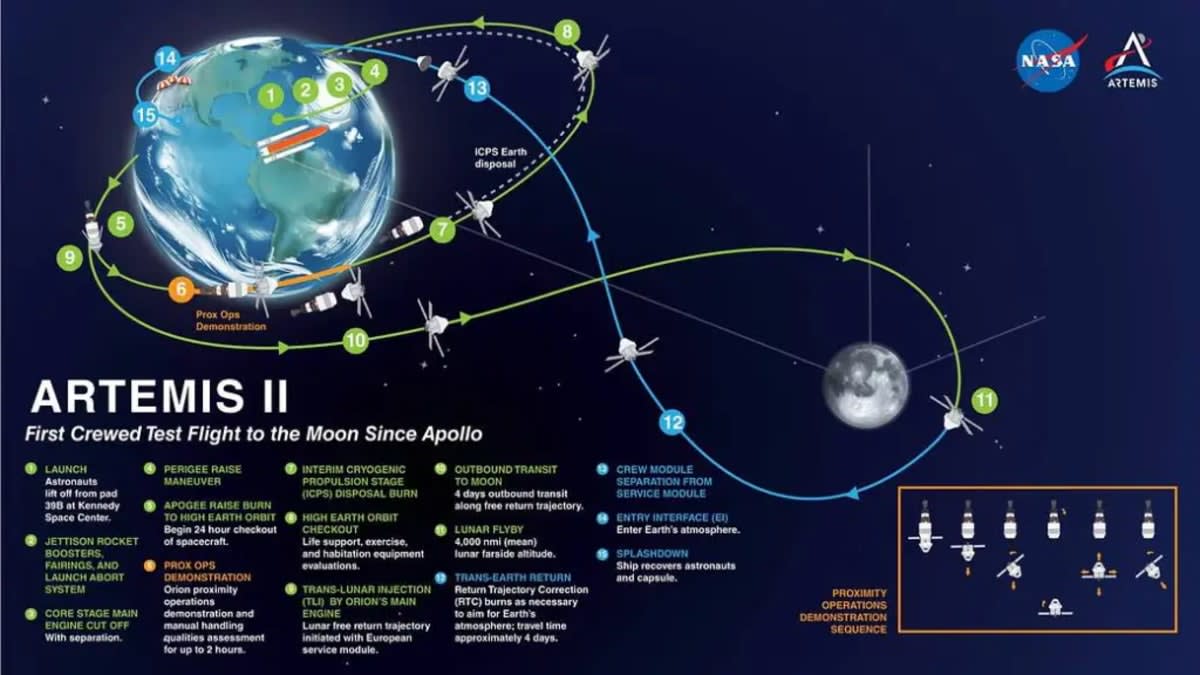
The Artemis II mission will mark SLS and Orion's first crewed flight, according to NASA. The astronauts will test the Orion spacecraft's handling after they are securely in orbit. In order to practice directing and aligning the spacecraft for upcoming Moon landings, the capsule will be manually flown in Earth's orbit. After that, they will go thousands of kilometers beyond the Moon to inspect Orion's navigation, power, propulsion, and life support systems. In addition, the crew will transmit data and images from deep space while serving as medical test subjects. The four-person crew of Artemis II consists of mission specialist Christina Koch, pilot Victor Glover, and NASA commander Reid Wiseman. Jeremy Hansen of the Canadian Space Agency will be the second mission specialist.
Artemis II in context
Apollo 17, which landed in December 1972 and returned to Earth later that month, was the final crewed mission to the Moon. During the Apollo program, a total of 24 astronauts visited the Moon, and 12 of them set foot on its surface. A crucial part of NASA's larger initiatives to bring people back to the Moon and create a long-term presence there is Artemis II. In contrast to its unmanned predecessor, Artemis I, which successfully circled the Moon in late 2022, Artemis II will have astronauts on board, evaluating the spacecraft's capacity to protect crew members throughout extended spaceflight. The mission is an essential prelude to Artemis III, which will put astronauts on the Moon with the goal of reaching the lunar south pole.
More on Starlust
NASA’s second ESCAPADE spacecraft nails a key trajectory maneuver
NASA loses contact with MAVEN orbiter as it goes silent behind Mars