The Artemis II crew: All about the people powering NASA’s return to the Moon
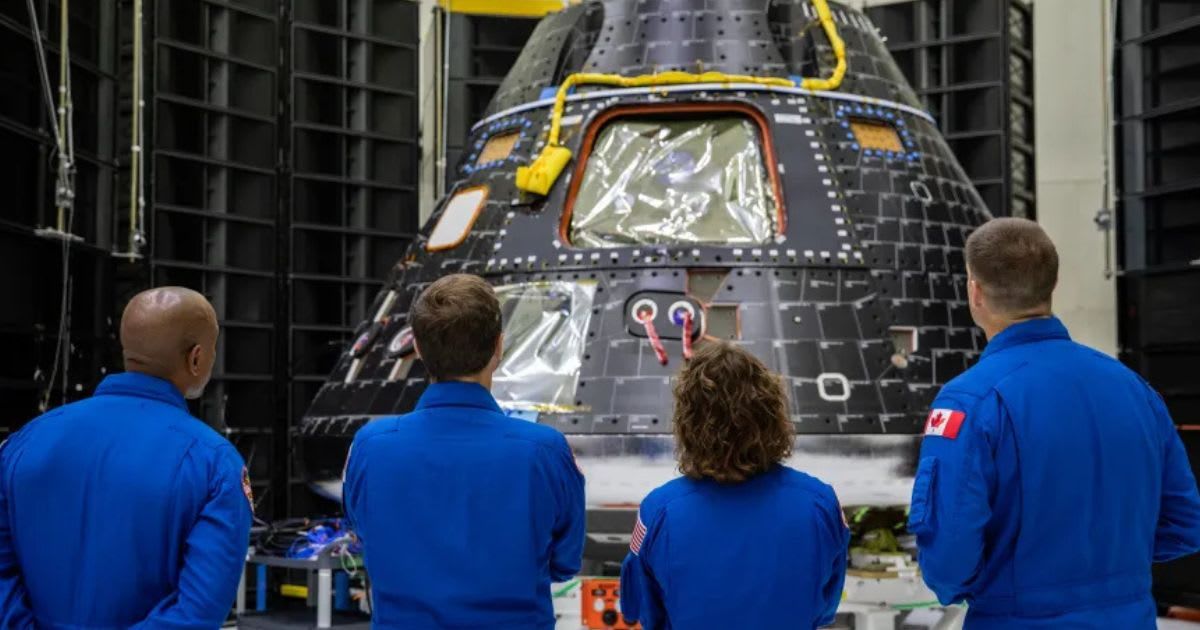
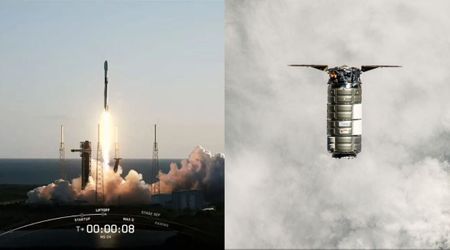
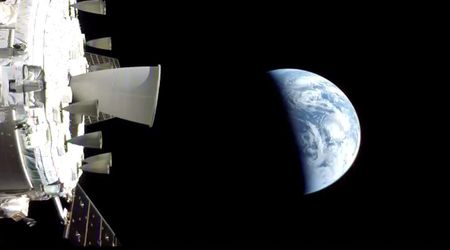
NASA's Artemis II will see four astronauts launch on a 10-day-long mission from Launch Complex 39B at NASA's Kennedy Space Center in Florida. The second mission in NASA's Artemis program, it will be the first time in the program that astronauts will be carried aboard the Space Launch System Rocket and the Orion Spacecraft. It will see the selected astronauts go on a long journey around the Moon and safely back to Earth, helping NASA test the systems needed to eventually land humans on the lunar surface again.

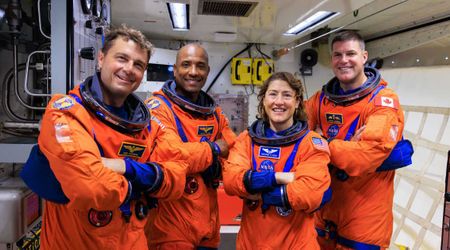
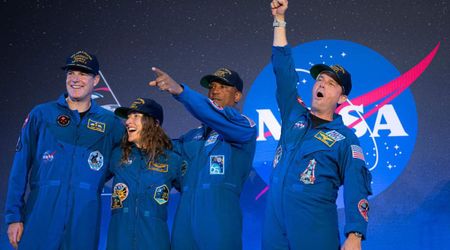
During the mission, the crew will journey thousands of miles beyond the Moon, where they will be exposed to deep-space radiation and other harsh conditions. This allows NASA to test life-support systems, navigation, communications, and crew operations in real deep-space flight conditions. The much-anticipated moon landing will not be a part of this mission. But that does not dampen its significance as the mission will help ensure that future Artemis flights, which are planned for later this decade, can safely place astronauts on the lunar surface and prepare for longer missions to Mars in the future. Let's take a look at the Fantastic Four of the Artemis II mission.
Christina Koch
Christina Hammock Koch is a NASA astronaut, engineer, and explorer who was selected in the Astronaut Corps in 2013. Currently training as a Mission Specialist I for NASA's Artemis II program. She rose to fame back in 2019 for her historic mission aboard the International Space Station, where she lived and worked for almost the entirety of the year. Spending a whopping 328 consecutive days in space and setting the record for the longest single spaceflight by a woman, she was also a part of the first all-female spacewalk, completing six spacewalks totalling 42 hours and 15 minutes.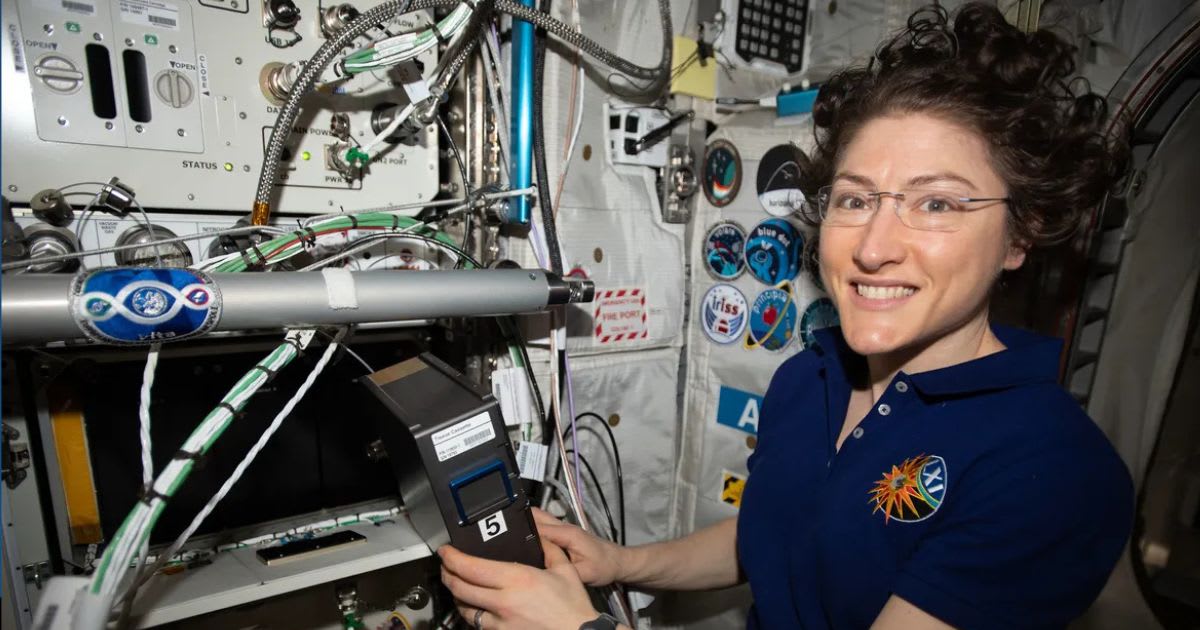
Born in Grand Rapids, Michigan, grew up in Jacksonville, North Carolina, and was living in Montana when selected as an astronaut. She earned Bachelor’s degrees in electrical engineering and physics and a Master’s degree in electrical engineering from North Carolina State University, and later received an honorary PhD from the same institution. Her past experiences in spaceflight and extreme environments make her an invaluable asset to the crew of Artemis II.
Reid Wiseman
A U.S Navy Veteran, test pilot, engineer, and finally an astronaut, Reid has donned many hats. He will be the commander for the Artemis II program, coincidentally sharing the first name with Reed Richards ( leader of the Fantastic Four). He first went to space in 2014 aboard the International Space Station during Expedition 41. As a Flight Engineer, he spent 165 days in space, carrying out more than 300 scientific experiments. Whilst out there, he also completed two spacewalks, spending almost 13 hours outside the station.
He gained quite some traction by sharing the human side of space exploration via his social media. A native of Baltimore, Wiseman became a NASA astronaut back in 2009, after a distinguished career in Naval Aviation, wherein, from 1999-200,9 he flew an F-14 Tomcat and later the F/A-18 Super Hornet. He completed several deployments in the Middle East in support of Operations Southern Watch, Enduring Freedom, and Iraqi Freedom. With his military heritage and spaceflight acumen, he is the perfect Commander to head the crew for Artemis II.
Victor. J.Glover Jr
Space is so democaratic its even got a Legislator flyig up to it. Victor J. Glover Jr. was selected as a NASA astronaut in 2013 while serving as a Legislative Fellow in the U.S. Senate. He will be the pilot of the Artmeis II mission. Between November 2020 and May 2021, he spent 168 days in space and completed four spacewalks. This earned him the distinction of being the first Black astronaut to live aboard the ISS as part of a long-duration expedition.
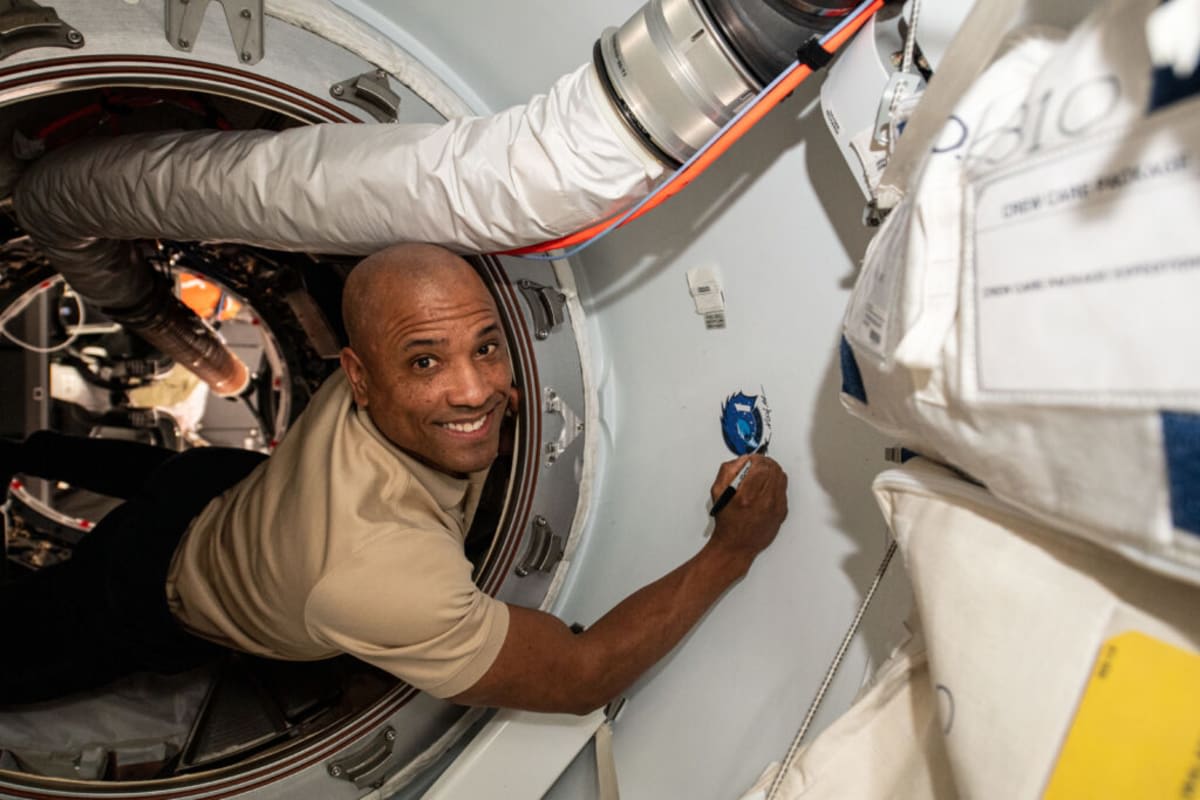
Born in Pomona, California, he, too, is an ex- Naval pilot. Having flown the F/A-18 Hornet, Super Hornet, and EA-18G Growler, accumulating more than 3,500 flight hours in over 40 aircraft, including 400 carrier landings and 24 combat missions. He's got the brains too, owning three degrees in Flight Test Engineering, Systems Engineering, and Military Operational Art and Science.
Jeremy Hansen
The Artemis II is not only historic to America but to Canada as well. Jeremy Hansen of the Canadian Space Agency (CSA) will be the first Canadian to travel to the Moon. Hansen’s journey toward space began early. At just 12 years old, he joined the Royal Canadian Air Cadets in London, Ontario, sparking a lifelong passion for aviation. By age 16, he had earned his glider pilot wings, and at 17, he obtained his private pilot licence, setting him firmly on a path toward a military and aviation career.
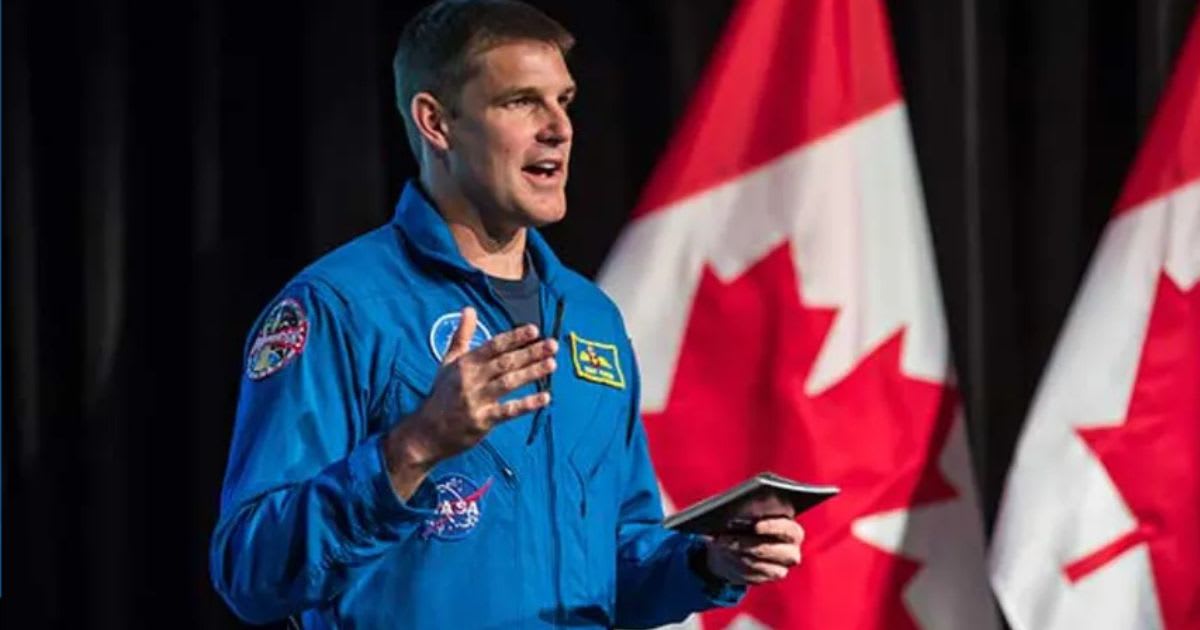
In 2017, Hansen reached another milestone by becoming the first Canadian to lead a NASA astronaut class, placing him in charge of training astronaut candidates from both the United States and Canada. In 2023, Hansen was officially assigned to Artemis II, joining an international crew that will fly around the Moon and back to Earth. His role marks a historic moment for Canada’s space program and highlights the country’s long-standing partnership in human space exploration.
More on Starlust
Moon dust brought back 50 years ago is now revealing how the Sun changes the lunar surface