NASA and Department of Energy announce collaboration to develop lunar nuclear reactor
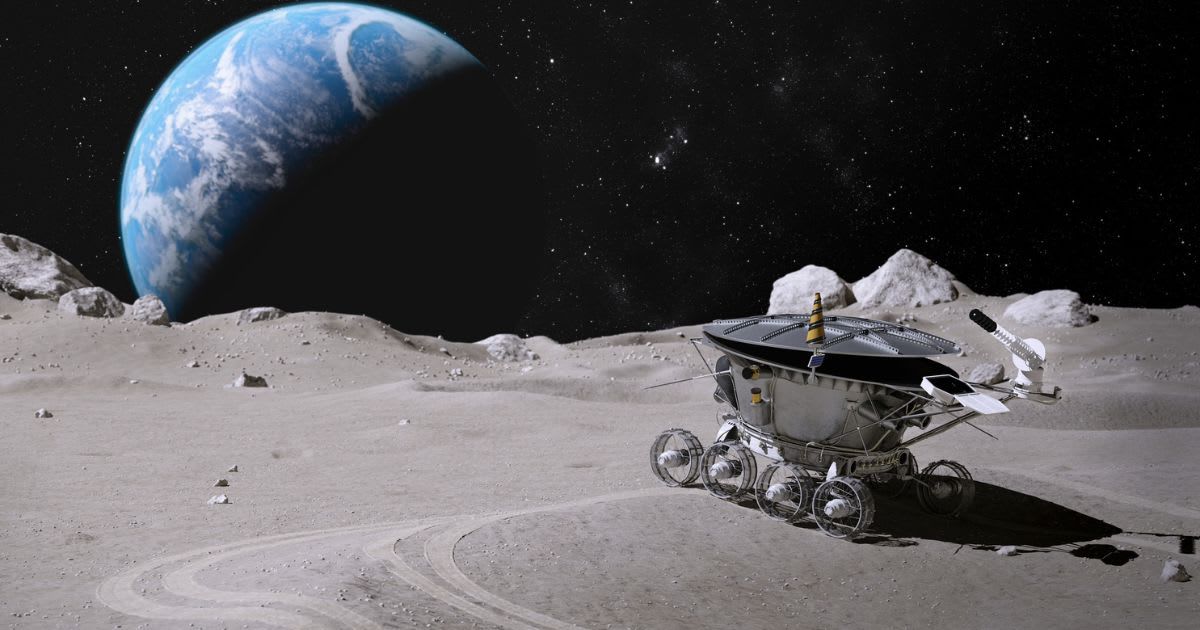
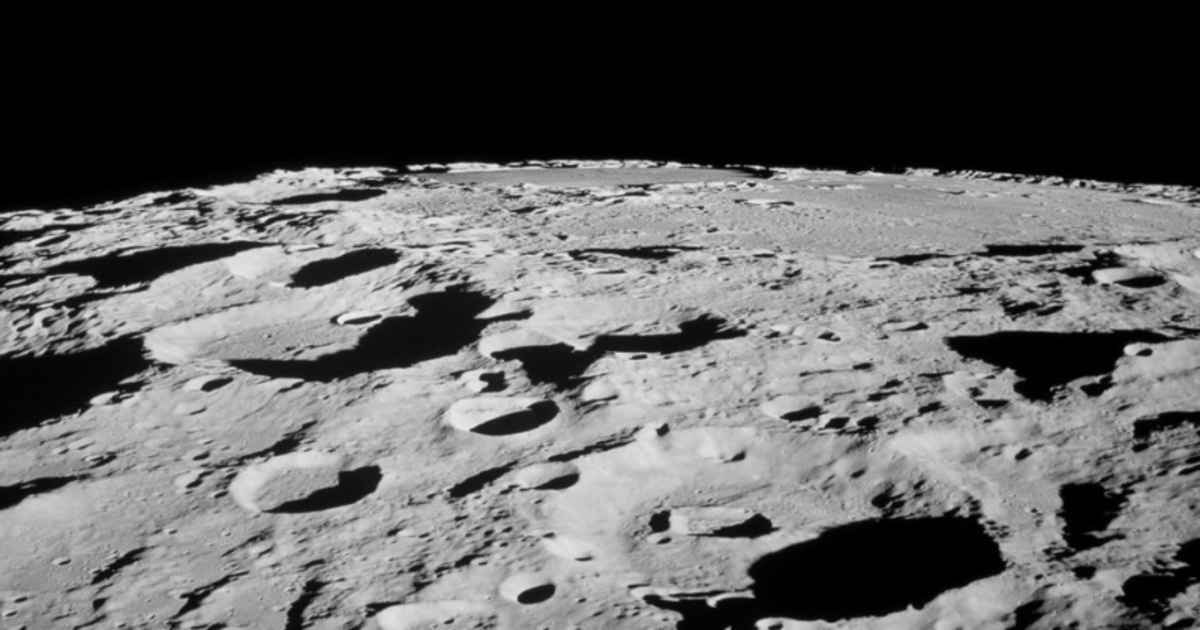
On Tuesday, January 13, NASA and the U.S. Department of Energy (DOE) revealed that they will be joining hands to create a surface-based nuclear fission power system. This reactor is intended for use on the Moon under the Artemis program and could also aid the American space agency's upcoming missions to Mars. The announcement comes after U.S. President Donald Trump put pen to paper on an executive order titled "Ensuring American Space Superiority" in December last year.
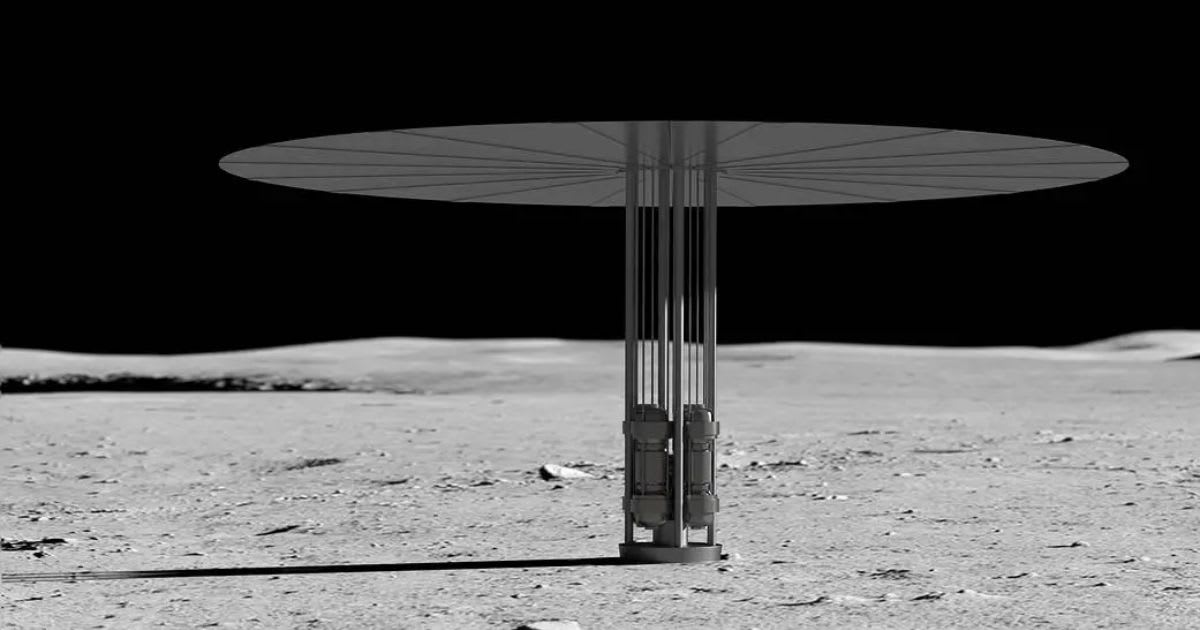
The collaboration, solidified by the recently signed memorandum of understanding (MoU), will also see to the deployment of nuclear reactors in the Moon's orbit, along with the one on the surface, by 2030. "This effort ensures the United States leads the world in space exploration and commerce," the NASA press release said.
“Under President Trump’s national space policy, America is committed to returning to the Moon, building the infrastructure to stay, and making the investments required for the next giant leap to Mars and beyond,” said NASA Administrator Jared Isaacman. “Achieving this future requires harnessing nuclear power. This agreement enables closer collaboration between NASA and the Department of Energy to deliver the capabilities necessary to usher in the Golden Age of space exploration and discovery.”
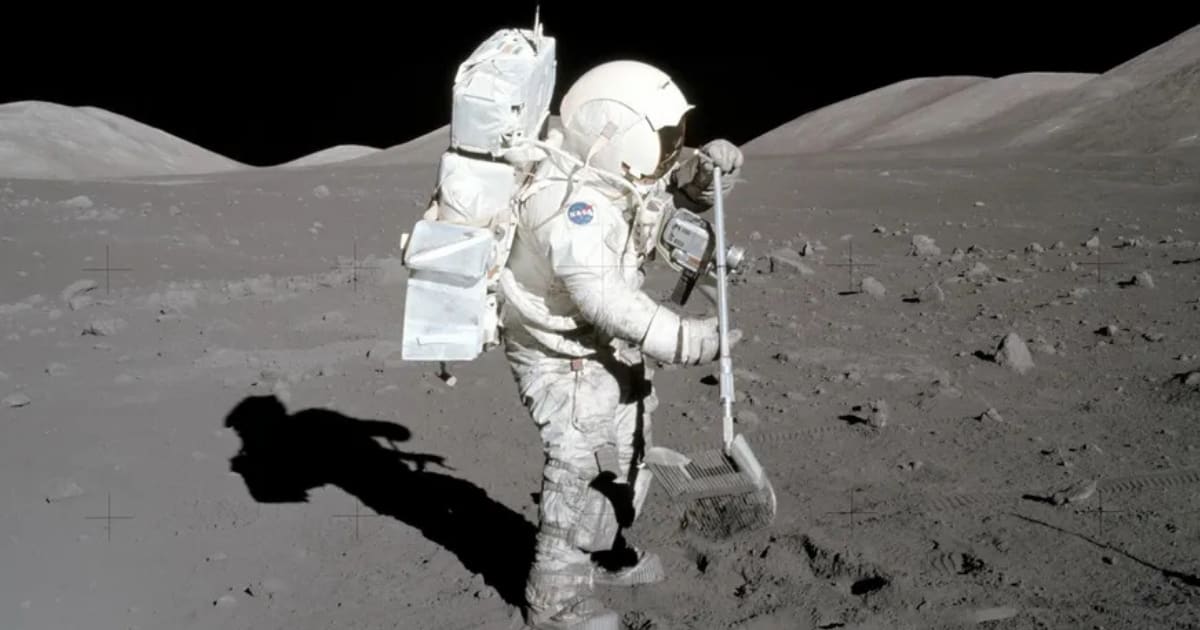
The fission surface power system is expected to produce efficient, safe, and most importantly plentiful power, thus paving the way for lunar missions that will be able to go on for years without any hiccups in terms of refueling or the availability of sunlight. This is pretty much a necessity on the Moon, as its month-long day cycle causes nights and days to last two weeks each.

"History shows that when American science and innovation come together, from the Manhattan Project to the Apollo Mission, our nation leads the world to reach new frontiers once thought impossible," said U.S. Secretary of Energy Chris Wright. "This agreement continues that legacy. Thanks to President Trump’s leadership and his America First Space Policy, the Department is proud to work with NASA and the commercial space industry on what will be one of the greatest technical achievements in the history of nuclear energy and space exploration."
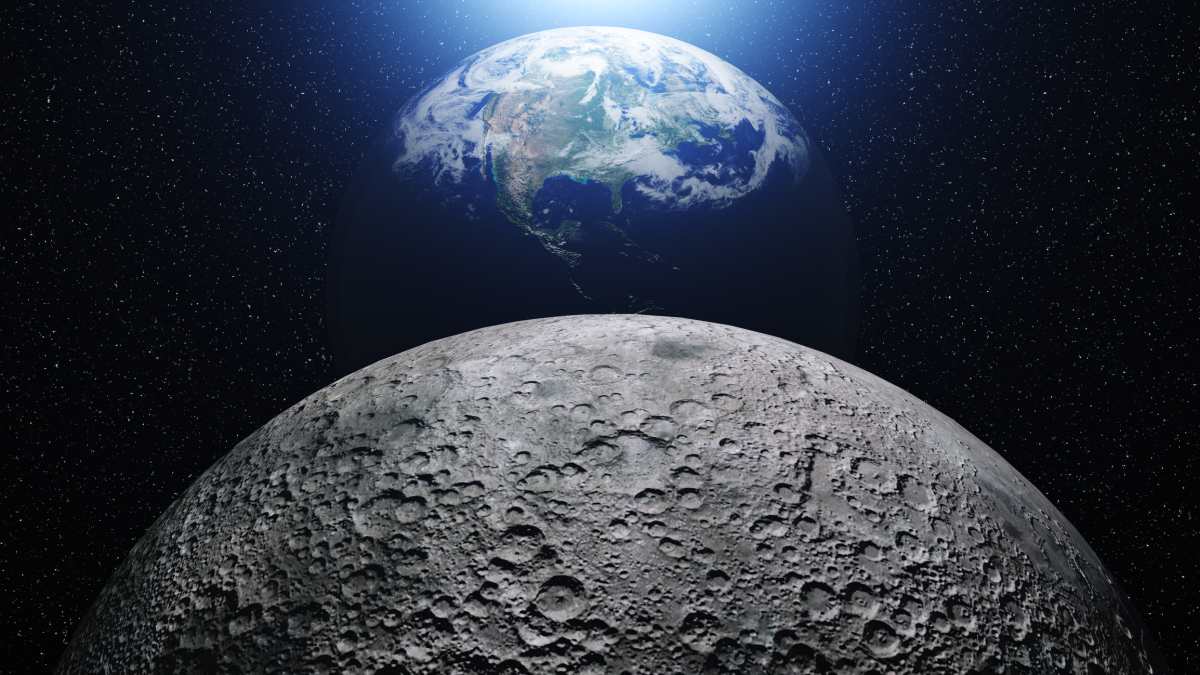
NASA has been working on the idea of making a nuclear reactor on the Moon for a long time. In fact, back in August last year, NASA's Transportation Secretary Sean Duffy had declared that the agency would expedite the development of a nuclear reactor and ready it for deployment by 2030. The space agency had also invited proposals for a 100-kilowatt nuclear reactor, which could power as many as 80 homes. "The goal is to power everything," a NASA official had told Fox News Digital. "Our systems, habitats, rovers, robotic equipment, even future mining operations—everything we want to do on the moon depends on this."
More on Starlust
NASA one step closer to launching Artemis II—the first manned lunar mission in over 50 years
China and Russia sign agreement for lunar nuclear power station, aim to outpace U.S. moon efforts