NASA's eyes on the Sun: Two key solar missions planned for 2026
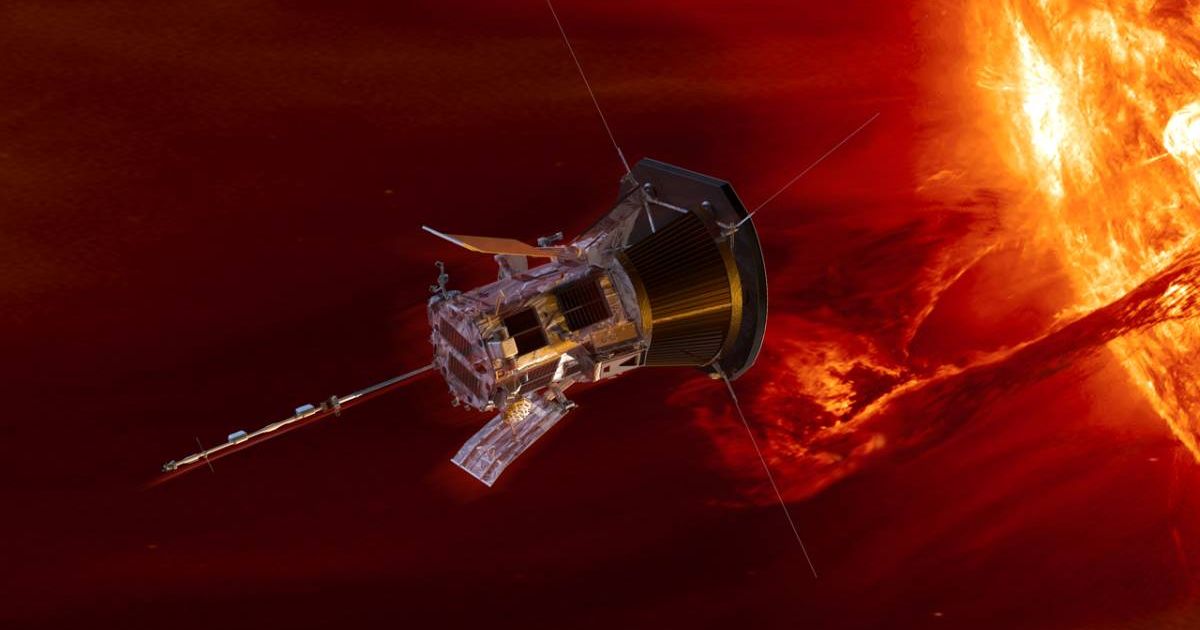
NASA has had incredible success with its solar missions. On December 14, 2021, NASA's Parker Solar Probe became the first spacecraft to "touch the Sun." Then there is the PUNCH fleet, which, in less than a year since its launch (March 11, 2025), has managed to take unprecedented images of our host star. But success doesn't mean that the agency is content, as it is heading into 2026, looking to make it another exciting year for solar missions.

The SunRISE mission
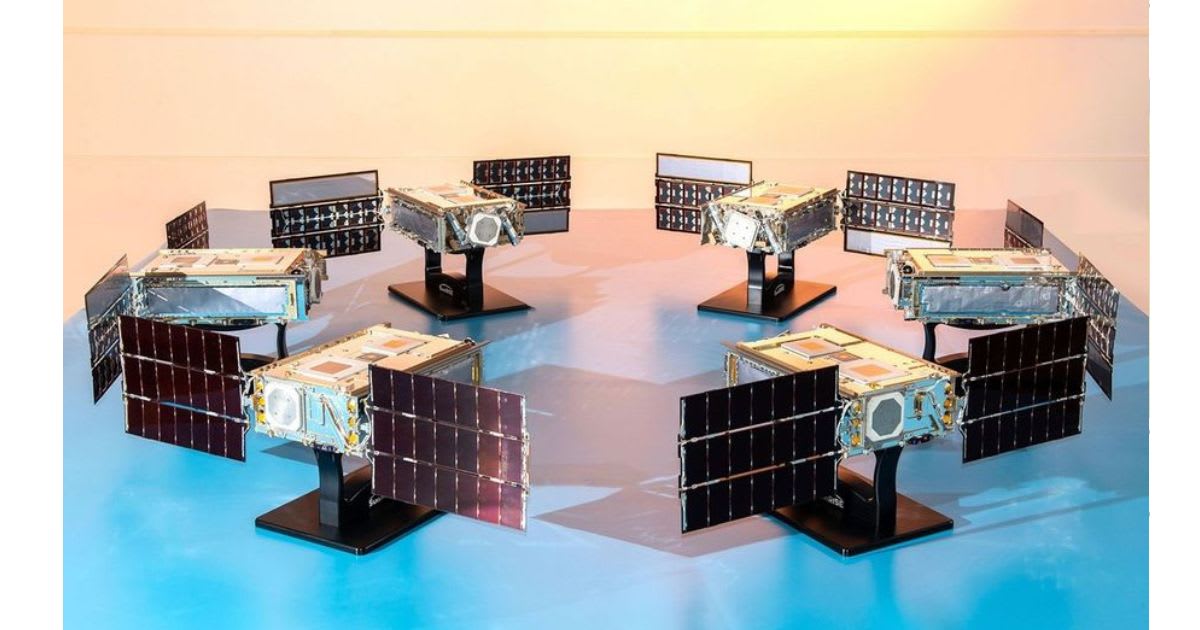
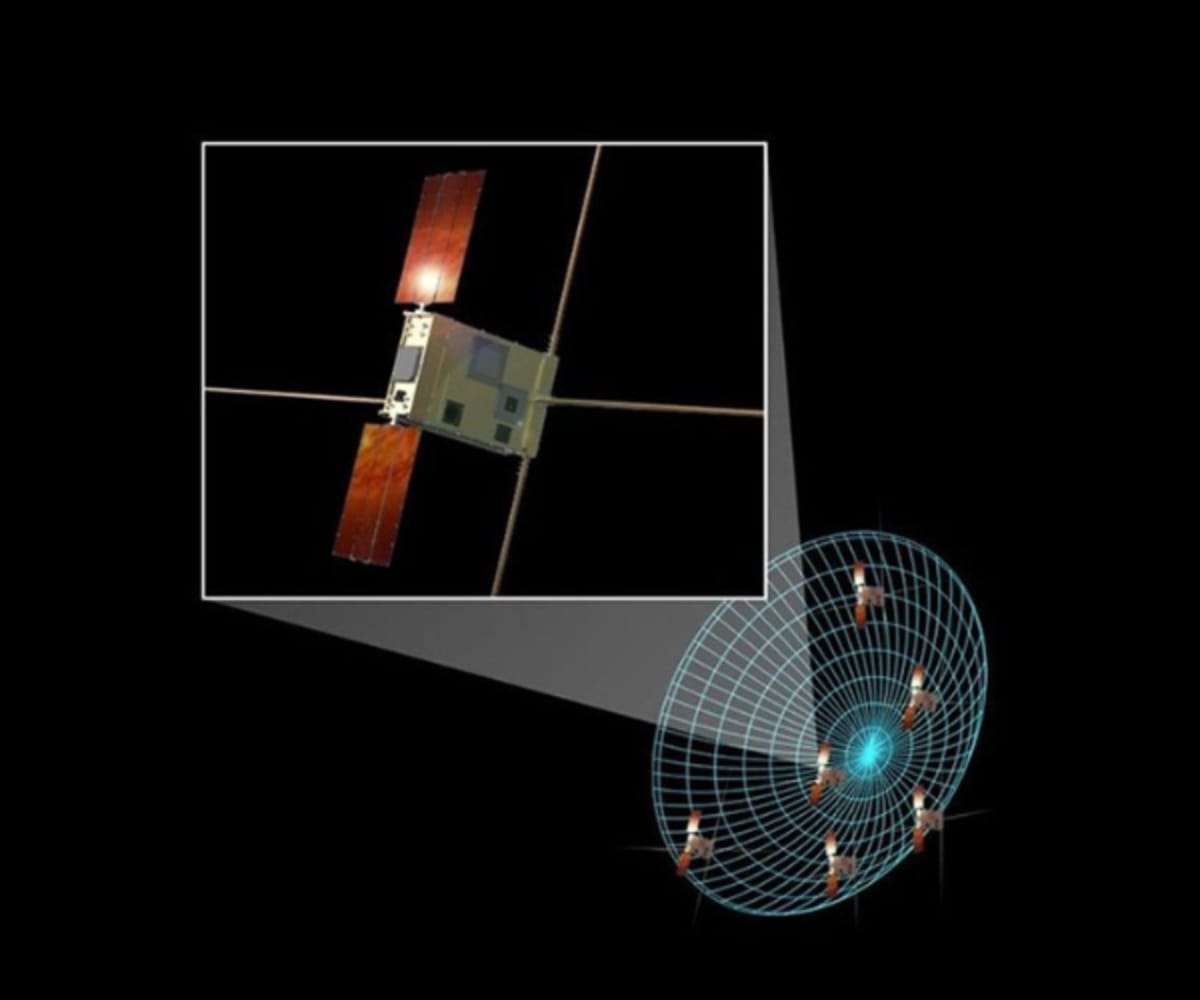
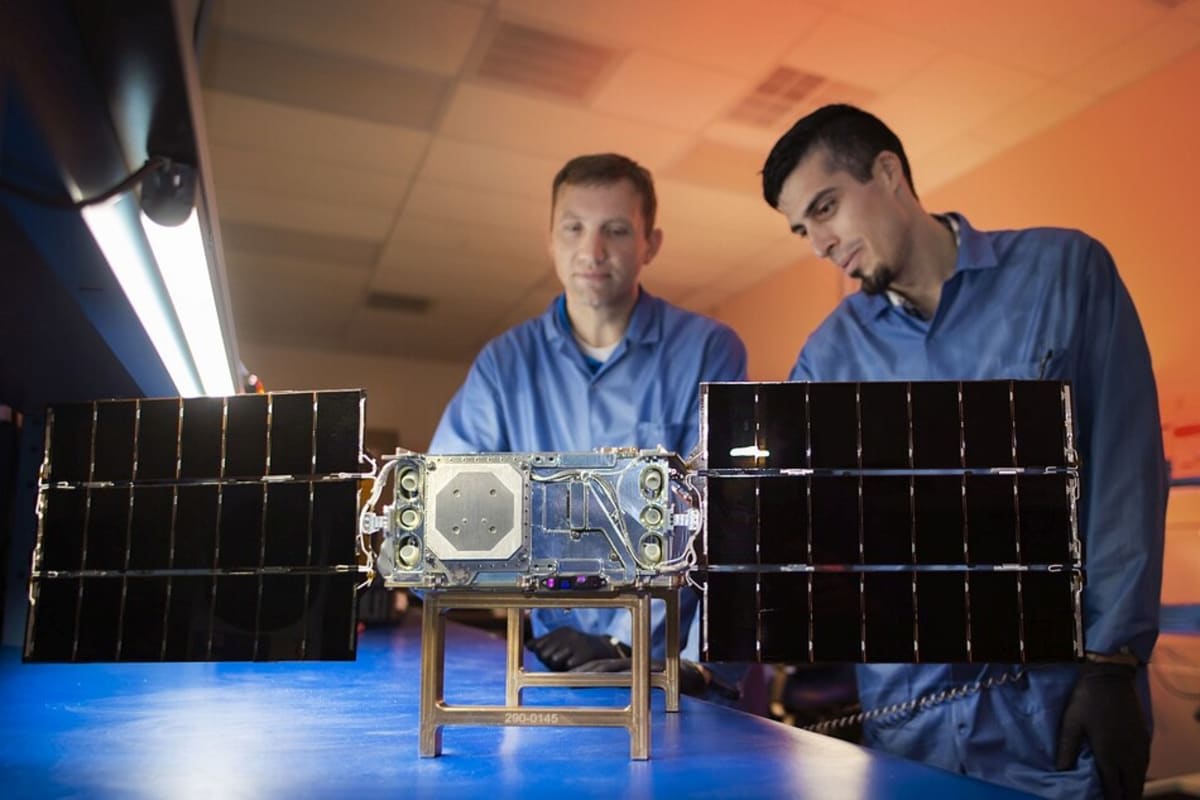
The summer of 2026 will see the launch of the Sun Radio Interferometer Space Experiment (SunRISE) mission by NASA. A United Launch Alliance Vulcan Centaur rocket will be carrying the device aboard it in a shared launch. Unlike usual satellites, it isn't one big hunk of metal; rather, it's composed of six toaster-sized satellites. When these six space toasters fly in unison, they will act as one big radio telescope with a 6-mile width. The device will use a process that is called interferometry, which entails combining the signals let out by all six satellites along with precise timing and positions.
The main objective of this mission is to study solar radio bursts, which occur when the huge amounts of energy stored in the Sun's magnetic field accelerate particles to high speeds. This big blast of energy is dangerous for spacecraft that are not protected by Earth's magnetic field. Moreover, solar radio bursts often end up reaching Earth faster than the harmful radiation. SunRISE has the ability to figure out where exactly on the Sun the bursts originate and also the direction of the dangerous particles, thereby helping forecasters better predict the target of the radiation event and its effects.
It is more accurate than ground-based telescopes because of the fact that its position in space allows it to capture waves that cannot be detected from Earth, as they are blocked by Earth's upper atmosphere. The mission aims to work alongside other solar missions like the Parker Solar Probe, Solar Orbiter, and STEREO. It is a part of NASA's Explorer Program. It was built by the Utah State University's Space Dynamics Laboratory, and the science investigations are led by the University of Michigan and managed by NASA's Jet Propulsion Laboratory.
The EUVST Mission
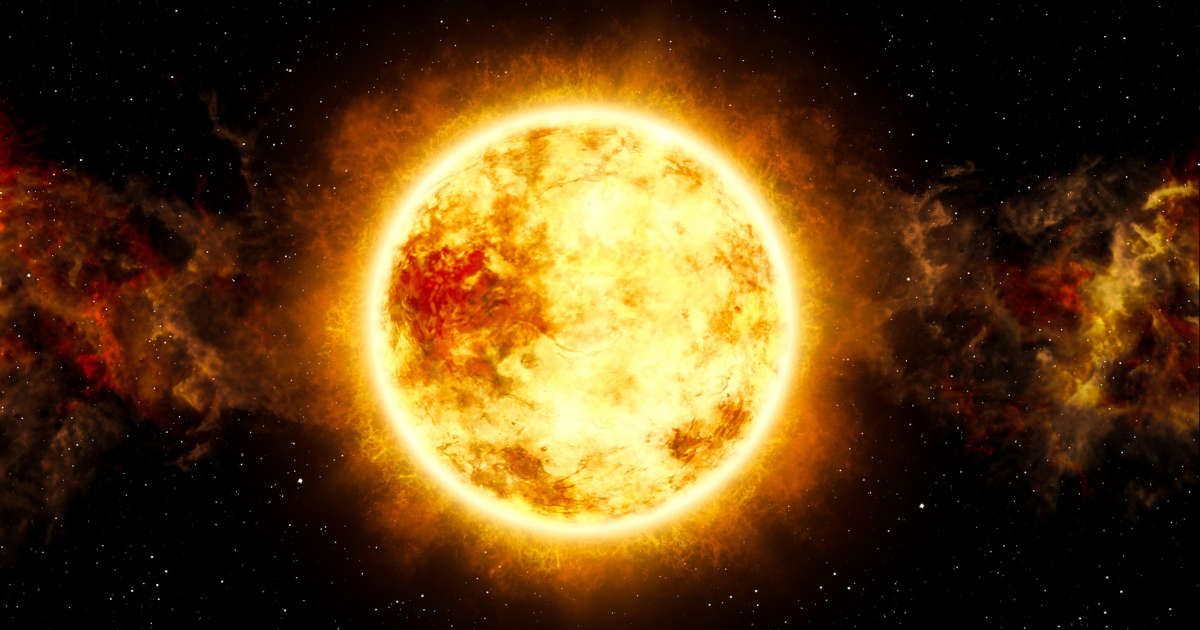
Along with the SunRISE, NASA's 2026 deck of solar missions also has the Extreme Ultraviolet High-Throughput Spectroscopic Telescope (EUVST). NASA says that the mission isn't solely about studying the Sun in isolation, but rather it will look at the Sun, Earth, and space as one connected system. Moreover, it will be conducting seamless and the most detailed observations of the Sun's different temperatures to date, thereby enabling scientists to figure out how coronal heating and energy release are driven by plasma and magnetic processes.
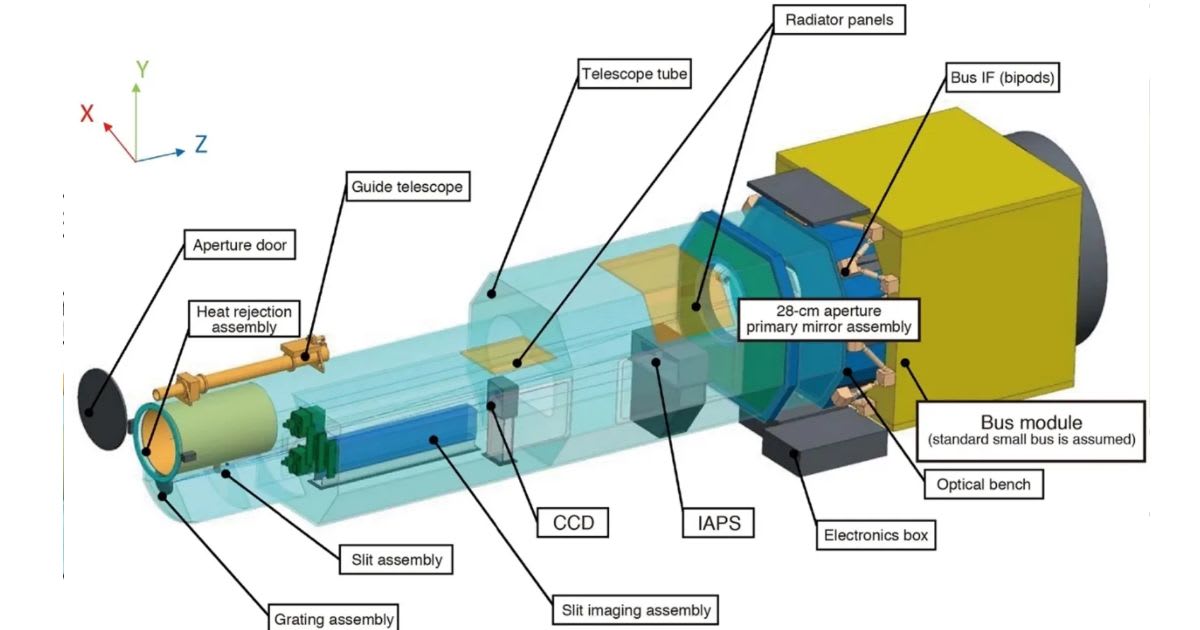
Also fascinating about EUVST is its simple yet effective design, as it has no filters and possesses fewer optical parts, giving it the ability to collect a lot more ultraviolet light than any of the past missions. This means that its effective areas will be 10-30 times larger than those of previous instruments, which, in turn, means that the spectroscopy achieved will have a greater resolution.
The mission is an international partnership led by JAPAN's space agency, JAXA, with instruments and technology provided by NASA. The principal investigator for the NASA contribution to EUVST is Harry Warren at the U.S. Naval Research Laboratory in Washington.
More on Starlust
Airless, shape-shifting wheels could help explore future human habitats on the Moon