NASA’s Dragonfly rotorcraft enters integration and testing phase for Titan mission
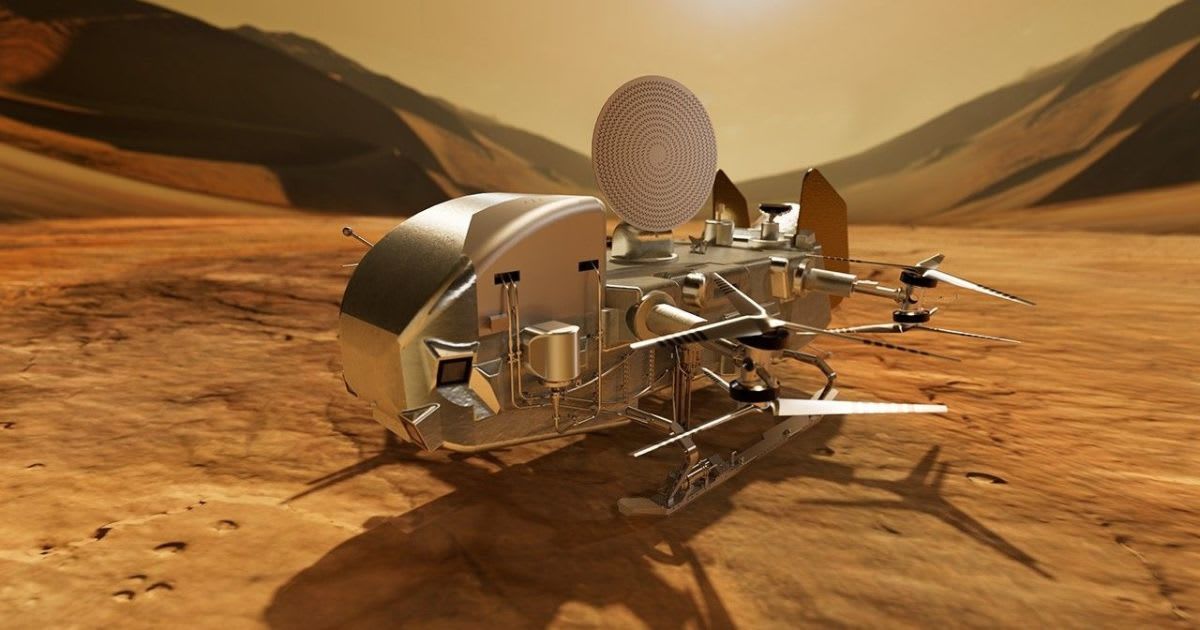
Engineers at NASA have now initiated the integration and testing phase for the Dragonfly mission’s rotorcraft lander. The radioisotope-powered spacecraft is scheduled to launch around 2028 on a six-year trip to the surface of Titan, Saturn’s largest moon. Now, NASA has announced that the Dragonfly spacecraft has moved from the design stage to setting up hardware. This includes assembling the flight system and making sure the components can withstand the harsh space environments that it’s about to travel through. The activities are currently underway at the Johns Hopkins Applied Physics Laboratory (APL) in Laurel, Maryland.
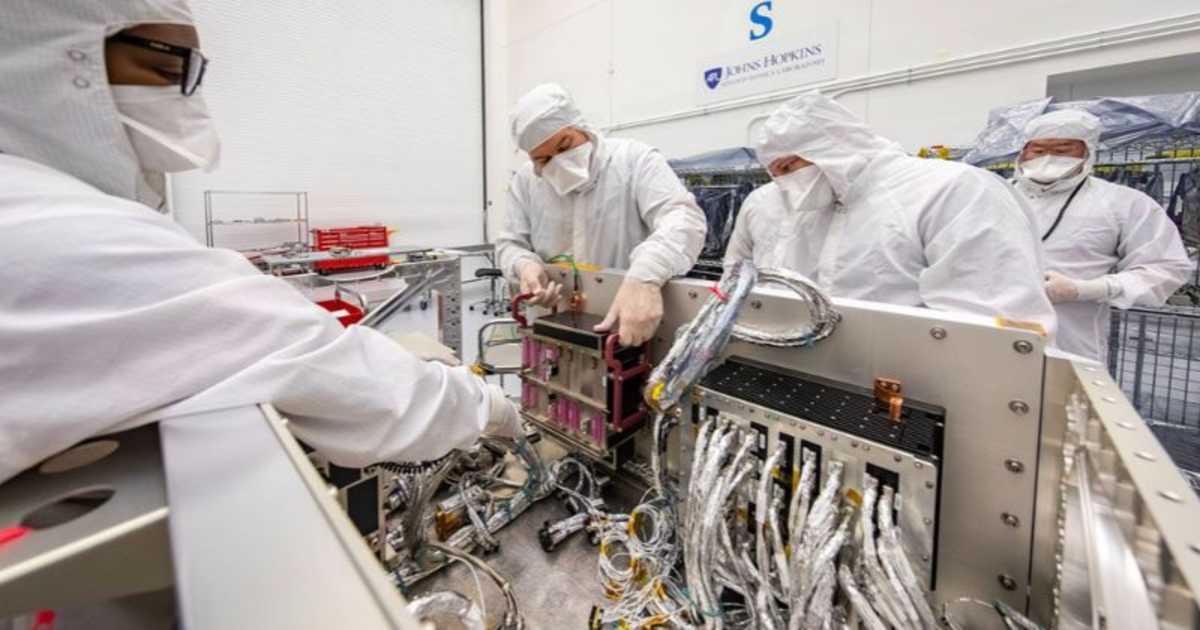
According to NASA, the early integration tests were targeted at two key components of the spacecraft — the Integrated Electronics Module (IEM), and the Power Switching Units (PSUs). Essentially, the IEM is the Dragonfly’s brain, being the central control system for core avionics like command and data handling, guidance and navigation, and communications. PSUs distribute and manage power throughout the spacecraft. In the first weeks of integration work, engineers conducted power and functional testing of the IEM and the PSUs, connected both to Dragonfly’s wiring system, and performed successful power-service checks.
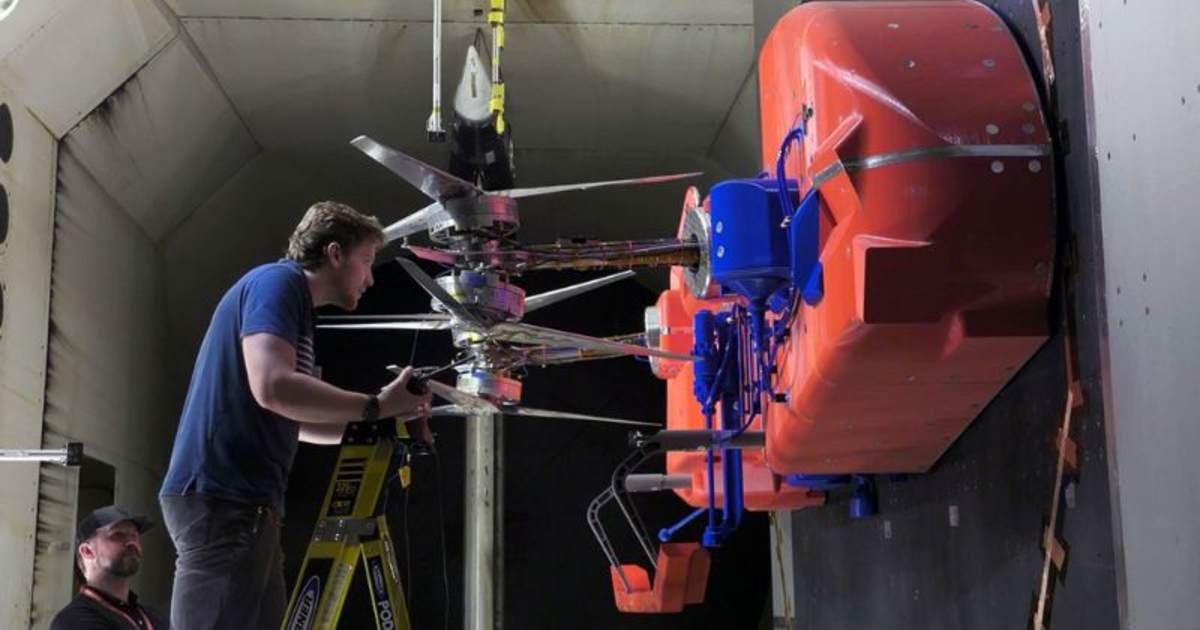
Other major subsystems of the spacecraft are also undergoing assembly and testing elsewhere. Dragonfly’s aeroshell and cruise-stage assemblies are being integrated and tested at Lockheed Martin Space in Littleton, Colorado. At NASA’s Langley Research Center in Hampton, Virginia, the mission team finished aerodynamic testing in wind tunnels. The rotorcraft’s development is an international collaborative effort by APL and teams across government agencies and industry partners. The first-of-its-kind rotorcraft is roughly the size of a car and will use vertical takeoffs and landings (VTOL) to fly across Titan.
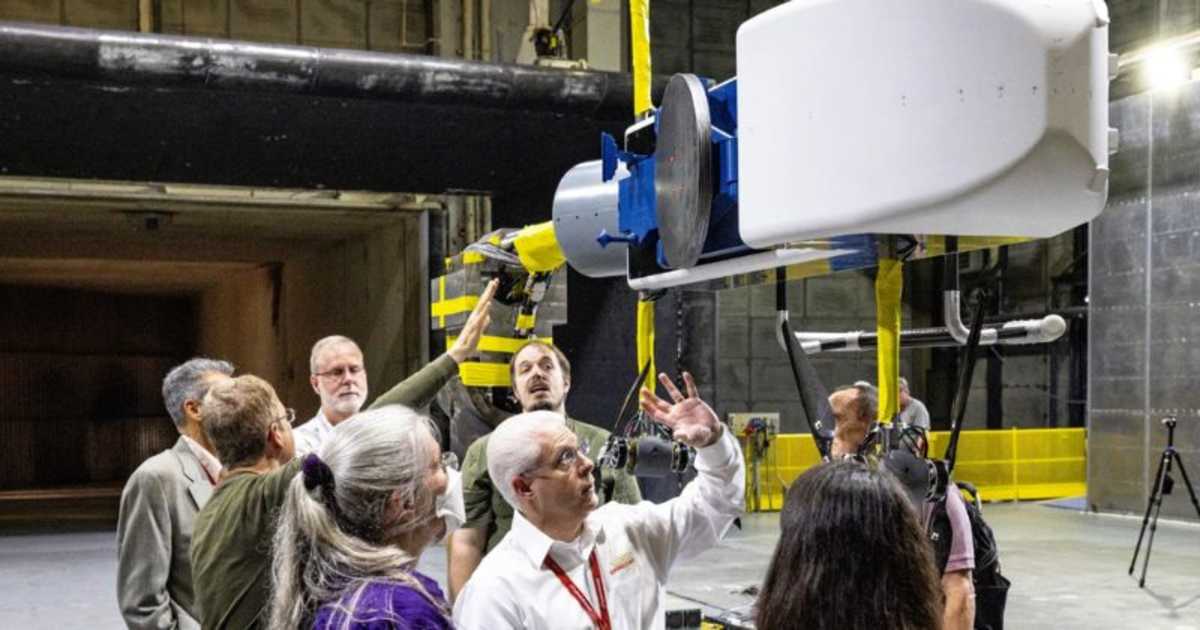
Engineers are testing a special foam insulation coating in the Titan Chamber at APL, simulating the moon’s extremely low temperatures. The Dragonfly mission’s science payload is also being assembled both in the United States and internationally. NASA confirms that the spacecraft’s flight radio system has already been delivered, with more hardware expected to undergo integration and testing over the next six months. Starting integration and testing itself is a huge milestone, according to Annette Dolbow, the Dragonfly integration and test lead at APL. “We’ve spent years designing and refining this amazing rotorcraft on computer screens and in laboratories,” she adds. “And now we get to bring all those elements together and transform Dragonfly into an actual flight system.”
NASA's Dragonfly is targeting launch in 2028 from Kennedy Space Center on a mission to explore Saturn’s largest moon, Titan! Listen to NASA's Small Steps, Giant Leaps podcast latest episode to learn why Titan is such a compelling destination! https://t.co/YD3FPI6OmN
— NASA's Kennedy Space Center (@NASAKennedy) March 3, 2026
(video has no… pic.twitter.com/ra1znA966Z
The rotorcraft’s integration and testing phase, which has just begun, will go on until early 2027 at APL, following which it will be transferred to Lockheed Martin for system-level testing. After that, the lander will return to APL for final space-environment testing before moving to NASA’s Kennedy Space Center in Florida in spring 2028. Finally, Dragonfly will launch aboard a SpaceX Falcon Heavy rocket. More than just an attempt to detect life, the mission intends to study Titan’s chemistry, geology, and atmosphere, and advance our understanding of life’s chemical origins.
More on Starlust
NASA’s Dragonfly gears up to explore Titan’s secrets in search of signs of life
Saturn's largest moon, Titan, may have formed from the collision of two older moons, study finds