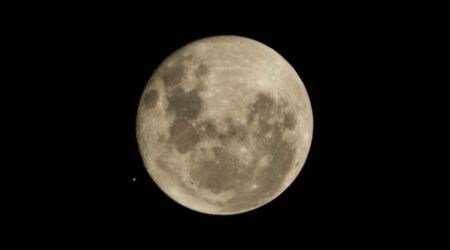
March 3 'Blood Moon' is your last chance to see a total lunar eclipse until 2028
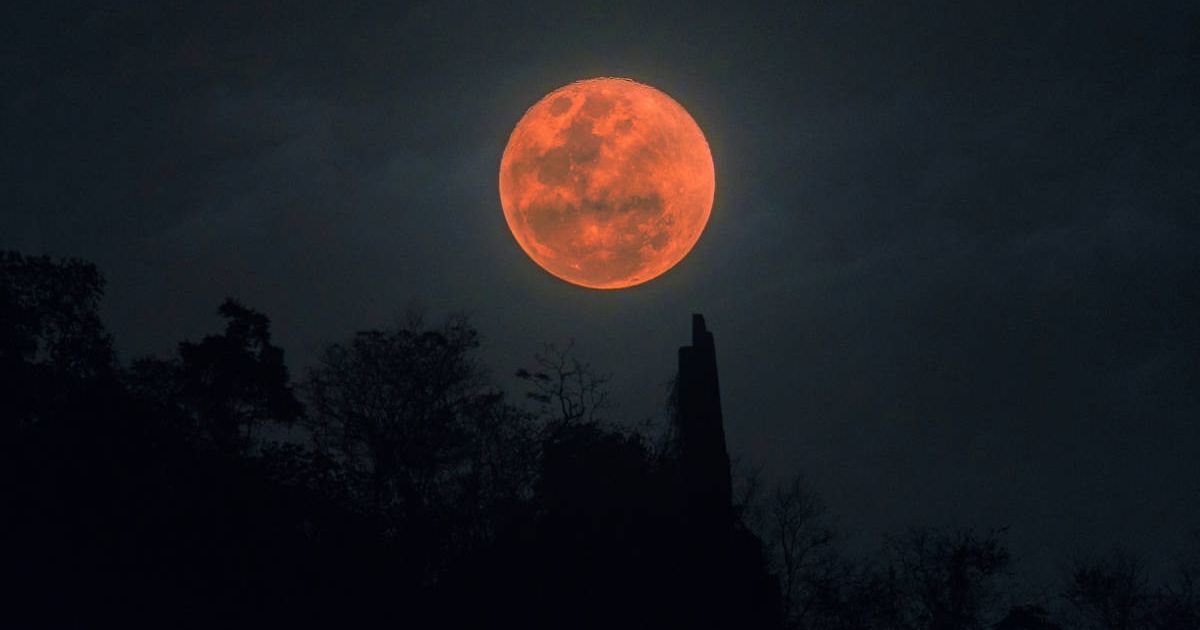
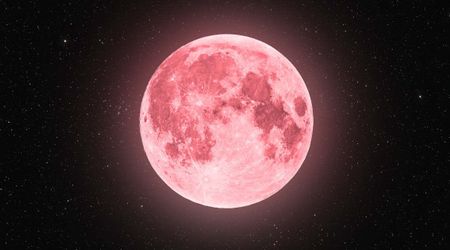
The Blood Worm Moon on March 3, 2026, is going to be the last total lunar eclipse that we will see anywhere on our planet until New Year’s Eve 2028. This total lunar eclipse will be one of the most widely visible astronomical events of the year, uniting observers under one grand crimson canopy. So, skygazers, mark your calendars and take note of the details of the event.
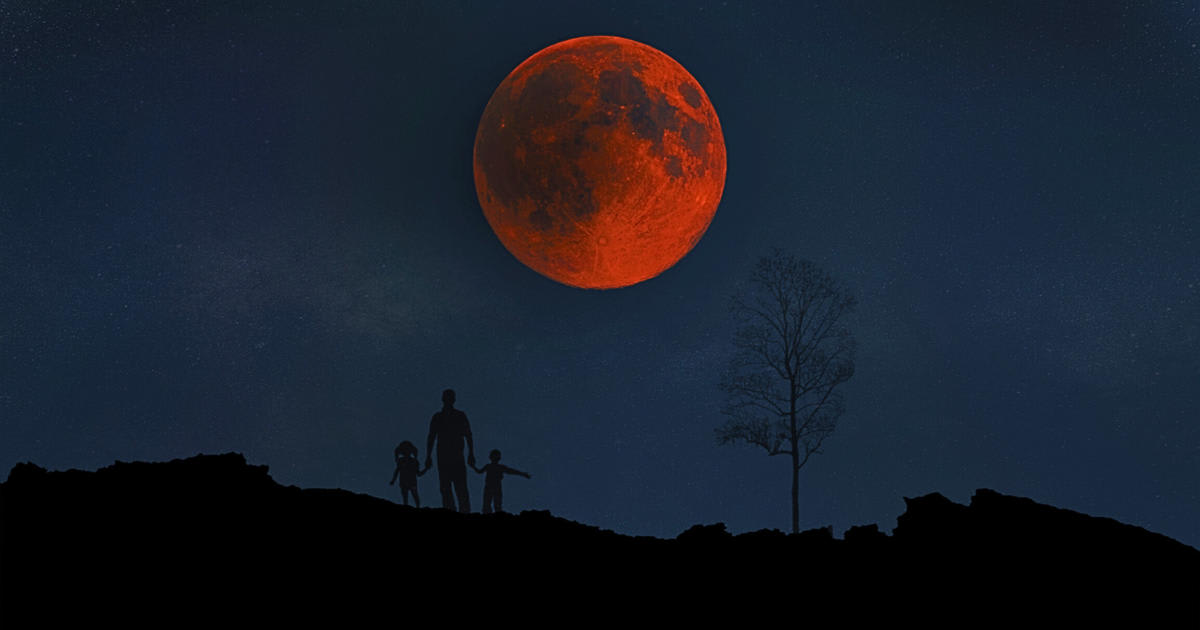
What is a total lunar eclipse?
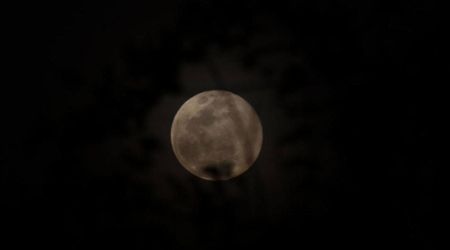
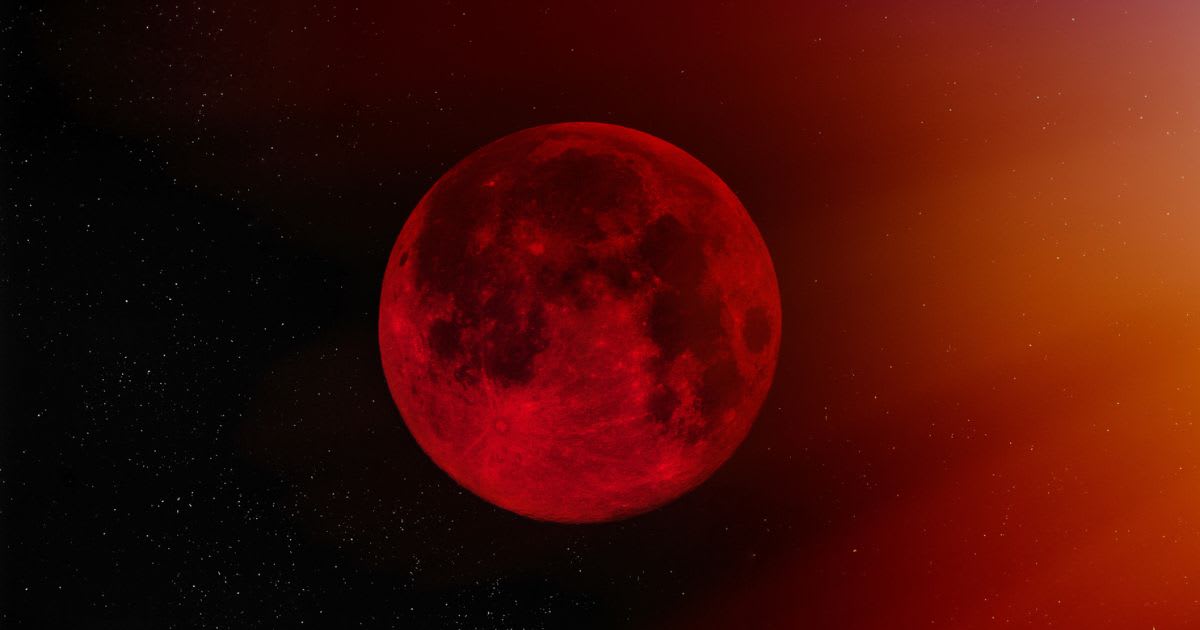
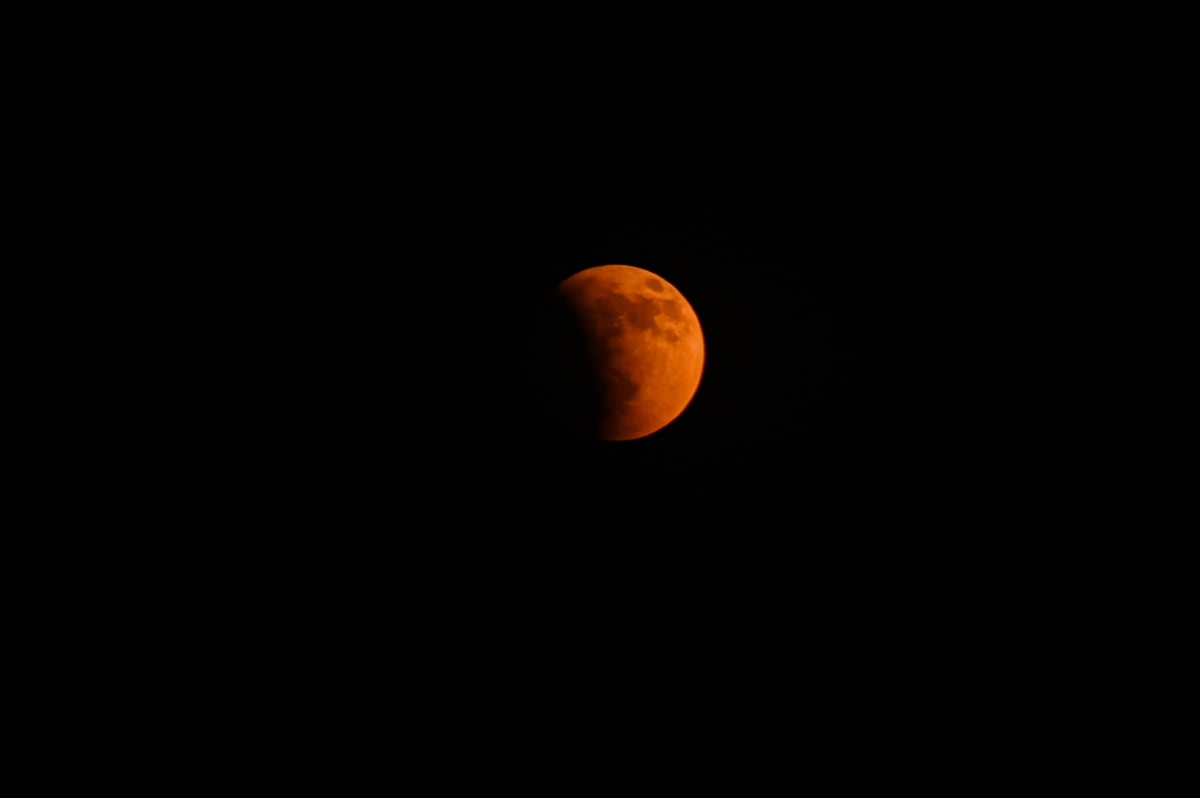
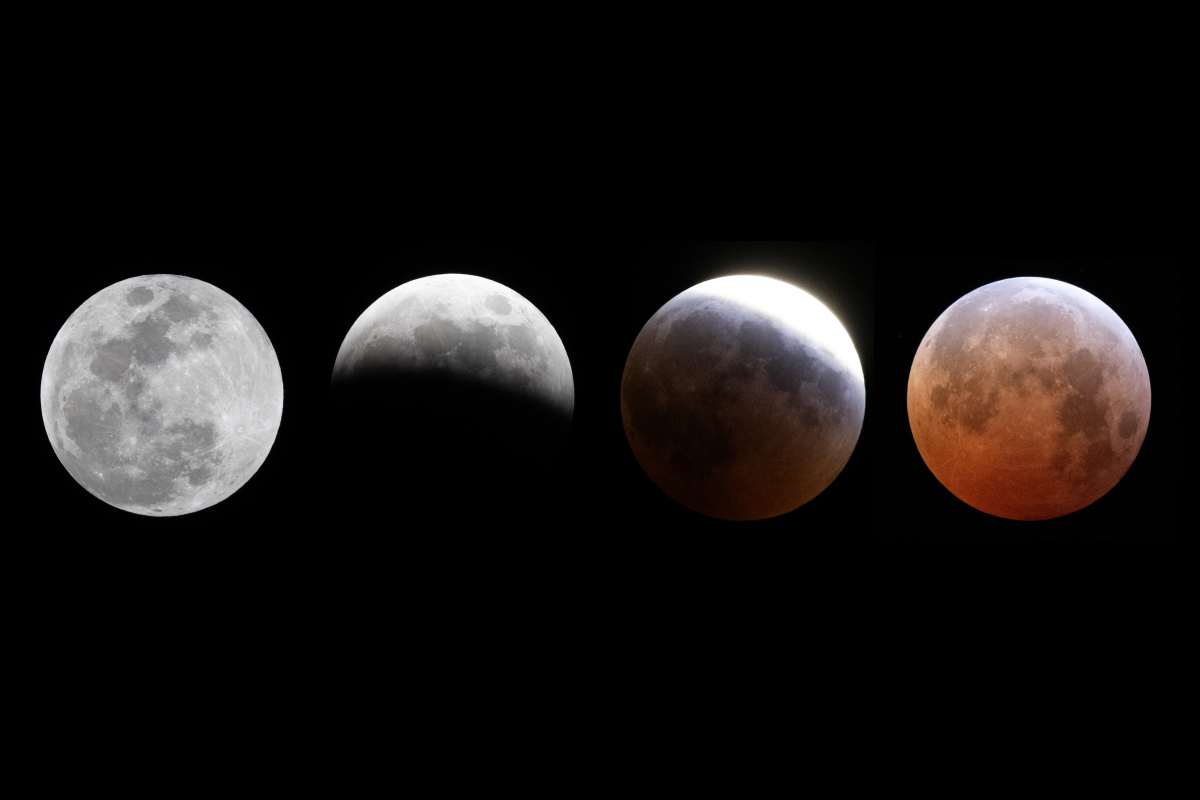
A total lunar eclipse occurs when the Full Moon is entirely covered by the Earth’s umbral shadow, the central, darkest, and innermost part of the shadow that completely blocks direct sunlight. Indirect sunlight illuminates the Moon, but it passes through the Earth’s atmosphere. The atmosphere filters most of the blue light via a phenomenon called Rayleigh scattering, and the remaining red, orange-ish light falls on the Moon. This results in the striking red color of the cold, rocky body during totality. The Saros cycle dictates the occurrence of eclipses.
What is a Saros?
Eclipses recur over the Saros cycle, a celestial period of approximately 18 years, 11 days, and 18 hours (6,585) used to predict solar and lunar eclipses by tracking the Sun, Earth, and Moon's returns to nearly identical positions. Two eclipses with one Saros between them share similar geometry, occurring at the same node (the point at which the Moon's orbit intersects Earth's plane), with the Moon at nearly the same distance from our planet at the same time of the year. Eclipses in a Saros repeat over centuries, with 70 or more events. NASA’s table explains that the March lunar eclipse falls within Saros 133, the last lunar eclipse of which is scheduled for June 29, 2819.
Eclipse phases and duration
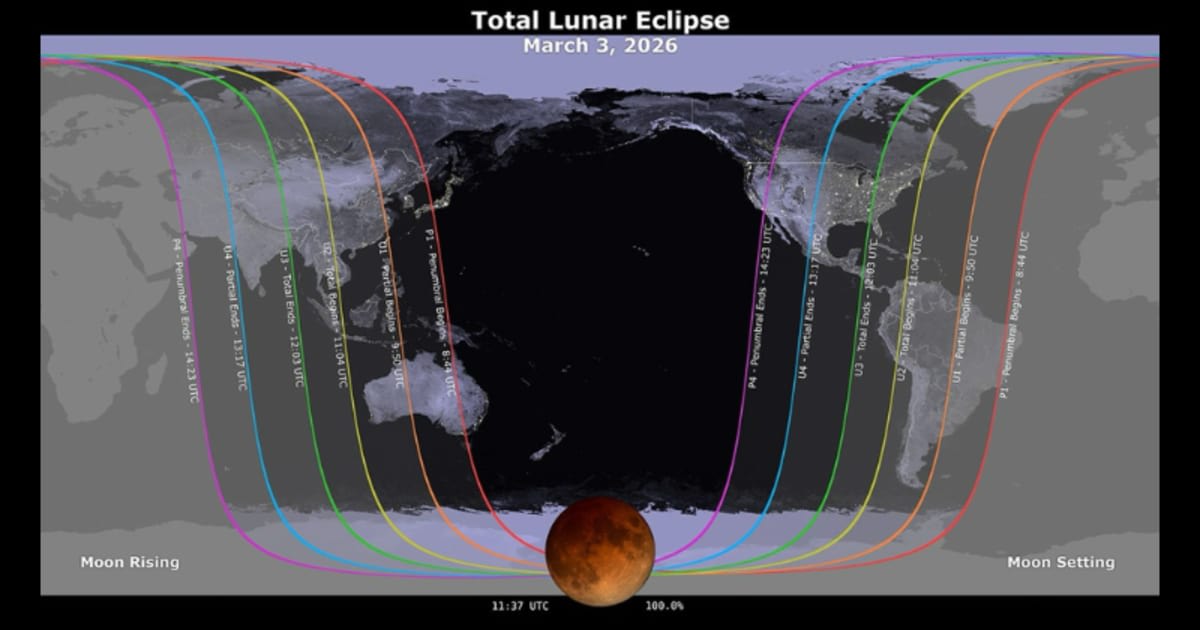
The 2026 total lunar eclipse will last over 5 hours from start to end, with the penumbral phase starting at 8:44 UTC (3:44 am EST) and ending at 14:23 UTC (9:23 am EST). The totality, or the phase of complete coverage of the lunar surface by Earth’s central shadow, will last nearly an hour from 11:04 UTC (6:04 am EST) to 12:03 UTC (7:03 am EST). The partial eclipse, meanwhile, will last from 9:50 UTC (4:50 am EST) to 13:17 UTC (5:17 am EST).
Visibility
Totality will be visible in the evening of March 3 from eastern Asia and Australia and throughout the night in the Pacific. Observers in North and Central America and western South America will have to get up early in the morning to experience the event. Residents of Central Asia and South America will only get to view the partial eclipse, while Europe and Africa will be completely deprived of any visibility.
Totally safe to watch with your unaided eye, without any eclipse glasses, the best show will be at a spot away from city lights, in the dark night sky. Binoculars and a telescope will enhance the experience and enable spotting the nuances of the Moon. So, find clear horizons in your city and watch our natural satellite illuminate the sky with its rusty coppery hue for the last time in a while.
Next total lunar eclipse after March 3
After next week's event, people around the world will get to observe a total lunar eclipse on New Year's Eve in 2028—that's a nearly three-year gap. On December 31, 2028, around 80 percent of the world's population will be able to experience the massive celestial event. With over 71 minutes of totality and more than three hours of partial visibility, the eclipse will grace the skies in Europe, Australia, Africa, Asia and parts of North America, per NASA.
More on Starlust
In pics: 'Blood Moon' total lunar eclipse as seen from Japan, Egypt, India and across the globe