Interstellar comet 3I/ATLAS tracked again by NASA’s exoplanet hunter TESS
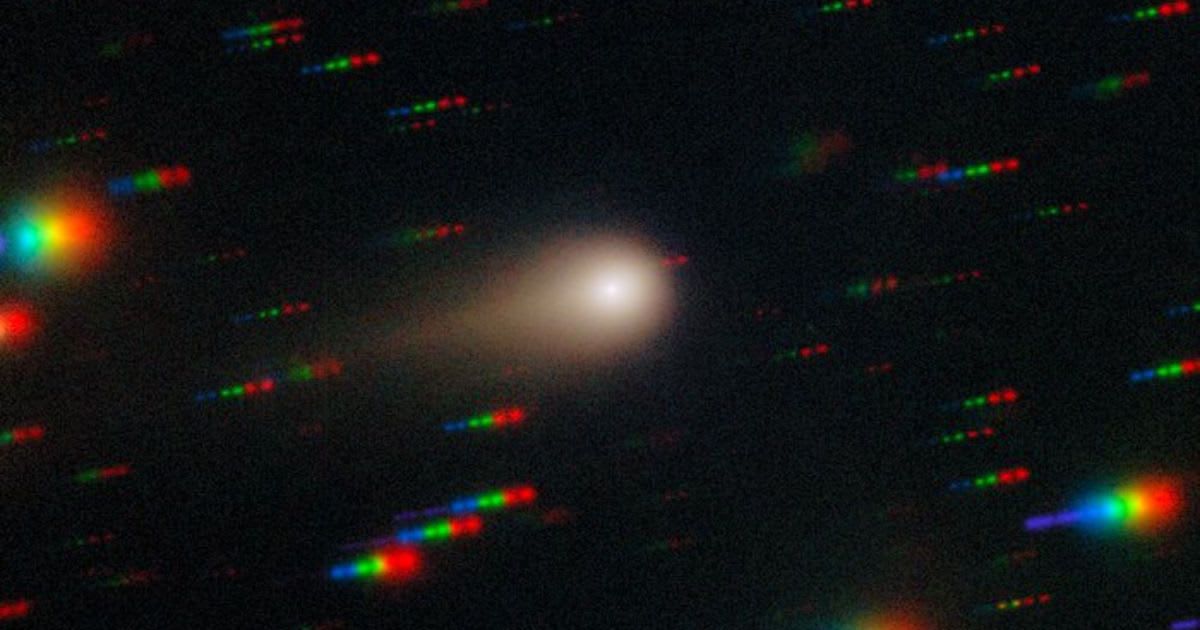
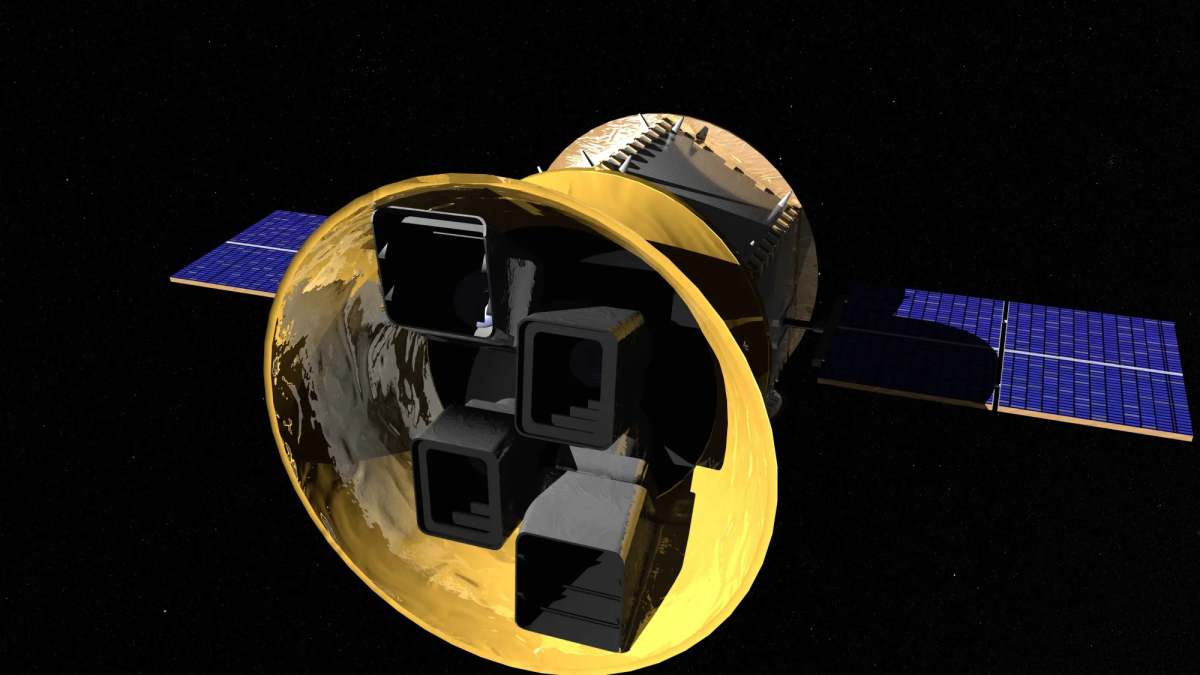
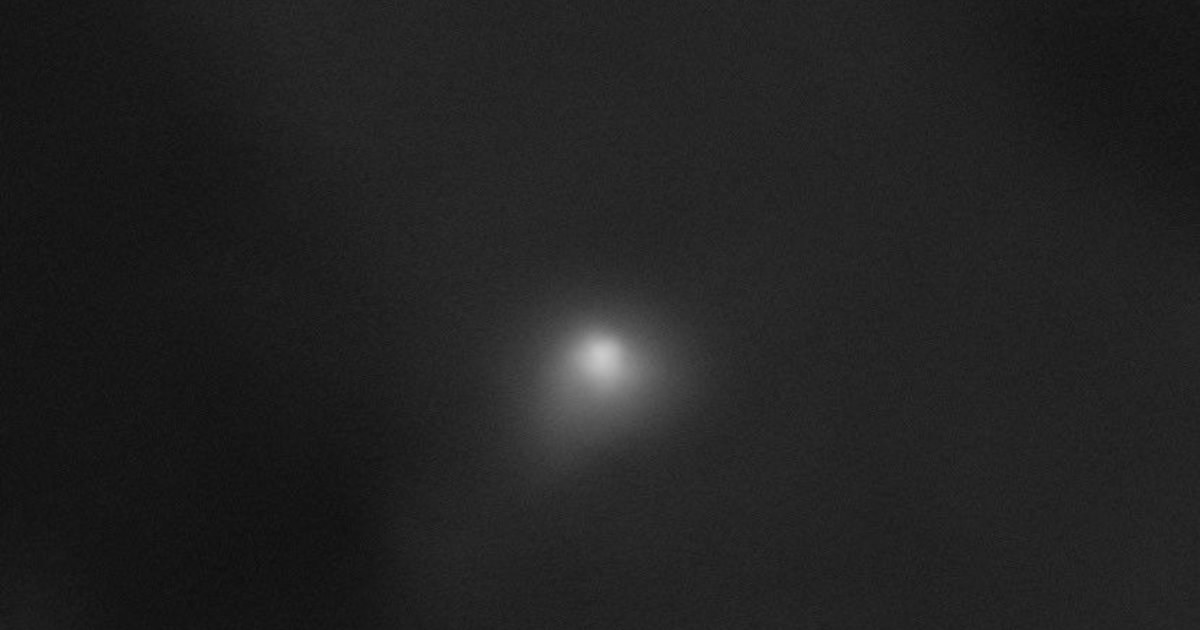
NASA's TESS (Transiting Exoplanet Survey Satellite), which, as the name suggests, hunts exoplanets, recently took a peek at the interstellar comet 3I/ATLAS during a special observation run from January 15 to 22, 2026. According to NASA, the data will be used to study the comet’s activity and rotation. Daniel Muthukrishna, a research scientist at the Massachusetts Institute of Technology in Cambridge, used the data obtained by TESS from January 15 and January 18 to 19 to compile a series of images into a short video that shows the interstellar comet as a bright moving dot with a tail.
🚨NASA’s TESS Reobserves Interstellar Comet 3I/ATLAS☄️🛸
— 3I/ATLAS updates (@Defence12543) January 28, 2026
😱NASA’s Transiting Exoplanet Survey Satellite (TESS) has once again turned its eye toward the rare interstellar visitor 3I/ATLAS, capturing the comet during a special observation run from January 15–22.🌌🌀
Although TESS… pic.twitter.com/GuUVRp3K5K
The data collected by TESS in the observation was made public on the Mikulski Archive for Space Telescopes. The brightness of the comet was noted at 11.5 in apparent magnitude, or around 100 times fainter than what is visible to the naked eye. The recent observations of the comet were momentarily interrupted from January 15 to 18 when TESS entered safe mode after it faced an issue with its solar panels.
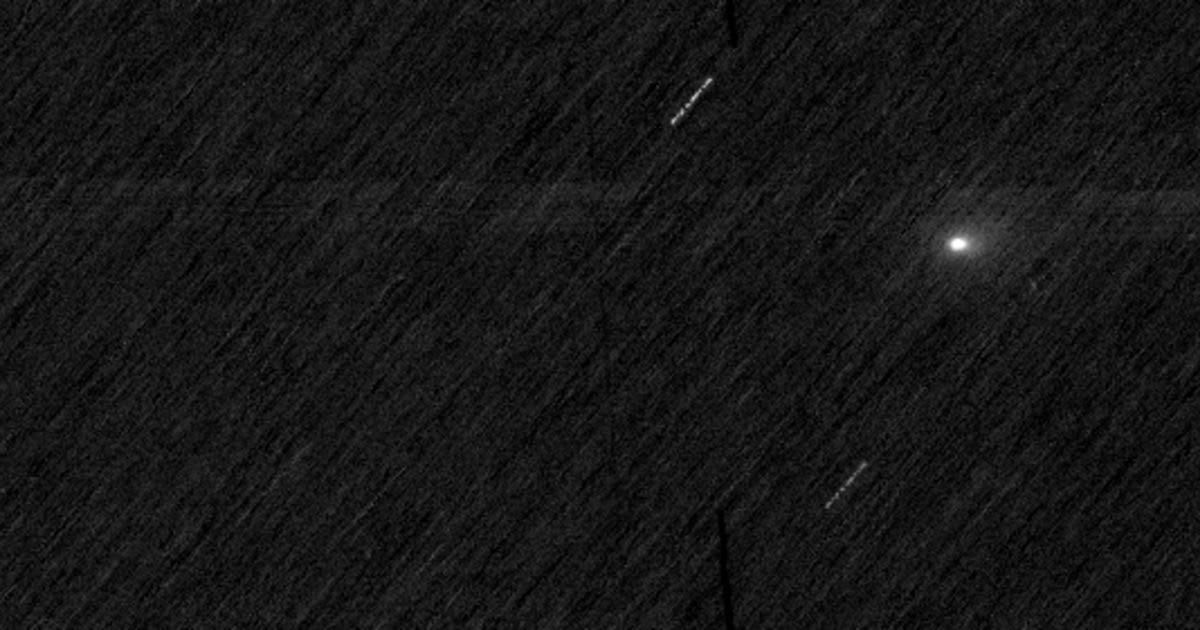
TESS looks for exoplanets, or worlds beyond our system, using the transit method, which entails detecting the dimming of a star when an orbiting planet passes in front of it from our point of view, according to NASA. This also helps TESS identify and monitor comets and asteroids at large distances. TESS's wide field of view was previously used to observe 3I/ATLAS in May 2025, two months before its official announcement. The TESS data at the time were used to identify the faint comet by compiling various observations. Astronomers used the compilation to filter out the interstellar comet from the surrounding noise and track its movements.
Comet 3I/ATLAS is the third known interstellar object from outside our solar system to pass through our neighborhood. The NASA-funded ATLAS (Asteroid Terrestrial-impact Last Alert System) in Rio Hurtado, Chile, was the first to report observations of the comet to the Minor Planet Center on July 1, 2025. According to NASA, the hyperbolic shape of its orbital path led to the conclusion that it is interstellar in nature. Various assets from NASA have observed and continue to track the comet, keeping both the scientific community and the general public updated on the developments surrounding it.
As astronomers observed the features of the interstellar comet, several debates sparked about the nature of the object. Harvard astrophysicist Avi Loeb dragged the comet into an intense debate of whether or not it was an alien object. However, observations confirmed its features to be consistent with those of a comet, and astronomers continue to observe the interstellar visitor’s path.
More on Starlust
Astrophysicist explains how Mars Orbiters captured closest view of interstellar comet 3I/ATLAS