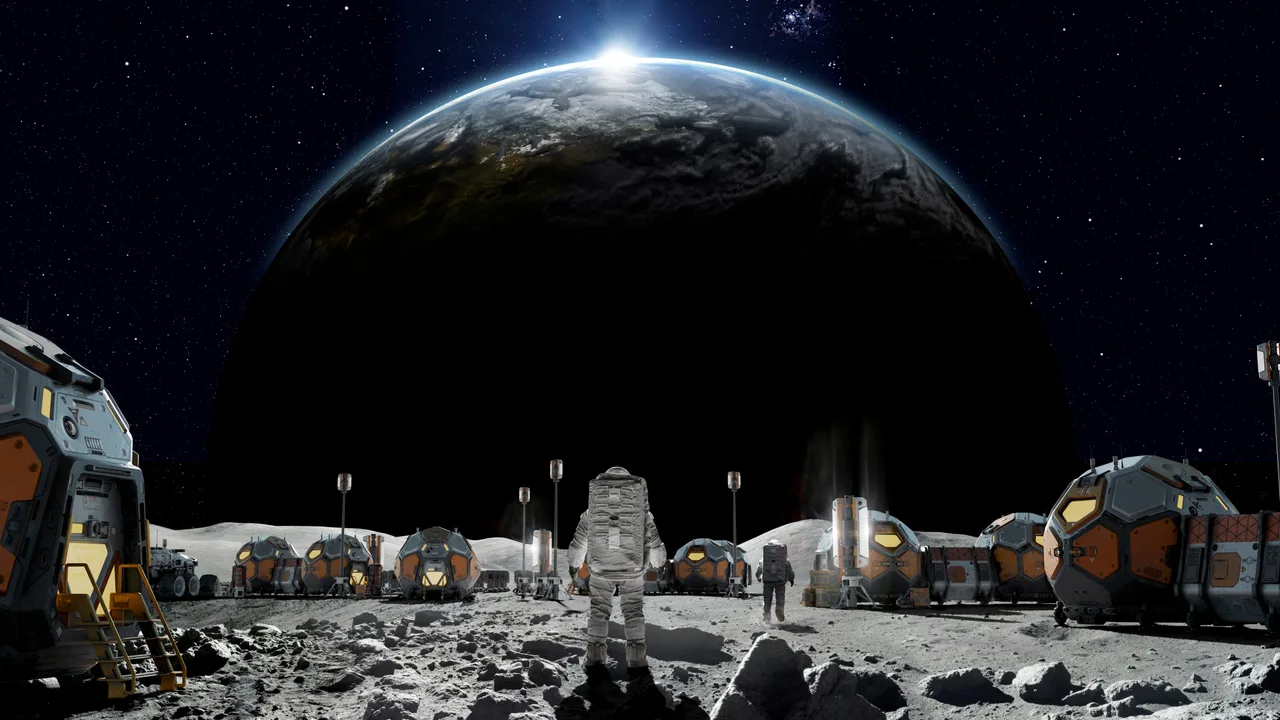
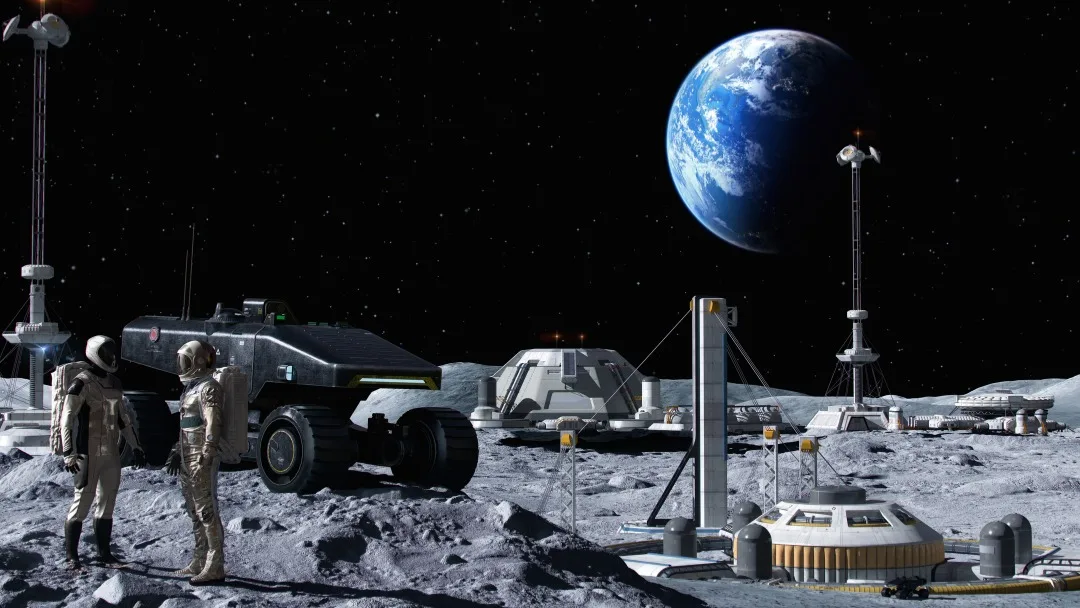
This is what living on NASA's future moon base could actually look like
Life on the Moon
Living on the Moon may no longer just be a dream for humanity. In fact, NASA has announced its plans to build a permanent Moon base sometime in the 2030s, which it calls “humanity’s first outpost on another celestial world.” The plan is much larger than a traditional outpost, and NASA says the base could eventually span hundreds of square miles.
While this could be one of humanity’s greatest achievements in space exploration, living on the Moon comes with its own set of challenges, as it offers none of the basic things we need to survive. So, what would daily life on the Moon actually look like, and how different would it be from what we experience today? Read on to find out.
Living on the Moon would mean relying on Earth for essentials

Since the Moon alone doesn’t offer the food we need in order to survive, astronauts living up there would need to request supplies from Earth. And this would cost a lot more, as one company has already put a price of $1.2 million per kilogram.
Plus, there are safety issues. Let’s say, if a rocket carrying a crew's food supply fails during launch, that mission itself would then be in serious trouble. Researcher Hao Chen, PhD, who studies space logistics at the Stevens Institute of Technology, has raised a similar question. He asks, "How do we do the planning? How do we do the scheduling? When should we launch, [and] from where to where?"
Astronauts could use the Moon’s ice to make fuel
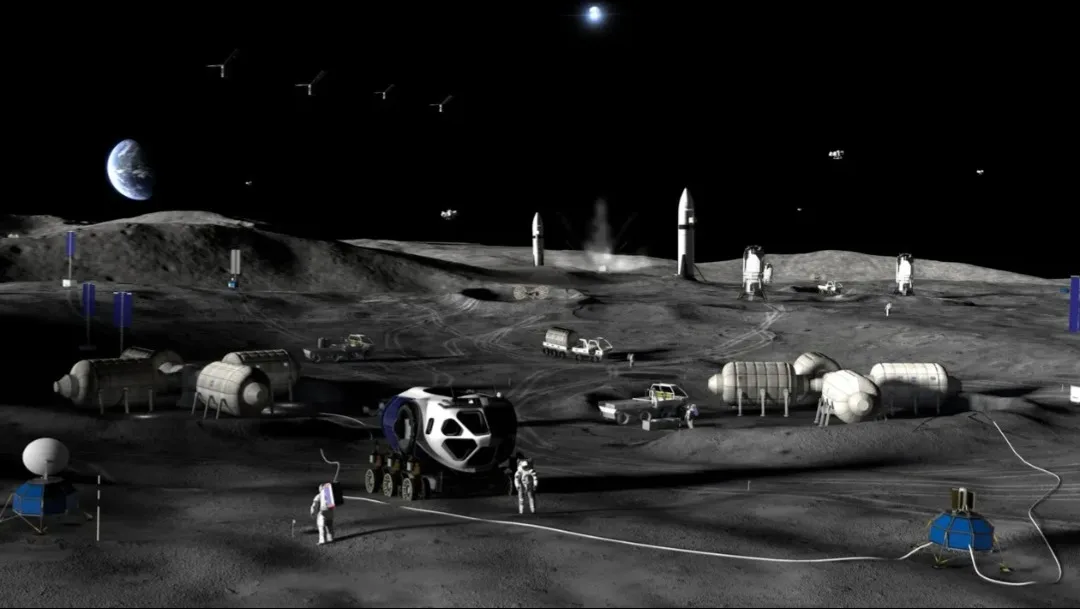
Interestingly, scientists have found signs of frozen water hiding in craters near the Moon's south pole that never see sunlight. This ice could be very useful to astronauts on the Moon base, as it could supply drinking water, as well as split into hydrogen and oxygen.
This can further fuel rockets and machinery. NASA is testing technology which will refuel landers on the lunar surface. “If you think about how much fuel your spacecraft would need to go to Mars and come home, it’s quite a lot,” said Evan Racine, CryoFILL project manager at NASA Glenn. “If we can produce and liquefy oxygen on the Moon or Mars, we can fuel landers on the surface where they land, reducing the amount of propellant needed to launch from Earth.”
Moon residents may need to make their own oxygen
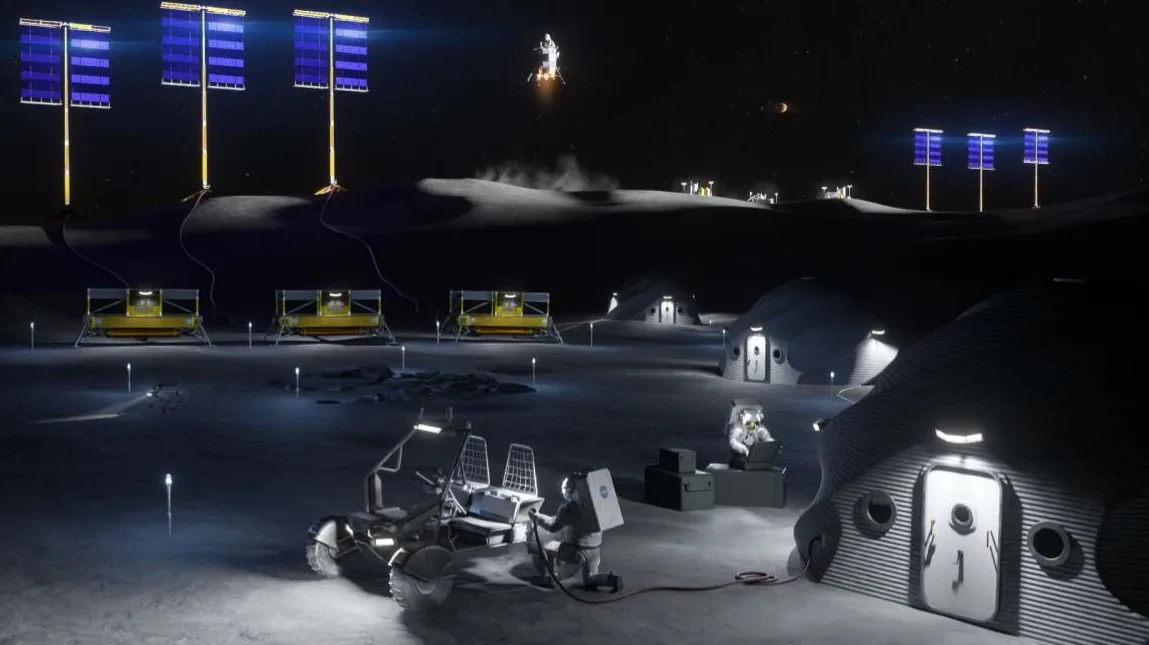
NASA has already tested generating oxygen away from Earth, but just not at any meaningful scale yet. NASA's Perseverance rover managed to produce oxygen on Mars between 2021 and 2023, but the total output was only 122 grams, described by the agency as roughly "about what a small dog breathes in 10 hours."
“At its most efficient, MOXIE was able to produce 12 grams of oxygen an hour – twice as much as NASA’s original goals for the instrument – at 98% purity or better,” the official website reads. For a Moon base, scaling that up to support a full crew living on the Moon for weeks at a time is a much bigger engineering challenge.
Astronauts may need to get creative about food source
Joshua Pearce, PhD, a professor at Western University, has researched what could be used as a food source. According to him, carbon found in asteroid dust, which is chemically similar to moon dust, can be used as a food source. His team built on an existing process called pyrolysis, which heats organic material without oxygen, to turn material into an oil that bacteria could actually digest in a lab bioreactor.
Even though bacteria aren't people, he says it's still a real proof of concept. "It sounds crazy," he admits, but he notes the same approach has military uses, too. DARPA, for instance, has looked into recycling waste from soldier meal packs when troops are far from resupply. "We combine a few technologies together to turn the plastic in the food waste back into human edible food," he added.